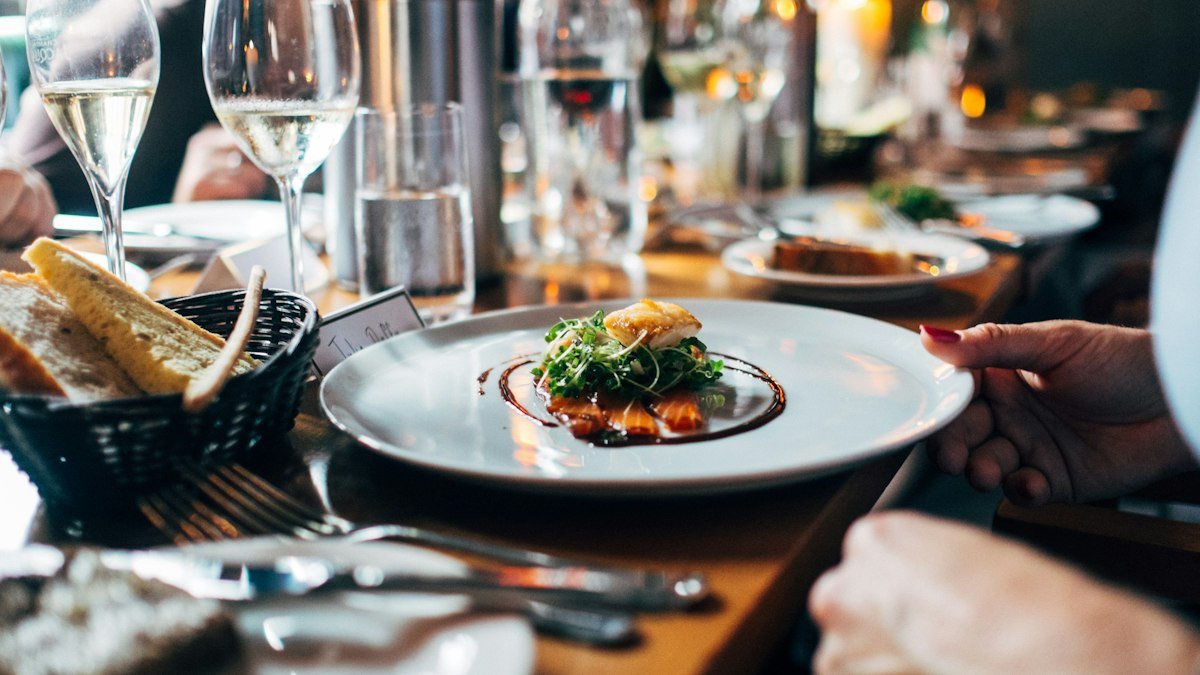
The best restaurants in Vegas are not all on the Strip, and that is the first thing most visitors get wrong about eating in this city. Las Vegas has one of the deepest restaurant scenes in the United States, with celebrity-chef flagships, old-school steakhouses and remarkable cheap eats spread across a few walkable miles and a much wider valley. The central question is simple — where should you actually eat? — and the honest answer is that the best meals in Vegas are split between Downtown, Chinatown, Summerlin and the off-Strip neighbourhoods, with each area doing something the others cannot.
This guide covers Las Vegas as a whole city, not the Strip corridor alone. The Strip has its own temples of fine dining, and they deserve a guide of their own, but the city beyond it is where locals eat, where the most interesting Asian cooking in the American Southwest sits, and where a great meal rarely needs a reservation made a month ahead.
Key takeaways
- Las Vegas dining splits into Downtown, Chinatown, Summerlin and the off-Strip neighbourhoods — each with its own strengths.
- Chinatown, along Spring Mountain Road, holds some of the best Asian cooking in the country, from Thai to Japanese to late-night tacos.
- Downtown and the Arts District suit walkable evenings, casual restaurants and a first night in town.
- Old-school steakhouses just off the Strip offer classic rooms and long histories without the resort crowds.
- A car makes the city far easier to eat across, and the best tables still reward booking ahead on weekend evenings.
How Las Vegas dining works
Las Vegas is a driving city that happens to have a walkable centre. The Strip itself is about four miles long, and the resort corridors around it hold the most famous dining rooms in the country, but the city spreads far beyond that line. Downtown sits a few miles north, Chinatown runs west along Spring Mountain Road, and Summerlin stretches out to the western edge of the valley. Distances are short by American standards, yet the dining scene is spread out, so a car is the practical way to eat across town in one trip.
The food reflects the city’s history as a place built for visitors. The resort era brought serious chefs and serious money, and the local scene grew up around them: family-run Thai and Japanese restaurants in Chinatown, classic steakhouses that served the Rat Pack era, and a Downtown revival that filled old brick buildings with modern kitchens.
Best for: travellers who want range — fine dining, cheap eats and local favourites — without staying inside the resort corridor.
| Area | Best for | Mood | Booking |
|---|---|---|---|
| Downtown and Arts District | Casual restaurants, walkable evenings | Lively, local | Walk-ins usually fine |
| Chinatown, Spring Mountain Road | Thai, Japanese, tacos, late-night food | Busy, informal | Walk-ins usually fine |
| Off-Strip steakhouses | Classic steaks, special occasions | Old-school, polished | Book for weekends |
| Summerlin | Neighbourhood dining, family dinners | Relaxed, suburban | Book for weekends |
Downtown and the Arts District: where locals eat
Downtown Las Vegas is where the city shows its personality. Fremont Street holds the old casinos and their neon, and the streets around it — especially the Arts District — hold the restaurants, bars and coffee shops that locals actually use. It is the natural base for a first evening, a slow weekend morning, or a night that does not need a resort lobby to feel like an occasion.
Esther’s Kitchen is one of the Arts District’s best-known names, a modern Italian restaurant in a converted building that draws a loyal crowd for handmade pasta and a room that feels both smart and relaxed. Carson Kitchen, a short walk away, is another downtown anchor, a contemporary American restaurant with a menu built for sharing and a bar that works as well for a quick bite as for a long dinner. Both are the kind of places that reward walking in without a plan, and both show what downtown does best: good cooking in rooms that belong to the neighbourhood.
Best for: a first night in town, a walkable evening of food and drink, and travellers who want the local side of Las Vegas.
Chinatown: the city’s most exciting food
Chinatown, along Spring Mountain Road just west of the Strip, is the most exciting place to eat in Las Vegas. The strip malls along the road hold Thai, Japanese, Chinese, Korean and Vietnamese restaurants, and the quality is high enough that chefs from the resort kitchens eat here on their nights off.
Lotus of Siam is the name most visitors know first, a Thai restaurant that has been praised nationally for decades and remains the natural first stop for anyone new to the area. Its northern Thai dishes are the draw, and the room is comfortable rather than grand, which suits the food. Raku, a Japanese restaurant in the same district, is the quieter counterpoint: a small, serious room where grilled dishes and noodles are cooked with care, and where booking ahead is wise because the room is small and the reputation is large.

Tacos El Gordo is the late-night anchor of the district, a Tijuana-style taco counter that draws queues at hours when most restaurants are closed. The meat is cooked on a spit in the open kitchen, the tacos are built to order, and the room is loud, bright and unpretentious. Sparrow and Wolf, another Chinatown favourite, takes a different path: a modern, creative kitchen that mixes influences from across Asia and beyond, with a menu that changes with the seasons and a dining room that suits a longer, more considered evening.
Best for: adventurous eaters, late-night food, and anyone who wants the most interesting meal of the trip.
Off-Strip steakhouses and classic rooms
Las Vegas is a steakhouse town, and some of its best steakhouses sit just off the Strip rather than inside it. The Golden Steer Steakhouse, open since 1958, is the most storied of them: a classic room with tableside Caesar salads and the kind of history that once drew the Rat Pack, still serving the old-school steakhouse experience without a resort lobby attached. It is the place to go when the occasion calls for ceremony rather than spectacle.
Herbs and Rye, a short drive from the Strip, is the modern counterpoint: a steakhouse and cocktail bar in a converted building, with a menu that leans classic and a bar programme that has earned the room a loyal following. The room is smaller and more intimate than the resort steakhouses, and the cooking is serious without being stiff. Together, the two rooms show the range of what a Las Vegas steakhouse can be: one rooted in the city’s golden age, the other in its present.
Best for: special occasions, classic steakhouse cooking, and a quieter, more grown-up evening.
Summerlin and the neighbourhoods: everyday eating
Summerlin, on the western edge of the valley, is where Las Vegas lives when it is not performing. The area holds neighbourhood restaurants, family dining rooms and shopping-centre kitchens that serve the people who live in the city rather than the people passing through it. The cooking is less famous than the Strip’s, but it is often more consistent, and the rooms are calmer, easier to reach and friendlier to families and groups.
The neighbourhoods between Summerlin and the Strip hold their own strengths. The southwest valley has grown quickly, and with it has come a wave of new restaurants: casual Asian kitchens, modern American rooms, bakeries and coffee shops that would be destination dining in a smaller city.
Best for: families, longer stays, and travellers who want a calm, reliable meal away from the crowds.
Breakfast, brunch and the hours between
Brunch is the busiest time, and the most popular rooms fill up by mid-morning on Saturdays and Sundays. Weekday mornings are far calmer, and a weekday breakfast is one of the easiest good meals you can have in the city. Late-night eating is the other side of the same coin: few American cities feed people as well after midnight, and Chinatown and the taco counters are the best places to take advantage of it.
Best for: slow weekend mornings, early risers, and night owls who want a real meal after midnight.
How to plan a weekend of eating in Las Vegas
A weekend is enough to eat well across Las Vegas if you plan by area rather than by craving. Use Downtown for your first evening, Chinatown for a long lunch or a late night, an off-Strip steakhouse for the big dinner, and Summerlin or the neighbourhoods for a calm breakfast. The checklist below keeps it simple.
- Start with Chinatown on your first day — it is the most distinctive food in the city.
- Book ahead for steakhouses and popular restaurants on Friday and Saturday nights.
- Use Downtown and the Arts District for a walkable evening without a car.
- Keep a casual backup in mind for every evening, so a full restaurant never means a missed meal.
- Check opening days and hours before you travel — some local spots close one or two days a week.
- Leave room for a late-night taco stop; it is part of the Las Vegas experience.
For a sense of how a different kind of American menu works at scale, the guide to the best plates at the Cheesecake Factory is a useful comparison: Las Vegas has the same generous-portion spirit, but its best rooms are smaller, local and personal. If the trip continues with pizza night, the roundup of the best pizza deals is a handy reference for feeding a group without fuss. And for the bigger picture of how restaurants become empires, the story of Gordon Ramsay’s restaurants, shows and earnings shows the opposite end of the scale from the family-run kitchens of Chinatown.
Frequently asked questions
Where should I eat on my first night in Las Vegas?
Downtown and the Arts District are the best bet for a first night: they are walkable, with restaurants, bars and coffee shops within a few blocks, and they show the local side of the city.
Is Chinatown in Las Vegas worth visiting for food?
Yes. The restaurants along Spring Mountain Road hold some of the best Asian cooking in the American Southwest, from Thai to Japanese to late-night tacos, and the quality is high enough that resort chefs eat there on their nights off.
Do I need to book restaurants in Las Vegas in advance?
Most neighbourhood restaurants are walk-in friendly, but steakhouses and popular rooms fill up on Friday and Saturday nights. The most famous dining rooms need booking well ahead, while Chinatown counters and downtown restaurants are usually fine without a reservation.
Is Las Vegas good for families?
Yes. The city is full of family restaurants, casual kitchens and neighbourhood dining rooms, especially in Summerlin and the suburbs. Downtown and Chinatown also have family-friendly options, though the late-night scene suits adults best.
What food is Las Vegas known for?
Las Vegas is known for its range: celebrity-chef dining rooms, classic steakhouses, and the Asian cooking of Chinatown. Tacos, Thai food and late-night eating are as much a part of the city’s food identity as any tasting menu.
How expensive is eating out in Las Vegas?
It varies enormously. Casual meals in Chinatown and Downtown are good value, while the resort dining rooms and tasting menus cost far more. Menus change often, so check them online before you go.
Conclusion
The best restaurants in Vegas reward visitors who look beyond the Strip. Start with Chinatown, use Downtown for a walkable evening, save an off-Strip steakhouse for the big dinner, and fit in a neighbourhood breakfast for good measure. Check menus and opening hours before you travel, and book ahead for weekend dinners. Your next step is simple: pick your first lunch, and make it in Chinatown.