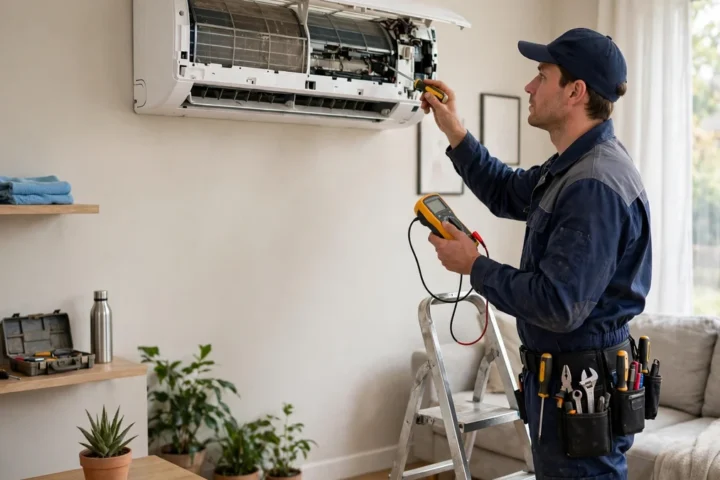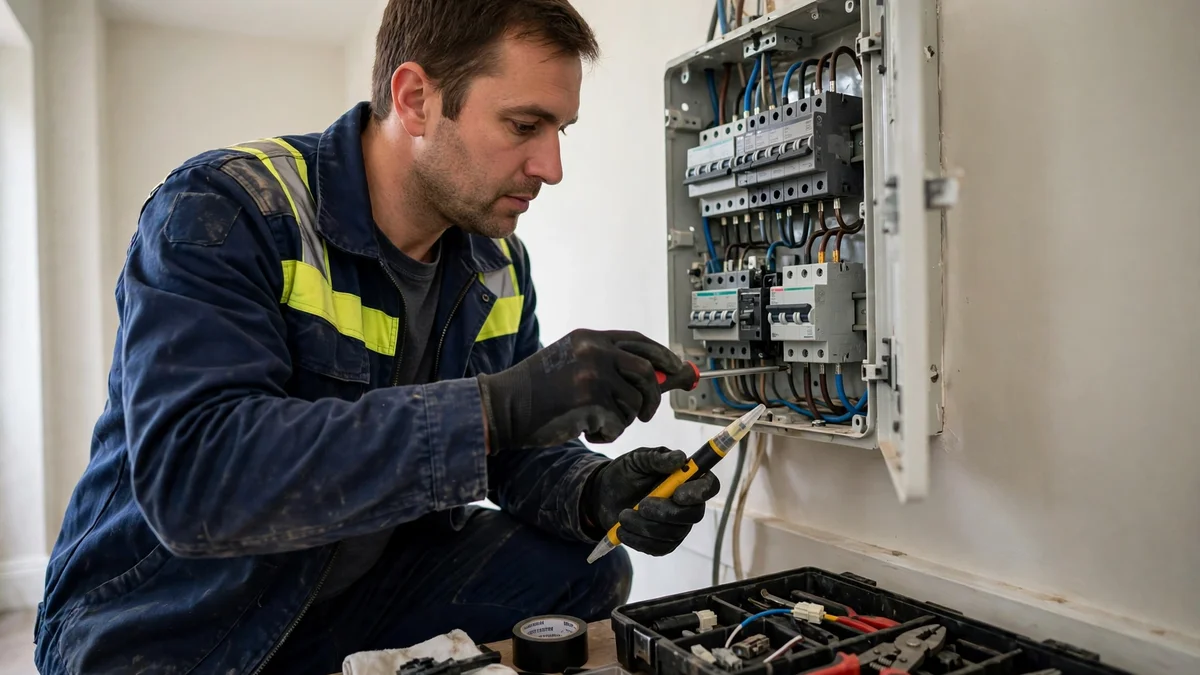

Electrical services cover the installation, repair, testing and maintenance of the wiring and equipment that bring power into a home or business, from consumer units and lighting circuits to sockets, showers and safety checks. The question most people ask before booking is a practical one: which jobs belong to an electrician, and how do you tell a good service from a poor one? The short answer is that electrical services include almost any fixed wiring work, and a good provider explains the work clearly, tests it properly and leaves written records behind.
Electricity is the one home system where guesswork is never acceptable. A loose connection, an overloaded circuit or a missing safety device can sit unnoticed for years before it causes damage, which is why most countries require fixed electrical work to be carried out by a qualified person and checked against a recognised standard. Knowing what the service includes helps you ask the right questions and avoid paying for work you do not need.
Key takeaways
- Electrical services cover installation, repair, testing and maintenance of fixed wiring and equipment.
- Common jobs include consumer units, lighting, sockets, cookers, showers and safety inspections.
- Always ask whether the work will be tested and certified, and what the certificate covers.
- Compare quotes on the same scope of work, not on the headline figure alone.
- Warning signs such as burning smells, tripping breakers and scorch marks need prompt professional attention.
- Keep records of every inspection and certificate; they matter when you sell or insure a property.
What electrical services include
The core of electrical services is fixed wiring: the cables, circuits and protective devices that distribute power around a building. That includes installing new circuits for a kitchen or an extension, replacing an old consumer unit, adding sockets and light fittings, and wiring fixed appliances such as cookers, showers and heating controls. The Wikipedia page on electricians describes the trade as covering installation, maintenance and repair of electrical systems, and that range is exactly what most households need at one time or another.
Testing and inspection form a second large part of the work. A periodic inspection checks the condition of the wiring, the effectiveness of protective devices and the safety of the installation as a whole. The electrician tests circuits, measures earth fault loop impedance and insulation resistance, and records the results in a report that lists any problems by severity. This is the work that catches deterioration before it becomes dangerous.
Fault finding is the third part. When a circuit trips repeatedly, a light flickers, or a socket stops working, an electrician traces the fault through testing rather than guesswork, isolating sections of the circuit until the cause is found. Good fault finding is methodical and unhurried, and it usually costs less than replacing parts at random.
Common jobs and what they involve
Replacing a consumer unit is one of the most common larger jobs. Older fuse boxes with rewireable fuses or no residual current protection are often replaced with a modern unit that includes circuit breakers and residual current devices. The work takes most of a day, the power is off while it happens, and every circuit must be tested before the new unit is handed over.
Lighting work ranges from replacing a single fitting to designing a new layout for a room. Downlights, dimmers and outdoor lighting all involve decisions about circuit loading and the type of cable used, especially in bathrooms and kitchens where moisture changes the rules. A good electrician will ask how the room is used before suggesting fittings, rather than simply copying what was there before.
Additional sockets and new circuits are routine, but they still need care. A socket added to an existing circuit must not overload it, and a new circuit for a cooker or an electric shower needs its own protective device and the right cable size. These are the details that separate a tidy, safe job from one that causes problems later. Similar thinking applies to other home trades: our guide to plumbing repair makes the same point, that the visible fitting is only the last step in a job that starts with checking what the existing system can support.
Electrical services compared
| Service | What it involves | Typical disruption |
|---|---|---|
| Consumer unit replacement | New protective devices, full circuit testing | Power off for most of a day |
| Periodic inspection | Testing circuits and protective devices, written report | Brief power interruptions during tests |
| Fault finding | Methodical testing to locate a fault | Localised, usually a few hours |
| Lighting installation | New fittings, switches, dimmers or layout | Room out of use briefly |
| New sockets or circuits | Additional points or dedicated circuits | Some dust and making good |
| Outdoor power | Weatherproof sockets, garden lighting, supplies | Outdoor work, weather dependent |

How to choose an electrical service
Start with qualifications and registration. In most countries, electricians who carry out notifiable work must be registered with a recognised scheme or able to have their work checked by the local authority. Ask which scheme the electrician belongs to and whether the work will be certified. A provider who cannot answer that question clearly is not the right one.
Ask for a written scope before any work starts. The scope should list exactly what will be done, which materials are included, how long the job will take, and what testing and certification follow it. Two quotes can look very different until you check whether both include the same testing, the same fittings and the same making good afterwards.
Check how the provider handles problems. Ask what happens if a fault is found during the work, whether the quote covers making good, and what guarantee applies to the workmanship. The answers matter more than the headline figure, because electrical work that fails early usually fails expensively. The same comparison habit helps with other household systems: our guide to sewer line repair shows how a clear written scope protects you when a job turns out to be bigger than expected.
Finally, look at the records the provider leaves behind. A proper job ends with test results, a certificate where one is required, and a short explanation of what was done. Keep those records with the other documents for the property; they are part of its history and they matter when you sell, insure or extend it.
Warning signs that need an electrician
Some signs should never be left to wait. A burning smell near a socket or a consumer unit, scorch marks, crackling sounds, or a fitting that is hot to the touch all suggest a fault that could worsen quickly. Switch off the affected circuit at the consumer unit if you can do so safely, and call a professional rather than investigating the wiring yourself.
Repeated tripping is another sign worth acting on. A breaker that trips once after a storm may be nothing, but one that trips regularly, or a residual current device that will not reset, points to a fault that needs testing. Do not simply replace a breaker with a larger one; the breaker is doing its job, and the fault is the thing that needs attention.
Flickering lights, buzzing switches and sockets that feel loose are quieter warnings. They often mean a connection is deteriorating, and a deteriorating connection generates heat. None of these need panic, but all of them deserve a prompt booking, not a place on a list of jobs to do someday. Heating systems share the pattern: our guide to heat pump repair notes the same rule, that small faults caught early are usually small bills, while the same fault ignored for a year is not.
A checklist before you book
- Confirm the electrician is qualified and registered with a recognised scheme.
- Ask whether the work will be tested and what certificate you will receive.
- Get the scope in writing, including materials, testing and making good.
- Compare quotes on identical scopes, not on headline figures.
- Ask what happens if extra faults are found during the work.
- Check the guarantee on workmanship and how long it lasts.
- Keep all certificates and test results with the property records.
- Note any warning signs to report, such as tripping, smells or scorch marks.
Frequently asked questions
What do electrical services cover?
Electrical services cover the installation, repair, testing and maintenance of fixed wiring and equipment in a home or business. That includes consumer units, lighting, sockets, fixed appliances and safety inspections, as well as fault finding when something stops working.
Do I need an electrician for a small job?
Any work on fixed wiring should be done by a qualified electrician, however small it looks. Replacing a light bulb is a household task, but replacing a light fitting, adding a socket or changing a switch involves the fixed wiring and should be done professionally.
What is a periodic electrical inspection?
A periodic inspection is a structured check of the condition of an installation. The electrician tests the circuits and protective devices, then records the results in a report that lists any problems by severity, so you know what needs attention and what can wait.
How do I compare electrical quotes?
Compare them on identical scopes of work. Check that each quote includes the same fittings, the same testing and certification, and the same making good afterwards. A cheaper quote that leaves out testing or certification is not the same job at a lower price.
What should I do if a breaker keeps tripping?
Note which circuit is affected and what was running when it tripped, then book an electrician. Do not replace the breaker with a larger one or bypass the protection. The breaker is responding to a fault, and the fault needs to be found and fixed.
Will electrical work be certified?
Most substantial work should be tested and certified, and in many countries certain work must be notified to the local authority. Ask before the work starts what certificate you will receive, and keep it with the property records.
The bottom line
Electrical services exist to keep the power in your home safe, reliable and properly documented. Choose a qualified, registered electrician, agree the scope in writing, insist on testing and certification, and act promptly on warning signs. The cheapest quote is rarely the best value; the best value is work that is done once, done properly, and backed by records you can rely on.
Safety note: this article is general information only. Electrical work can be dangerous, and fixed wiring should always be handled by a qualified professional. If you notice burning smells, scorch marks or sparking, switch off the affected circuit if it is safe to do so and seek professional help straight away.