
Finding good nut free snacks is easier than it used to be, because supermarkets now stock plenty of foods that were never made with nuts in the first place. The central question is simple: which snacks are genuinely safe for a nut-free lunchbox, desk drawer or kitchen cupboard, and how can you tell? Look for whole foods such as fruit, vegetables, cheese and popcorn, check every label for nut warnings, and keep a short list of trusted options so you are never stuck for an idea.
Nut allergies are common enough that many schools now ask parents to send nut-free food, and many workplaces have nut-free tables or shared kitchens. That does not mean snack time has to be dull. Some of the best snacks are naturally nut free, and with a little planning you can put together a box that is filling, varied and genuinely enjoyable. The trick is to build a routine around foods you trust, rather than reading every label from scratch each morning.
Key takeaways
- Whole foods such as fruit, vegetables, cheese, popcorn and rice cakes are naturally nut free.
- Always read the label, including the allergy warning, even on foods you have bought before.
- Keep a short list of trusted snacks so packing a lunchbox takes minutes, not ages.
- Homemade snacks give you full control over ingredients and cost less than most snack bars.
- Pack snacks in a clean container and keep them separate from foods that contain nuts.
- When in doubt about a snack, leave it out and choose something you know is safe.
What makes a snack nut free
A snack counts as nut free when it contains no nuts and has not been made in a way that risks nut contamination. That sounds straightforward, but labels can be confusing. Some products carry a warning such as “may contain nuts” or “made in a factory that handles nuts”, and for someone with a serious allergy that warning matters as much as the ingredients list. Schools and nurseries often treat “may contain” products as unsuitable, so it pays to know the rule where the snack will be eaten.
Tree nuts include almonds, cashews, hazelnuts, walnuts, pecans, pistachios, macadamias and Brazil nuts, while peanuts are legumes rather than true nuts. Many people with a nut allergy react to both, so most nut-free guidance covers peanuts as well. Seeds such as sunflower, pumpkin and sesame are usually fine, but again, check with the individual concerned.
The safest snacks are the ones with the shortest stories. An apple, a banana, a handful of grapes or a pot of yoghurt needs no label detective work. The more processed a snack is, the more questions you need to ask, because nuts can hide in unexpected places: pesto, some curries, muesli, granola, chocolate, biscuits, cakes, sauces and even some vegetarian burgers. That is why reading labels is a habit worth building, not a one-off chore.
Reading labels with confidence
Food labels in Britain highlight the main allergens in bold within the ingredients list, which makes the first check quick. Look for the bold words, then read the allergy advice box nearby, which usually says something like “for allergens, see ingredients in bold”. If nuts appear in bold, the food is not suitable. If the box carries a “may contain” warning, treat it with caution and follow the rules of the school or workplace involved.
Manufacturers sometimes change recipes or factories, so a product that was safe last month may not be safe now. Keep checking labels even on familiar foods: it takes only a few seconds, and it is the single most useful habit in nut-free eating. If a label is unclear, torn or missing, do not guess: pick something else.
Loose foods deserve extra care. Bakery items, deli counters and pick-and-mix stands rarely carry full allergy labelling, and the same tongs or surfaces may touch many foods. Ask the staff about ingredients, and if they cannot answer clearly, choose a sealed, labelled product instead.
School lunchbox ideas that work
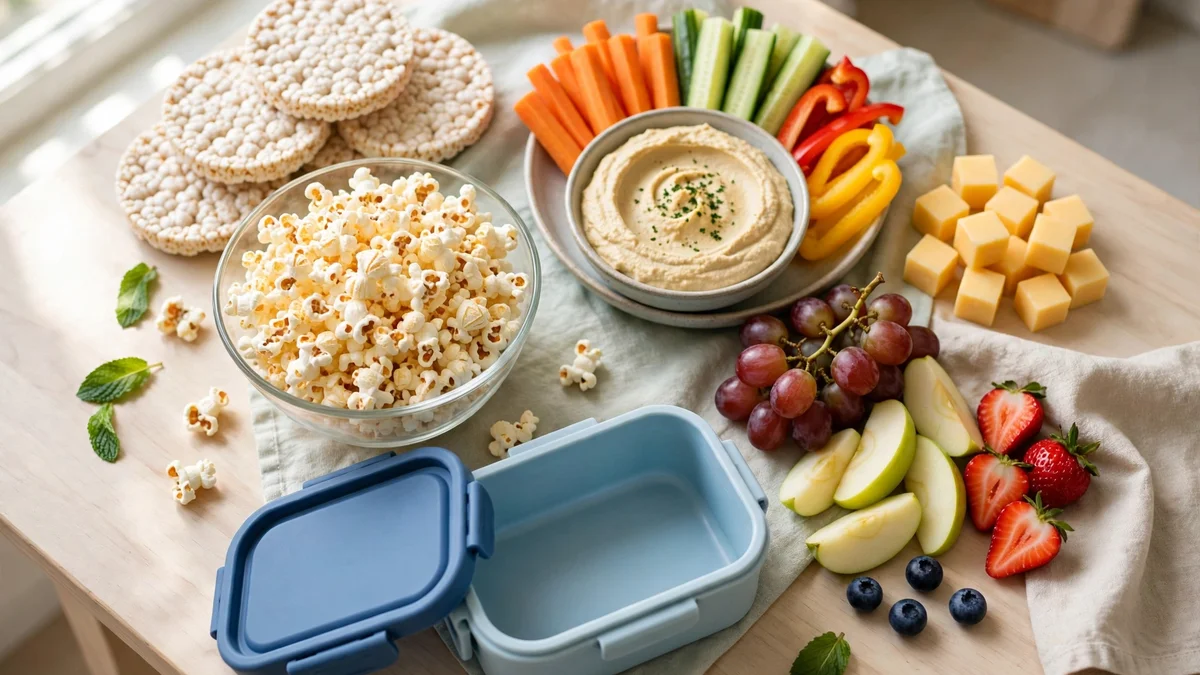
A school lunchbox needs snacks that survive a bag, a morning in a classroom and a hungry child. Fresh fruit is the easiest starting point: apples, bananas, satsumas, grapes and strawberries all travel well, and dried fruit such as raisins or apricots works when fresh fruit runs out. Add a small pot of yoghurt or a cheese string, and the box already has protein to keep energy steady until lunch.
Crunchy snacks are popular with children, and plenty are nut free. Popcorn, rice cakes, oatcakes, breadsticks and plain crisps all fit, and vegetable sticks with a small pot of hummus or cream cheese make a satisfying combination. Carrot, cucumber and pepper sticks can be cut the night before and stored in a sealed box in the fridge, which makes the morning rush much calmer.
Sweet treats have their place too. Plain biscuits, malt loaf, banana bread and oat bars made without nuts all work, and a small piece of chocolate is fine as long as the label is clear. Rotate five or six trusted options across the week so lunchboxes stay interesting without adding work.
Snacks for work and busy days
Adults need snacks that are quick, tidy and easy to eat at a desk. A desk drawer stocked with a few reliable options beats the vending machine every time. Rice cakes with a single-serve cheese portion, a small bag of popcorn, dried fruit and a cereal bar made without nuts all travel well and keep for weeks in a drawer.
Fresh food works at work too if you have a fridge nearby. A pot of yoghurt with berries, a small tub of cottage cheese or a sliced apple with a squeeze of lemon are all easy to prepare the night before. If you commute, choose snacks that will not leak or squash: whole fruit, sealed pots and firm crackers are safer bets than anything soft.

Nut free snacks compared
Different snacks suit different moments, so it helps to know which ones are quick, which ones keep you full and which ones travel best. The table below sums up the most reliable options.
| Snack | Best for | Keep in mind |
|---|---|---|
| Fresh fruit | School, work, home | Some fruit bruises easily in a bag |
| Popcorn | Film nights, lunchboxes | Check the flavouring is nut free |
| Rice cakes and oatcakes | Desk drawers, travel | Plain versions are the safest choice |
| Cheese and yoghurt | Staying full until lunch | Needs a fridge or a cool bag |
| Vegetable sticks and dip | After school, shared plates | Cut the night before to save time |
| Dried fruit | Walking, travel, busy days | Sticky and sweet, so watch portions |
| Plain biscuits | Tea breaks, treats | Always check the label for nut warnings |
Homemade snacks worth making
Making snacks at home gives you complete control over the ingredients, and it usually costs less than buying snack bars. Flapjacks made with oats, butter, golden syrup and dried fruit are a classic for a reason: they keep for days in a tin, travel well and freeze beautifully. Banana bread is another reliable choice, and it uses up fruit that would otherwise go to waste.
Savoury baking works too. Cheese scones, mini muffins with grated courgette or carrot, and homemade sausage rolls all freeze well and can be defrosted overnight for the next day. If you bake in batches at the weekend, you can fill a freezer box with a fortnight of snacks in a single afternoon, which takes the pressure off busy weekday mornings.
Snacks for different ages
Young children need snacks that are soft, small and easy to chew. Banana, soft pear, yoghurt, cheese cubes and well-cooked vegetable pieces are good choices for toddlers, while whole grapes, whole cherry tomatoes and popcorn should be avoided for very young children because they can be choking hazards. Cut grapes lengthways and choose soft foods until a child is older.
Older adults may need snacks that are gentle on teeth and easy to digest. Soft fruit, yoghurt, custard, soup and porridge all work well, and a small snack between meals can help keep energy up. Whatever the age, the same rule applies: check the label, keep portions sensible and choose foods the person actually enjoys.
Your nut free snack checklist
Keep this list on the fridge until the routine feels natural.
- Read the ingredients and the allergy warning on every packaged snack.
- Keep a short list of five or six trusted snacks for busy mornings.
- Stock whole foods first: fruit, vegetables, cheese, yoghurt and popcorn.
- Cut vegetable sticks and fruit the night before to save time.
- Use clean containers and keep nut-free snacks away from foods with nuts.
- Check labels again when a brand changes its recipe or packaging.
- Avoid loose bakery and pick-and-mix foods unless ingredients are clear.
- Bake in batches at the weekend and freeze portions for the week ahead.
- Keep the packaging when sharing snacks so others can check the label.
- When in doubt about any snack, leave it out and choose a safe option.
Frequently asked questions
Are popcorn and rice cakes nut free?
Plain popcorn and plain rice cakes are naturally nut free, but flavoured versions need checking. Some coatings and flavourings are made in factories that handle nuts, so read the label and the allergy warning before you buy, and stick to plain varieties when you are unsure.
Is chocolate safe for a nut-free lunchbox?
Some chocolate is fine, but a lot of it carries a “may contain nuts” warning because it is made on shared lines. Look for chocolate with no nut warning, and avoid anything with nuts, praline or a nut filling.
Can I send homemade cakes to a nut-free school?
It depends on the school’s policy, and many nut-free schools ask parents not to send homemade food at all, because the ingredients cannot be verified. Check the school’s rules first, and if homemade food is allowed, include a list of ingredients with the cake so staff can check it.
Are seeds safe in nut free snacks?
Seeds such as sunflower, pumpkin and sesame are usually fine and are not nuts, so they appear in many nut-free snacks. A small number of people are allergic to sesame, which is now highlighted as an allergen on labels, so check the label and follow the advice given for the person you are catering for.
What should I do if a snack label is unclear?
Do not serve it to someone with a nut allergy. Choose a different snack with a clear label, or contact the manufacturer if you need an answer for the future. An unclear label is not worth the risk, however unlikely a reaction may seem.
How do I keep nut-free snacks safe at home?
Store them on a separate shelf from foods that contain nuts, use clean containers and wash your hands and surfaces after handling nuts. If someone in the household eats peanut butter or nut bars, keep those foods and their knives and boards well away from the nut-free snacks.
The bottom line
Nut free snacks work best when you keep things simple: whole foods first, a short list of trusted packaged options, and a label check every time you buy something new. For more everyday eating ideas, see our guide to trending healthy snacks, our advice on eating healthier with cooked vegetables, and our easy Belgian recipes at home for putting a well-stocked kitchen to good use.
This article is general information only and is not medical advice. Nut allergies vary from person to person and can be serious, so always check labels, follow the rules of the school or workplace involved, and speak to a doctor or allergy specialist about any specific allergy.