The best baby detergent in 2027 is a fragrance-free, dye-free liquid or powder made for sensitive skin, and the simplest choice for most families is a non-biological detergent with a short, readable ingredient list. What is the best baby detergent in 2027? It is the one that lifts milk, food and nappy marks without leaving fragrance or residue on fabric that sits against your baby’s skin all day and all night.
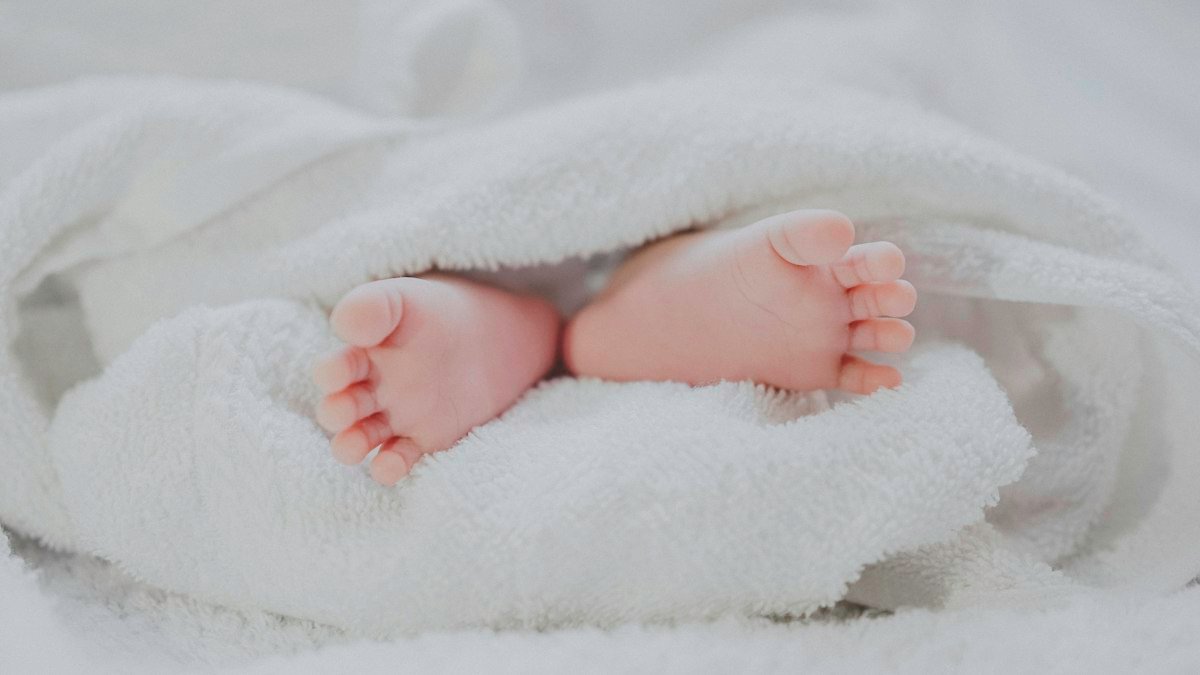
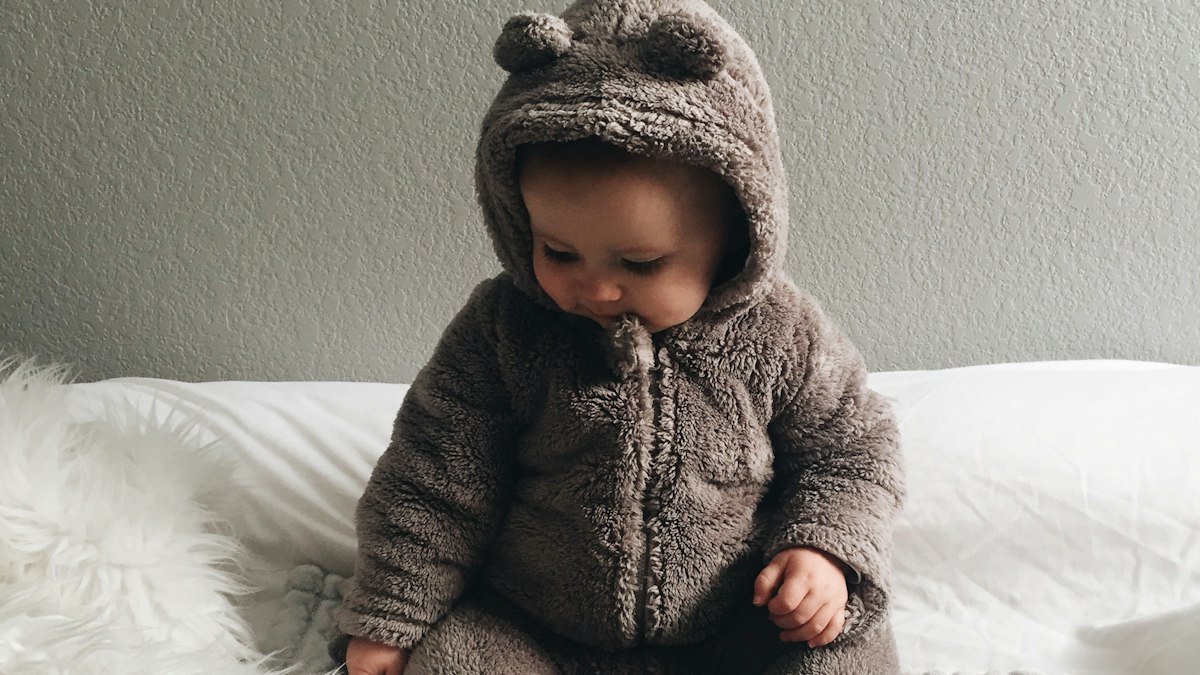
Newborn skin is thinner and more absorbent than adult skin, so what you wash clothes in matters. Paediatric and dermatology guidance points the same way: start gentle, skip added fragrance and dyes, and change only one thing at a time so you can tell what caused a reaction if one appears.
Key takeaways
- The best baby detergent is fragrance-free, dye-free and non-biological, with a short ingredient list you can read.
- Wash all new baby clothes, bedding and towels before the first wear to remove factory finishes and dust.
- Use the dose on the pack: too much detergent leaves residue, and too little leaves clothes unclean.
- For eczema-prone skin, choose a detergent made for sensitive skin and skip fabric softener entirely.
- Stains respond better to a quick cold rinse and a soak than to a hotter wash or a stronger product.
Fragrance-free liquids: the safest starting point
A fragrance-free liquid is the easiest place to begin, because it dissolves fully in the wash and rinses out cleanly at low temperatures. Liquids also let you pre-treat a stain with a drop straight from the bottle, which is handy at three in the morning when a vest has met a full nappy. Look for a label that says fragrance-free rather than unscented, since unscented products can still contain masking fragrances.
Well-known fragrance-free liquids sold in the UK include the sensitive ranges from the big laundry brands, and most supermarkets stock their own fragrance-free baby versions. Check the label for the words fragrance-free, dye-free and dermatologically tested, and be wary of any bottle that lists perfume or parfum among its ingredients.
Best for: newborns and babies with sensitive skin — a fragrance-free, non-biological liquid used at the dose on the pack.
Non-biological powders: the budget workhorse
Powder costs less per wash than liquid, and a non-biological powder is often the cheapest way to keep up with the mountain of washing a baby creates. Powders also keep well on a shelf and come in cardboard boxes, which suits parents trying to cut down on plastic. The trade-off is that powder can leave residue if the wash is very short or the water is cold, so a longer cycle helps it dissolve fully.
Measure powder carefully rather than tipping it in by eye. A heaped scoop in a short cycle is the classic cause of stiff, grey-looking clothes and of the faint white marks you sometimes see on dark baby clothes. If residue appears, run the load again with no detergent at all, and cut the dose back next time.
Best for: families washing daily on a budget — a non-biological powder, measured properly, for sheets, towels and muslins.
Plant-based and eco detergents
Plant-based detergents use cleaning agents derived from coconut, corn or other plant sources instead of petrochemical surfactants, and they usually come fragrance-free or scented only with essential oils. They appeal to parents who want fewer synthetic ingredients near their baby, and many are sold in refillable bottles or concentrated forms that cut packaging.
The honest trade-off is cleaning power. A plant-based wash may need a stain soak or a slightly longer cycle to match a mainstream detergent on dried-on food or nappy stains. That is not a reason to dismiss them, but it is a reason to keep a stain remover on hand and to rinse stained clothes in cold water before they go in the machine.
Best for: parents who want fewer synthetic ingredients and less packaging — a certified plant-based detergent, with a stain soak for the worst marks.
Detergent for eczema-prone skin
If your baby has eczema or frequent rashes, detergent choice becomes part of the care routine rather than a background chore. Dermatology guidance for eczema-prone skin is consistent: use a fragrance-free, dye-free detergent, skip fabric softener and scented dryer sheets, and wash new clothes before they are worn. Softener coats fibres and leaves a residue that can flare sensitive skin, so it has no place in a baby’s wash.
An extra rinse cycle is a simple, free step that helps. It washes out the last traces of detergent from thick items such as towels and sleep suits, which hold more product than a thin vest. If a rash appears after a change of detergent, go back to the previous product and change only one variable at a time.
Best for: babies with eczema or recurring rashes — a fragrance-free sensitive detergent, no softener, and an extra rinse.
Stain removers and soaking
Baby stains are mostly protein: milk, sick, food and nappy contents. Cold water is your friend here, because hot water can set a protein stain into the fabric. Rinse the item under a cold tap as soon as you can, then soak it in cold water with a small amount of detergent before washing as normal.
For dried-on stains, a paste of bicarbonate of soda and water left on the mark for half an hour before washing often lifts what a normal cycle cannot. Oxygen-based stain removers are also useful, and they are gentler on colours than chlorine bleach, which should never be used on baby clothes.
Sunlight is a free and surprisingly effective stain treatment. Hanging white cotton vests and muslins in direct sun fades yellow milk stains and freshens the fabric, and it costs nothing. It works best on whites and pale colours, so keep bright prints out of long sun exposure to protect the colour.
Best for: milk, food and nappy stains — a cold rinse, a soak, and sun for whites, rather than a stronger detergent.
What to avoid on baby clothes
Fabric softener tops the avoid list, for the residue reason above, and scented dryer sheets belong in the same category. Scent boosters and in-wash fragrance beads are also best left on the shelf, because they are designed to leave fragrance in fabric for weeks, which is exactly what sensitive skin does not need.
Strongly scented detergents marketed for babies deserve a second look too. A baby range is not automatically fragrance-free, and some contain the same perfume as the standard version in a softer colour bottle. Read the ingredient list rather than trusting the picture of a sleeping baby on the front.
Finally, avoid washing baby clothes with heavily soiled adult items such as work clothes or sports kit. Baby laundry is cleaner than it looks, and washing it separately keeps it free of the grease, outdoor dirt and strong detergents that adult loads carry.
Best for: any parent reading labels — skip softener, scent boosters and perfumed baby ranges, and wash baby clothes separately.

| Household need | Best type | Watch out for | Best for |
|---|---|---|---|
| Newborn, first months | Fragrance-free non-biological liquid | Hidden perfume in unscented products | Sensitive newborn skin |
| Daily washing on a budget | Non-biological powder | Residue from overdosing | Sheets, towels and muslins |
| Fewer synthetic ingredients | Certified plant-based detergent | Weaker stain removal | Eco-minded parents |
| Eczema-prone skin | Fragrance-free sensitive detergent | Softener and scented sheets | Recurring rashes |
| Heavy stains | Detergent plus cold soak | Hot water setting protein stains | Milk, food and nappy marks |
| Delicate knits | Gentle liquid, low temperature | Harsh cycles shrinking wool | Hand-knitted gifts |
How to wash baby clothes: a quick checklist
Use this list each time you put on a baby wash, and the routine soon becomes automatic.
- Wash every new item before the first wear, including bedding, towels and hand-me-downs.
- Choose a fragrance-free, dye-free, non-biological detergent for the first months.
- Measure the dose on the pack for your load size and water hardness.
- Wash at the temperature on the care label, usually 30 or 40 degrees, and add an extra rinse for thick items.
- Rinse stains in cold water first, then soak before washing as normal.
- Skip fabric softener, scent boosters and dryer sheets entirely.
- Dry clothes fully before folding, and store them in a clean, dry drawer.
If you are sorting the nursery as well, the guide to the best 1-year-old gifts covers presents that suit a baby growing out of the newborn stage, and the roundup of the best water bottles covers a bottle for the changing bag. The guide to the best tea brands covers a calm cup for the evening once the washing is finally done.
Frequently asked questions
What is the best baby detergent in 2027?
A fragrance-free, dye-free, non-biological detergent, in liquid or powder form, is the best baby detergent for most families in 2027. It cleans milk and food marks without leaving fragrance or residue on fabric that sits against a baby’s skin all day. Choose a short ingredient list and a product labelled fragrance-free rather than merely unscented.
Do I need a special detergent for a newborn?
A newborn does not need a detergent sold in a baby-branded bottle, but a gentle one helps. A fragrance-free, non-biological detergent is the standard starting point, because newborn skin is thinner and more reactive than adult skin. If your baby has no skin trouble after a few months, you can try your usual detergent and watch for any reaction.
Should I wash new baby clothes before the first wear?
Yes, always wash new baby clothes, bedding and towels before the first wear. New fabric can carry factory finishes, dyes and dust from storage and transport, and a single wash removes most of it. The same applies to hand-me-downs, which may have been stored for months.
Is fabric softener safe for baby clothes?
No, fabric softener is best avoided on baby clothes. It coats fibres and leaves a residue that can irritate sensitive skin, and it reduces the absorbency of towels and muslins. If clothes feel stiff after washing, the usual cause is too much detergent, so cut the dose back and add an extra rinse instead.
How do I remove milk stains from baby clothes?
Rinse the stain in cold water as soon as you can, then soak the item in cold water with a little detergent before washing as normal. Hot water can set milk stains, so keep the first rinse cold. For white cotton, hanging the item in direct sunlight after washing helps fade any yellow mark that remains.
When can I switch to normal detergent?
Many families switch once the baby is past the newborn stage and has shown no skin sensitivity, often around six months. Change one thing at a time, wash a small load first, and watch the skin for a few days. If a rash appears, go back to the gentle detergent and speak to your GP or health visitor if it persists.
The bottom line
The best baby detergent in 2027 is a fragrance-free, dye-free, non-biological wash with a short ingredient list, used at the right dose and without softener. Wash new clothes before the first wear, rinse stains cold, and keep the routine simple: gentle products, measured doses and an extra rinse for thick items will cover almost every family.
A quick safety note: keep detergent, stain remover and laundry pods stored high and out of reach, ideally in a locked cupboard, and never transfer them into food or drink containers. If your baby develops a rash, swelling or breathing difficulty after contact with a washed item, seek medical advice promptly.