The best Scotch whiskey is the one that matches how you actually drink, and that is the honest starting point for this guide. Scotch whisky, spelled without the “e” in Scotland, is made only in Scotland and aged for at least three years in oak casks, and within that single rule sits an enormous range of flavour — from the soft, honeyed malts of Speyside to the smoky, seaside drams of Islay. So which bottle deserves your money in 2027? A gentle Speyside malt suits a first bottle, a peated Islay malt suits a drinker who wants smoke and salt, and a well-made blend suits almost everyone else.
This guide keeps it simple: no tasting scores, no rare bottles, no unexplained jargon. Each pick is a widely available, well-known name, described in plain terms, with a clear note on who it suits best.
Key takeaways
- Scotch must be made in Scotland and aged at least three years in oak casks.
- Speyside malts are the gentlest starting point: honey, orchard fruit and vanilla.
- Islay malts bring peat smoke, sea salt and medicinal character — bold, and not for everyone.
- Highland malts sit in the middle, often with heather, honey and a little spice.
- A good blended Scotch is the most versatile bottle: smooth, affordable in spirit, and made for mixing as well as sipping.
What makes Scotch whisky Scotch
Three rules do most of the work. Scotch whisky must be distilled and matured in Scotland, it must spend at least three years in oak casks, and it must be made from water and malted barley, with other whole grains allowed in grain whisky. Those rules are set out in the Scotch Whisky Regulations, and they are why the word “Scotch” on a label means something specific rather than being a style any distillery can borrow.
The two words that matter most on a label are “single malt” and “blended”. A single malt comes from one distillery and is made only from malted barley. A blended Scotch combines malt whiskies from several distilleries with grain whisky, and the skill lies in the blending itself. Neither is better by definition: some of the most famous bottles in the world are blends, and some of the most characterful are single malts.
Region matters too, as a guide rather than a guarantee. Speyside, in the north-east, is known for elegant, fruity malts; Islay, off the west coast, for peat smoke; the Highlands for a broad range with honey and spice; the Lowlands for lighter, grassier drams.
Best for: anyone who wants to understand the label before buying — the region and the words “single malt” or “blended” tell you more than the age statement alone.
| Style | Typical character | Best first step | Drink it |
|---|---|---|---|
| Speyside single malt | Honey, apple, vanilla, soft spice | Glenfiddich or Macallan | Neat or with a drop of water |
| Islay single malt | Peat smoke, sea salt, iodine | Lagavulin or Ardbeg | Neat, in a small measure |
| Highland single malt | Heather, honey, citrus, spice | Glenmorangie | Neat or over one cube of ice |
| Blended Scotch | Smooth, balanced, easy-going | Johnnie Walker Black Label | Neat, on ice, or in a highball |
Speyside: the gentlest place to start
Speyside holds more distilleries than any other Scotch region, and its house style is the friendliest in Scotland: orchard fruit, honey, vanilla and a soft, rounded finish. If you have never bought a bottle of Scotch before, start here.
Glenfiddich is the classic Speyside starting point. Distilled in Dufftown, it is one of the best-known single malts in the world, built on fresh fruit, pear and a gentle oak sweetness. It pleases a room full of different tastes, and works just as well neat as with a splash of water.
Best for: a first single malt, a gift for a new whisky drinker, and anyone who likes smooth, fruity flavour without smoke.
Macallan is the richer, more polished side of Speyside. Distilled near Craigellachie, it is famous for maturing much of its whisky in sherry-seasoned oak casks, which gives it dried fruit, spice and a deep amber colour. It is a more serious bottle than Glenfiddich, and it suits a drinker who already knows they like whisky and wants something with more weight.
Best for: a special-occasion bottle, a drinker who loves dried fruit and spice, and anyone moving from blends to single malts.
Islay: smoke, salt and sea air
Islay is the opposite end of the map. The island’s distilleries burn peat to dry their barley, and that peat smoke runs through the whisky — along with sea salt, iodine and a medicinal edge that divides drinkers more than any other style in Scotland. Nobody is neutral about Islay: you will either love it or know, after one glass, that it is not for you.
Lagavulin is the grand, slow version of Islay smoke. Distilled on the island’s south coast, it is deep, rich and intensely smoky, with dried fruit and sea salt underneath the peat. It is a whisky to sip slowly, in a small measure, and it rewards patience more than any other bottle in this guide.
Best for: experienced whisky drinkers, slow evenings, and anyone who already knows they love peat smoke.
Ardbeg is Islay at its boldest. Also from the south coast, it is famously peaty, with a punchy, almost tarry smoke balanced by citrus and a salty tang. Where Lagavulin is deep and brooding, Ardbeg is louder and more direct.
Best for: peat lovers who want intensity, and drinkers who find other Islay malts too polite.
Laphroaig is the third great Islay name, and the most divisive of the three. Its character is medicinal and maritime: iodine, seaweed, smoke and a distinctive oily texture. Fans describe it as an acquired taste worth acquiring. Buy a small measure in a bar before committing to a full bottle.
Best for: the curious drinker who wants to understand what Islay really tastes like, in its most uncompromising form.
Highland malts and the case for a good blend
The Highlands cover a huge part of Scotland, and their whiskies cover a wide range too, but the classic Highland style sits between Speyside softness and Islay smoke: honey, heather, citrus and a touch of spice, with a clean, malty core.
Glenmorangie is the best-known expression of that style. Distilled at Tain in the northern Highlands, it is light, floral and elegant, with vanilla, citrus and a gentle honeyed sweetness. It offends almost nobody and pleases almost everybody, and it makes a fine step from Speyside into the wider world of single malts.
Best for: a light, elegant dram, a summer evening, and drinkers who find Islay too smoky but Speyside too sweet.

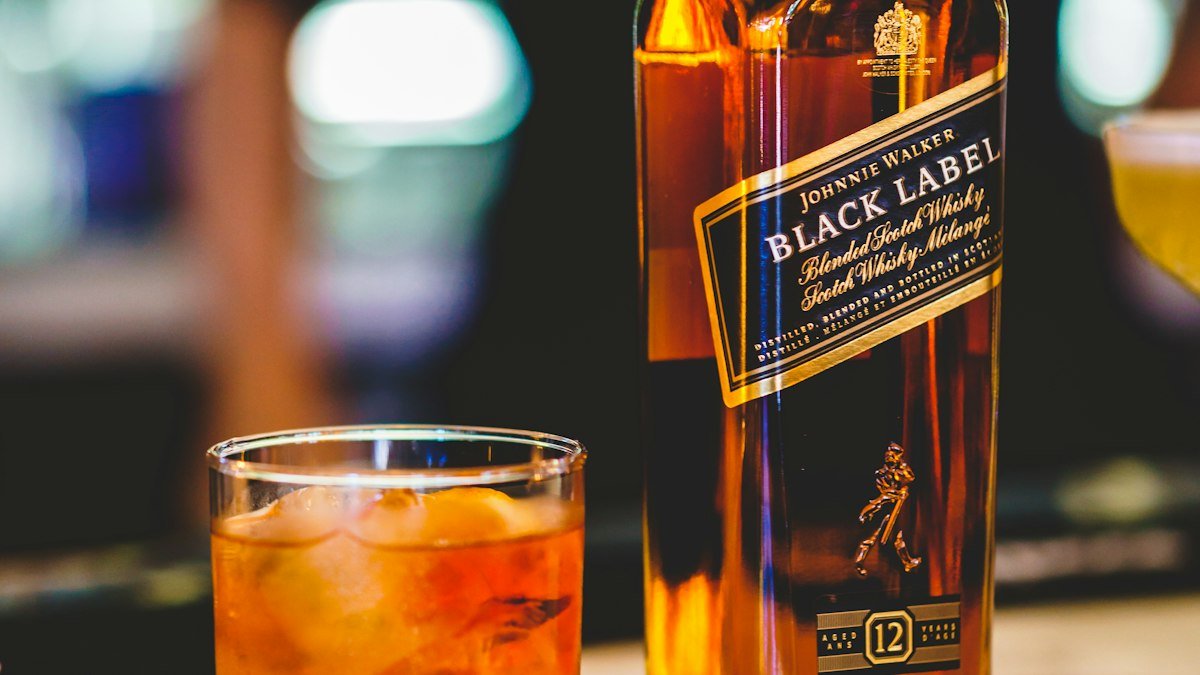
Then there is the blend, and it deserves more respect than it usually gets. A blended Scotch like Johnnie Walker Black Label combines malt and grain whiskies from across Scotland into a smooth, balanced bottle that works neat, on ice and in mixed drinks. The best blends are consistent year after year, and they suit a household where one person sips neat and another wants a highball.
Best for: a versatile house bottle, mixing, and anyone who wants one Scotch that does a bit of everything.
How to drink it: glass, water and ice
None of this needs ceremony, but a few habits help. A tulip-shaped glass, narrower at the top than at the bottom, concentrates the aroma better than a tumbler. A small drop of still water opens up a single malt, softening the alcohol and letting the fruit and spice come forward — add it a few drops at a time.
Ice is a matter of taste, not correctness. A single large cube chills the whisky slowly and dilutes it gently, which suits a warm evening and a bolder dram. Small cubes melt fast and flatten the flavour. If you are trying a new bottle for the first time, taste it neat first, then add water, then try ice — three small experiments from a single measure.
Storage is simple: keep the bottle upright, away from direct sunlight, in a cool place. Unlike wine, whisky stops maturing once it leaves the cask, so a bottle does not improve with age on the shelf — but an opened bottle will keep for months if it is sealed and out of the sun.
Buying checklist: choose your first bottle
Use this short checklist before you buy, and you will avoid the two classic mistakes: buying the smokiest bottle first, and buying a bottle because the box looked impressive.
- Decide how you will drink it: neat, on ice or mixed — blends suit all three, Islay suits neat best.
- If you are new to Scotch, start with Speyside or a blend, not Islay.
- Taste before you buy a full bottle: order one measure in a bar, or attend a tasting.
- Read the label for region and style, not just age — age alone does not tell you the flavour.
- Match the bottle to the occasion: a rich sherry-cask malt for a gift, a versatile blend for the house shelf.
- Keep the bottle upright and out of sunlight once it is home.
If the evening leans towards food and drink rather than a quiet dram, the guide to the best pizza and brew pairings is a useful companion for feeding a group without fuss. For the bigger picture of how a city pairs its food and drink, the guide to the best restaurants in St. Louis shows a classic American food city, while the best restaurants in Sedona guide covers a smaller city with the same landscape-and-table logic.
Frequently asked questions
What is the best Scotch whiskey for a beginner?
A gentle Speyside single malt such as Glenfiddich, or a smooth blend such as Johnnie Walker Black Label. Both are widely available, easy to drink neat or with a drop of water, and they introduce the character of Scotch without the peat smoke that puts many beginners off.
What is the difference between single malt and blended Scotch?
A single malt comes from one distillery and is made only from malted barley. A blended Scotch combines malt whiskies from several distilleries with grain whisky. Both can be excellent; blends are usually smoother and more versatile, while single malts show the character of one place.
Why does Islay whisky taste smoky?
Islay distilleries traditionally dry their malted barley over burning peat, and the smoke infuses the grain. That peat character carries through distillation and maturation, giving Islay malts their signature smoky, maritime flavour.
Should I add water to Scotch?
A few drops of still water can open up a single malt, softening the alcohol and bringing out fruit and spice. It is a matter of taste: try the whisky neat first, then add water a little at a time until it tastes right to you.
How long does an opened bottle of Scotch last?
An opened bottle keeps well for months if it is sealed tightly, stored upright and kept away from sunlight. Whisky stops maturing once it leaves the cask, so it will not improve on the shelf.
What is the best way to serve Scotch to guests?
Offer a choice: a gentle Speyside malt and a blend cover most tastes, with a small measure of an Islay malt for the adventurous. Serve neat with water and ice on the side, so each guest can adjust their own glass.
Conclusion
The best Scotch whiskey for 2027 is the one that fits the drinker, not the one with the grandest reputation. Start with a gentle Speyside malt or a reliable blend, try Islay when you are curious, and let a single measure in a bar decide before a full bottle does.
Please drink responsibly: enjoy Scotch in moderation, never drink and drive, and be aware of the legal drinking age where you live.