A celebration of life is a gathering that honours someone who has died by remembering how they lived, rather than by following the formal structure of a traditional funeral. Family and friends come together to share stories, music, photographs and food, and to spend time with each other in the person’s memory. If you are planning one, the short answer is that there is no single correct way to do it: the best celebrations of life reflect the person they honour.
These gatherings have become more common as families look for a way to mark a death that feels personal rather than formal. Some are held instead of a funeral, some after one, and some weeks or months later. This guide explains what one usually involves, how it differs from a funeral, and how to plan one.
Key takeaways
- A celebration of life honours a person by remembering how they lived, with stories, music and shared memories.
- It is usually less formal than a funeral, and it can be held instead of one or after one.
- There is no fixed format: it can take place at home, in a garden, in a hired hall or at a place the person loved.
- Personal touches matter most — favourite music, photographs, food they enjoyed, and stories from people who knew them.
- Planning works best when one person coordinates, tasks are shared, and guests are told clearly what to expect.
- Children can be included gently, with honest explanations and the choice to take part or step away.
What is a celebration of life?
A celebration of life is a memorial gathering focused on the person’s life, character and the memories they leave behind. It usually includes people speaking about the person, music they loved, photographs or a short film, and time for guests to talk and eat together. The tone is often warmer and less formal than a funeral, though it can still include quiet and sad moments. Grief and laughter often sit side by side at these gatherings, and that is normal.
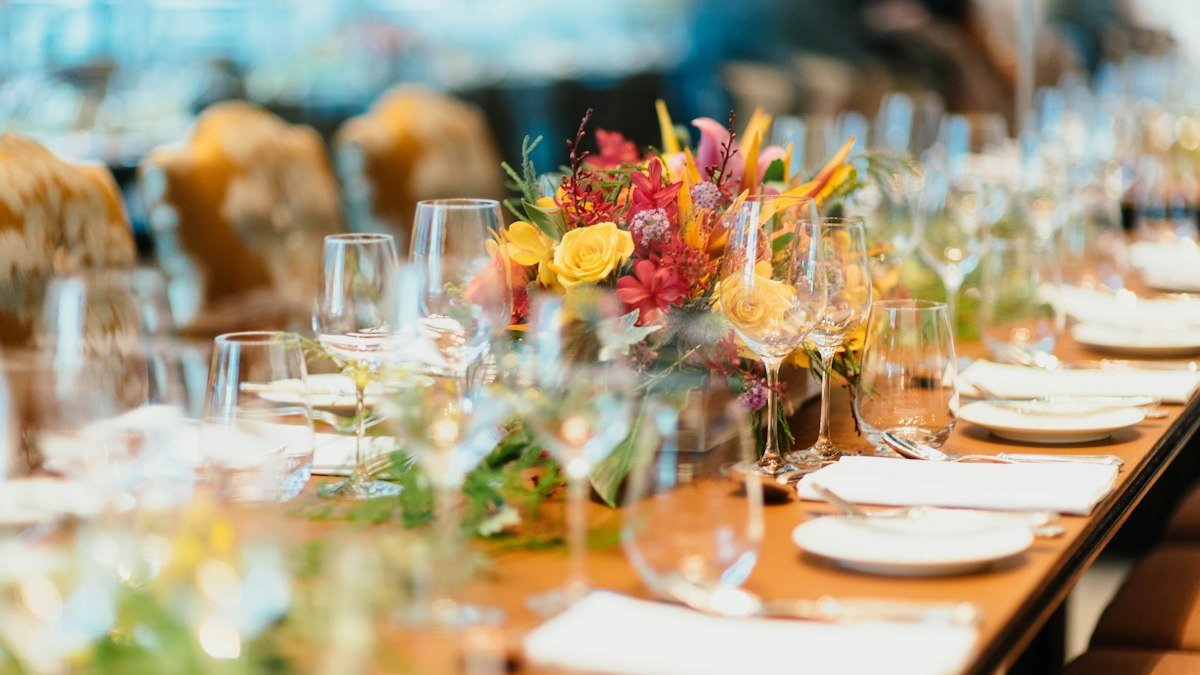
The gathering can take many forms: a home or garden with a table of photographs and a playlist of favourite songs, a hired hall or restaurant room with a short programme of readings, or an outdoor spot such as a beach or park, where the setting itself is part of the tribute.
There is no religious requirement, though faith can be part of it if the person or family wishes: it can include a prayer or a hymn, or be entirely secular. The only real rule is that it should feel true to the person being remembered, and that guests should feel welcome.
Best for: families who want a personal, flexible way to remember someone, rather than a formal service.
How a celebration of life differs from a funeral
A funeral is usually a formal service, often held within days of the death, with a set order of events and, in many cases, the coffin present. A celebration of life is usually more relaxed, and it is often held later, which gives the family more time to plan and gives distant relatives and friends more time to travel.
| Feature | Celebration of life | Traditional funeral |
|---|---|---|
| Tone | Warm, personal, often informal | Formal and structured |
| Timing | Days, weeks or months after the death | Usually within days of the death |
| Setting | Home, garden, hall, favourite place | Church, crematorium or funeral home |
| Programme | Stories, music, photos, shared food | Set order of service, readings, hymns |
| Dress | Often everyday or the person’s favourite colours | Usually dark, formal clothing |
The two are not mutually exclusive. Many families hold a small, private funeral for close family, followed by a larger celebration for a wider circle of friends. What matters is what feels right for the family and what the person themselves would have wanted.
Best for: understanding the choice, so the family can decide with confidence rather than under pressure.
How to plan a celebration of life
Planning begins with a few practical decisions: who is organising it, when and where it will be held, and how many people are likely to come. It helps to have one person coordinating, even if many people contribute: that person keeps the task list, makes the bookings and answers guests’ questions.
Choose a date that gives people time to travel, especially if family live far away. Weekends usually work best. For the venue, think about the person: a keen gardener might be best remembered in a garden, a keen cook at a table full of their favourite food, a music lover in a room with good sound. The place does not need to be grand. It needs to feel like them.
Send invitations early, with clear information: the date, time, place, what will happen, and whether guests are invited to speak, bring a dish or share a photograph. People are more comfortable when they know what to expect. A simple printed card or a clear message is enough. Large family gatherings take the same care, and the guide to family vacation spots shows how bringing scattered relatives together takes planning.
Best for: a calm plan made early, with one coordinator and clear information for guests.
Choosing music, readings and stories
Music is often the heart of a celebration of life. Choose songs the person loved, songs that remind the family of them, or music that fits the mood. A playlist can play quietly in the background, or a friend can perform a song, and live music can make the occasion feel more personal than a recording.
Readings and stories work best when they are short and specific. A favourite poem, a passage from a book the person loved, or a few sentences from a friend often land better than a long speech. Invite a small number of people to speak, and ask them to keep it brief. Stories about the person’s humour, habits and kindnesses are usually the ones guests remember most.
Photographs and objects can carry as much meaning as words. A table of photographs, a display of things the person made or collected, or a short slideshow gives guests something to gather around. Ask family and friends to send photographs in advance, so the display can be prepared without a rush.
Best for: short, specific tributes — one song, one story, one photograph at a time.

Food, drink and the practical details
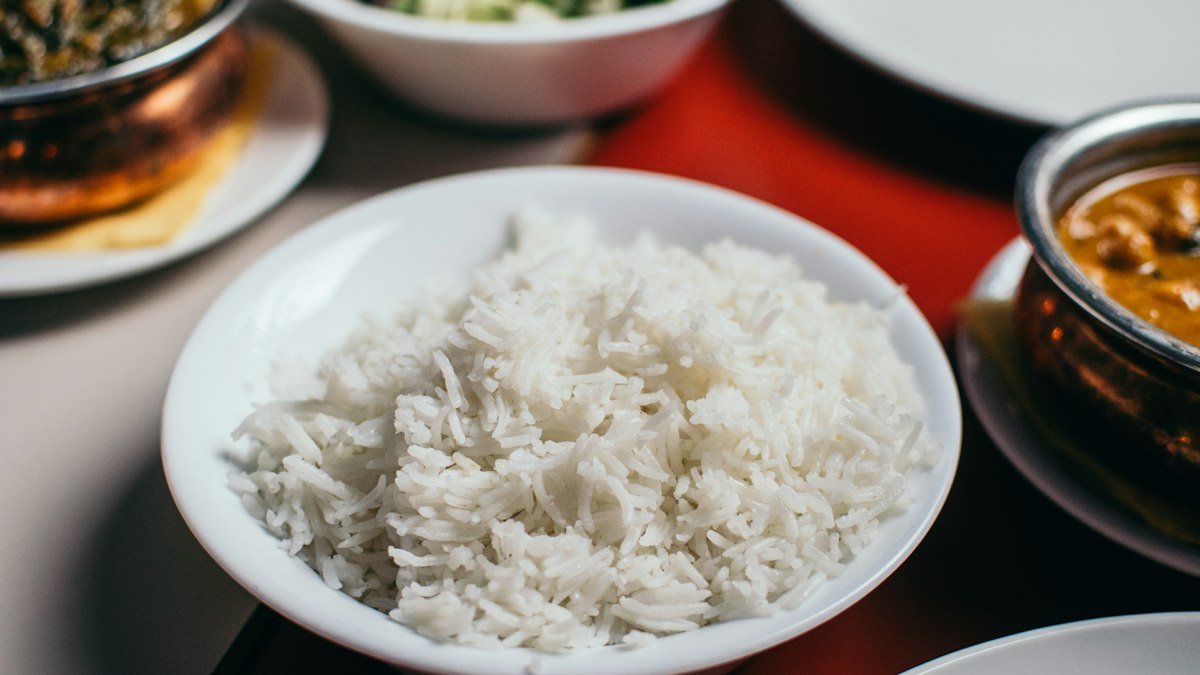
Food matters more at a celebration of life than many people expect. Sharing a meal gives guests something to do with their hands, a reason to stay and talk, and a way to care for each other. Serve food the person enjoyed, or ask family members to bring a dish they associate with them. A potluck table can be a tribute in itself, full of recipes the person cooked or loved.
Keep the practical details simple. Make sure there is seating for older guests, a quiet space for anyone who needs a moment alone, and clear signs or directions if the venue is unfamiliar. If children are coming, set aside a corner with paper and crayons, and let them move around. If the gathering is outdoors, have a backup plan for bad weather.
Costs vary widely, depending on the venue, the catering and the number of guests. A gathering at home with food made by the family costs far less than a hired venue with professional catering. Set a budget early, keep a simple list of what is being spent, and do not feel pressured to make it elaborate. A modest gathering that feels honest is better than an expensive one that feels impersonal. Large gatherings are also a feature of joyful occasions, and the guide to a recent high-profile wedding shows how families organise big events with many guests.
Best for: simple food, comfortable seating, and a quiet corner for anyone who needs one.
Including children and guests from far away
Children can be part of a celebration of life, and many families find that including them helps everyone. Explain in simple, honest terms what has happened and what the gathering is for. Give children a role if they want one, such as choosing a song or drawing a picture for the memory table, and let them step away if they need to. There is no need to hide grief from children, but there is also no need to make them sit through long speeches.
For guests who cannot travel, a video call can help them feel included. A short live stream of the speeches, or a shared online album of photographs and messages, lets distant friends take part. Keep the technology simple, test it in advance, and ask one person to look after it on the day.
It is also worth thinking about what happens after the gathering. Grief does not end when the guests leave, and a small follow-up — a shared meal, a message, a walk — can matter a great deal. If guests might stay overnight, the guide to hotels in Paris is an example of how to help visitors find a place to stay, and the same thinking applies to any city.
Best for: honest words with children, a simple video link for distant guests, and a plan for the days after.
Celebration of life planning checklist
- Choose one coordinator to keep the task list and answer guests’ questions.
- Pick a date that gives people time to travel, and a venue that suited the person.
- Send clear invitations with the date, time, place and what guests can expect.
- Choose music the person loved and invite a few people to share short stories.
- Gather photographs and objects for a memory table or a short slideshow.
- Plan simple food, seating for older guests, and a quiet space for anyone who needs one.
- Include children gently, with honest explanations and the freedom to step away.
- Arrange a simple video link or recording for guests who cannot attend in person.
Frequently asked questions
What happens at a celebration of life?
Family and friends gather to remember the person through stories, music, photographs and shared food. There is no fixed format: some include short speeches and a playlist of favourite songs, others are simply a meal together with a table of photographs.
Is a celebration of life the same as a funeral?
No. A funeral is usually a formal service held within days of the death, often with the coffin present. A celebration of life is usually less formal, often held later, and focused on remembering how the person lived. Many families hold both: a small funeral followed by a larger celebration.
When should a celebration of life be held?
There is no fixed time. Some are held within days, others weeks or months later, when the family has had time to plan and distant relatives can travel.
What should I wear to a celebration of life?
The invitation usually gives guidance. Everyday clothing is often appropriate, and some families ask guests to wear the person’s favourite colour rather than black. If it says nothing, smart everyday clothes are a safe choice.
Should children attend a celebration of life?
That is a family decision. Children can attend, and many families find it helps. Explain what will happen in simple, honest terms, give them a small role if they want one, and let them step away when they need to. There is no need to make them sit through long speeches.
How much does a celebration of life cost?
Costs vary widely with the venue, the catering and the number of guests. A gathering at home with food made by the family costs far less than a hired venue with professional catering. Set a budget early: a modest gathering can be just as meaningful as an elaborate one.