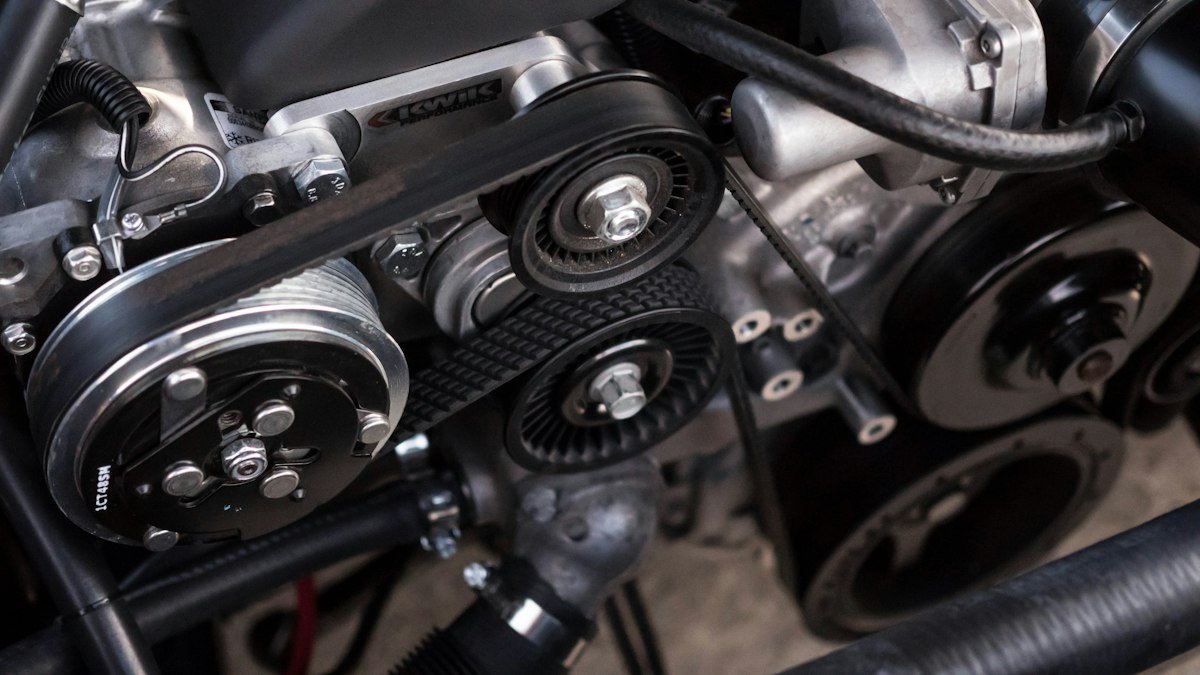
A car A/C fix is often simpler than it looks: in many cases the problem is a wrong setting, a blocked vent or a dirty cabin filter, and not a broken part at all. The question drivers ask first — why is my car air conditioning not blowing cold? — usually has one of a handful of answers, and this guide works through them in order, from the checks you can do in the driveway to the faults that need a qualified technician.
Car air conditioning cools the air by circulating refrigerant through a sealed system, and that system loses a small amount of refrigerant naturally over time. When the cooling fades, the cause may be low refrigerant, a worn drive belt, a blocked condenser or a simple electrical fault.
Key takeaways
- Check the settings first: A/C on, recirculation off for fresh air, temperature at its lowest, fan on a middle speed.
- Warm air with a running compressor often points to low refrigerant or a blocked condenser.
- Weak airflow usually means blocked vents, a dirty cabin filter or a failing blower fan.
- Musty smells often come from moisture and bacteria in the evaporator, not from the refrigerant.
- Refrigerant handling and re-gassing should always be left to a qualified technician.
How car air conditioning works
A car air conditioning system moves heat out of the cabin rather than blowing cold air in. Refrigerant circulates through a sealed loop: the compressor squeezes it into a hot, high-pressure gas, the condenser at the front of the car sheds that heat, and the refrigerant then cools sharply as it expands through a valve. The cold refrigerant passes through the evaporator behind the dashboard, and the blower fan pushes cabin air across it, cooling the air that reaches the vents.
Knowing this much helps you diagnose problems sensibly. If the air is cool but weak, the fault is probably in the airflow. If the air is strong but warm, the fault is probably in the cooling itself.
Best for: understanding the diagnosis steps below — airflow problems and cooling problems have different causes.
First checks you can do in minutes
Before assuming anything is broken, run through the basic checks. They take a few minutes, need no tools, and solve a surprising number of complaints. Start the engine, switch the A/C on, set the temperature to its lowest setting and the fan to a middle speed, and give the system a minute or two to settle.
| Symptom | Likely cause | What to check |
|---|---|---|
| No cold air at all | A/C switched off or wrong mode | A/C button on, temperature at lowest, fan running |
| Air cool but weak | Blocked vents or dirty cabin filter | Vents open, cabin filter condition |
| Air cold, then warm | Low refrigerant or icing evaporator | Whether the compressor cycles on and off |
| Warm air at idle, cold when driving | Poor airflow over the condenser | Condenser clear of leaves and dirt, cooling fan running |
| Musty smell | Moisture and bacteria in the evaporator | Run the fan with A/C off for a few minutes |
Listen as well as feel. When the A/C is switched on, the engine note usually changes slightly and a click from the compressor clutch can often be heard. If nothing changes at all, the compressor may not be engaging, which points to an electrical fault, a failed clutch or a system that has shut down because the refrigerant is too low. Note what you find: a technician will ask exactly these questions.
Best for: every driver — these checks cost nothing and rule out the simplest causes first.
Warm air: the most common causes
Warm air from the vents is the most common air conditioning complaint, and low refrigerant is the most common cause. Refrigerant escapes slowly through seals and joints over the years, and once the level falls far enough, the system cannot cool the air properly. A re-gas restores the level, but a good technician will also check for leaks first, since topping up a leaking system is only a short-term fix.
A blocked condenser is another frequent cause. The condenser sits at the front of the car, behind the grille, and it needs clear airflow to shed heat. Leaves, insects, road dirt and bent fins all reduce its efficiency, and the effect shows up most on hot days and in slow traffic. Look through the grille for debris and bent fins, and clean the area gently with water. Never use a pressure washer on the condenser, as the force can bend the fins.
The drive belt matters too. On many cars the compressor is driven by the same belt as other accessories, and a worn, loose or slipping belt can stop the compressor from working properly. A squealing noise when the A/C is switched on often points to the belt.
Best for: drivers whose A/C has faded gradually over months — slow loss of cooling usually means low refrigerant or a dirty condenser.
Weak airflow from the vents
When the air is cold but barely moves, the problem is usually on the air side rather than the cooling side. The cabin filter, also called the pollen filter, is the first suspect. It sits in the air intake and traps dust and pollen, and when it clogs, the airflow drops sharply. On many cars the filter is behind the glovebox and can be removed and inspected without tools. A grey, matted filter should be replaced.
Blocked or closed vents are another simple cause. Check that all the vents are open and aimed into the cabin, and that nothing is sitting on the dashboard blocking the windscreen vents. Floor mats, bags and clutter on the dashboard can all redirect or block airflow more than you would expect.
If the fan itself is the problem, you will usually hear it. A blower fan that only works on the highest speed, that rattles, or that stops and starts often has a worn motor or a failing resistor.
Best for: drivers who can feel cold air but cannot feel much of it — start with the cabin filter.
Strange smells and noises
A musty smell when the A/C first starts is usually caused by moisture sitting on the evaporator. The evaporator is cold and damp by design, and bacteria can grow on its surface, especially if the system is switched off suddenly after a long run. Running the fan for a few minutes with the A/C off before you park lets the evaporator dry out, which reduces the smell over time.
Noises give useful clues too. A clicking sound when the A/C starts often means the compressor clutch is engaging and disengaging repeatedly, which can point to low refrigerant.
Best for: drivers who have noticed a new smell or noise — describe it precisely to the technician, since the sound is often the diagnosis.

When the A/C stops completely
If the air conditioning does nothing at all — no cold air, no change in engine note, no fan response — work through the simple possibilities first. Check the fuses for the A/C and blower circuits, using the fuse box diagram in the handbook. A blown fuse is cheap to replace, but if it blows again, there is a fault that needs finding.
Some systems shut themselves down when the refrigerant falls below a safe level, to protect the compressor from damage. This is by design, and it means a system that has stopped entirely may simply need a leak check and a re-gas rather than a new compressor.
Electrical faults beyond a fuse, such as a failed relay, a broken wire or a faulty pressure switch, are workshop jobs. The same applies to a compressor that has seized or a clutch that will not engage. These are not faults to fix by guesswork: the system runs under high pressure, and opening it without the right equipment is dangerous.
Long drives in hot weather are when a working A/C matters most, and the guide to the best hotels in Key West is worth reading before a summer road trip to Florida. For a desert drive, the round-up of the best restaurants in Sedona is a useful stop-off list, and the guide to the best restaurants in St Augustine covers another warm-weather destination where cool air is welcome.
Best for: drivers whose A/C has stopped entirely — check the fuse, then book a diagnostic check rather than guessing.
When to see a technician
See a qualified technician when the simple checks have not solved the problem, when the system needs re-gassing, or when you suspect a leak, an electrical fault or a failed compressor. A proper diagnostic check measures the refrigerant level and the system pressures, and it will find leaks that topping up alone would miss.
Ask the technician to explain what they find before agreeing to work. A re-gas on its own is a routine job, but if the system has a leak, the repair should come first. A good workshop will show you the pressure readings and explain whether the fault is a seal, a hose, the condenser or the compressor itself.
Best for: any fault involving refrigerant, pressure or electrics — these are workshop jobs, not driveway jobs.
Car A/C diagnosis checklist
- Switch the A/C on, set the temperature to its lowest and the fan to a middle speed.
- Check that all vents are open and aimed into the cabin.
- Inspect the cabin filter and replace it if it is grey and matted.
- Look through the grille for leaves and dirt blocking the condenser.
- Listen for the compressor clutch clicking in when the A/C starts.
- Note whether the air is warm, weak, smelly or absent, and when it happens.
- Book a technician for re-gassing, leak checks and electrical faults.
Frequently asked questions
Why is my car A/C blowing warm air?
The most common causes are low refrigerant, a blocked condenser or a worn drive belt. Check the settings and the condenser first, then have a technician measure the refrigerant level and check for leaks.
Why is my car A/C airflow so weak?
Weak airflow usually means a clogged cabin filter, closed vents or a failing blower fan. The cabin filter is the easiest check and can be inspected behind the glovebox on many cars.
How often should car air conditioning be re-gassed?
There is no fixed interval. A healthy system can go years without a re-gas, since refrigerant is only lost slowly through seals. If cooling fades noticeably, have the level checked and ask about leaks, since a system that needs frequent re-gassing almost always has one.
Why does my car A/C smell musty?
Musty smells usually come from moisture and bacteria on the evaporator. Running the fan with the A/C off for a few minutes before parking helps the evaporator dry out and reduces the smell over time.
Can I fix car air conditioning myself?
You can safely do the simple checks: settings, vents, cabin filter and a visual look at the condenser and belt. Anything involving refrigerant, pressure or electrics should be left to a qualified technician.
Safety note: car air conditioning systems run under high pressure, and refrigerant can cause serious injury if it escapes, including frostbite and eye damage. Never open the system, disconnect a hose or try to vent refrigerant yourself. Refrigerant handling and re-gassing should always be left to a qualified technician with the right equipment. If you suspect a leak, keep the system switched off and book a workshop visit.