What if the coldest, quietest month of the year were actually the smartest time to travel? January splits the world in two. North of the equator, cities empty out, ski slopes fill up, and hotel rates finally drop. South of it, summer is in full swing, with long beach days and festival season. The result is a month where you can choose your weather almost like a menu.
Below is a shortlist of specific, named destinations, each matched to who it suits, what it does well, and the one drawback to plan around. Prices and conditions change, so always confirm details on official booking pages before you commit.
January destinations at a glance
| Destination | Best for | January weather | Main drawback |
|---|---|---|---|
| Sydney, Australia | Festivals, beaches, harbour life | Warm summer days and nights | Peak-season prices |
| Cape Town, South Africa | Beaches plus wildlife safaris | Sunny summer, little rain | Crowded hotspots |
| Kyoto, Japan | Temples and culture without crowds | Mild winter light | Cold mornings |
| Reykjavik, Iceland | Northern lights and geothermal pools | Cold, dramatic winter | Short daylight hours |
| Vietnam | Beaches and outdoor adventure | Around 31°C highs in the south | Regional weather varies |
| Sri Lanka | Tea country and cultural sites | Dry in much of the country | Rain in the northeast |
| Seychelles | Tropical beaches and snorkelling | Warm, brief afternoon showers | Rainy-season showers |
| Barbados | A relaxed Caribbean beach break | Dry, settled weather | High-season rates |
| Okinawa, Japan | Early cherry blossom and quiet islands | Pleasantly warm | Unpredictable bloom timing |
Sydney, Australia
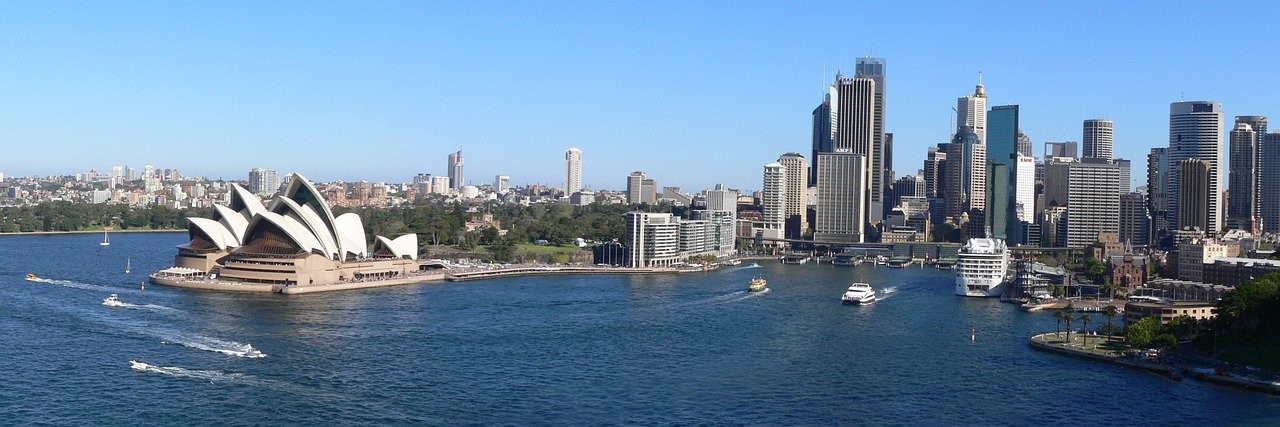
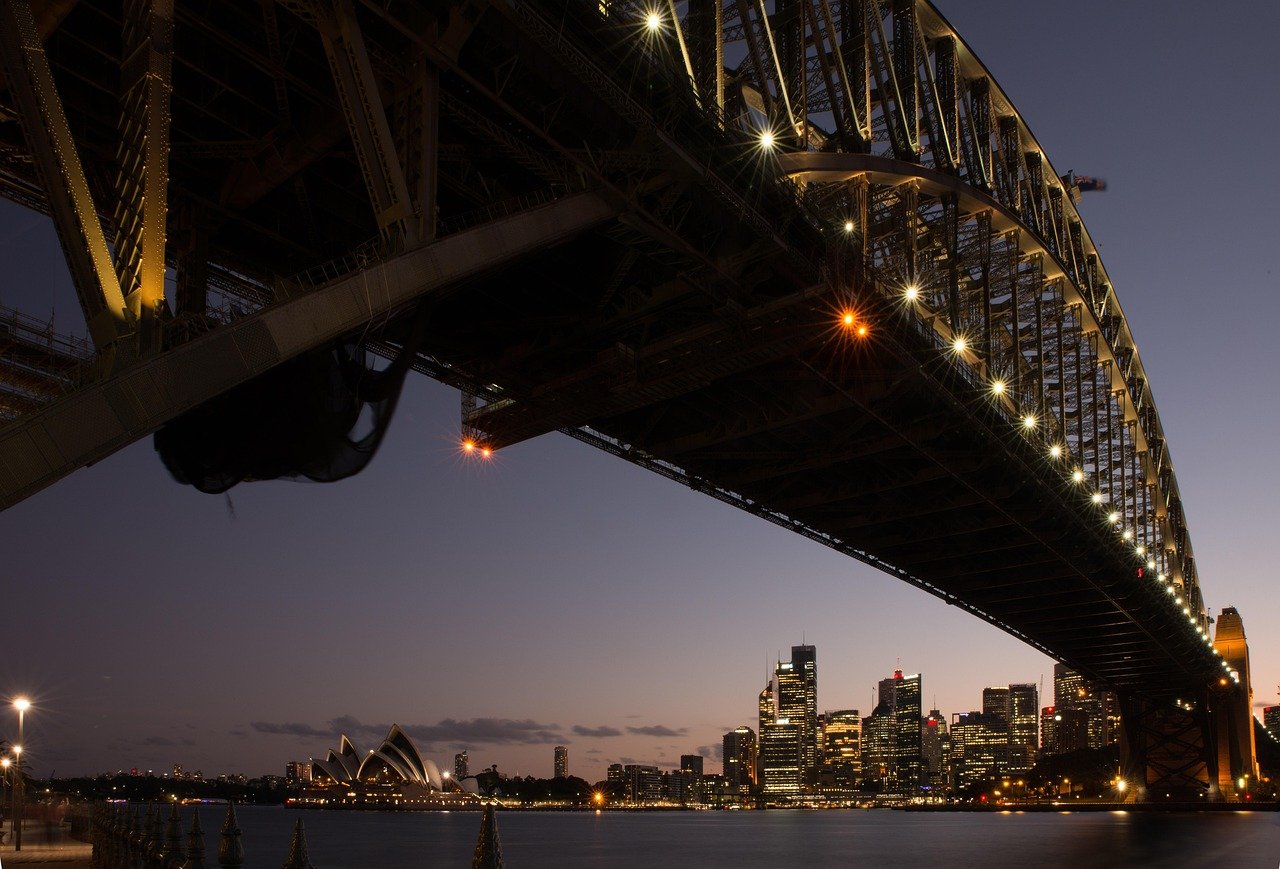
Sydney suits travellers who want a city break and a beach holiday in the same trip. January is the heart of the Australian summer, and the harbour becomes the stage for sails, ferries, and long outdoor evenings. The city also hosts the Sydney Festival, so there is culture alongside the coastline.
What it does well: warm nights make evening strolls after sun-soaked days genuinely pleasant, and the beaches are at their best. The Great Barrier Reef sits further north, but the warm weather encourages snorkelling and diving across Queensland, and inland areas open up for hiking and national park exploring.
The limitation: everyone knows this. January is peak season, so flights and accommodation cost more, and popular beaches get busy. Book early and expect to pay a premium.
Cape Town, South Africa
Cape Town is the pick for travellers who want a beach morning and a mountain afternoon. January falls in the South African summer, with sunny days and minimal rainfall, which makes it ideal for outdoor activity. Table Mountain hiking, coastal drives, and the Garden Route all work well.
What it does well: the city pairs beautiful beaches for swimming and sunbathing with easy access to wildlife. Safari destinations such as Kruger National Park are busy but rewarding, with strong chances of seeing the Big Five.
The limitation: like Sydney, this is high season, and the most famous viewpoints and beaches draw crowds. Plan hikes early in the day and reserve accommodation well ahead.
Kyoto, Japan
Kyoto suits travellers who care more about atmosphere than temperature. Mild winter light gives temples a soft glow, and January is when the crowds thin out, making gardens and tea houses far easier to tour at a calm pace. It is a different city from the cherry-blossom version you see on postcards, and many regular visitors prefer it that way.
What it does well: culture. Private tea ceremonies, quiet temple gardens, and traditional neighbourhoods are all more enjoyable without summer queues. If you want snow as well, Japan’s northern mountains offer pristine powder and world-class skiing, with ryokan stays and hot spring soaks to finish the day.
The limitation: it is genuinely cold, and some gardens look sparse in winter. Pack layers and plan indoor stops between outdoor ones.
Reykjavik, Iceland
Reykjavik is for travellers chasing the northern lights, geothermal pools, and a dramatic winter landscape. The capital works as a base for the Golden Circle, south coast waterfalls, and glacier hikes.
What it does well: the combination of Arctic scenery and hot water is hard to beat anywhere else. Geothermal pools steam in the cold air, and the dark skies give prime northern lights viewing.
The limitation: daylight. January days are short, so you have a narrow window for sightseeing, and weather can cancel tours at short notice. Build in a spare day and check road and tour conditions daily.
Vietnam
Vietnam suits anyone who wants a warm burst of life in the middle of a northern winter. Winter in Vietnam is not a typical winter: roadside stalls overflow with produce, Halong Bay’s limestone cliffs rise out of the water, and rice fields stretch to the horizon.
What it does well: beaches and outdoor adventure at a low cost relative to many Western destinations. Temperatures in the south sit around 31°C (88°F) by day and 23°C (73°F) at night, which is comfortable rather than punishing.
The limitation: the country is long, and January weather is not uniform. The north can be cool and damp while the south is hot, so plan a route that matches the climate you actually want.
Sri Lanka
Sri Lanka rewards travellers who want variety in a compact space. A well-planned trip can cover the Cultural Triangle’s archaeological ruins and cave temples, the historic capitals of Anuradhapura and Kandy, Yala National Park’s leopards, the Indian Ocean beaches, and the Galle Fort.
What it does well: depth. Tea plantations, cinnamon farms, cooking classes, mask-carving workshops, and hikes along the Tea Trail let you interact with local life rather than just photograph it. January is dry across much of the island, including the popular south coast.
The limitation: the northeast coast has its own monsoon pattern, so beach plans there need checking. Distances are short on paper but slow on the road, so avoid overpacking the itinerary.
Seychelles
The Seychelles suits couples and beach-first travellers who want tropical warmth without extreme heat. It is one of the warmest places to visit in January, and while it is technically the rainy season, showers usually amount to little more than a few afternoon downpours.
What it does well: less-crowded beaches, clear water for snorkelling, and easy island-hopping by boat. The UNESCO-listed Vallée de Mai is a standout, home to the rare coco de mer palm, whose fruit can weigh up to 30kg.
The limitation: it is an expensive destination, and the rain risk is real even if usually brief. Keep plans flexible and treat showers as a reason for a long lunch.
Barbados
Barbados is the straightforward Caribbean beach break. January is one of the best times to visit the region: the hurricane season has long subsided, and the weather settles into dry, reliable sunshine.
What it does well: simplicity. St Lawrence Gap and the west coast deliver chilled-out beaches, calm swimming, and an easy rhythm. It is a good choice for families, first-time Caribbean visitors, and anyone who wants a holiday with minimal planning.
The limitation: January is high season, so rates peak and the best villas go early. If you are on a budget, consider the shoulder weeks at either end of the month.
Okinawa, Japan
Okinawa suits travellers who want warmth without a long-haul flight from East Asia, and who prefer a gentler pace. This string of 160 islands is pleasantly warm in January, and with luck you may catch the very first cherry blossoms of the season.
What it does well: quiet. Beaches are uncrowded, the sea is calm, and island-hopping feels unhurried. It is a strong option for repeat visitors to Japan who have already done Tokyo and Kyoto.
The limitation: the early blossom is a bonus, not a guarantee, and some beach facilities run reduced hours in winter. Check opening times before building a plan around specific spots.
Auckland, New Zealand
Auckland fits travellers who want a mild summer city with nature on the doorstep. January brings mild summer weather, and the region’s harbours, vineyards, and coastal trails make for relaxed outdoor exploring.
The limitation: it is a long way from most of the world, which makes it a trip to combine with the rest of New Zealand rather than a quick escape.
How to choose
Work through these steps in order, and the shortlist usually shrinks fast.
- Decide what weather you want. For heat, look south of the equator: Sydney, Cape Town, Barbados, the Seychelles. For winter atmosphere, look north: Iceland, Japan, Vietnam’s north.
- Match the trip to your tolerance for crowds. January is high season in the southern hemisphere and the Caribbean, so beach destinations cost more and fill earlier.
- Check the regional weather pattern, and don’t rely on the country’s overall weather. Vietnam and Sri Lanka both have sharply different conditions between coasts and regions.
- Budget for peak pricing where it applies. If January is high season, book flights and rooms as early as you can.
- Keep one flexible day. Winter storms in Iceland and tropical showers in the Seychelles can both interrupt a tight schedule.
If you are also thinking about how the calendar affects mood and momentum at the start of the year, the symbolism of a January zodiac sign is a fun side read while you plan.
Conclusion
January is not one travel season; it is two running at once. The southern hemisphere offers summer at full strength, from Sydney’s festival calendar to Cape Town’s beaches and Barbados’s dry, settled coast. The northern hemisphere offers the opposite pleasure: empty temples in Kyoto, dark skies and hot pools in Iceland, and a warm, vivid Vietnam that feels nothing like winter.
The destination matters less than the match. Pick the weather you want, accept the trade-off that comes with it, whether that is peak prices in the south or short daylight in the north, and book early where January is high season. Do that, and the quietest month of the year becomes the best one.
Frequently asked questions
What are the best warm places to visit in January?
Sydney, Cape Town, Barbados, the Seychelles, and southern Vietnam all offer warm weather in January. Sydney and Cape Town are in the middle of summer, Barbados is dry and settled, and the Seychelles is warm with brief afternoon showers. Vietnam’s south sits around 31°C (88°F) by day.
Where can I see the northern lights in January?
Reykjavik is a strong base, with dark skies and geothermal pools to warm up in after a night of aurora watching. Keep a spare day in your plan, because cloud cover and weather can cancel tours at short notice.
Is January a good time to visit Japan?
Yes, for two different reasons. Kyoto is quiet and mild, with thin crowds at temples and tea houses, while Japan’s northern mountains offer excellent powder snow and ryokan stays. Okinawa, in the south, is pleasantly warm and may even show the season’s first cherry blossoms.
Is January a good time for a safari in South Africa?
It is. January is summer in South Africa, with sunny days and minimal rainfall, and safari areas such as Kruger National Park are busy but offer good chances of seeing the Big Five. Book accommodation early, since this is peak season.
Is January rainy season in the Seychelles?
Technically yes, but the rain usually comes as short afternoon showers rather than all-day downpours. That makes January an idyllic time to enjoy quieter beaches, snorkelling, and island-hopping, as long as you keep plans flexible.
Should I book January travel early?
Book early wherever January is high season, which includes Australia, South Africa, the Caribbean, and the Seychelles. Flights and the best rooms fill months ahead, and prices peak around the New Year period in particular.
Keep Planning Your Trip
Planning around the seasons? See the best places to travel in February 2026, browse the best places to visit in 2026, or plan further ahead with the best places to visit in New Zealand.