Acting awards are formal honors that celebrate top performances in film, television, and theater. Led by the Academy Awards (Oscars), Primetime Emmy Awards, and Tony Awards, these trophies recognize artistic skill and boost a performer’s career. Furthermore, they help audiences discover standout stories every year.
While viewers often watch for red-carpet fashion and acceptance speeches, the real impact happens behind the scenes. Winning or even earning a nomination can completely transform an actor’s career. As a result, honored performers gain higher pay, stronger box-office appeal, and funding for smaller projects.
What Are Acting Awards and Why Do They Matter?

Sharing a laugh onstage as the cast of A Complete Unknown introduces their film at the 2025 SAG Awards.
At their core, acting awards judge how well a performer brings a written character to life. Unlike sports, acting has no scoreboard. Instead, industry peers, entertainment journalists, and film critics vote on the best work.
Beyond the shiny trophy, major acting awards shape the entertainment business in several practical ways:
-
Career Growth and Leverage: First, a major win puts an actor at the top of casting lists. This momentum leads to better roles and greater creative control.
-
Project Financing: Similarly, studios and independent producers use award-winning talent to attract investors and secure distribution deals.
-
Audience Discovery: In addition, recognition from respected voters shines a light on small dramas and international films that lack huge ad budgets.
-
Cultural History: Finally, award records create a timeline of changing acting styles and memorable roles across generations.
The Big Four: EGOT and the Major Entertainment Awards
In the United States, the highest level of entertainment success is known as the EGOT. This acronym stands for the four major annual awards: the Emmy, Grammy, Oscar, and Tony. While the Grammys focus on music, the other three represent the top honors for screen and stage acting.
For aspiring performers, working with an acting agency and finding the right talent agent can also help open doors to professional opportunities in film, television, and theater.
The Academy Awards (The Oscars)
The Academy of Motion Picture Arts and Sciences (AMPAS) presents the Oscars each year. Globally, these are the most famous awards in cinema. The acting categories focus strictly on feature films released during the qualifying calendar year.
The Primetime Emmy Awards
The Television Academy runs the Primetime Emmys to celebrate top American prime-time TV shows. Because television covers many formats, the Emmys split acting honors into three main groups: Drama Series, Comedy Series, and Limited or Anthology Series.
The Tony Awards
The American Theatre Wing and The Broadway League present the Tony Awards each spring. These honors celebrate live performances in eligible Broadway shows. Specifically, voters separate acting categories into plays and musicals.
Guild and Critic-Driven Awards
Alongside the Big Four, several other ceremonies carry major influence during awards season:
-
The Actor Awards (formerly SAG Awards): Working members of SAG-AFTRA vote on these honors. Because actors form the largest group in the film Academy, winning here often predicts Oscar success.
-
The BAFTA Film and Television Awards: The British Academy of Film and Television Arts hosts this ceremony to honor top British and international screen work.
-
The Golden Globe Awards: An international group of entertainment journalists votes on the Globes. Uniquely, they split film acting categories into Drama and Musical or Comedy.
-
Critics’ Choice Awards: The Critics Choice Association selects these winners based on votes from North American film and television critics.
Comparison of Major Acting Award Ceremonies

Four unforgettable performances honored on Hollywood’s biggest night at the 89th Academy Awards.
Comparing the leading ceremonies helps explain why an actor might win at one show and lose at another.
| Award Ceremony | Primary Medium | Voting Body | Key Feature |
| Academy Awards (Oscars) | Feature Film | Film Academy members (actors nominate; all members vote on winners) | Highest global prestige in cinema; four main acting categories |
| Primetime Emmy Awards | Television & Streaming | Television Academy members (Performers Peer Group) | Splits acting by Drama, Comedy, and Limited Series, plus Guest roles |
| Tony Awards | Live Theater (Broadway) | ~800 theater professionals, journalists, and guild members | Separates acting into Plays and Musicals |
| SAG-AFTRA Actor Awards | Film & Television | Over 100,000 working union actors | Peer-only voting; includes an award for Outstanding Ensemble Cast |
| BAFTA Film Awards | Feature Film | British Academy members | Highlights British talent alongside global cinema |
| Golden Globe Awards | Film & Television | International entertainment journalists | Divides film acting into Drama vs. Musical or Comedy |
Common Acting Award Categories Explained
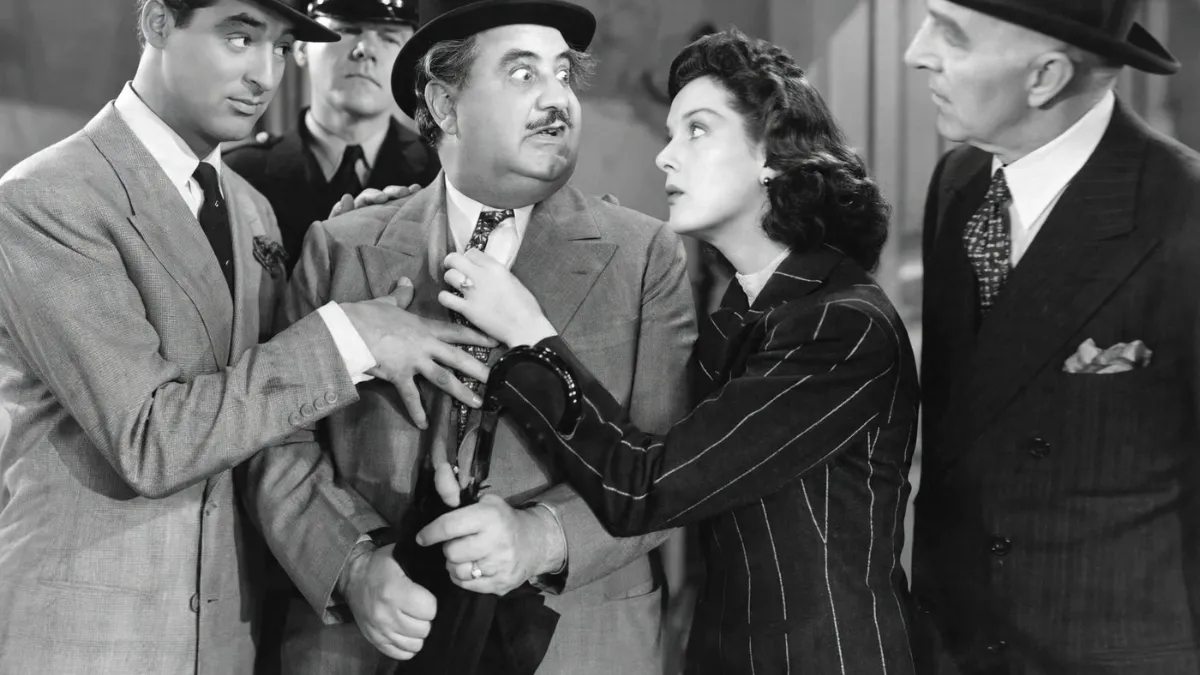
Most major ceremonies organize acting awards by role size and gender. However, the exact category names vary depending on the medium. These distinctions have evolved throughout cinema history, with 1940s film stars helping shape the acting traditions and performances that influenced later generations.
Lead vs. Supporting Roles
-
Leading Actor / Actress: This category honors the main star who drives the story forward. Lead characters usually have the most screen or stage time.
-
Supporting Actor / Actress: Conversely, this category recognizes key secondary roles that shape the main character’s journey. In Broadway theater, the Tony Awards call these roles Featured Actor and Featured Actress.
Specialized Television Categories
Because TV shows tell stories over many episodes, television awards include extra categories:
-
Guest Actor / Actress: This award honors performers who appear in less than half of a season’s episodes yet leave a strong mark.
-
Limited Series or TV Movie Acting: Meanwhile, this category covers self-contained stories that finish within a single season.
Ensemble and Cast Awards
Unlike the Oscars, which only reward solo performers, the SAG-AFTRA Actor Awards and Critics’ Choice Awards give out Best Ensemble trophies. Therefore, these prizes celebrate the teamwork and chemistry of an entire cast.
How Acting Award Voting Works

A triumphant moment on Oscar night as Cillian Murphy raises his Best Actor trophy for Oppenheimer.
Many fans assume a small committee picks the winners behind closed doors. In reality, major academies use a clear, multi-step voting system to reflect broad industry support.
1. Eligibility and Submission
First, studios, networks, or producers submit eligible performances before strict deadlines. During this step, campaign teams decide whether to enter an actor in the Lead or Supporting race. This strategic choice often affects a performer’s odds of winning.
2. Peer-Group Nominations
Next, actors nominate actors in most major academies, including the Oscars and Emmys. Only members of the acting branch vote to pick the final five or six nominees. As a result, fellow performers judge technical skills like pacing, emotion, and physical transformation.
3. Final Winner Balloting
Finally, voting opens to all eligible members of the organization once nominees go public. For example, directors, writers, and editors all cast ballots for the final Oscar winners. During this process, talent representatives and agents for actresses can also play an important role in guiding performers through their careers and awards campaigns. In most cases, the nominee with the most votes takes home the trophy.
What Voters Look for in a Winning Performance
Although taste is personal, decades of award history show clear patterns in what voters reward:
-
Emotional Range: Roles that ask an actor to show deep grief, inner conflict, or personal growth often stand out.
-
Physical and Vocal Skill: Moreover, learning a tough accent, mastering a new skill, or playing a real historical figure proves clear dedication.
-
Scene Chemistry: Great acting also depends on listening and reacting. Consequently, voters notice performers who elevate their scene partners.
-
Career Momentum: Finally, industry goodwill plays a big role. Voters often rally behind a respected veteran who has never won, or an exciting newcomer with a breakout role.
Frequently Asked Questions
What is the most prestigious acting award in the world?
For movies, the Academy Award (Oscar) stands as the highest honor. Meanwhile, the Primetime Emmy Award leads television, and the Tony Award (alongside London’s Olivier Award) leads live theater.
What is the difference between a Lead and Supporting acting nomination?
A Lead nomination honors the central character who drives the main plot. In contrast, a Supporting nomination recognizes secondary characters who help or challenge the lead. However, studios choose which category to enter, which sometimes sparks debate over strategic placement.
Who votes for the Oscars acting categories?
Members of the Actors Branch of the Academy vote to pick the nominees. Afterward, all eligible members across every branch of the Academy vote to choose the final winners.
Do acting awards include cash prizes?
No. Major shows like the Oscars, Emmys, Tonys, and Golden Globes do not pay prize money. Instead, winners earn financial rewards through higher future salaries and new brand deals.
Why don’t more comedies win major film acting awards?
Historically, film voters favor dramas because emotional pain and historical biopics look like “heavy” acting. However, comedic timing requires immense skill. That is why the Golden Globes and Primetime Emmys keep separate categories for comedy.
What is the Triple Crown of Acting?
The Triple Crown of Acting is a rare title for performers who win competitive acting awards at the Oscars, Emmys, and Tonys. To date, fewer than 25 actors in history have achieved this milestone.
Final Thoughts
Acting awards offer a clear look at what performers, critics, and fans value most in storytelling each year. While no single trophy can capture every great performance, knowing how different ceremonies work makes awards season much more engaging. Ultimately, whether honoring a quiet indie film or a bold Broadway show, these awards keep the focus on great human storytelling.