Introduction
Some dishes look simple until you try making them at home.
You shape a burger patty, place it on the pan, and suddenly it starts falling apart. You prepare meatballs, but instead of holding together, they crumble halfway through cooking.
The problem often is not seasoning or cooking time.
It is structure.
This is where understanding what is a binder in cooking becomes important. Professional chefs know that certain ingredients do more than add flavor. Some ingredients create stability, helping food maintain texture, shape, and consistency throughout the cooking process.
It is one of those small techniques that quietly makes a big difference.
What Is a Binder in Cooking?
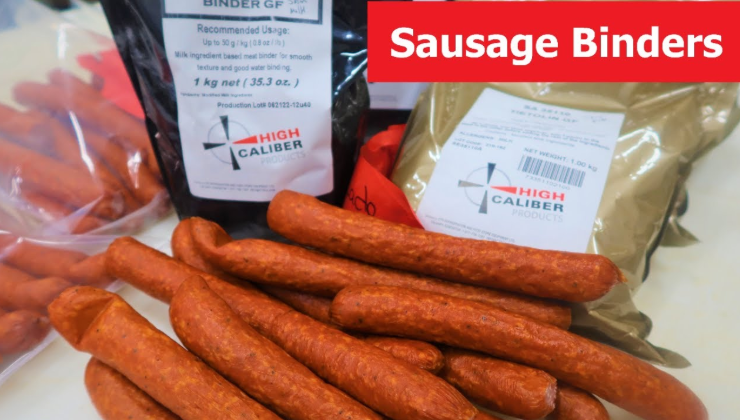
A binder in cooking is an ingredient that helps hold multiple ingredients together so the final dish keeps its shape while being mixed, cooked, or served.
You can think of it as the ingredient responsible for creating structure.
When recipes combine loose ingredients like ground meat, shredded vegetables, seafood, grains, or mashed potatoes, they often need something to connect everything together.
Without a binder, the food may break apart easily.
Binders improve:
- Texture
- Structural stability
- Moisture retention
- Shape during cooking
- Overall consistency
In professional kitchens, choosing the right binder can completely change the final result.
Why Binders Are Important in Cooking
Cooking is not only about flavor.
Texture matters just as much.
Imagine preparing crab cakes that fall apart before plating or homemade burger patties that split on the grill.
A good binder helps ingredients stay compact and cook evenly.
Chefs use binders because they:
- Prevent food from crumbling
- Keep delicate mixtures intact
- Help ingredients cook evenly
- Improve overall mouthfeel
- Create more professional presentation
This is one of the reasons restaurant-quality dishes often feel more refined than homemade versions.
Common Types of Binders in Cooking
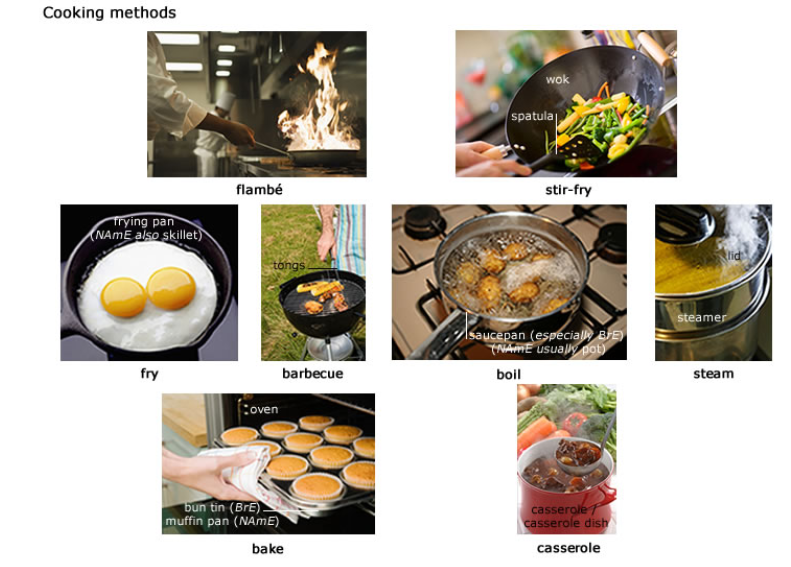
Different recipes require different binders depending on texture and cooking method.
Here are the most common options.
Eggs
Eggs are among the most widely used binding ingredients.
As proteins heat up, they tighten and create structure.
Best for:
- Meatballs
- Meatloaf
- Burger patties
- Crab cakes
- Vegetable fritters
Eggs also add richness and moisture.
Breadcrumbs
Breadcrumbs absorb excess moisture while improving firmness.
They are often paired with eggs for stronger binding.
Best for:
- Croquettes
- Breaded cutlets
- Meat mixtures
- Stuffed vegetables
Many chefs prefer panko breadcrumbs because of their lighter texture.
Flour
Flour works by absorbing liquid and thickening mixtures.
Best for:
- Dough recipes
- Pancake batter
- Vegetable patties
- Savory cakes
Different flours behave differently depending on starch content.
Cornstarch
Cornstarch creates smooth texture while stabilizing wet mixtures.
Commonly used in:
- Sauces
- Stir-fry recipes
- Fried coatings
- Dumpling fillings
It works quickly, so smaller quantities are usually enough.
Cheese
Melted cheese naturally helps ingredients stay connected.
Best used for:
- Pasta bakes
- Casseroles
- Potato recipes
- Stuffed mushrooms
It binds while adding flavor.
Plant-Based Alternatives to Traditional Binders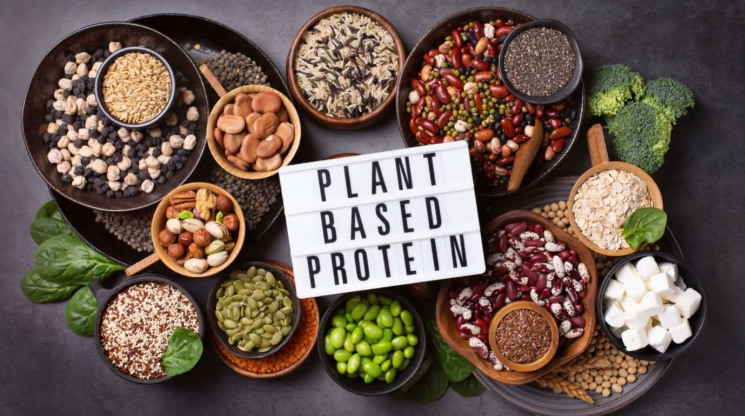
Modern cooking increasingly uses plant-based alternatives.
Flaxseed
Ground flaxseed mixed with water forms a gel-like texture similar to eggs.
Common for:
- Vegan baking
- Veggie burgers
- Plant-based patties
Chia Seeds
Chia absorbs liquid and creates thick consistency.
Best for:
- Vegan recipes
- Baking
- Healthy snack mixtures
Mashed Potatoes
Natural starches create excellent structure.
Often used for:
- Potato croquettes
- Vegetable cakes
- Stuffed snacks
These alternatives are increasingly popular in modern kitchens.
How Chefs Choose the Right Binder
Professional cooks consider several factors before choosing a binder.
Moisture Content
Wet ingredients often need absorbent binders like flour or breadcrumbs.
Cooking Method
Frying, grilling, baking, and steaming affect how ingredients hold together.
Desired Texture
A delicate fish cake requires lighter binding.
A dense burger patty needs stronger structure.
This balance is part of advanced cooking technique.
Common Mistakes When Using Binders
Using too much binder can negatively affect texture.
Avoid these mistakes.
Too many breadcrumbs
Creates dry and dense texture.
Excess eggs
Can make food rubbery.
Ignoring moisture levels
Vegetables release water during cooking.
Overmixing ingredients
Changes texture, especially in meat-based recipes.
The goal is balance rather than maximum firmness.
Practical Example
Consider homemade burger patties.
Without a binder:
- Patties break apart
- Texture becomes uneven
- Cooking becomes inconsistent
With egg and breadcrumbs:
- Patties hold shape
- Moisture stays inside
- Texture becomes smoother
This simple difference often separates amateur cooking from professional cooking.
Final Thoughts
Understanding what is a binder in cooking helps improve far more than just one recipe.
It teaches an important cooking principle: structure matters.
Professional chefs pay attention to ingredients that control texture, stability, and consistency because great cooking is not only about flavor.
Sometimes the smallest ingredient has the biggest impact.
The next time a recipe falls apart, the issue may not be your cooking skills.
It may simply be the missing binder.
FAQs
1. What is a binder in cooking?
A binder is an ingredient that helps hold other ingredients together, improving texture, structure, and stability during cooking and serving.
2. What are the most common binders used in cooking?
Common binders include eggs, breadcrumbs, flour, cornstarch, cheese, flaxseed, chia seeds, and mashed potatoes, depending on the recipe.
3. Why do burger patties and meatballs need a binder?
Binders help meat mixtures hold their shape, retain moisture, and cook evenly without falling apart during preparation or cooking.
4. What can I use instead of eggs as a binder?
Popular egg substitutes include flaxseed gel, chia seeds, mashed potatoes, and other plant-based ingredients that help create structure.
5. Can you use too much binder in a recipe?
Yes. Excess binder can make food dense, dry, rubbery, or overly firm, reducing the texture and quality of the final dish.