
Work‑life balance for managers is becoming a leadership priority, especially across U.S. workplaces where long hours are often seen as commitment. However, constantly staying available can lead to burnout, lower decision clarity, and reduced team influence. Moreover, when managers protect their wellbeing, they naturally foster stronger engagement and healthier team dynamics.
Additionally, employees tend to adopt the behaviors they observe, therefore leaders who maintain balance positively impact productivity, trust, and retention. By applying structured boundaries, intentional scheduling, and effective delegation, managers can lead successfully without sacrificing personal stability. In this article, you’ll explore practical strategies tailored for U.S. leaders to strengthen performance while preserving wellbeing.
Why Work‑life balance for managers Shapes Team Culture
Work‑life balance for managers directly affects team behavior, productivity, and communication patterns. Leaders who set healthy boundaries and model mindful habits encourage employees to follow suit. Consequently, this approach fosters a workplace culture built on clarity, trust, and purpose rather than exhaustion.
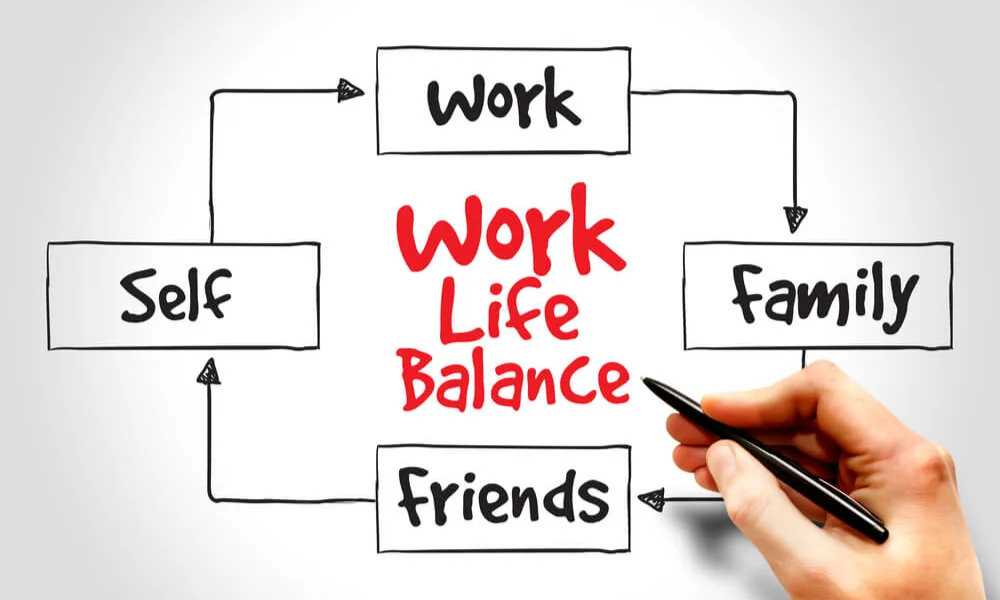
Image Source: hrmpractice.com
Moreover, balanced managers handle stress effectively, make better decisions, and communicate with empathy. Their energy and time management habits ripple through the team, influencing morale and engagement. By protecting their own wellbeing, leaders create psychologically safe environments that reduce burnout and improve overall team performance.
Common Challenges That Disrupt Work‑life balance for managers
Work-life balance for managers can be difficult to maintain due to constant demands, tight deadlines, and pressure to be “always available.” Many U.S. managers struggle with overflowing inboxes, back-to-back meetings, and urgent team requests that blur the line between work and personal life. As a result, leaders often sacrifice personal time just to keep operations running smoothly.
Additionally, hybrid and remote work models, while offering flexibility, can unintentionally extend working hours. Without clear boundaries, managers may respond to messages late at night or work weekends, creating a cycle of stress. Recognizing these common challenges is the first step toward creating strategies that protect both personal wellbeing and leadership effectiveness.
10 Practical Playbooks to Improve Work‑life balance for managers
Work-life balance for managers can be achieved by applying structured, actionable strategies that support both personal wellbeing and team productivity. These playbooks offer practical steps that leaders can implement immediately to reduce stress and enhance efficiency.
-
Time-Blocking Focus: Schedule high-priority tasks in dedicated blocks to prevent distractions.
-
Effective Delegation: Assign responsibilities to team members based on strengths and skills.
-
No-Meeting Zones: Reserve periods for uninterrupted, focused work.
-
Communication Boundaries: Set clear expectations for emails, messages, and response times.
-
Micro-Break Recharge: Take short breaks throughout the day to restore energy and clarity.
-
Personal Appointment Scheduling: Protect personal time by treating it like work meetings.
-
Workflow Automation: Use tools to streamline repetitive tasks and improve efficiency.
-
Weekly Review & Reflection: Plan check-ins on priorities, progress, and upcoming tasks.
-
Modeling Balance Behavior: Lead by example to encourage healthy team habits.
-
Mentorship & Coaching Support: Seek guidance for handling leadership pressures effectively.
Metrics & Dashboard for Leaders to Track Work-Life Balance
Work-life balance for managers can be actively measured using a structured dashboard, helping leaders stay accountable while improving team performance. Tracking specific metrics provides insights that allow managers to adjust routines and priorities effectively. By monitoring both personal and team indicators, leaders can maintain sustainable work habits.
Workload Distribution for Work-Life Balance for Managers
Monitoring task allocation ensures no one, including the manager, is overloaded. Regularly reviewing responsibilities identifies bottlenecks and rebalances priorities. This creates fairness and efficiency across the team while supporting sustainable leadership.
Meeting Effectiveness for Work-Life Balance for Managers
Tracking the number and duration of meetings helps spot unnecessary or overlapping sessions. Reducing inefficient meetings frees up time for strategic work. Additionally, focused meetings enhance team engagement and reduce stress.
Email and Communication Response Times for Work-Life Balance for Managers
Measuring response times ensures personal boundaries are respected. Setting realistic expectations prevents constant interruptions and fosters productivity. This practice encourages a balanced communication culture within the team.
Time Spent on Focused Work for Work-Life Balance for Managers
Tracking hours spent on high-priority projects highlights productivity patterns. Managers can optimize schedules to maximize meaningful output. Over time, this improves both efficiency and personal work-life balance.
Team Engagement and Feedback for Work-Life Balance for Managers
Regular feedback gauges morale, stress, and satisfaction across the team. Leaders can adjust workloads and provide support accordingly. Engaged teams naturally perform better and experience less burnout. Moreover, tracking engagement trends helps managers identify early signs of fatigue and proactively support their staff.
For distributed teams, communication matters even more—especially when hiring and onboarding remotely. If you’re preparing for a virtual role, these remote job interview tips can help you feel confident, communicate clearly, and make a strong impression.
Personal Wellbeing Indicators for Work-Life Balance for Managers
Monitoring stress, energy, and personal time ensures managers maintain balance. Leaders who track these indicators proactively prevent burnout. Additionally, it models healthy behavior for the team. Over time, paying attention to wellbeing patterns allows managers to create a sustainable work schedule that protects mental health.
Progress on Delegation Goals
Evaluating task delegation shows if team members are empowered. Proper delegation prevents manager overload while building team autonomy. This approach supports sustainable leadership practices. Consistently reviewing delegation progress also uncovers skill gaps and ensures responsibilities align with employee strengths.
Balance Improvement Over Time
Comparing historical data weekly or monthly provides tangible evidence of progress. Managers can celebrate successes and identify areas needing adjustments. Continuous improvement reinforces long-term work-life balance strategies. Additionally, analyzing trends helps leaders refine practices and maintain consistency in achieving sustainable work-life balance.
Conclusion: Leading Effectively While Preserving Work-Life Balance
Work-life balance for managers is more than a personal goal it shapes team performance, engagement, and organizational health. By setting boundaries, delegating effectively, and tracking key metrics, leaders protect their wellbeing while enhancing productivity. Consequently, balanced leadership becomes a strategic advantage rather than a luxury.
Moreover, modeling healthy work habits and applying practical playbooks ensures sustainable leadership practices. When managers prioritize balance, teams naturally adopt similar behaviors, fostering trust, resilience, and efficiency. Ultimately, working smart and intentionally allows leaders to cultivate success while preserving personal wellbeing for themselves and their teams.
Additionally, since many managers now lead hybrid or fully distributed teams, strong communication and hiring practices matter even more. If you’re preparing to build or join a remote team, check out these practical remote job interview tips to improve your confidence and performance in remote hiring and interview settings.
FAQs
Why is work-life balance important for managers?
Work-life balance for managers improves decision-making, team morale, and productivity. When leaders prioritize wellbeing, they model sustainable habits, creating a healthier workplace culture.
How can managers set effective boundaries at work?
Managers can schedule focused work blocks, limit after-hours emails, and communicate expectations. Consequently, teams respect personal time while maintaining efficiency.
What are common challenges managers face in balancing work and life?
High workloads, constant meetings, and hybrid work pressures often blur boundaries. Recognizing these challenges helps managers implement strategies that protect wellbeing and performance.
How can delegation improve work-life balance for managers?
Effective delegation empowers team members, reduces overload, and ensures tasks are completed efficiently. Over time, this enhances productivity and decreases stress.
What metrics can managers track to maintain balance?
Managers can monitor workload distribution, meeting hours, email response times, and wellbeing indicators. These insights help leaders make informed adjustments to sustain balance.
How does modeling balance impact team culture?
When managers demonstrate balance, employees adopt similar behaviors. This fosters trust, engagement, and a healthier, high-performing team.
Can technology help managers achieve work-life balance?
Workflow automation tools, scheduling apps, and dashboards streamline tasks and track priorities. Consequently, managers can focus on high-impact work while protecting personal time.
How long does it take to see improvements in work-life balance?
With consistent application of playbooks and metrics, positive changes can appear within weeks. Sustainable habits build gradually, improving wellbeing and team productivity.