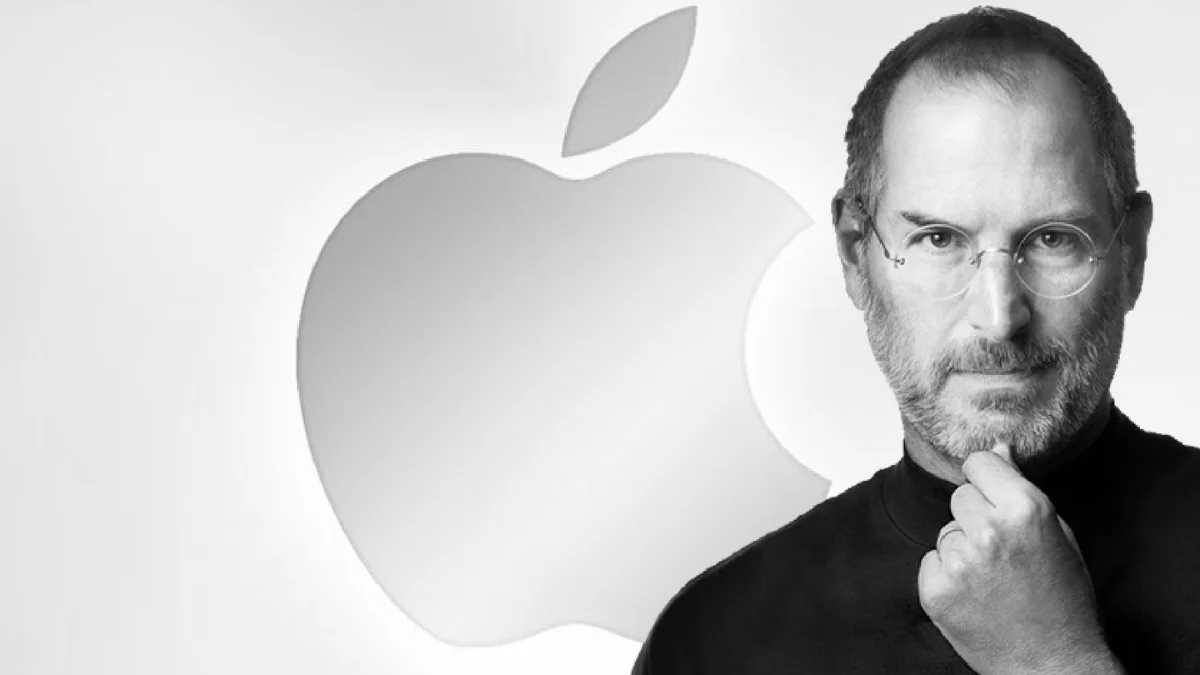
Steve Jobs co-founded Apple in 1976 and changed personal computing, music, and mobile phones forever. The Apple founder story isn’t just about big wins — it’s about getting fired from your own company in 1985 and coming back stronger. His years away at NeXT and Pixar made him wiser. He returned to Apple in 1997 and saved it from bankruptcy. Walter Isaacson’s Steve Jobs biography — built on 40+ personal interviews — is the most complete account of his life. Key facts: Born Feb 24, 1955 · Co-founded Apple 1976 · Fired 1985 · Returned 1997 · Died Oct 5, 2011 · Led Apple to become the world’s most valuable company.
The Steve Jobs biography is not just another success story about a tech founder. It’s a story about something much deeper what happens when you build something amazing, lose it all, and then come back to build something even bigger.
Picture this. You build a company from scratch and your whole heart into it. Also, you work nights, skip meals, and give up everything. And then your own team kicks you out. That’s exactly what happened to Steve Jobs in 1985.
Most people would have walked away for good. Most people would have been too embarrassed to try again. But Jobs did something completely different. He picked himself up, started over, learned hard lessons, and came back to build something
Quick Facts About Steve Jobs
| Detail | Info |
|---|---|
| Full Name | Steven Paul Jobs |
| Born | February 24, 1955: San Francisco, California |
| Died | October 5, 2011: Palo Alto, California |
| Age at Death | 56 years old |
| Nationality | American |
| Adopted By | Paul Jobs & Clara Hagopian |
| Education | Reed College: dropped out after 6 months |
| Co-Founded | Apple Inc., NeXT Computer, Pixar Animation Studios |
| Role at Apple | Co-Founder, Chairman & CEO |
| Famous Products | Macintosh, iPod, iPhone, iPad, iTunes |
| Net Worth at Peak | Approx. $10.2 billion (2011) |
| Spouse | Laurene Powell Jobs (married 1991) |
| Children | 4: Lisa, Reed, Erin, and Eve |
| Cause of Death | Pancreatic cancer |
| Biography Author | Walter Isaacson (published Oct 24, 2011) |
From a Simple Garage to a Billion-Dollar Company
Steve Jobs was born on February 24, 1955, in San Francisco. His birth parents couldn’t keep him, so Paul and Clara Jobs adopted him as a baby. They were simple, hardworking people and they were exactly the right parents for Steve.
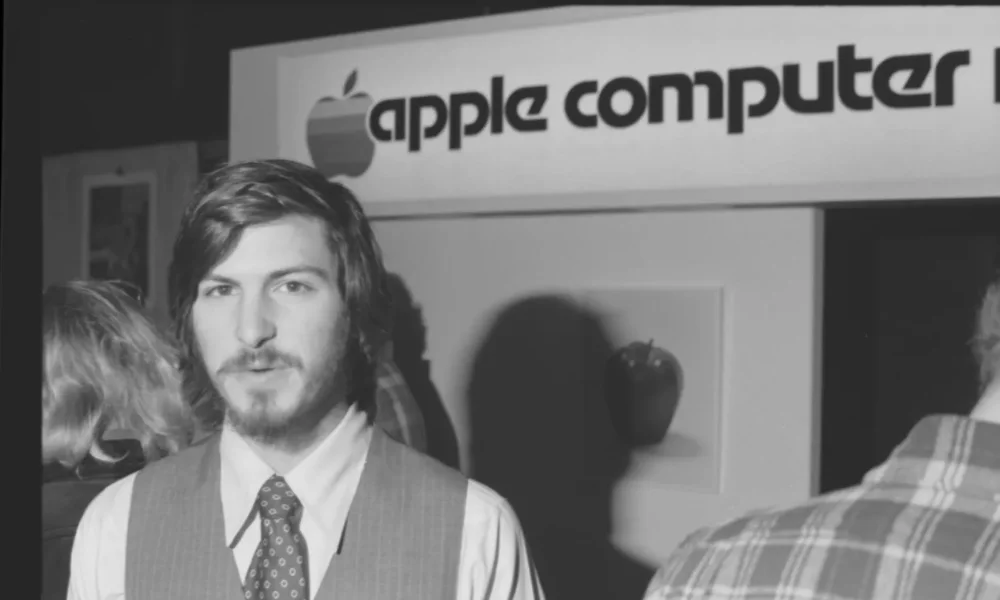
Growing up in Cupertino, California, Steve’s dad would take broken radios apart right there in the garage. He showed Steve how everything worked piece by piece. Steve loved it. He didn’t just want to understand machines he wanted to build things that felt so easy and natural that anyone could use them.
Then in high school, Steve met a quiet, brilliant kid named Steve Wozniak. Wozniak could build computers from scratch. Jobs could see what those computers could become. Together, they were a perfect team.
The Garage Where the Apple Founder Story Began
So in 1976, both Steves decided to build computers for regular, everyday people not for big companies or universities. Just normal people.
They worked out of the Jobs family garage and sold their own cars to get money. They pulled all-nighters, argued and pushed each other. And slowly, the Apple founder story was born right there in that small garage in California.
Their first computer was the Apple I. Then came the Apple II and suddenly, everyone wanted one. Apple grew fast. By 1980, the company went public and Jobs became a millionaire at just 25 years old.
Apple’s Early Rise: Quick Look
- 1976: Apple I launched from a family garage
- 1977: Apple II released with keyboard and color screen
- 1981: Apple goes public in a record-setting IPO
- 1984: Macintosh launches with the famous Super Bowl ad
The Fall Nobody Expected: The Dark Chapter of the Steve Jobs Biography
Here’s the part nobody likes to talk about.
After all that early success, Jobs started getting really hard to work with. He called people’s ideas garbage. He rejected designs for reasons nobody else could see and made people feel small. Steve was brilliant but also exhausting.
So in 1985, Apple’s board of directors held a meeting. They decided Steve Jobs was too difficult to keep around. They fired him. Just like that. The man who built Apple got thrown out of Apple.
He lost his title and power. He lost a huge amount of money. And for the first time in his life, Steve Jobs didn’t know what to do next. He later said it was devastating but also, weirdly, the best thing that ever happened to him.
What the Steve Jobs Biography Gets Right About Failure
After getting fired, Jobs didn’t disappear even though it felt that way for a while.
He started two new companies. At the time, both looked like mistakes. Looking back, both changed the world.
First came NeXT: a computer company aimed at universities. The hardware was too expensive and didn’t sell well. But the software NeXT built? That same software quietly became the engine behind today’s iPhones and MacBooks. Nobody saw it coming.
Then came Pixar: Jobs bought Pixar from George Lucas for just $5 million in 1986. Back then, it was a tiny team making computer graphics. But in 1995, Pixar released Toy Story the world’s first fully computer-animated movie. Disney loved it so much they bought Pixar in 2006 for $7.4 billion. Jobs walked away as Disney’s biggest shareholder.
So yes the “failed” years were actually where the real Steve Jobs success story was being quietly built.
Steve Jobs at a Glance: Life, Failures and Comeback Timeline
| Era | What Happened | What Came Out of It |
|---|---|---|
| 1976–1985 | Built Apple from scratch | Changed personal computing forever |
| 1985 | Got fired from Apple | Lost everything, then started learning |
| 1986–1996 | Built NeXT and Pixar | Created Toy Story, built future Apple software |
| 1997 | Returned to Apple as CEO | Saved Apple from bankruptcy |
| 2001–2010 | Launched iPod, iPhone, iPad | Built the world’s most valuable company |
The Comeback: The Most Inspiring Part of the Steve Jobs Biography
By 1997, Apple was a mess. The company was burning cash. Products were confusing. Nobody knew what Apple even stood for anymore. Apple was literally 90 days away from going out of business.
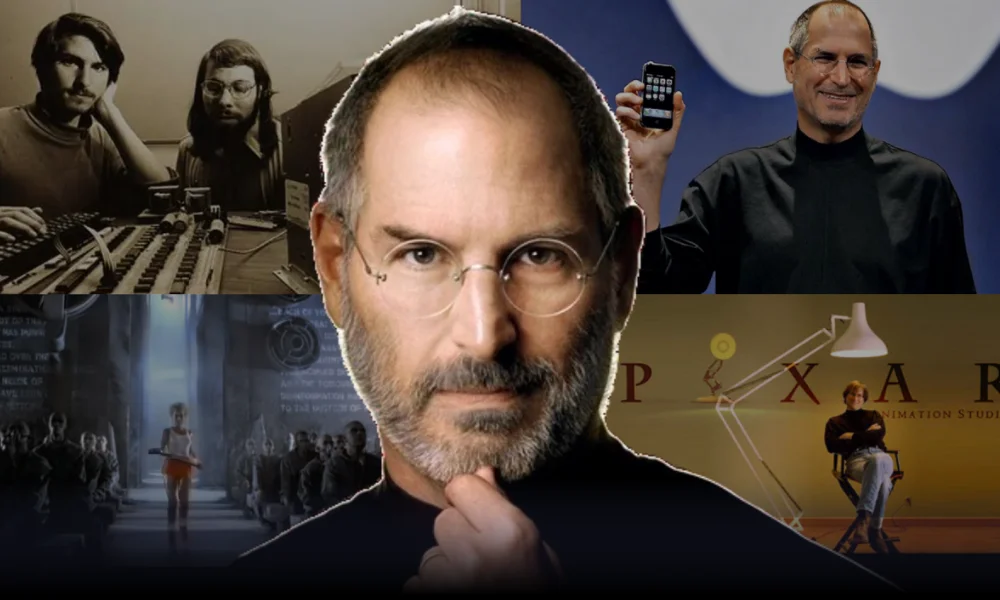
Then Apple bought NeXT Jobs’s company for $429 million. And just like that, Steve Jobs walked back through the door. Within weeks, he cut Apple’s product list from 350 things down to just 4. Four. He told his team to stop trying to do everything and instead do a few things really, really well.
How Steve Jobs Success Was Rebuilt One Product at a Time
After getting Apple back on track, Jobs launched product after product that none of us had seen coming:
- iMac (1998) A colorful, friendly computer that made Apple profitable again almost overnight
- iPod (2001) Put 1,000 songs in your pocket and turned Apple into a lifestyle brand
- iTunes Store (2003) Made buying music online safe and simple, quietly killing the CD industry
- iPhone (2007) Completely changed what a phone could do. Every smartphone today copies this
- iPad (2010) Created a whole new type of device that nobody knew they needed
Each launch felt like an event. Each product felt like it came from the future. And behind every single one was Steve Jobs saying good isn’t good enough, make it insanely great.
That right there is the Steve Jobs success formula. Not luck. Just obsession with getting things right.
5 Real Lessons From the Steve Jobs Biography
The Steve Jobs biography isn’t just a history book. It’s a playbook. Here’s what actually holds up years later:
- Simple is harder than complicated. Jobs spent more energy removing features than adding them. Making something easy to use takes real work.
- Failure teaches what success can’t. The years away from Apple taught Jobs patience, focus, and humility. He came back a better leader because of the fall not despite it.
- Own the whole experience. Jobs believed that if you don’t control every part hardware, software, packaging, stores someone else will mess it up. That’s why Apple does everything in-house.
- Hire people smarter than yourself. Jobs brought in Jony Ive, Tim Cook, and Ed Catmull. His job was to set the bar not do everything himself.
- Your second chapter can beat your first. The iPhone didn’t come from a lucky 25-year-old. It came from a 52-year-old who had been knocked down, rebuilt himself, and came back with something to prove.
The Book Itself: What the Steve Jobs Biography Actually Says
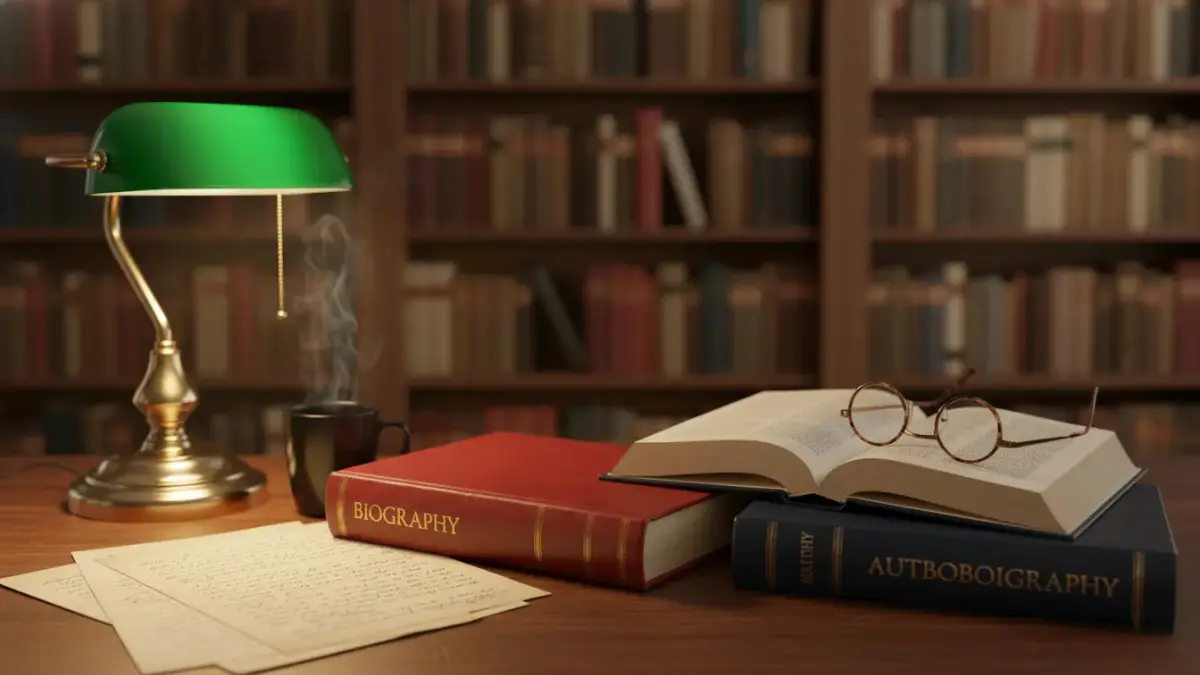
The authorized Steve Jobs biography hit shelves on October 24, 2011 just 19 days after Jobs passed away. Walter Isaacson spent two years interviewing Jobs over 40 sessions. He also talked to more than 100 people who knew Jobs personally family, friends, employees, and rivals.
Jobs gave Isaacson full access and zero control over what got written. He wanted the truth told all of it.
What the Steve Jobs Biography Got Right and Wrong
⚠️ The Controversy Worth Knowing Tim Cook said the book was a tremendous disservice to Jobs. Jony Ive said his regard for it couldn’t be lower. Apple actually helped publish a second biography Becoming Steve Jobs (2015) to give a more complete picture.
The short version: Isaacson got the facts right. But people close to Jobs say it focused too much on his rough edges and not enough on how much he grew as a person after 1985.
Reading both books gives you the full story.
The biography sold over 3 million copies in the US alone. It’s still the best starting point for understanding the real Apple founder story the full picture, good parts and bad.
Final Thoughts: What Steve Jobs’s Life Really Means
Steve Jobs was not a perfect person. He was difficult and demanding. He made big mistakes. But here’s the thing he also never stopped trying. The products everyone loves the iPhone, the Mac, the iPad weren’t made by someone who had an easy life. They were made by someone who got knocked down hard, had to figure out who he was without his company, and came back with a whole new level of focus and purpose.
The real Steve Jobs biography is a story about a person who turned failure into fuel. That’s the version of the story worth sharing because it applies to all of us, not just tech founders. At marianoiduba.com, we believe real stories about real struggles are the ones that actually stick with people.
If this story moved you share it with one person who needs to hear it right now.
FAQs
What is the Steve Jobs biography about?
The Steve Jobs biography by Walter Isaacson covers his entire life from being adopted as a baby in San Francisco, building Apple in a family garage, getting fired from his own company in 1985, launching NeXT and Pixar, and finally coming back to Apple in 1997 to create the iPhone, iPad, and iPod. It’s the most complete account of the Apple founder story ever written.
What made Steve Jobs so successful?
The real secret behind Steve Jobs success was his obsession with simplicity and full control over every product detail. He didn’t just build tech he built experiences. He cut everything that wasn’t necessary, hired brilliant people, and refused to launch anything he wasn’t proud of. That mindset turned Apple into the world’s most valuable company.
Why was Steve Jobs fired from Apple?
According to the Steve Jobs biography, Apple’s board sided with CEO John Sculley after major internal power struggles in 1985. The Macintosh wasn’t hitting sales targets, and Jobs’s demanding management style was making daily work very difficult for the whole team. So the board voted him out from the very company he had started.
How did Steve Jobs come back to Apple?
In 1997, Apple was nearly bankrupt. They bought Jobs’s company NeXT for $429 million, and Jobs came back with it. Within weeks, he cut Apple’s bloated product line from 350 items down to just 4 and rebuilt the entire company around doing a few things really, really well. That decision saved Apple and started the Apple founder story’s greatest chapter.
What are the best lessons from the Steve Jobs biography?
The Steve Jobs biography teaches us five powerful things simplicity beats complexity, failure is the best teacher, controlling the full experience matters, hiring smart people is everything, and your second chapter in life can be greater than your first. These lessons apply to students, entrepreneurs, and anyone chasing a big dream.
What was Steve Jobs’s net worth?
At the time of his death in 2011, Steve Jobs had an estimated net worth of around $10.2 billion. Most of his wealth came not from Apple but from his stake in Pixar, which Disney bought in 2006 for $7.4 billion making him Disney’s single largest shareholder at that time.
Is the Steve Jobs biography worth reading?
Yes the Steve Jobs biography by Walter Isaacson is absolutely worth reading. It’s based on 40+ personal interviews with Jobs and over 100 conversations with people who knew him. It’s honest, detailed, and gives you a real picture of how the Apple founder story actually played out the wins, the failures, and everything in between.
What companies did Steve Jobs start?
Steve Jobs co-founded three major companies Apple Inc. in 1976 with Steve Wozniak, NeXT Computer in 1985 after leaving Apple, and he acquired and built Pixar Animation Studios into a billion-dollar business starting in 1986. All three companies shaped entire industries and are a huge part of the Steve Jobs success legacy.