Networking at industry events is one of the most effective ways to build long-term professional relationships and uncover new career opportunities. Although digital tools help, in-person connections offer deeper trust and emotional impact, making them essential for anyone looking to expand their influence. Moreover, applying well-structured career networking strategies ensures your presence translates into meaningful results.
Therefore, this guide will help you prepare confidently, engage naturally, and follow up effectively using proven professional event networking techniques. In addition, you’ll learn practical conference connection tips backed by real-world insights and experience-based expertise. Ultimately, by mastering these methods, you’ll maximize every event and convert interactions into lasting professional value.
Before the Event: Preparing for Networking at Industry Events
Effective networking starts with strategic preparation that aligns with your goals and the type of professionals you want to connect with. Although spontaneous conversations can be valuable, entering the event with clarity significantly improves your confidence and the quality of your interactions. Therefore, a structured approach ensures you make meaningful connections rather than accidental introductions.

Research Your Event and Attendees for Networking
Begin by reviewing the event agenda, keynote speakers, and potential attendees to identify who aligns with your professional interests. In addition, understanding trending discussion topics helps you initiate conversations more naturally and demonstrates informed engagement. Ultimately, this level of preparation supports stronger positioning and increases your credibility.
Refine Your Elevator Pitch
Crafting a concise self-introduction allows you to communicate your role and value clearly within seconds. Moreover, practicing this pitch helps reduce nervousness and sets a positive tone during your first impression. As a result, you appear confident, knowledgeable, and ready to engage crucial for career networking strategies.
Prepare Conversation Starters
To avoid awkward pauses, plan a few industry-relevant questions that encourage genuine dialogue. Additionally, referencing shared experiences such as session topics or speaker insights makes the interaction feel more personal. Consequently, using this technique aligns with modern professional event networking practices.
Organize Your Contact Sharing for Networking at Industry Events
Ensure your business cards or digital contact links are updated and easy to access during the event. Furthermore, consider adding a brief tagline or QR code that reinforces your expertise and supports long-term recall. This thoughtful detail strengthens your conference connection tips and enhances post-event follow-ups.
During the Event: Mastering Networking at Industry Events
Once you arrive, networking becomes less about formal introductions and more about genuine engagement. Although preparation sets the foundation, how you carry yourself, approach conversations, and listen actively determines the quality of your connections. Therefore, staying present, approachable, and strategic during interactions helps build authentic relationships that extend beyond the event itself.
Approach with Confidence for Networking at Industry Events
Begin by entering conversations with positive body language maintain eye contact, offer a friendly smile, and use open gestures. Moreover, positioning yourself near networking zones such as coffee areas or breakout spaces makes introductions more natural. Ultimately, this confident presence reinforces your credibility and aligns with effective career networking strategies.
Use Thoughtful Conversation Techniques for Networking at Industry Events
Instead of jumping into transactional dialogue, begin with open-ended questions related to sessions, industry trends, or mutual interests. Additionally, actively listening and asking follow-up questions displays curiosity and respect, increasing the likelihood of a meaningful exchange. As a result, you practice professional event networking in a way that feels human-centered and value-driven.
Focus on Quality Over Quantity for Networking at Industry Events
Rushing to meet as many people as possible often leads to forgettable interactions. Instead, prioritizing deeper, more intentional conversations creates stronger memory recall and long-term rapport. Consequently, this approach aligns with modern conference connection tips, emphasizing relationship-building over card collecting.
Exit Conversations Gracefully for Networking at Industry Events
When it’s time to move on, politely thank the person for their time and suggest a follow-up opportunity. Furthermore, briefly summarizing your discussion shows attentiveness and helps them remember the interaction. This subtle strategy enhances your professionalism and supports future engagement, further boosting the impact of networking at industry events.
After the Event: Following Up to Maximize Networking at Industry Events
The real power of networking shows after the event ends. While many attendees focus solely on in-person interactions, following up effectively transforms casual connections into meaningful relationships. Therefore, having a structured post-event strategy ensures your efforts lead to tangible professional growth and opportunities.
Send Personalized Follow-Up Messages for Networking at Industry Events
Reach out to your new connections within 24–48 hours to maintain momentum. Moreover, personalize each message by referencing specific points from your conversation or sessions attended together. Using career networking strategies like this demonstrates thoughtfulness and reinforces your credibility.
Leverage Social Media Connections for Networking at Industry Events
Connect on LinkedIn or other relevant professional platforms to stay visible and nurture relationships. Additionally, engage with their content by commenting or sharing insights to show ongoing interest. This method aligns with modern professional event networking practices and enhances long-term engagement.
Organize and Track Contacts for Networking at Industry Events
Create a simple system to record key details, interests, and potential collaboration ideas from your conversations. Furthermore, tagging contacts by priority or project relevance helps streamline future follow-ups. Applying this conference connection tip ensures that no valuable relationship is lost and that your networking continues to deliver results.
Plan Next Steps for Networking at Industry Events
Identify actionable opportunities, such as scheduling coffee meetings, sharing resources, or collaborating on projects. In addition, maintaining a consistent follow-up cadence strengthens trust and professional rapport. Ultimately, these efforts turn initial introductions into lasting, mutually beneficial connections from your networking at industry events.
Advanced Strategies: Turning Connections into Long-Term Opportunities
Mastering networking at industry events goes beyond initial introductions; it’s about cultivating relationships that provide lasting professional value. While many attendees stop at exchanging contact information, strategically nurturing these connections can lead to partnerships, mentorships, and career advancement. Therefore, adopting advanced techniques ensures your networking translates into tangible outcomes.
Leverage Event Tools and Platforms for Networking at Industry Events
Use event apps, matchmaking features, or attendee directories to identify high-value contacts efficiently. Additionally, tracking interactions through CRM systems or digital notes helps you manage follow-ups and prioritize connections. These professional event networking tools enhance organization and maximize the impact of your efforts.
Share Value Proactively for Networking at Industry Events
Offer insights, resources, or introductions that can help your contacts achieve their goals. Moreover, providing value without expecting immediate returns builds trust and positions you as a reliable industry resource. Applying this approach aligns with career networking strategies and encourages reciprocation naturally.
Build a Post-Event Engagement Plan for Networking at Industry Events
Schedule meaningful touchpoints such as virtual coffee chats, collaborative projects, or industry updates. Furthermore, maintaining a consistent communication cadence ensures your relationships remain active and relevant. By following these conference connection tips, you transform one-time meetings into long-term professional networks that continually support growth and opportunities.
Tools and Platforms: Enhancing Networking at Industry Events
To excel at networking, leveraging the right tools and platforms can make your interactions more efficient and impactful. While personal skills form the foundation, digital solutions help you identify, track, and nurture connections systematically. Therefore, integrating these resources strengthens your professional event networking strategy.
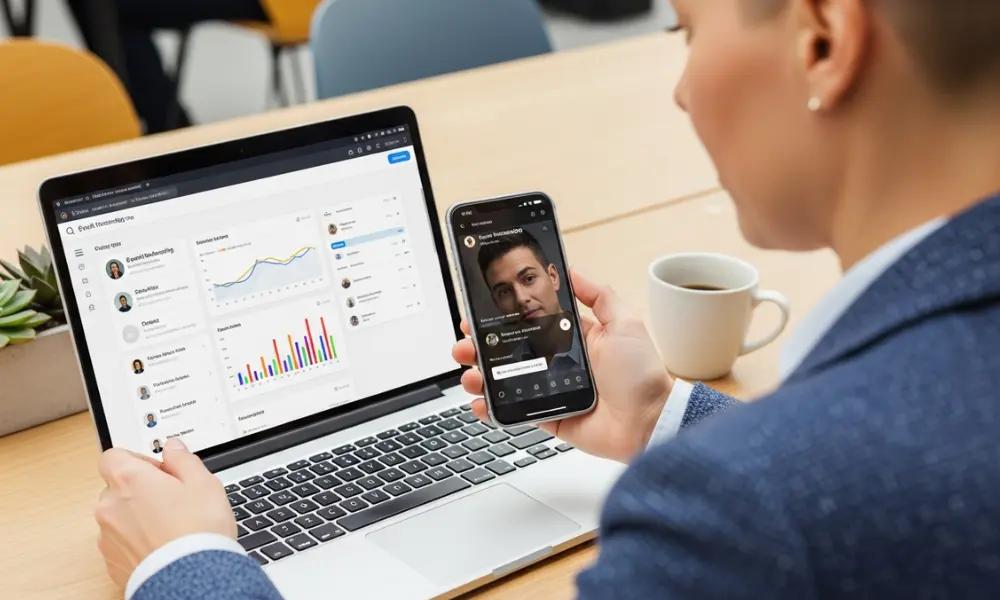
Event Apps and Matchmaking Platforms for Networking at Industry Events
Many conferences offer official apps or matchmaking tools to connect attendees based on shared interests or goals. Additionally, using these platforms allows you to schedule meetings in advance, ensuring you meet key contacts without relying on chance encounters. This approach streamlines networking and aligns perfectly with conference connection tips.
CRM and Contact Management Tools for Networking at Industry Events
Recording conversations, follow-up tasks, and contact details in a CRM system ensures no connection is lost. Moreover, tagging contacts by priority or industry helps you plan targeted engagement after the event. Employing these career networking strategies makes your networking more organized and results-driven.
Digital Business Cards and Social Media for Networking at Industry Events
Using scannable digital business cards or LinkedIn QR codes simplifies contact sharing while reinforcing your professional brand. In addition, actively connecting on social media after initial meetings keeps relationships visible and nurtured over time. Incorporating these methods elevates your networking at industry events and creates lasting impressions.
Case Studies and Real-World Examples: Proven Networking Success
Understanding theory is valuable, but seeing networking in action truly highlights its potential. Real-world examples illustrate how intentional strategies, thoughtful preparation, and follow-up can turn casual encounters into lasting professional relationships. Moreover, learning from others’ experiences provides actionable insights you can adapt to your own networking efforts.
Turning Introductions into Collaborations
At a recent tech conference, a product manager used professional event networking techniques to identify complementary startups and initiated collaborative projects within weeks. Additionally, personalized follow-up messages referencing shared sessions strengthened trust and accelerated partnership discussions. This example demonstrates the power of combining preparation with proactive engagement. This approach closely aligns with understanding the deeper meaning of career growth, where long-term relationships and purposeful connections play a key role in professional success.
Career Advancement through Targeted Networking
A marketing professional attending an industry summit focused on connecting with thought leaders in their niche. By applying career networking strategies, attending workshops, and following up strategically on LinkedIn, they secured mentorship and job opportunities within two months.
Lessons Learned from Event Engagement
Event attendees who prioritize meaningful conversations over quantity consistently report stronger relationships and higher long-term value. Moreover, using tools like CRM systems, event apps, and social media to track and maintain connections amplifies results.
Conclusion
Networking at industry events is more than exchanging business cards—it’s a strategic investment in your professional growth and long-term relationships. By preparing thoughtfully, engaging confidently during interactions, and following up consistently, you transform brief encounters into meaningful connections.
Moreover, applying career networking strategies becomes even more effective when paired with clear direction and planning. Learning how to set career goals and achieve success helps you approach professional event networking with purpose, ensuring every connection aligns with your long-term ambitions. Ultimately, mastering these approaches allows you to expand your influence, uncover opportunities, and build a strong, lasting professional network that continues to support your career for years to come.
FAQs
How many people should I aim to meet when networking?
Focus on quality, not quantity. Building a few meaningful relationships is more impactful than collecting numerous contacts.
What’s the best way to follow up after networking?
Send a personalized message within 24–48 hours and reference your discussion. Additionally, connect on LinkedIn to maintain momentum.
How can I overcome anxiety during networking at industry events?
Prepare your introduction and conversation starters in advance. Moreover, shift focus from performance to curiosity to ease pressure.
Should I use digital tools or traditional methods for networking?
Combine both for best results use digital tools to track contacts and face-to-face conversations to build rapport.