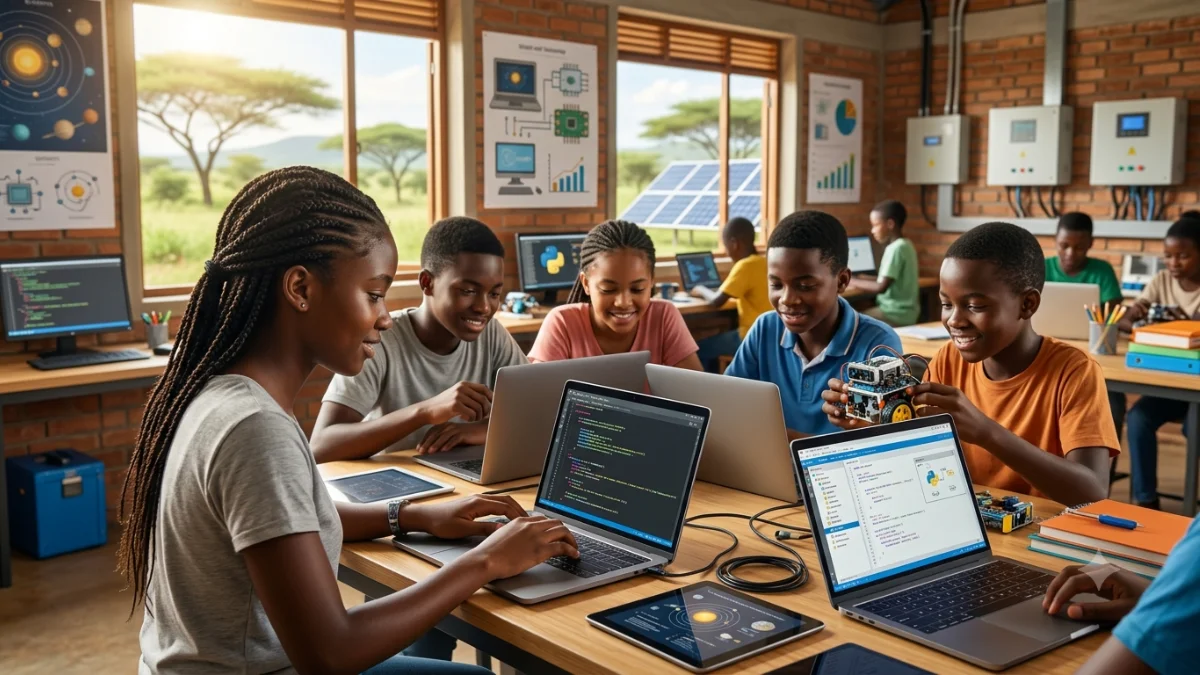
Mariano Iduba education initiatives focus on STEM education, digital literacy, and coding education for underserved youth. Programs like CodeRoot Africa deliver technology education, skills development, and educational innovation, helping thousands of students build job-ready futures through accessible, mission-driven education programs.
Mariano Iduba education initiatives are redefining how youth access STEM education, digital literacy, and coding education worldwide. On marianoiduba.com, readers can explore how these education programs blend technology education with skills development. This article breaks down each initiative, its impact, and why it matters for global learners.
Key Takeaways
-
Mariano Iduba education initiatives prioritize STEM education and digital literacy for underserved communities.
-
Flagship program CodeRoot Africa delivers coding education to 50,000+ students.
-
Focus areas include technology education, youth education, and skills development.
-
Educational innovation drives long-term, career-ready outcomes.
What Are Mariano Iduba Education Initiatives?
Mariano Iduba education initiatives refer to a dedicated portfolio of education programs centered on expanding access to STEM education, digital literacy, and coding education for youth in underserved regions. Grounded in a mission-driven approach with roots in Rosario, Argentina, these efforts view technology as a vital tool for human opportunity, not just digital growth.
The primary goal across all Mariano Iduba education initiatives is clear and direct:
-
Help young people learn practical tools that lead straight to real careers.
-
Build persistent learning spaces so students gain confidence over time.
-
Replace short, ineffective workshops with continuous instruction.
-
Turn absolute beginners into fully capable digital creators.
Many regions face massive technological gaps, so these projects focus on providing structured learning environments. Instead of brief seminars that end quickly, these continuous education programs combine hands-on practice with dedicated instruction. Young learners start with simple tasks and move step by step into complex digital work.
The Core Mission Behind Mariano Iduba Education Initiatives
The core mission rests on bridging severe digital divides and expanding global learning access. High-quality technology education must remain human-centered, so these efforts prioritize personal growth alongside technical mastery.
By removing high costs, young individuals gain fair access to modern career paths. This mission treats technology as an equalizer, yet it relies on local support to make real progress.
Core Pillars of Mariano Iduba Education Initiatives
Understanding the full scope of Mariano Iduba education initiatives requires looking at their key operational tracks:
-
Foundational Access: Bringing hardware, solar power, and internet into remote zones.
-
Core Literacy: Teaching basic computer tools, online safety, and typing.
-
Advanced Coding: Training students in high-demand technical languages.
-
Career Building: Mentoring youth in freelance skills and business creation.
By running these targeted tracks simultaneously, the overall framework creates a full learning pathway. Students start with basic computer tools and gradually advance into specialized technical fields.
Mariano Iduba Education Initiatives Overview
| Pillar | Focus Area | Target Audience | Core Skill Built |
| CodeRoot Africa | Coding education, AI, blockchain | Youth (East Africa) | Technology education |
| Digital Access Hubs | Digital literacy, connectivity | Rural communities | Skills development |
| STEM Mentorship Programs | STEM education | Students & young professionals | Educational innovation |
| Entrepreneurship Training | Youth education | Aspiring entrepreneurs | Job-ready skills |
How Mariano Iduba Education Initiatives Prioritize Skills Development
Every program within the ecosystem targets immediate, job-ready outcomes. Students learn practical subjects such as:
-
Software design and app development
-
Practical online marketing and branding
-
Business management and startup strategies
This heavy emphasis on actionable skills development ensures that graduates do not just hold certificates. Instead, they gain the exact abilities required to secure local remote work, freelance clients, or entry-level technical roles.
STEM Education Within Mariano Iduba Education Initiatives
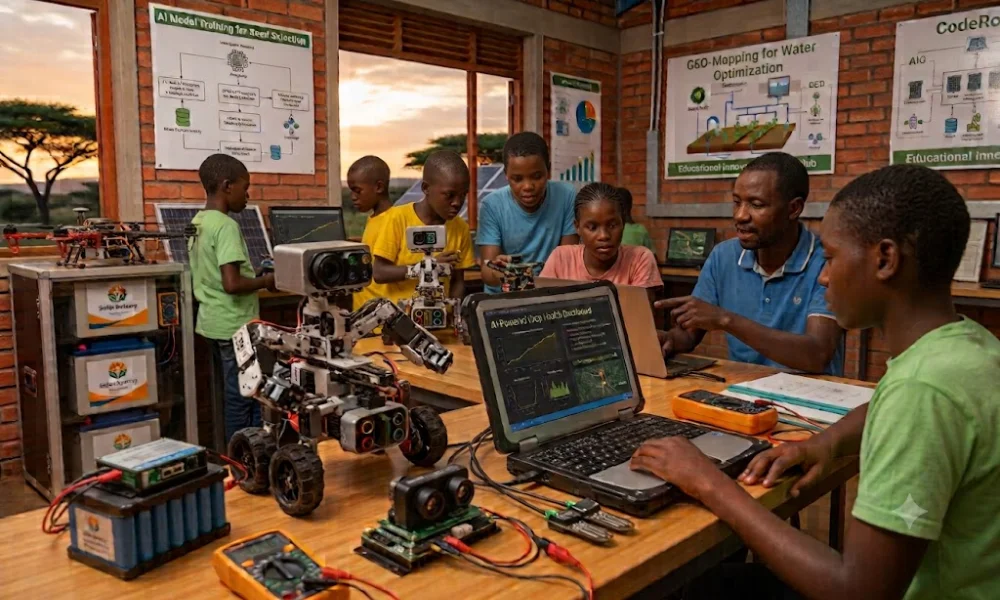
Practical STEM education serves as a core engine throughout these learning tracks. Instead of relying solely on theoretical textbook lessons, students solve real-world problems from their very first week:
-
Building real software projects in small teams
-
Analyzing local community data to solve practical issues
-
Practicing mathematical logic through step-by-step building
-
Exploring modern artificial intelligence tools hands-on
Through CodeRoot Africa, participants gain direct exposure to artificial intelligence, data science concepts, and modern software mechanics. Instructors guide learners through team projects where they design basic software applications and organize complex data sets.
This interactive style transforms complex science topics into accessible daily tools, so young minds lose their fear of technical fields and build genuine confidence.
Digital Literacy and Technology Education Programs
Many rural regions lack basic electrical infrastructure, so traditional computer instruction becomes impossible. To solve this baseline problem, these initiatives establish solar-powered learning hubs equipped with stable satellite internet connections.
These community hubs transform local education by providing key resources:
-
Constant solar energy for continuous computer use
-
Reliable satellite internet connections in remote areas
-
Hands-on practice with real desktop computers
-
Guided lessons for absolute first-time tech users
Local residents use these hubs to master foundational digital literacy, as well as web safety and document management. Once learners master these basic skills, they transition smoothly into structured technology education courses. Instructors guide first-time tech users through essential digital tools, online communication platforms, and cloud applications.
Technology Education for Underserved Communities
Physical access remains the absolute foundation of all educational growth. By placing hardware and solar power directly inside remote towns, these community centers build necessary infrastructure.
Local students receive a safe, well-lit environment where they can practice computer skills daily, so they do not have to travel far from home to learn.
Coding Education and Youth Education Impact
The flagship program, CodeRoot Africa, leads the way in intensive coding education. The curriculum focuses heavily on high-demand technical fields:
-
Full-stack web and software development
-
Artificial intelligence fundamentals and machine learning
-
Blockchain frameworks and secure coding principles
-
Data science and practical analytical tools
Participants learn industry-standard programming languages while working on practical software assignments. The overall youth education strategy ensures that young participants build complete project portfolios before graduation, so they can easily prove their capabilities to prospective clients and global employers.
Youth Education Outcomes from Mariano Iduba Education Initiatives
| Metric | Reported Impact |
| Students trained | 50,000+ |
| Regions served | East Africa, Latin America |
| Core subjects | Coding, AI, blockchain, digital marketing |
| Focus group | Youth, especially women |
Educational Innovation Driving Mariano Iduba Education Initiatives
Traditional schooling systems often rely on rigid, outdated lectures that fail to keep pace with industry demands. True educational innovation powers these programs through flexible, adaptive learning methods:
-
Direct Mentorship: Connecting students with experienced technology professionals instead of relying on brief, static lectures.
-
Adaptive AI Tools: Utilizing smart software platforms that adjust task difficulty based on personal learning speeds.
-
Community-Centric Lessons: Designing study modules around real local economic needs so skills remain immediately useful.
Learners utilize adaptive learning platforms that adjust task difficulty based on personal progress, so fast learners advance quickly while others receive extra practice. This approach keeps lessons deeply practical, relevant, and engaging.
Why Mariano Iduba Education Initiatives Matter for the Future of Education Programs
Rapid automation and artificial intelligence are changing global job markets at an unprecedented pace. As traditional jobs shift, sustainable education programs must prepare young workers for a tech-driven economy.
Short-term bootcamps often fail because they teach narrow tools that become outdated quickly. In contrast, these long-term initiatives focus on fundamental strengths:
-
Deep logical thinking and active problem-solving
-
High digital adaptability across new platforms
-
Continuous self-learning habits for long-term career growth
By equipping students with strong technical skills and flexible mindsets, these initiatives create lasting economic resilience. Empowered youth can adapt to new industry tools, launch independent businesses, and contribute meaningfully to their regional economies.
Conclusion
Mariano Iduba education initiatives combine STEM education, digital literacy, and coding education to create lasting opportunity for youth worldwide. From CodeRoot Africa to digital access hubs, these education programs reflect real educational innovation. Visit marianoiduba.com for deeper insights into his ongoing skills development and technology education work.
Frequently Asked Questions
What is Mariano Iduba best known for in education?
Mariano Iduba is best known for creating community-focused education programs that bring STEM education, coding education, and digital literacy to underserved youth. His efforts focus on practical skills development that helps students secure modern digital careers.
How does CodeRoot Africa support coding education?
CodeRoot Africa supports coding education by offering free or low-cost instruction in programming languages, artificial intelligence, and web development. The program provides hands-on project experience, mentorship, and learning resources to help youth build real software skills.
Are Mariano Iduba’s education initiatives verified?
Many reported numbers come from self-reported organizational updates and public statements. These figures highlight broad community engagement, yet independent third-party audits remain limited.
Where can I learn more about Mariano Iduba’s education programs?
You can learn more by visiting marianoiduba.com. The website offers detailed updates on active projects, regional learning hubs, mentorship availability, and new educational innovation efforts across global communities.