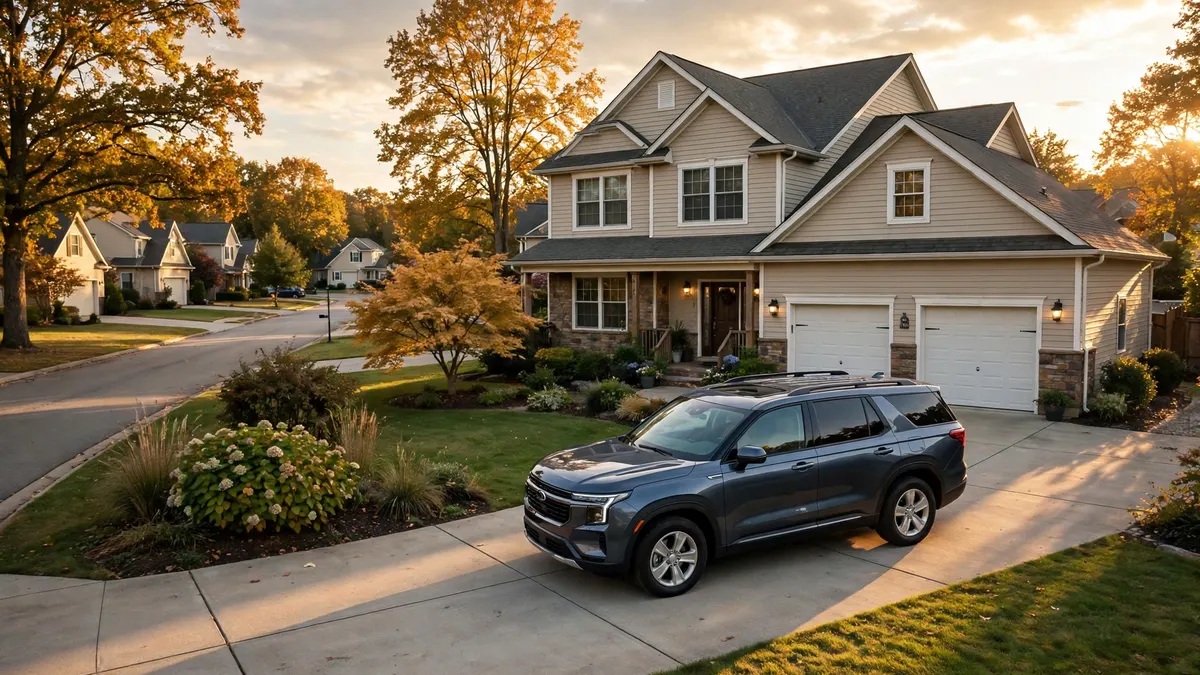

A Honda Pilot for sale is an appealing find if you need a large family SUV with three rows of seats, a strong safety record and a reputation for holding up well over the years. The Pilot has been Honda’s biggest SUV for over two decades, and the used market is full of them, from early high-mileage examples to nearly new models with most of their warranty left. The question is not whether a Pilot is a good family car, but which generation, trim and example suits your budget and your daily life.
This guide walks through the generations, the trims, and the checks that matter before you buy. It covers new versus used, the running costs to plan for, and the warning signs that should make you walk away. No prices are quoted here, because values move with mileage, condition and local demand, so use this guide alongside current listings and a pre-purchase inspection.
Key takeaways
- The Pilot is a three-row family SUV with room for up to eight people.
- Newer generations are larger, quieter and better equipped than early ones.
- Trim levels decide features, not engine choice, on most model years.
- A full service history matters more than low mileage alone.
- Check the transmission, air conditioning and rear-seat space carefully.
- Always get an independent inspection before paying for a used Pilot.
What the Honda Pilot is
The Honda Pilot is a mid-size, three-row SUV built for families who need space for people and luggage without moving to a full-size truck-based vehicle. It seats seven or eight depending on whether the second row is a bench or a pair of captain’s chairs, and the third row is genuinely usable for children and shorter adults. Folding the rear seats flat opens up a large, level load space that suits holidays, DIY trips and sports kit.
Every Pilot uses a petrol V6 engine with an automatic gearbox, and most are available with front-wheel drive or all-wheel drive. All-wheel drive adds grip in wet or snowy conditions and helps resale value in colder regions, while front-wheel drive versions are slightly cheaper to buy and run.
Honda’s reputation for reliability is a large part of the Pilot’s appeal. The V6 is a long-lived design when serviced on schedule, and the cabin is built to survive years of family use. That said, no used car is free of risk, and the oldest Pilots on the market are now over twenty years old, so condition and history matter far more than the badge on the grille.
Generations at a glance
The first generation, sold from 2003 to 2008, is a simple, boxy SUV with a 3.5-litre V6. It is roomy and honest, but safety equipment and cabin quality are basic by modern standards, and many examples now have very high mileage. Buy one only if it has a strong service record and a recent inspection, and expect to budget for wear items such as suspension parts and rubber hoses.
The second generation, from 2009 to 2015, grew larger and more upright, with more third-row room and a tougher look. Early versions had reports of vibration and oil consumption, and the five-speed automatic in some years is less smooth than later gearboxes. A well-maintained example can still be good value, but the service history and a test drive matter more than the year on the plate.
The third generation, from 2016 to 2022, brought a modern cabin, better safety equipment, a nine-speed automatic on higher trims, and a much quieter ride. This is the sweet spot for many buyers: old enough to be affordable used, new enough to feel current. The fourth generation, from 2023 onwards, is larger again, with a new ten-speed automatic, a more rugged TrailSport version, and the latest driver assistance systems as standard.
Trims and equipment
Pilot trims follow Honda’s usual ladder, starting with a well-equipped base model and rising through mid-level versions to leather-lined and fully loaded variants. On most years the engine is the same across the range, so you are paying for comfort and technology rather than performance. Entry trims already include three-zone climate control, a reversing camera and Honda’s safety suite on newer models, which keeps them sensible buys.
Mid-level trims add the features families notice daily: leather seats, a power tailgate, larger alloy wheels, and a better sound system. Higher trims add a panoramic sunroof, heated and ventilated seats, a rear entertainment system and advanced driver aids. The TrailSport version, offered on recent models, adds off-road tyres, skid plates and a raised ride height, which suits buyers who regularly drive on rough tracks.
When comparing trims, focus on the features you will actually use. A sunroof and leather are pleasant, but a power tailgate and second-row sunshades matter more when you are loading children and shopping every day. Check that every feature works, because repairs to electronics can be expensive, and a seller who says a feature “just needs a fuse” is rarely right.
New versus used
Buying new gives you a full warranty, the latest safety equipment, and the chance to choose your exact trim and colour. You also take the biggest share of depreciation, and waiting times for popular trims can stretch for months. New suits buyers who plan to keep the car for many years.
Buying used is where most Pilot shoppers land. A two- or three-year-old Pilot has already lost a good part of its new value but still feels modern and may have warranty remaining. Older Pilots, five to ten years old, offer the best value, provided the service history is complete and the car passes an inspection.
Certified pre-owned programmes from Honda dealers sit between the two. These cars are inspected, reconditioned and sold with an extended warranty, which costs more than a private sale but removes much of the risk. If you are buying privately, budget for an independent inspection and a service soon after purchase, and treat that cost as part of the price, not an optional extra.
What to check on a used Pilot
Start with the paperwork. A full service history, ideally from Honda dealers or a reputable specialist, tells you the oil was changed on time and the major services were done. Check the registration and ownership documents match the seller, and look for any record of accident repair.
On the test drive, listen for the transmission. Shifts should be smooth, with no harsh jerks, slipping or delay when pulling away. The V6 should idle quietly and pull cleanly without hesitation. Test the air conditioning on full cold, because repairs can be costly, and check the heating as well. Drive over uneven roads and listen for knocks from the suspension.
Inside, work through every seat. Fold the third row up and down, slide the second row, and check the seatbelts and child-seat anchors. Look for water stains in the footwells and the boot, which can point to a leaking sunroof drain or a damaged seal. Check the tyres for even wear and matching brands, and look underneath for rust on the subframe and exhaust, especially on cars that have spent winters in salty conditions.
Running costs to plan for
A Pilot is a large, heavy SUV with a V6 engine, so fuel economy is modest by modern standards. Around town it will use noticeably more fuel than a small hatchback, and motorway cruising is where it is most efficient. Insurance sits in a mid-to-high group for the class, reflecting the car’s size and value, so get a quote before you buy rather than after.
Servicing is straightforward and parts are widely available, which keeps routine maintenance reasonable. The larger bills come from tyres, which are big and not cheap, brakes, and any transmission or air conditioning work. Budget for a major service and fresh fluids in the first year if the car you buy is older or high mileage.
Think about how you will actually use the car. If most of your driving is short urban trips, a Pilot’s size makes parking harder and its fuel use harder to justify. If you regularly carry six or seven people, tow, or cover long distances, the space and comfort earn their keep.

Pilot generations compared
The table below gives a quick comparison of the four Pilot generations, so you can see how size, equipment and character changed over time.
| Generation | Model years | What stands out |
|---|---|---|
| First | 2003 to 2008 | Simple, boxy, honest family SUV |
| Second | 2009 to 2015 | Bigger cabin, tougher styling |
| Third | 2016 to 2022 | Modern cabin, quieter, safer |
| Fourth | 2023 onwards | Largest, latest safety kit |
| TrailSport | Recent models | Off-road tyres and raised height |
| All generations | 2003 onwards | V6 engine, three rows of seats |
Your Honda Pilot checklist
- Decide your budget including tax, insurance and an inspection.
- Choose the generation that fits your budget and safety needs.
- Pick the trim for features you will use daily, not the badge.
- Check the full service history and matching ownership documents.
- Test the gearbox for smooth shifts with no slipping or delay.
- Test air conditioning, heating, seats, tailgate and electronics.
- Fold all three rows and check seatbelts and child-seat anchors.
- Look for rust underneath and water stains inside the cabin.
- Book an independent inspection before you pay anything.
- Get an insurance quote and check parking space before you commit.
Frequently asked questions
Is the Honda Pilot a reliable SUV?
Yes, the Pilot has a strong reputation for reliability, and the V6 engine is known for lasting well when serviced on schedule. Like any used car, condition and history matter more than the badge, so a full service record and an independent inspection are essential.
How many people can a Honda Pilot seat?
Most Pilots seat seven or eight people. Models with a second-row bench seat carry eight, while those with captain’s chairs in the second row carry seven but give easier access to the third row. The third row suits children and shorter adults best on longer trips.
Does the Pilot come with all-wheel drive?
Yes, all-wheel drive is available on most model years, alongside front-wheel drive versions. All-wheel drive adds grip in wet or snowy weather and can help resale value, while front-wheel drive versions are usually cheaper to buy and slightly more economical.
What is the best used Honda Pilot to buy?
For many buyers the third generation, from 2016 to 2022, is the sweet spot: modern enough to feel current, with good safety equipment, but old enough to be affordable. Judge each car on its history and condition rather than its year alone.
Can a Honda Pilot tow a caravan?
Yes, the Pilot is rated to tow a useful load for its class, which covers small caravans and boat trailers. The exact limit varies by model year and trim, so check the figure for the specific car you are considering and make sure the towing equipment is properly fitted.
Should I buy a Pilot from a dealer or privately?
Dealers, especially Honda’s certified pre-owned programme, offer inspections and warranty cover that reduce risk, at a higher price. Private sales are often cheaper but offer little protection, so an independent inspection is even more important if you buy privately.
The bottom line
A Honda Pilot for sale is worth a close look if you need genuine three-row space and a dependable family SUV. Choose the generation that fits your budget, favour a complete service history over low mileage alone, and never skip the independent inspection. For related reading, see our guides on car air conditioning repair, radiator repair near you, and carry luggage picks for road trips.