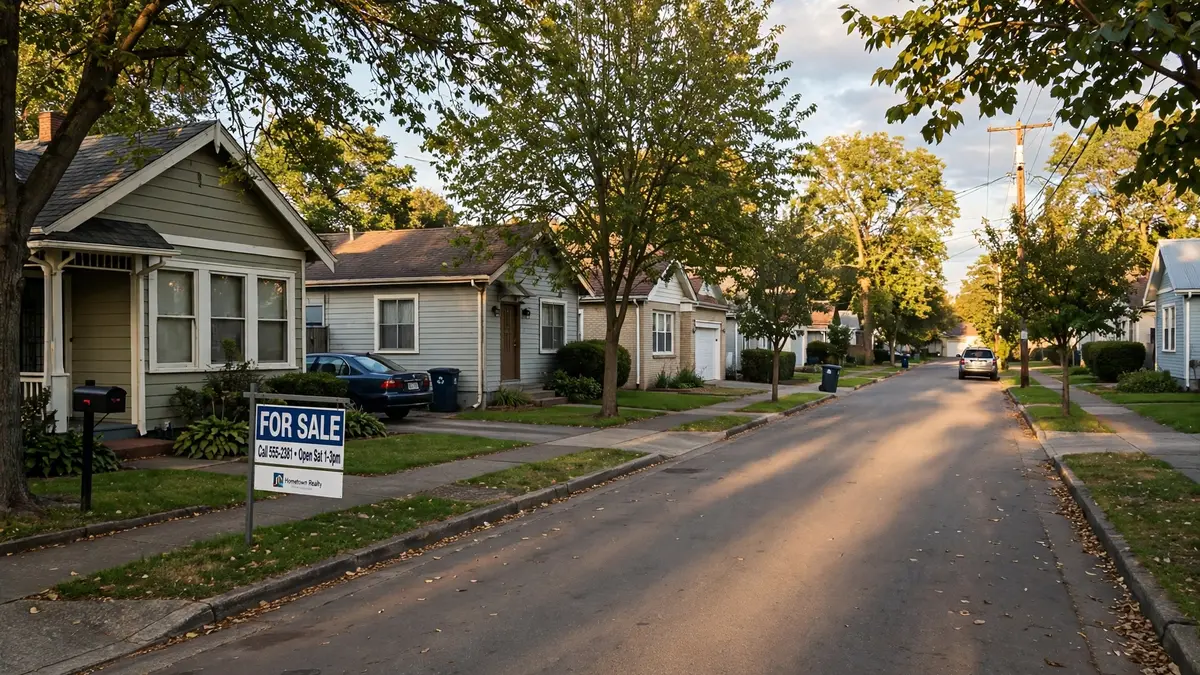

The Fair Housing Act is the United States law that bans discrimination in most housing sales and rentals, and the question it answers is a practical one: can a landlord or seller turn you away because of who you are? The short answer is no, not in the housing the law covers, because the Act makes it illegal to refuse to sell or rent, or to set different terms, on the basis of race, colour, religion, sex, disability, familial status or national origin. It was passed in 1968, and it remains the main federal protection for anyone looking for a home.
The law is wide, but it is not unlimited. A few small owner-occupied buildings fall outside it, and the Act works alongside state and local laws that sometimes add further protections. This guide explains what the Fair Housing Act covers, who it protects, what counts as discrimination, and what you can do if you believe it has happened to you.
Key takeaways
- The Fair Housing Act is Title VIII of the Civil Rights Act of 1968, signed into law by President Lyndon B. Johnson.
- It bans housing discrimination based on race, colour, religion, sex, disability, familial status and national origin.
- It covers most sales, rentals, mortgage lending and advertising of dwellings.
- A few exemptions exist, including small owner-occupied buildings and some single-family homes sold by the owner.
- Landlords must allow reasonable modifications and accommodations for tenants with disabilities.
- Complaints can be made to the Department of Housing and Urban Development, generally within one year.
What the Fair Housing Act is
The Fair Housing Act is Title VIII of the Civil Rights Act of 1968, a landmark law passed in the United States during a period of intense debate about civil rights. President Lyndon B. Johnson signed it into law in April 1968, days after the assassination of Martin Luther King Jr. The Wikipedia page on the Fair Housing Act sets out its history and the amendments that followed.
When first passed, the Act banned discrimination based on race, colour, religion and national origin. Sex was added in 1974, and disability and familial status were added in 1988, which is why the list of protected classes looks the way it does today. Familial status means having children under eighteen in the household, or being pregnant, and it protects families with children from being turned away simply because children live there.
The Act is enforced by the Department of Housing and Urban Development, known as HUD, and by the courts. HUD investigates complaints, and a person who believes they have been discriminated against can also bring a case in federal court. Many states and cities have their own fair housing laws as well, and some of these protect additional groups, such as people based on sexual orientation or source of income, that federal law does not name.
Who the Act protects
| Protected class | Added | What it means in practice |
|---|---|---|
| Race | 1968 | Cannot be a reason to refuse, delay or price housing differently |
| Colour | 1968 | Protects against discrimination based on skin tone |
| Religion | 1968 | Covers belief and practice, including religious dress |
| National origin | 1968 | Covers country of birth and ancestry |
| Sex | 1974 | Includes protection against sexual harassment in housing |
| Disability | 1988 | Brings rights to modifications and accommodations |
| Familial status | 1988 | Protects households with children under eighteen |
The seven protected classes are the heart of the Act. Race and colour may look similar, but they are separate protections: race concerns a person’s racial group, while colour concerns skin tone, which can matter even within the same racial group. National origin covers where a person or their family comes from, and religion covers both belief and practice.
Disability has its own detailed rules, because it is not only about refusing housing. Landlords must allow tenants with disabilities to make reasonable modifications to their homes at their own expense, such as fitting grab bars in a bathroom, and must make reasonable accommodations to rules and policies, such as allowing an assistance animal in a building with a no-pets policy. These duties are part of what makes the Act practical rather than merely symbolic.
Familial status is often misunderstood. A landlord cannot refuse to rent to a family because children live there, and cannot charge higher rent or impose stricter rules on families with children than on other tenants. There is a narrow exception for housing built specifically for older people, but a standard family home cannot do the same.
What counts as discrimination
The most obvious form is a direct refusal: a landlord who says a flat is taken when it is not, or a seller who will not consider an offer from a buyer of a particular background. Refusals are rarely stated openly, so the law also covers the subtler signs, such as a property suddenly becoming unavailable after a viewing, or different terms being offered to different applicants for the same home.
Steering is another banned practice. This is when an agent shows homes only in certain neighbourhoods based on a buyer’s background, guiding them away from areas where they would be welcome. Redlining is related: refusing to lend, or lending on worse terms, in particular neighbourhoods, often those with large minority populations. Blockbusting, where agents stir up fear that an area is changing in order to push sales, is also covered.
Advertising is covered too. A listing cannot state a preference for or against any protected group, such as describing a home as suitable only for a particular kind of tenant. The same applies to mortgage lending: a lender cannot refuse a loan, charge a higher rate or impose harsher conditions because of a protected characteristic. The Act also bans retaliation, so a landlord cannot punish a tenant for complaining about discrimination or for helping someone else make a complaint.

The exemptions worth knowing
The Act covers most housing in the United States, but a few situations fall outside it. The best known exemption is for owner-occupied buildings with no more than four units, where the owner lives in one of the units. A person letting out rooms in their own small building can choose their tenants more freely, although the ban on discriminatory advertising still applies to them.
Single-family homes sold or rented by the owner, without using a broker or agent, are also exempt in some circumstances, provided the owner does not own more than a small number of such homes. Religious organisations and private clubs may give preference to their own members in housing they own and operate for non-commercial purposes, although even here the exemption is narrow and does not cover race.
Housing for older people is a further exception. Communities built for residents aged fifty-five and over, or for those aged sixty-two and over, may restrict occupancy by age. These exemptions are specific and limited: a landlord who claims one must actually meet its conditions, and the advertising ban still applies across the board.
What to do if you face discrimination
If you believe you have faced housing discrimination, write down what happened as soon as you can. Note the dates, the names of the people involved, what was said and what was advertised. Keep copies of listings, emails, messages and application forms, since a paper trail matters far more than memory when a complaint is investigated.
You can file a complaint with HUD, generally within one year of the incident, and HUD will investigate without charging you. The complaint can be made online, by post or by phone, and HUD can also refer the matter to a state or local agency where one exists.
You can also speak to a lawyer or a local fair housing organisation, many of which offer free advice and can help you work out whether what happened is covered. Moving home is stressful enough without a legal dispute, so get advice before deciding whether to complain, negotiate or take the matter further. If you are moving for a new job, our guide to the best job portals for remote jobs can help with the work side, and accelerating your career growth is worth reading if the move is part of a bigger change. For the money side, see our guide to Valon Mortgage before you sign anything.
A checklist before you sign a lease or buy
- Read the listing carefully and note any wording that suggests a preference for a particular kind of tenant.
- Keep copies of every listing, application, email and message from the landlord or agent.
- Ask for the same terms as other applicants, and note any differences in rent, deposit or conditions.
- Check whether the property falls under an exemption, such as a small owner-occupied building.
- If you have a disability, put requests for modifications or accommodations in writing.
- Research your state and local fair housing laws, which may protect more groups than federal law.
- Note dates and names on the day anything happens, while the details are fresh.
- If something feels wrong, contact HUD or a local fair housing organisation promptly.
Frequently asked questions
What is the Fair Housing Act in simple terms?
The Fair Housing Act is the United States law that bans discrimination in most housing sales, rentals, lending and advertising. It protects people from being treated differently because of race, colour, religion, sex, disability, familial status or national origin.
When was the Fair Housing Act passed?
It was passed in 1968 as Title VIII of the Civil Rights Act of 1968, and signed into law by President Lyndon B. Johnson. Sex was added as a protected class in 1974, and disability and familial status were added in 1988.
Does the Fair Housing Act apply to all landlords?
It applies to most landlords, sellers, agents and lenders, but there are narrow exemptions. The main ones are small owner-occupied buildings with no more than four units, and some single-family homes sold or rented by the owner without a broker.
Can a landlord refuse to rent to families with children?
No, not in housing covered by the Act. Familial status has been a protected class since 1988, so a landlord cannot refuse a family because children live there, or charge them more. The exception is housing built specifically for older people.
What should I do if I think I have been discriminated against?
Write down what happened, keep copies of listings and messages, and file a complaint with HUD, generally within one year. You can also contact a local fair housing organisation or a lawyer, many of whom offer free advice on housing discrimination.
Does the Fair Housing Act cover mortgage lending?
Yes. A lender cannot refuse a mortgage, charge a higher rate or impose harsher conditions because of a protected characteristic. The same ban covers advertising, so a lender cannot market loans only to favoured groups.
The bottom line
The Fair Housing Act is a straightforward promise: in most housing in the United States, who you are should not decide whether you get a home. It protects seven groups, it covers sales, rentals, lending and advertising, and it gives people a real route to complain when the promise is broken. The exemptions are narrow, the duties on landlords are real, and the protections for people with disabilities go further than a simple ban on refusal. If you are house hunting, know the list of protected classes, keep a paper trail, and remember that a complaint to HUD costs nothing.
This article is general information about United States law, not legal advice, and it cannot cover your particular situation. Laws and their interpretation change, and state and local rules may differ. If you need advice about a specific housing problem, speak to a qualified lawyer or a fair housing organisation in your area.