Eating vegetables is essential for a healthy lifestyle, but cooking them the right way can maximize their nutrients, improve digestion, and enhance flavours. Many people assume raw vegetables are always better, but this is not entirely true. In this article, we will discover how to eat healthier with cooked vegetables using steaming, roasting, sautéing, and more.
Cooking certain vegetables actually increases their bioavailability, meaning your body can absorb more nutrients. In this article, we will explore 10 proven ways to eat healthier with cooked vegetables, highlighting methods, benefits, and practical tips.
Steam Your Vegetables: Retain Nutrients & Color
Steaming is one of the easiest and healthiest ways to cook vegetables while keeping their essential nutrients intact. Since the vegetables do not touch water directly, water-soluble vitamins like vitamin C and several B vitamins are preserved effectively.
This method also helps maintain the vibrant natural colors and flavours of vegetables. Additionally, steaming softens tough cell walls, making antioxidants more accessible and protecting delicate nutrients from heat damage.
Practical tip: Use a bamboo or metal steaming basket and cover with a lid to ensure even cooking. Vegetables should remain tender-crisp, not soggy, for optimal nutrient retention. Steaming is ideal for broccoli, spinach, zucchini, and cauliflower.
Sauté With Healthy Fats: Eat Healthier With Cooked Vegetables

Freepik
Sautéing vegetables quickly over medium heat with a small amount of healthy oil, such as olive, avocado, or coconut oil, helps minimize nutrient loss while enhancing flavor. This method also promotes the absorption of fat-soluble vitamins like A, E, and K and antioxidants such as carotenoids.
Practical tips include using a wide skillet to avoid overcrowding and cooking just until the vegetables are tender. A small pinch of salt, garlic, or fresh herbs can further elevate taste. This technique works particularly well for bell peppers, kale, and carrots.
Key Feature:
-
Quick cooking preserves more vitamins compared to long boiling
-
Enhances flavor without excessive fat
-
Promotes absorption of antioxidants like carotenoids
Microwave Vegetables: Fast and Nutrient-Friendly
Microwaving is often misunderstood, but it’s one of the most nutrient-preserving cooking methods. It uses minimal water, which prevents leaching of vitamins and minerals. Microwaving also cooks quickly, reducing exposure to high heat.
Retains Vitamin C, B Vitamins, and Antioxidants
Microwaving vegetables helps preserve delicate nutrients like vitamin C, several B vitamins, and antioxidants. Since the vegetables cook quickly with minimal water, these essential vitamins remain mostly intact, supporting overall health and immunity.
Requires Minimal Oil or Water
This method uses very little oil or water, making it a low-fat and low-calorie way to cook vegetables. Minimal water also prevents nutrient loss, ensuring that your vegetables retain both flavor and nutritional value.
Convenient for Busy Lifestyles
Microwaving is extremely quick and easy, making it ideal for people with busy schedules. In just a few minutes, you can prepare tender, nutrient-rich vegetables without the need for extensive prep or supervision.
Roast Vegetables: Flavor & Antioxidants
Freepik
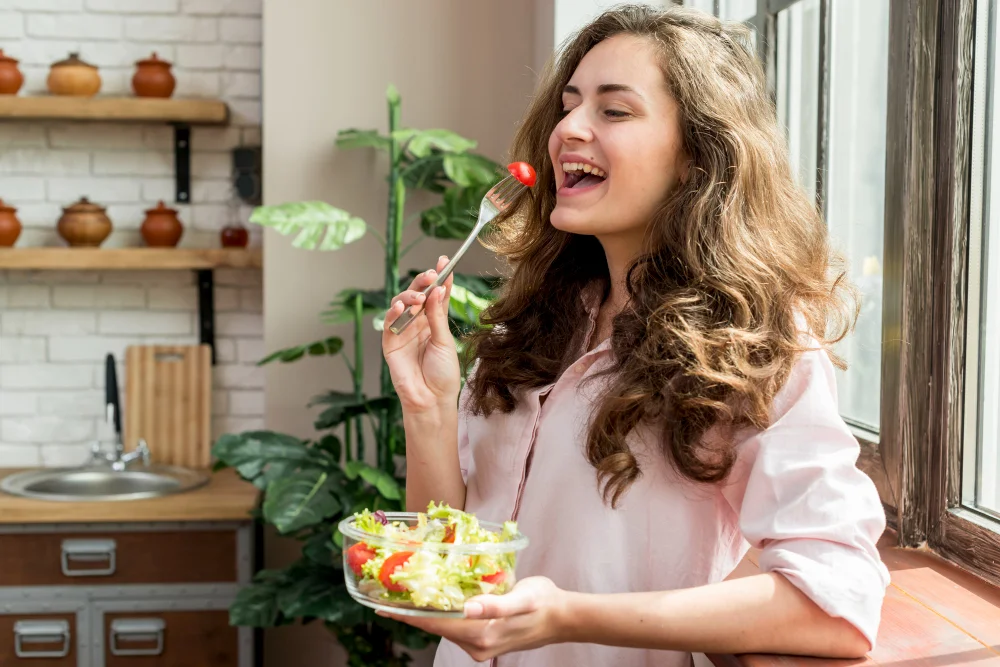
Roasting is excellent for enhancing flavor and increasing antioxidant concentration. Water evaporates during roasting, which can make beta-carotene and lycopene more concentrated. However, high temperatures may degrade vitamin C, so balance is key.
Key Benefits: Eat Healthier With Cooked Vegetables
- Brings out natural sweetness and flavor
- Concentrates certain antioxidants
- Creates appealing textures
Pressure Cooking: Quick and Nutrient-Rich
Pressure cooking uses high steam pressure to cook vegetables rapidly, preserving nutrients that are often lost during long cooking methods. This technique is especially beneficial for dense vegetables like potatoes, squash, and beans, which typically require longer cooking times.
It can preserve up to 90% of vitamins and minerals while shortening cooking time and saving energy. Pressure cooking also helps maintain the natural flavors of vegetables. For best results, use minimal water, avoid overcooking, and consider combining with a steaming basket to keep texture intact.
Blanch & Shock: Crisp and Colorful Vegetables
Blanching involves briefly boiling vegetables and then immediately plunging them into ice water. This rapid cooling stops the cooking process, locking in vibrant colors and preserving important nutrients like vitamin C and antioxidants.
This method also maintains the crisp texture of vegetables and prepares them well for freezing without significant nutrient loss. It works best for broccoli, green beans, and asparagus, typically boiling for 2–3 minutes before shocking in ice water.
Pair Vegetables With Healthy Fats
Certain nutrients, particularly carotenoids, are fat-soluble, meaning they are better absorbed when paired with healthy fats. Adding a small amount of fat to cooked vegetables can significantly boost nutrient uptake while also enhancing flavor.
For example, sautéed spinach with olive oil provides more vitamin K than plain cooked spinach. Practical ways to add healthy fats include drizzling olive oil, tossing with avocado, or sprinkling nuts.
Key Benefits: Eat Healthier With Cooked Vegetables
-
Enhances absorption of vitamins A, D, E, and K
-
Boosts antioxidant benefits
-
Improves flavor
Mix Raw and Cooked Vegetables: Maximum Nutrition
Combining raw and cooked vegetables allows you to benefit from both heat-sensitive nutrients and those that become more bioavailable with cooking. For instance, bell peppers retain more vitamin C when raw, while tomatoes release more lycopene after cooking.
This approach covers all nutrient bases, increases variety and flavor, and encourages higher overall vegetable consumption. A practical tip is to make salads with raw veggies and pair them with roasted or steamed vegetables as a side dish.
Use Cooking Water: Eat Healthier With Cooked Vegetables
Freepik
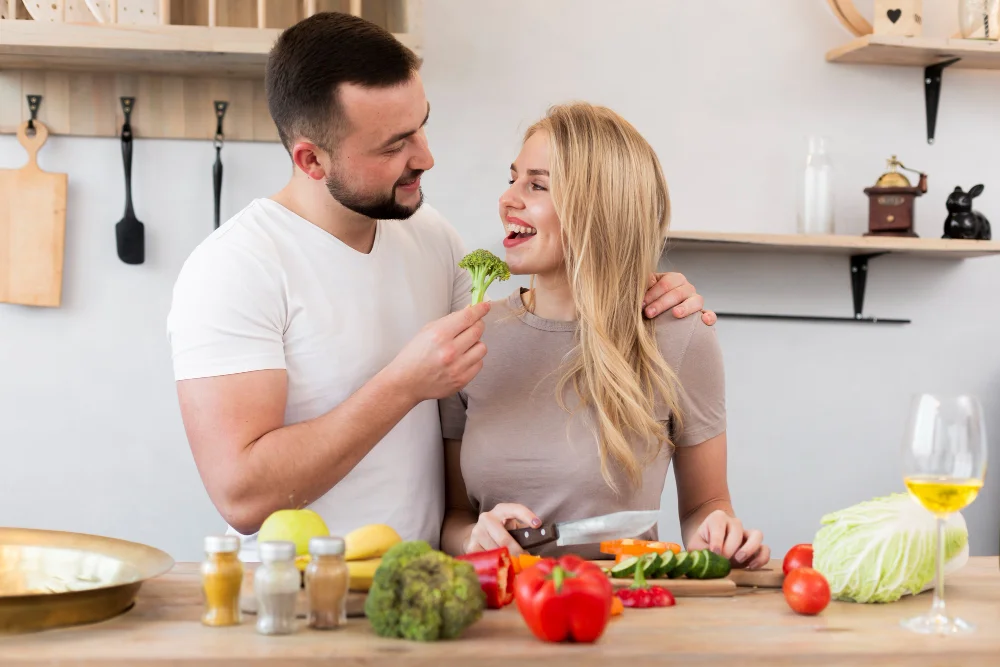
When boiling vegetables, nutrients can leach into the water. Instead of discarding it, use the water as a base for soups, sauces, or gravies, just like you can find creative tips in this guide on viral TikTok beauty products.
Key Benefits: Eat Healthier With Cooked Vegetables
- Retains lost vitamins and minerals
- Adds flavor to recipes
- Reduces food waste
Practical tip: Pour the cooking water over grains or legumes to enhance both nutrition and taste.
Why Cooking Vegetables is Beneficial
Cooking vegetables breaks down tough cell walls, making nutrients like beta-carotene and lycopene more bioavailable. It also reduces anti-nutrients like oxalates, which can block mineral absorption.
While water-soluble vitamins may degrade during cooking, pairing vegetables with healthy fats and using short cooking times helps retain most nutrients. Cooking also improves digestibility and ensures food safety by killing harmful bacteria.
Conclusion: Eat Healthier With Cooked Vegetables
Eating a variety of cooked vegetables using different methods such as steaming, microwaving, blanching, sautéing, and roasting ensures you retain maximum nutrients while enjoying vibrant flavours and textures.
Each cooking method has its unique benefits, from preserving heat-sensitive vitamins to enhancing the absorption of fat-soluble nutrients. By incorporating these techniques into your daily meals, you can easily boost your overall nutrient intake without compromising taste.
Mixing raw and cooked vegetables further enhances nutrition by providing both heat-sensitive and heat-stable nutrients. With simple strategies like adding healthy fats, using minimal water, and practicing meal prep, you can consistently enjoy nutrient-rich, delicious vegetables that support long-term health and well-being.