A cover letter for career change can feel overwhelming when you’re trying to enter a new field and want to present yourself confidently. Yet many employers value adaptability, learning ability, and transferable strengths more than direct experience. Because of this, your letter becomes a chance to show readiness, motivation, and clear purpose.
With the right structure, you can connect your past experience to your future goals in a natural, persuasive way. This guide will help you write a letter that feels human, clear, and aligned with USA hiring expectations. You’ll learn practical tips, strong examples, and simple steps to position your transition with confidence.
How to Write a Strong Cover Letter for Career Change
Writing a cover letter for career starts with understanding the employer’s concerns and addressing them with clarity. Although you’re entering a new field, you can still present yourself as capable by focusing on relevant strengths. Because of this, every section of your letter should show purpose and direction.

Below is the framework that makes the process simple, strategic, and highly persuasive for career changers.
The 4-Part Formula for a Winning Cover Letter for Career Change
Start with a brief introduction that explains who you are and why you’re interested in the role. Although this part is short, it creates the first impression and sets the tone. Because of this, aim to sound confident, warm, and intentional.
Next, connect your previous experience to the new field by highlighting transferable strengths. Even if your background is unrelated, skills like communication, leadership, problem-solving, or customer support still matter. Therefore, keep the focus on value, not job titles.
Then, include one or two achievements that show real impact and measurable results. Although they may come from a different industry, outcomes still prove ability and potential. Because of this, hiring managers will see substance rather than assumptions.
Finally, close with a clear statement of enthusiasm and readiness to contribute. This is your moment to reinforce your motivation and confidence in the transition. Therefore, end with a line that feels genuine, future-focused, and professional.
Key Transferable Skills That Strengthen Your Career Transition
When writing a cover letter during a career shift, transferable skills become the bridge that connects where you’ve been to where you want to go. Although your past roles may look different from the job you want, your underlying strengths still hold value. Because of this, highlighting these skills makes your transition more convincing.
Below are some of the most impactful transferable skills you can highlight in your letter, especially when switching industries or entering a new field.
- Communication and Collaboration
- Problem-Solving and Critical Thinking
- Leadership and Initiative
- Customer Service and Relationship Building
- Adaptability and Willingness to Learn
Practical Tips for Writing a Cover Letter for Career Change
A well-written career change letter helps you present your transferable skills with confidence while showing employers why your background still matters. These practical tips will help you create a message that feels clear, intentional, and genuinely persuasive, even if you’re stepping into a completely new field.
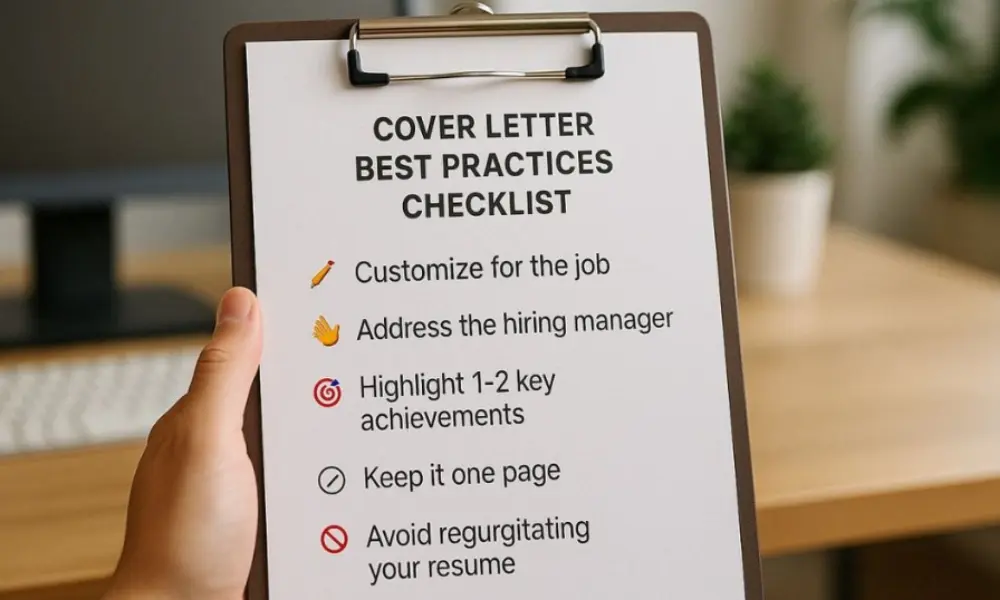
Image Source: theladders.com
1. Start With a Strong Opening
Begin with a clear opening that briefly introduces who you are and why you’re applying. Although your background may be different, show confidence in the direction you’re taking. This sets a positive tone and assures the employer that your transition is thoughtful and well-planned.
2. Focus on Transferable Skills
Transferable skills are the bridge between your past and your future, so highlight them with clarity. Whether it’s communication, leadership, or analytical thinking, show how these strengths will support the role you’re pursuing. Even better, emphasize the skills that repeatedly appear in job descriptions for your target industry.
3. Connect Your Past to Your Future
Employers want to see the logic behind your career shift, not a spontaneous decision. Therefore, explain how your previous roles shaped valuable abilities that naturally carry into the new field. When your story shows intention, it becomes easier for a hiring manager to trust your direction.
4. Show Genuine Motivation
A compelling career change letter always includes honest motivation. Share what inspired you to choose this new path and why the industry matters to you now. As long as your explanation feels sincere and focused, it strengthens your credibility.
5. Keep It Clear and Concise
Clarity is essential when presenting a new career direction. Instead of long stories or unrelated timelines, stick to relevant points that highlight your readiness. A concise letter shows professionalism and respects the employer’s time.
6. Add an Example of Relevant Experience
Even if your experience is minimal, one or two examples can help your message stand out. This may include volunteer work, freelance projects, certifications, or tasks that mirror the new role. These small details make your transition feel grounded and practical.
7. Maintain a Professional Tone
Your tone shapes the employer’s perception, so keep it professional, warm, and confident. Avoid sounding uncertain about your shift; instead, focus on what you bring to the table. This balance shows maturity and readiness for a new path.
8. End With a Positive Call to Action
Finish with a clear, appreciative closing that invites the employer to continue the conversation. Even a simple line expressing your interest in discussing your experience further adds clarity. This strong finish reinforces your enthusiasm without sounding pushy.
Common Mistakes to Avoid in a Cover Letter for Career Change
A career change letter must be strategic, and avoiding common mistakes helps you communicate with clarity and confidence. Because employers look for intention and professionalism, removing these common errors instantly strengthens your message. With a few adjustments, your letter becomes more concise, persuasive, and aligned with what hiring managers expect.
1. Over-Explaining Your Career Change
It’s easy to over-explain your transition when you want to justify your decision. However, long stories can distract from your qualifications and make you sound unsure. Instead, keep your explanation short, positive, and focused on your future direction.
2. Highlighting Irrelevant Experience
Not every role from your past supports your new career goals, so avoid including details that don’t add value. Too much unrelated information can confuse the employer and dilute your message. Focus on the experience that strengthens your case and clearly connects to your new path.
3. Sounding Apologetic
Some candidates feel the need to apologize for lacking direct experience, but doing so weakens confidence. Rather than downplaying your background, emphasize the strengths you already have. Highlighting adaptability and transferable skills creates a more capable and forward-looking impression.
4. Using Generic Language in Cover Letter for Career Change
Generic statements like “I’m a hard worker” offer little insight into your abilities. Instead, use specific examples and clear language that show what you actually bring to the role. This makes your message more compelling and helps employers understand your real value.
5. Forgetting to Customize the Letter
A one-size-fits-all letter often feels flat and disconnected from the job you’re targeting. Customizing your message shows effort and helps you align better with the company’s goals. Even small adjustments can significantly improve your letter’s impact.
6. Writing a Long, Overly Formal Letter
Overly formal language may create distance between you and the employer, especially in modern hiring. Keeping your letter concise and conversational makes it more relatable and easier to read. When your tone feels balanced, your motivation becomes clearer and more believable.
7. Ignoring Achievements in Cover Letter for Career Change
Your achievements matter, even if they come from a different industry, so don’t leave them out. Measurable results help hiring managers understand the impact you’ve made in previous roles. By including simple metrics, you make your experience stronger and more convincing.
Career Change Cover Letter Example to Guide Your Writing
Crafting a career change letter becomes much easier when you can see how everything fits together. Below is a simple, polished example that shows how to highlight your transferable skills, explain your motivation, and create a smooth transition into a new field all in a confident and professional way.
[Your Name]
[Phone Number]
[Email Address]
[City, State]
[LinkedIn URL]
[Today’s Date]
[Hiring Manager’s Name]
[Company Name]
[Company Address]
[City, State]
Dear [Hiring Manager’s Name],
I’m writing to express my interest in the [Job Title] position at [Company Name]. Although I am transitioning from a different industry, I have gained strong communication, problem-solving, and organizational skills that align well with this role. Because these strengths have consistently supported my success, I’m confident they will help me contribute effectively in this new direction.
In my previous position as a [Previous Job Title], I learned how to manage complex tasks, collaborate with diverse teams, and adapt quickly to shifting priorities. These experiences taught me how to think strategically while staying focused on outcomes, which is especially valuable as I move into the [New Industry] field. Additionally, I’ve completed [Course/Certification/Project] to strengthen my understanding and prepare for this shift.
What excites me most about this opportunity is the chance to apply my existing strengths while continuing to grow in a role that aligns with my long-term goals. I’m eager to bring a fresh perspective, support your team’s initiatives, and learn the technical aspects that this position requires.
Thank you for considering my application. I would welcome the chance to discuss how my background and transferable skills can support your team. I appreciate your time and look forward to connecting soon.
Sincerely,
[Your Name]
Conclusion
A strong cover letter for career change gives you the chance to explain your story with confidence and clarity. Even though shifting into a new field may feel overwhelming, the right message can show employers exactly why your background still brings value. With the right structure, clear motivation, and well-presented transferable skills, your transition becomes much easier for hiring managers to understand.
Most importantly, this journey is not just about rewriting your professional path it’s about communicating your potential in a fresh and meaningful way. When you focus on what you can contribute, highlight real strengths, and stay honest about your goals, your next opportunity becomes far more attainable.
FAQs
How do I explain a career change in a cover letter?
Focus on your motivation, highlight transferable skills, and briefly connect your past experience to the new role.
Should I mention lack of experience directly?
Yes address it honestly but shift the focus toward skills, achievements, and your ability to learn quickly.
How long should a career change cover letter be?
Keep it to one page with 3–4 short paragraphs that clearly explain your transition.
What skills should I highlight when switching careers?
Showcase universal skills like communication, problem-solving, teamwork, leadership, and adaptability.
Can I use a career change cover letter template?
Absolutely templates help with structure, but always personalize each section to the job.
How do I make my cover letter stand out?
Use a strong opening line, clear achievements, confident tone, and a tailored explanation of your career shift.
Should I include numbers or metrics?
Yes adding quantifiable results strengthens your credibility and makes your past impact more visible.