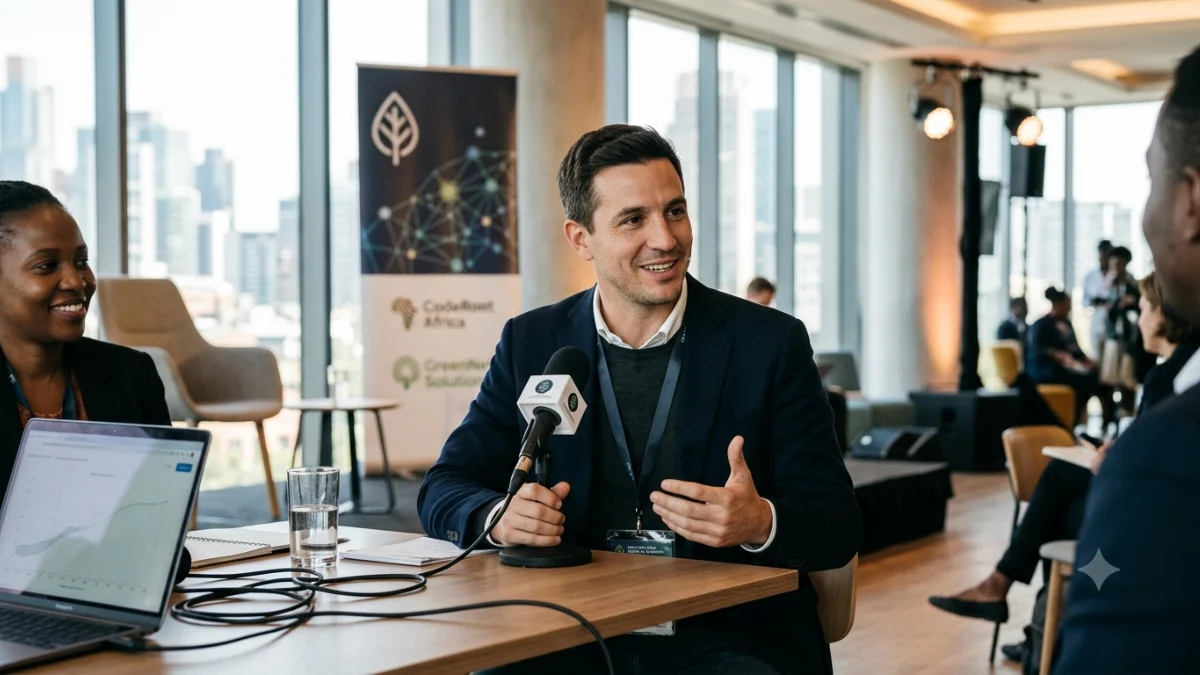
Networking at industry events is one of the fastest ways to build meaningful professional relationships, discover new opportunities, and grow your influence in your field. However, many people feel nervous, unsure, or even overwhelmed when stepping into a room full of strangers.
The good news is that networking is a skill, not a talent. Therefore, anyone can learn it with the right approach. In this guide, you’ll learn exactly how to network with confidence, start conversations naturally, and leave a strong impression that lasts well beyond the event.
Why Networking at Industry Events Matters
Industry events are full of people who share your interests, challenges, and professional goals. Because of that, they offer a rare chance to connect with the right people in the same space.
Moreover, these events aren’t just about collecting business cards. Instead, they are about building trust and creating future possibilities. Whether you are looking for clients, mentors, job leads, partnerships, or industry insights, networking helps you move forward faster.
Additionally, face-to-face conversations often create stronger bonds than emails or social media messages. As a result, the relationships you form at events can open doors that online networking usually can’t.
Set Clear Goals Before You Attend
Walking into an event without a plan can make you feel lost. Therefore, it’s smart to decide what success looks like before you arrive.
Start by asking yourself:
-
Who do I want to meet?
-
What kind of opportunities am I looking for?
-
What knowledge do I want to gain?
For example, you might want to meet three potential collaborators, introduce yourself to one speaker, or find two people who work in a company you admire. Once you have goals, you’ll feel more confident and focused.
Also, clear goals help you avoid wasting time. Instead of floating around the room, you’ll know where to invest your energy.
Do Quick Research to Feel More Confident
A little preparation can make a big difference. So, before the event, check the agenda, the speaker list, and the attendee list if available.
Additionally, look up key speakers or companies you’re interested in. This makes it easier to start conversations because you’ll already have talking points.
Moreover, knowing what sessions you want to attend helps you meet people with similar interests. Therefore, you won’t have to force conversations—you’ll naturally connect through shared topics.
Networking at Industry Events: Create a Strong First Impression

Source: Pinterest
First impressions matter, but you don’t need to be perfect. Instead, focus on being friendly, confident, and genuine.
Smile, make eye contact, and keep your body language open. This instantly makes you approachable. Moreover, when you introduce yourself, speak clearly and confidently.
Here’s a simple introduction format:
“Hi, I’m [Name]. I work in [Industry/Role], and I’m here because I’m interested in [topic].”
This sounds natural and makes it easier for the other person to respond.
How to Start Conversations Without Feeling Awkward
Starting a conversation is often the hardest part. However, it becomes easy when you use simple opening lines.
Try these:
-
“What brought you to this event?”
-
“Which session are you most excited about?”
-
“How did you get into this industry?”
-
“Have you attended this event before?”
These questions are easy to answer. Therefore, they reduce pressure and keep the flow going.
Also, listen more than you speak. People remember those who make them feel heard. As a result, good listening is often your biggest networking advantage.
Build Real Connections Instead of Collecting Contacts
Many people make the mistake of meeting too many people too quickly. However, quality matters more than quantity.
Instead of rushing through conversations, focus on building genuine connections. Ask thoughtful questions, show interest, and respond with care.
Moreover, don’t try to sell immediately. While networking can lead to business, people prefer trust first. Therefore, aim to build relationships before pitching anything.
A strong connection often starts with a simple moment: a shared experience, a meaningful conversation, or a helpful idea.
Use Event Sessions as Networking Opportunities
Networking doesn’t only happen during breaks. In fact, sessions can be great for meeting people too.
Sit next to someone and start a light conversation before the talk begins. Then, after the session, share your thoughts. For example:
“That speaker made a great point about leadership. What did you think?”
This works well because it feels natural. Also, it creates an instant connection through shared learning.
Additionally, asking speakers a thoughtful question after the session can help you stand out. Therefore, don’t be afraid to engage if you have something meaningful to say.
Master the Art of Networking Confidence

Source: Pinterest
Confidence doesn’t mean being loud. Instead, it means being comfortable in your own skin.
If you feel nervous, remind yourself: most people are also looking for connection. Therefore, you are not alone.
Also, take breaks if needed. Step outside, grab water, and return when you feel ready. This helps you stay calm and present.
Moreover, set small goals like speaking to one person at a time. This prevents overwhelm and makes networking feel manageable.
What to Say When the Conversation Ends
Ending a conversation can feel awkward. However, it becomes easy when you use polite closing lines.
Try these:
-
“It was great meeting you. I’d love to stay connected.”
-
“I enjoyed our conversation. Can I get your contact info?”
-
“Thanks for sharing that. I’m going to check out the next session, but let’s connect soon.”
This keeps things smooth and professional. Additionally, it makes the other person feel respected.
Follow Up the Right Way After the Event
Following up is where networking becomes powerful. Without it, even great conversations fade. Therefore, make follow-up a priority.
Within 24 to 48 hours, send a short message:
-
Mention where you met
-
Mention something you discussed
-
Suggest staying connected
For example:
“Hi Sara, it was great meeting you at the marketing panel. I loved your insights on branding. Let’s stay in touch—I’d love to learn more about your work.”
This feels personal and professional. Moreover, it increases the chance of a real connection.
Also, don’t just follow up once. Continue to engage occasionally by checking in or sharing helpful insights.
Common Networking Mistakes to Avoid
Even smart professionals make networking mistakes. However, avoiding these can set you apart immediately.
-
Talking only about yourself
-
Interrupting or looking around while someone speaks
-
Being overly sales-focused too soon
-
Not following up
-
Avoiding people who seem “important”
Moreover, if you want to strengthen your professional growth even further, you can explore internship strategies for students to learn how early career planning and smart communication can improve your networking results.
FAQs
How do I network at industry events if I’m introverted?
Start small and focus on one conversation at a time. Moreover, prepare a few opening questions in advance. You can also arrive early when the room is quieter, which makes networking easier.
What should I bring to an industry networking event?
Bring business cards if relevant, but also bring confidence and a friendly attitude. Additionally, keep your phone charged, dress professionally, and carry a small notebook for quick notes.
How many people should I meet at one event?
It depends, but focusing on 5 to 10 meaningful conversations is often better than meeting 30 people briefly. Therefore, aim for depth instead of speed.
What if I don’t know anyone at the event?
That’s completely normal. In fact, most attendees arrive alone. So, use simple openers like “Hi, is this your first time here?” and the conversation will begin naturally.
How do I follow up without sounding pushy?
Keep it friendly and personal. Mention what you talked about and show genuine interest. Moreover, avoid asking for favors immediately. Let the relationship develop naturally.
Conclusion
Networking at industry events is one of the most valuable skills you can build for long-term career growth. It helps you create relationships, learn faster, and find opportunities that often don’t appear online.
However, success doesn’t come from being the loudest person in the room. Instead, it comes from showing up prepared, being present in conversations, and following up with intention.
So, attend your next event with clear goals and a calm mindset. With consistent effort, your network will grow, your confidence will improve, and your professional future will become much stronger.
Also, if you’re currently planning a career move and want guidance on making a smart transition, check out this helpful guide on career switch in your 30s to explore strategies that can support your next step.