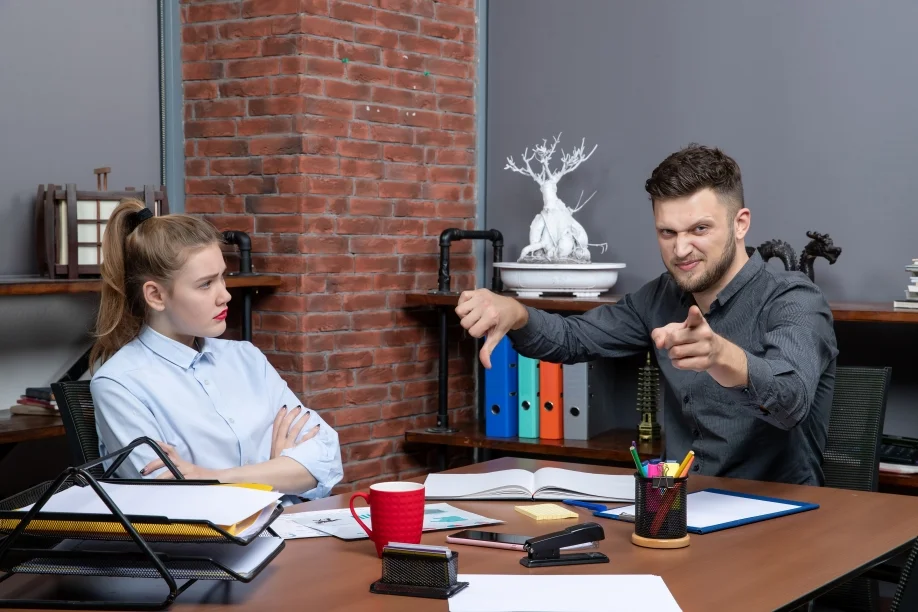
Office etiquette basics are the small, everyday habits that shape how people experience you at work. While skills and talent matter, your manners often decide how trustworthy, respectful, and professional you appear. That’s why learning workplace etiquette is not just helpful—it’s essential.
Moreover, good etiquette makes communication smoother, reduces misunderstandings, and builds stronger teamwork. Whether you work in a corporate office, a startup, or a shared workspace, the way you behave influences your reputation. So, if you want to be respected, promoted, and remembered for the right reasons, mastering office etiquette is the smartest move.
Why Office Etiquette Matters More Than You Think
Office etiquette is not about being overly formal or pretending to be someone you’re not. Instead, it’s about showing respect, maintaining professionalism, and creating a comfortable environment for everyone.
For example, when you speak politely, listen carefully, and honor boundaries, others feel valued. As a result, trust grows, collaboration improves, and workplace stress decreases.
In addition, etiquette creates consistency. When people know what behavior to expect, the office becomes calmer, more organized, and far more productive.
Professional Communication in the Workplace
Communication is at the heart of office life. However, professional communication is more than just talking—it involves tone, timing, and clarity.
Speak Clearly and Respectfully
Always aim to speak with confidence and kindness. Even if you’re under pressure, try not to sound rude or impatient. Instead, take a breath and respond calmly.
Also, avoid sarcasm in professional settings because it can easily be misunderstood. If you disagree, express your opinion politely and offer a solution.
Email and Message Etiquette
Work emails should be short, clear, and professional. Start with a greeting and end with a polite closing.
Likewise, your messages should stay respectful and structured. Don’t use too many emojis, slang, or casual expressions unless your office culture allows it.
Furthermore, avoid sending messages late at night unless it’s urgent. It shows respect for others’ personal time.
Meeting Manners That Make You Stand Out
Meetings are where people notice your attitude and discipline. Fortunately, simple habits can help you look professional instantly.
Be Punctual and Prepared
Arrive on time, and if possible, come a few minutes early. This shows reliability and respect.
Additionally, always review the agenda before the meeting. Take notes, and be ready to contribute when needed.
Don’t Interrupt or Dominate
Everyone deserves a chance to speak. So, wait your turn and listen fully before responding.
Moreover, if you have a lot to say, keep your points organized and short. That way, the discussion stays productive.
Respecting Personal Space and Privacy
Workplaces bring different personalities together. Therefore, respecting boundaries is a key part of office etiquette basics.
Keep Your Voice and Noise Level in Control
Avoid speaking loudly on calls, especially in shared areas. If you need to take a long call, step into a meeting room or a quieter corner.
Similarly, keep your phone on silent during meetings and avoid playing videos without earphones.
Don’t Touch Other People’s Items
Even if you’re close colleagues, never use someone’s desk, chair, or personal items without permission. It might feel small, but it can make others uncomfortable.
Also, avoid reading documents on someone’s screen unless they invite you. Privacy matters, even at work.
Workspace Cleanliness and Hygiene
Source: Pinterest
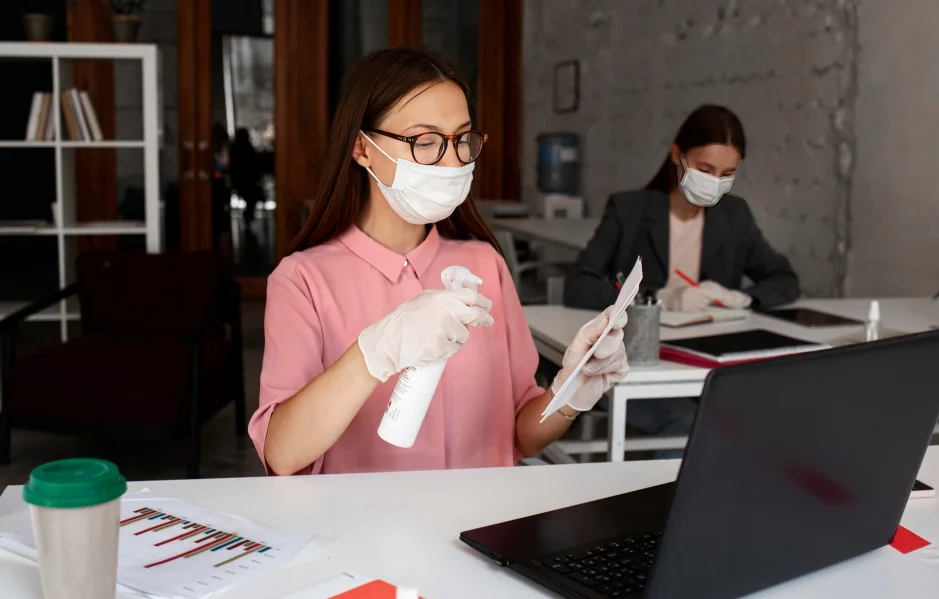
A clean desk and good hygiene improve not only your image but also your team’s comfort.
Maintain a Tidy Desk
While you don’t need a perfect desk, you should keep it neat and organized. It helps you stay focused and makes you look responsible.
Moreover, do not leave wrappers, dirty cups, or food crumbs. It can quickly create a negative impression.
Personal Hygiene and Office Smells
Always practice basic hygiene. Wear clean clothes, use deodorant, and keep your breath fresh.
Additionally, be mindful of strong perfumes. Some people are sensitive, so keeping things mild is usually best.
Lunch Break and Pantry Etiquette
Shared spaces are where etiquette is tested the most. However, with a little consideration, you can avoid common workplace conflicts.
Respect Shared Food and Space
Never take food that isn’t yours, even if it looks abandoned. If it’s not clearly shared, don’t touch it.
Also, clean up after yourself. Wash dishes or place them in the right area.
Furthermore, don’t leave food in the fridge for too long. It becomes unpleasant and affects others.
Be Mindful While Eating
Some foods have strong smells. So, avoid bringing meals that can disturb others, especially in a small office.
Likewise, eat at appropriate places and avoid eating at your desk if it spreads smells or mess.
Workplace Behavior and Professional Attitude
Office etiquette basics also include how you behave emotionally and socially at work.
Control Your Emotions
Work can be stressful, but emotional outbursts can harm your image. Instead, handle disagreements calmly.
Moreover, if you feel upset, take a break, breathe, and return with a clear mind. Emotional maturity is respected everywhere.
Avoid Gossip and Negative Talk
Gossip might feel harmless, but it destroys trust. So, don’t share rumors or personal details about coworkers.
Instead, keep conversations positive and focus on work-related topics. This shows professionalism and class.
Respecting Office Hierarchy Without Being Afraid

Source: Pinterest
A professional workplace has structure. Therefore, respecting seniors and leadership is important, but you should also communicate confidently.
Use Professional Language with Seniors
When speaking to managers or supervisors, be respectful and clear. Avoid being overly casual unless your office culture supports it.
Additionally, don’t challenge someone in public. If you have feedback, share it privately and politely.
Be Polite to Everyone, Not Just Leaders
True professionalism means treating everyone with respect—receptionists, cleaners, interns, and coworkers.
In fact, being kind to all employees builds a strong reputation and shows your real personality.
Dress Code and Appearance at Work
Your appearance sends a message before you speak. That’s why dressing appropriately is a key part of office etiquette basics.
Dress According to Your Workplace Culture
Some offices require formal wear, while others prefer smart casual. So, observe the workplace culture and dress accordingly to stay professional and confident.
Also, wear clean, ironed clothes and maintain a neat look. As a result, you will appear more reliable and polished. If you want to grow faster in your career, your professional appearance plays an important role and you can learn more practical strategies in this guide on how to accelerate career growth in any industry.
FAQs
What is the most important rule of office etiquette?
The most important rule is respect. When you respect time, space, and communication, everything else becomes easier.
How can I improve my office etiquette quickly?
Start by being punctual, listening carefully, and speaking politely. Also, keep your workspace clean and avoid gossip.
Is office etiquette different in remote work?
Yes, but the basics remain the same. In remote work, be timely on calls, respond professionally, and respect working hours.
How do I handle rude coworkers professionally?
Stay calm and don’t react emotionally. Instead, set boundaries politely and report repeated issues through proper channels.
Why do people judge office etiquette so much?
Because etiquette reflects your attitude, discipline, and teamwork skills. It often affects promotions and trust more than people realize.
Conclusion
Office etiquette basics are not complicated, yet they make a huge difference in your professional life. When you communicate respectfully, honor personal space, maintain cleanliness, and behave with maturity, you naturally become someone people enjoy working with.
Most importantly, good etiquette builds trust. And in any workplace, trust is the foundation of success. So, practice these habits daily, stay consistent, and you’ll not only look professional you’ll feel confident too.
Also, if you’re preparing for your next career step, don’t miss this helpful guide on most common job interview questions and answers to boost your confidence and make a strong impression.