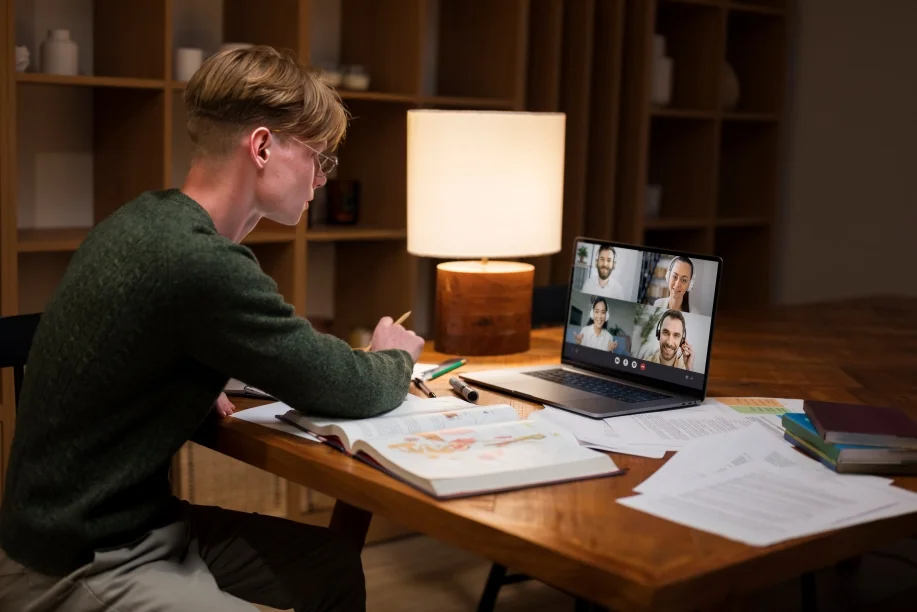
In today’s digital era, remote work skills have become essential for anyone hoping to succeed outside a traditional office. As more companies shift to flexible and hybrid models, professionals must learn how to stay productive, communicate clearly, and manage their time effectively. Because of this massive shift, understanding the right remote work skills can help you stand out and stay confident in a competitive job market.
Why Remote Work Skills Matter More Than Ever
The workplace has evolved quickly, and remote work is no longer a temporary trend. Instead, it has become a long-term reality for millions of professionals. Therefore, developing strong remote work skills not only helps you keep up with change but also opens doors to global job opportunities.
Moreover, businesses now look for workers who can manage tasks independently, stay organized, and collaborate smoothly across digital platforms. Consequently, mastering these skills helps you work smarter, communicate better, and build a successful career from anywhere.
Top Remote Work Skills You Need to Master
Source: Pinterest
Below are the most important remote work skills that can boost your productivity and growth.
1. Time Management and Organization
Time management is one of the most valuable remote work skills. Without a structured environment, it’s easy to get distracted. Therefore, creating a daily schedule, setting priorities, and breaking tasks into smaller steps can help you stay focused.
In addition, using digital tools like Google Calendar, Notion, or Trello can make planning easier. As a result, you’ll complete your work more efficiently and reduce stress.
2. Clear and Effective Communication
Since remote work relies heavily on digital communication, clear messaging is crucial. This includes writing professional emails, giving thoughtful updates, and participating actively during virtual meetings.
Furthermore, you should learn how to use collaboration tools such as Slack, Zoom, or Microsoft Teams. When everyone communicates clearly, teamwork becomes smoother, even from a distance.
3. Tech Savviness
To work remotely, you don’t need to be a tech expert. However, you should be comfortable using digital tools and troubleshooting basic issues. This saves time and ensures you remain productive.
Additionally, learning essential software such as cloud storage, project management tools, or remote access systems makes you more adaptable. You can explore helpful remote work tools through trusted technology resources like pcmag.com to stay updated.
4. Self-Motivation and Discipline
Working remotely requires discipline. Since you don’t have a manager physically nearby, you must stay motivated on your own. Therefore, setting personal goals and working in a distraction-free space can help you stay committed.
Moreover, rewarding yourself after completing tasks can boost your motivation even further.
5. Adaptability and Flexibility
Because remote work environments change quickly, adaptability is a key strength. Sometimes projects shift direction or team members are in different time zones. Consequently, being flexible allows you to adjust easily and maintain productivity.
6. Emotional Intelligence
Emotional intelligence, or EQ, helps you understand others and express yourself respectfully. Although remote communication lacks physical cues, being aware of tone, timing, and empathy can strengthen your professional relationships.
Furthermore, practicing active listening during virtual meetings can help reduce misunderstandings.
7. Problem-Solving Skills
Remote workers often face issues such as slow internet, unclear instructions, or technical difficulties. Therefore, being able to identify solutions quickly is essential.
Additionally, problem-solving encourages independence, which employers greatly appreciate in remote settings.
8. Collaboration and Teamwork
Even though remote work feels independent, teamwork is still very important. Because projects often involve multiple people, learning how to collaborate virtually helps ensure smooth progress.
As a result, sharing ideas openly, giving supportive feedback, and respecting deadlines build strong teamwork habits.
9. Digital Etiquette
Digital etiquette, also known as “netiquette,” helps maintain professionalism online. This includes using polite language, being punctual during meetings, and avoiding unnecessary notifications.
Moreover, respecting others’ time and communication preferences can lead to better collaboration.
10. Work-Life Balance
Finally, maintaining a healthy work-life balance is essential for long-term success. When working remotely, it’s easy to blur the line between home and office. Therefore, setting boundaries, taking breaks, and ending work at a reasonable time keeps your mind refreshed.
In addition, a healthy balance leads to better creativity and productivity. To stay motivated and inspired in your professional journey, you can explore business biographies that highlight real stories of growth, discipline, and success perfect for boosting your mindset while working remotely.
Practical Tips to Improve Your Remote Work Skills

Source: Pinterest
Below are simple steps you can take to strengthen your abilities:
-
Create a dedicated workspace
-
Use a daily task list
-
Set specific working hours
-
Communicate consistently with your team
-
Take breaks to avoid burnout
-
Learn new digital tools regularly
-
Ask for feedback to grow
By applying these steps consistently, you’ll notice a major improvement in your remote efficiency.
Benefits of Strong Remote Work Skills
Developing these skills leads to multiple advantages:
-
Increased job opportunities
-
Higher productivity
-
Less stress
-
Stronger teamwork
-
Better time control
-
More career flexibility
Additionally, employers value workers who manage themselves well, making you stand out as a reliable team member.
FAQs
1. What are the most important remote work skills?
Time management, communication, tech comfort, self-motivation, and adaptability are the most essential skills.
2. Can anyone learn remote work skills?
Yes! With practice, anyone can develop these abilities, even beginners.
3. How do I stay productive while working from home?
Creating routines, using digital tools, and setting boundaries can significantly improve productivity.
4. Do remote work skills help in traditional office jobs?
Absolutely. These skills improve organization, communication, and efficiency in any workplace.
Conclusion
In conclusion, remote work skills are no longer optional—they are essential for anyone hoping to succeed in today’s fast-paced digital world. By mastering abilities like communication, time management, adaptability, and teamwork, you can build a productive, rewarding career from anywhere. Moreover, these skills allow you to stay competitive and confident in a constantly evolving job market.
If you want to strengthen your mindset for remote success, consider exploring some inspiring reads. You can check out this helpful guide on the best biographies to read to learn valuable lessons from successful individuals.
Start developing your remote work skills today, and you’ll be fully prepared for the future of work.