A Biography Graphic Organizer is one of the most effective tools for organizing the major details of a person’s life. Because it breaks information into simple visual sections, it helps both students and writers understand key events clearly.
In this complete guide, you will learn how organizers work, why they are helpful, and how to use them to create engaging and meaningful life stories.
What Is a Biography Graphic Organizer?
A Biography Graphic Organizer is a visual layout that helps you collect, arrange, and understand information about a person’s life. It usually contains sections for early life, major events, challenges, achievements, and legacy.
Although biographies can be long and detailed, this organizer simplifies everything, making it easier for learners and writers to focus on what truly matters. Because of its simple and structured design, teachers often use these organizers in classrooms to help students summarize historical figures, authors, scientists, or inspiring leaders.
Why You Should Use a Biography Graphic Organizer
Using a graphic organizer provides many clear benefits. First, it simplifies complicated information, allowing you to see connections between events.
Additionally, it saves time because you don’t need to reorganize your notes repeatedly. It also improves comprehension and recall, since visual layouts help the brain process information more effectively.
Furthermore, students develop strong critical-thinking skills when they decide which details are most important. Writers also benefit because the organizer creates a natural outline, making it easier to build a smooth and engaging biography.
Key Elements Found in a Biography Graphic Organizer
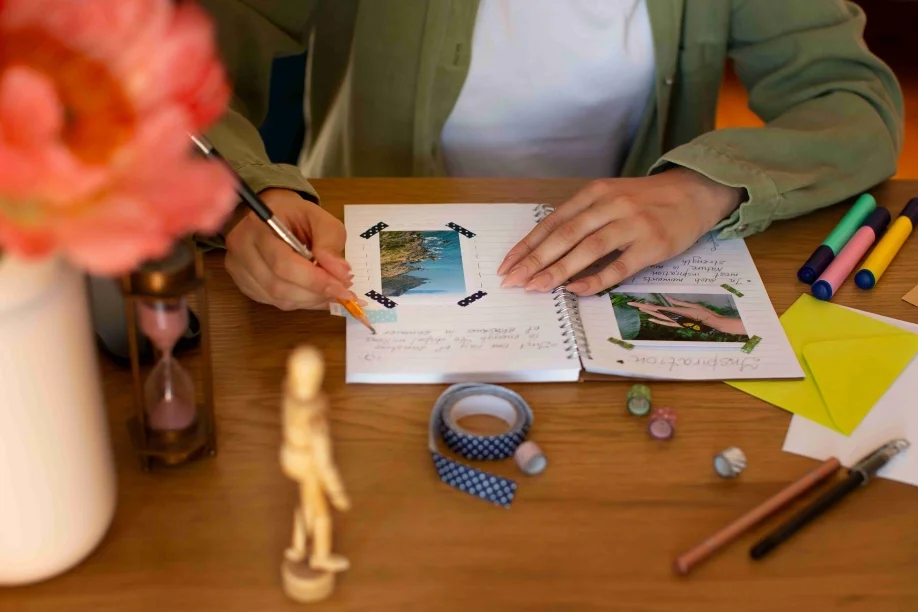
Source: Pinterest
Basic Information
This section introduces the person, including their name, birthdate, birthplace, and sometimes a brief overview of their family. These details help set the foundation for the rest of the biography.
Early Life
Here you include childhood experiences, hobbies, education, and early influences. Because early experiences often shape a person’s values and personality, this section is essential for understanding their later choices.
Major Life Events
This part highlights key moments that shaped the person’s journey. Important events may include achievements, career decisions, major moves, or personal turning points.
Challenges or Obstacles
Every meaningful biography includes struggles or difficulties. Since challenges show growth and character, readers connect more deeply when they see how someone overcame obstacles.
Achievements and Contributions
This section outlines major accomplishments, awards, and contributions to society. Because achievements inspire readers, this part is often the highlight of the organizer.
Legacy and Impact
Here you describe how the person influenced others, changed their field, or left a lasting mark. Legacy provides a meaningful conclusion and explains why the person is remembered.
How to Use a Biography Graphic Organiser Effectively
Source: Pinterest
Step 1: Do Thorough Research
Start by gathering reliable information from books, interviews, articles, or documentaries. Additionally, always double-check important facts since accuracy is critical in biographies.
Step 2: Fill Out Each Section
Begin with basic information, then continue through early life, major events, challenges, achievements, and legacy.
Because the organizer follows a natural structure, it keeps the writing process organized and stress-free.
Step 3: Identify Key Connections
After adding all information, look for patterns or connections. For example, a childhood interest may lead to a lifelong passion.
These connections make the biography more engaging and meaningful.
Step 4: Turn the Organizer Into a Biography
Use the completed organizer to write clear paragraphs. Since you already have the main structure, the writing becomes much smoother.
Step 5: Revise for Clarity and Flow
Finally, edit your work to improve flow and accuracy. Add transition words, adjust sentence structure, and ensure every section feels connected.
Types of Biography Graphic Organizers

Source: Pinterest
Timeline Organizer
A timeline helps you place life events in chronological order. Because it shows progression clearly, this format is perfect for historical figures or long life stories.
Web or Concept Map
This organizer uses circles and connecting lines, allowing you to show relationships between different aspects of a person’s life. It’s especially helpful when organizing multiple achievements or influences.
To explore inspiring examples that work perfectly with this type of organizer, you can check out these biographies for teens, which offer real-life stories that help students better understand how achievements and influences connect in meaningful ways.
Story Map
A story map breaks the biography into a beginning, middle, and end. This approach is simple and ideal for younger students.
Venn Diagram
A Venn diagram allows you to compare two individuals. It highlights similarities and differences clearly and visually.
Benefits for Students and Teachers
Students benefit from using graphic organizers because they make information easier to digest. Additionally, because the organizer breaks complex information into smaller sections, it improves understanding and retention.
Teachers appreciate how organizers encourage structured thinking. Moreover, they help teachers quickly assess student comprehension. Finally, graphic organizers spark creativity, as students can add drawings, symbols, or colors to personalize their work.
For additional learning tools and teaching strategies, you can explore https://www.edutopia.org, a trusted educational resource offering expert guidance.
FAQs
What is the main purpose of a Biography Graphic Organizer?
Its main purpose is to organize key life details clearly so writing a biography becomes easier and more structured.
Is a graphic organizer good for beginners?
Yes, it is perfect for students, teachers, and even new writers who need a simple way to gather and arrange information.
Can graphic organizers be used for school projects?
Absolutely. They help students research effectively, understand content, and develop stronger writing skills.
Can I design my own organizer?
Yes, you can create your own using paper, online tools, or customizable templates.
Conclusion
A Biography Graphic Organizer is a powerful tool for turning complex life information into a clear, engaging story. Additionally, it encourages deeper understanding, supports better organization, and makes the writing process far more enjoyable.
Moreover, because it lays out details visually, anyone whether a student, teacher, or writer, can use it to create meaningful and inspiring biographies with confidence. Furthermore, it helps simplify information, consequently making the writing process smoother. In addition, it boosts clarity and ensures each part of a life story is easy to follow. If you want to explore inspiring life stories for practice, you can check out this helpful list of best biographies to read to strengthen your understanding even more.