Career planning for creatives is essential for turning passion into a thriving professional journey. In today’s competitive creative industry, having a clear roadmap allows artists to navigate opportunities while avoiding common pitfalls. Moreover, it helps designers and other creative professionals align their personal goals with market demands effectively.
Furthermore, thoughtful career planning empowers creatives to balance artistry with financial stability. By using structured strategies, they can identify growth paths and professional development opportunities. Consequently, this guide offers practical insights and actionable steps to build a sustainable career roadmap for designers and creative professionals.
Why Creative Professionals Need a Career Plan
Career planning for creatives is more than simply setting goals it provides clarity in a constantly evolving industry. Without a structured approach, many talented artists struggle to find consistent work or direction. Therefore, having a career roadmap for designers ensures both focus and steady progress.

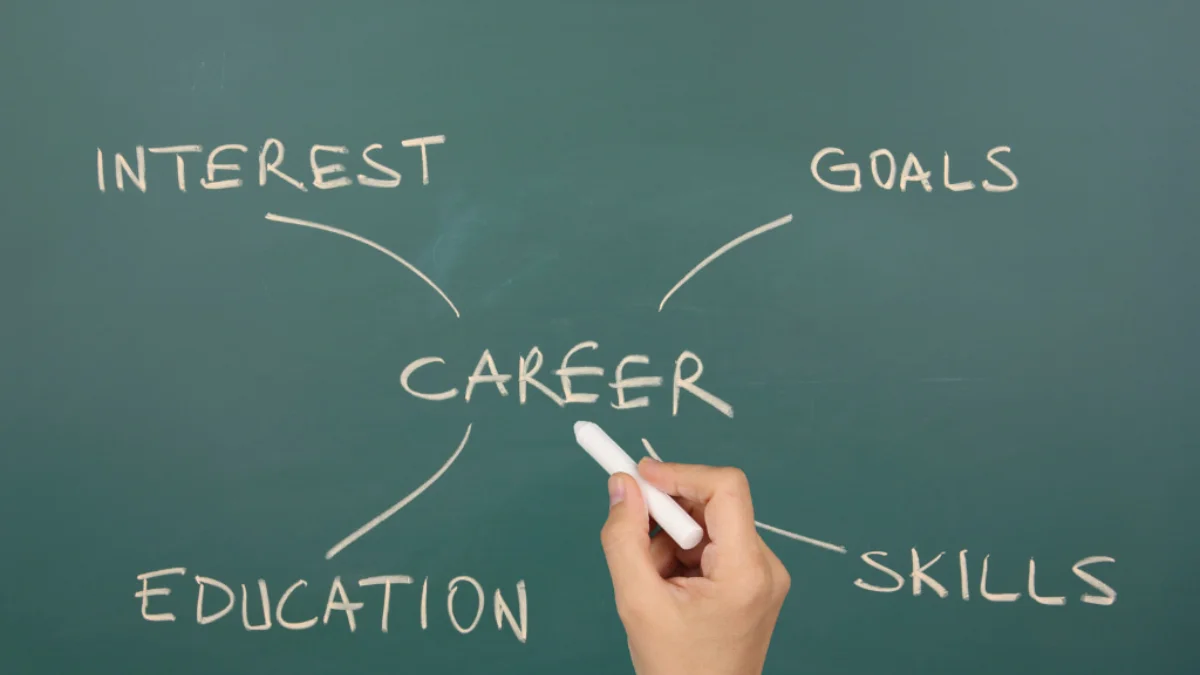
Image Source: acube-digital.in
Additionally, a clear plan helps artists anticipate challenges and seize opportunities. By mapping professional development for artists, creatives can align their skills with industry demands effectively. As a result, this proactive approach builds credibility, confidence, and long-term success in the creative industry.
Self-Assessment: Understanding Career Planning for Creatives
Career planning for creatives starts with a deep understanding of your own strengths, passions, and values. By reflecting on your skills and experiences, you can identify which paths align best with your goals. Moreover, this self-assessment forms the foundation of a personalized career roadmap for designers and other creative professionals.
Furthermore, evaluating your creative identity helps in prioritizing professional development for artists. Knowing what you excel at and enjoy most enables better decision-making when exploring opportunities. As a result, creatives can build careers that are not only sustainable but also fulfilling and authentic.
Goal-Setting: Short-Term and Long-Term Career Planning for Creatives
Career planning for creatives requires establishing clear goals that guide immediate actions and future ambitions. Short-term goals, such as mastering a new tool or completing a portfolio project, build confidence and momentum. Meanwhile, long-term goals provide direction for sustained creative industry career growth.
Furthermore, breaking down objectives into actionable steps makes them more achievable. By aligning these goals with skills and interests, artists ensure professional development for artists is consistent and meaningful. Consequently, thoughtful goal-setting transforms uncertainty into a structured, motivating roadmap for success.
Career Planning for Creatives: Designing Your Path to Success
Career planning for creatives becomes tangible through effective career mapping. It allows you to see the bigger picture while organizing steps toward your long-term goals.

Image Source: Freepik
Identifying Key Milestones
Mapping your career starts with identifying significant milestones. These could include completing major projects, launching a portfolio, or reaching financial targets. Therefore, recognizing these moments guides focus and motivates consistent progress.
Anticipating Challenges
Every creative journey comes with obstacles, from creative blocks to client rejections. By forecasting potential challenges, you can prepare solutions in advance. This proactive approach minimizes setbacks and ensures a steady career trajectory.
Aligning Skills and Opportunities
Career mapping also requires connecting your strengths with market opportunities. By evaluating which skills match current industry demands, you can make informed decisions. Consequently, this alignment maximizes both growth and professional satisfaction.
Financial Planning: Balancing Career Planning for Creatives
Career planning for creatives is incomplete without financial sustainability. Balancing income with artistic freedom ensures long-term growth and reduces stress.
Diversifying Income Streams
Relying on a single income source can be risky for creatives. Freelancing, selling prints, teaching workshops, and licensing work are practical ways to diversify. Exploring multiple streams allows artists to maintain stability while pursuing passion projects.
Budgeting and Saving
Effective financial planning requires disciplined budgeting and saving. Tracking expenses and allocating funds for projects or education prevents unexpected setbacks. Consequently, it enables creatives to invest confidently in their professional development for artists.
Pricing Your Work Strategically
Setting the right price for creative work is crucial for sustainable growth. Understanding market value, audience expectations, and project scope ensures fair compensation. As a result, artists maintain financial stability without compromising creative integrity.
Building Your Brand and Online Presence: Career Planning for Creatives
Career planning for creatives involves establishing a recognizable personal brand. A strong brand attracts clients, collaborators, and meaningful opportunities.
Defining Your Unique Identity
Your brand starts with understanding what sets you apart. Consider your style, values, and the message you want to convey. Defining this identity helps create a memorable presence in the creative industry. Additionally, a clear and authentic identity makes it easier for clients and collaborators to connect with your work.
Leveraging Social Media
Social media platforms offer powerful tools to showcase your work and connect with your audience. Consistent posting, storytelling, and engagement build credibility. Consequently, creatives expand their network and attract meaningful opportunities.
Creating a Professional Portfolio
A polished portfolio demonstrates your skills and achievements effectively. Including diverse projects and highlighting your growth shows versatility. As a result, a strong portfolio becomes a cornerstone of a career roadmap for designers and other creatives.
Community, Networking, and Mentorship
Career planning thrives within supportive networks. Building meaningful connections helps artists grow, learn, and access opportunities.
Joining Creative Communities in Career Planning for Creatives
Being part of creative communities allows artists to share experiences and gain inspiration. Online forums, local meetups, and professional groups provide valuable feedback. Consequently, these connections strengthen your career roadmap for designers and other creatives.
Additionally, if you want to build real experience faster, follow this step-by-step guide on how to land an internship and boost your resume to strengthen your profile and open more career opportunities.
Seeking Mentorship in Career Planning for Creatives
Mentors offer guidance, advice, and industry insight that accelerates growth. Learning from experienced professionals helps navigate challenges and avoid common mistakes. As a result, mentorship becomes an invaluable part of professional development for artists.
Collaborating with Peers
Collaborating with fellow creatives opens doors to joint projects and new audiences. Shared experiences also foster innovation and motivation. Therefore, active collaboration enhances both skill development and long-term creative industry career growth.
Conclusion
Career planning for creatives is the foundation for turning passion into a sustainable, fulfilling profession. By assessing skills, setting goals, mapping your path, and managing finances, you create a clear roadmap for success. Additionally, understanding how to advocate for yourself financially is essential early on—especially when transitioning creativity into income. This guide on how to negotiate your first salary offer can help creatives secure fair pay and build confidence at the start of their careers.
Moreover, building a personal brand, engaging with communities, and seeking mentorship amplify growth. When these strategies are combined thoughtfully, creatives can navigate the industry with confidence and achieve long-term professional development. Ultimately, a well-planned career ensures both financial stability and lasting creative satisfaction.
FAQs
What is career planning for creatives?
Career planning for creatives is the process of setting goals, mapping a path, and developing skills to build a sustainable and fulfilling career. It guides artists through opportunities while balancing financial stability and passion.
Why is a career roadmap important for designers?
A career roadmap for designers provides structure and clarity in navigating projects, skill development, and professional growth. Therefore, it ensures consistent progress and long-term success in the creative industry.
How can artists identify their strengths?
Self-assessment is key. Artists can evaluate past projects, seek feedback, and reflect on skills and passions to uncover strengths that align with professional development goals.
How do creatives balance creativity and financial stability?
Diversifying income streams, budgeting, and pricing work strategically help creatives maintain financial stability. This approach allows them to pursue passion projects without compromising sustainability.
How important is networking and mentorship?
Networking and mentorship open doors to collaboration, guidance, and opportunities. Being part of creative communities accelerates growth and strengthens a career roadmap for designers and other creatives.