Time management hybrid work has become essential for U.S. professionals navigating flexible schedules that combine remote and office days. Without effective strategies, it’s easy to feel overwhelmed, miss deadlines, or extend work hours unnecessarily. However, practical techniques can help employees stay productive while maintaining balance effectively.
In today’s hybrid era, mastering time management requires careful planning, smart prioritization, and the right tools. By understanding common challenges and applying proven strategies, professionals can optimize both focused tasks and collaborative work seamlessly. Ultimately, these insights allow employees to thrive in hybrid work while maintaining sustainable productivity.
Hybrid Work Models and Their Challenges: Time Management Hybrid Work
The rise of hybrid work has completely reshaped how professionals structure their days, blending remote flexibility with in-office collaboration. While this model offers freedom, it also introduces unique challenges that can easily disrupt productivity and work-life balance. Therefore, understanding these challenges is the first step toward effective time management hybrid work.

Understanding Different Hybrid Models
Not all hybrid arrangements are identical. For instance, some employees work two days from home and three in the office, whereas others may alternate weeks or follow flexible schedules. Consequently, each model demands tailored strategies to manage tasks, meetings, and collaboration efficiently.
Common Productivity Pitfalls
Hybrid workers often struggle with frequent context switching between remote and office tasks. Meetings may overlap, distractions at home can accumulate, and unclear boundaries may lead to overworking. By recognizing these pitfalls, professionals can proactively design better workflows and avoid common mistakes.
Communication & Collaboration Challenges in Time Management Hybrid Work
Balancing remote and in-office interactions often creates misalignment among teams. Delays in response, inconsistent availability, and fragmented collaboration frequently reduce efficiency. Therefore, implementing structured communication practices is crucial to maintain productivity effectively.
Core Time-Management Techniques
Effective time management hybrid work relies on structured strategies that maximize productivity while simultaneously reducing stress. By adopting proven techniques, professionals can navigate both remote and office responsibilities more efficiently.
Time-Blocking for Focused Work
Time-blocking involves scheduling specific periods for deep work, meetings, and breaks. By allocating dedicated blocks for priority tasks, employees ensure that essential work receives undivided attention. Tools like Google Calendar or Outlook further help visualize and enforce these blocks consistently.
Prioritization with the Eisenhower Matrix
Using the Eisenhower Matrix helps distinguish urgent from important tasks. By categorizing activities into four quadrants, hybrid workers can focus on high-impact projects while delegating or deferring less critical items. Consequently, this method reduces overwhelm and improves decision-making efficiency.
Pomodoro Technique for Remote days
The Pomodoro Technique encourages focused 25-minute work intervals followed by short breaks. Especially useful during remote days, this method boosts concentration, prevents burnout, and provides a measurable rhythm for daily productivity.
Planning Collaborative vs. Solo Tasks
Hybrid work requires balancing collaborative meetings with focused solo efforts. Therefore, scheduling collaborative sessions on in-office days and reserving remote days for individual tasks helps optimize both team interaction and personal output effectively.
Setting Boundaries and Time Management Hybrid Work
Establishing clear boundaries is essential for maintaining focus and preventing burnout in hybrid work environments. Without structure, the lines between personal and professional time often blur, reducing efficiency. Therefore, focusing on work hours, workspace setup, and task transitions is crucial.
Define Your Work Hours: Time Management Hybrid Work
Setting consistent start and end times helps maintain routine and predictability. Moreover, communicating your availability to colleagues ensures expectations are clear and prevents overextension or unplanned interruptions.
Create Physical & Digital Boundaries
Designate a specific workspace at home and minimize distractions such as social media or personal devices during work hours. Additionally, digital boundaries like turning off non-essential notifications protect focused work periods further.
Schedule Buffer Times Between Tasks
Including short breaks or buffer periods between meetings and tasks allows transition time. Consequently, this reduces mental fatigue, prevents overruns, and keeps the workday structured for both remote and in-office responsibilities.
Protect Focused Solo Work
Mark certain periods as “do not disturb” in your calendar to safeguard deep work sessions. Likewise, encouraging team members to respect these times enhances overall productivity and signals professional commitment.
Tools & Technology for Hybrid Productivity
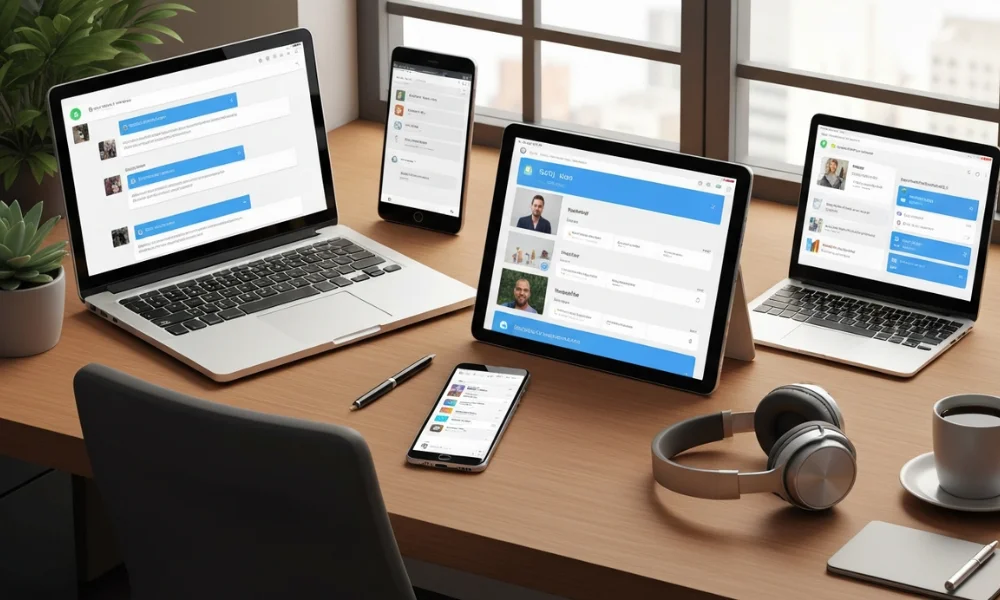
Leveraging the right tools is crucial for effective time management hybrid work. Indeed, digital solutions can streamline collaboration, track progress, and maintain focus across both remote and office environments.
Calendar & Scheduling Tools in Time Management Hybrid Work
Platforms like Google Calendar, Outlook, or Microsoft Teams help structure the day with clear time blocks for meetings and deep work. Moreover, automated reminders and shared calendars keep both individual and team schedules aligned efficiently.
Additionally, if you’re working remotely or preparing for online hiring, these tools become even more useful so make sure to review these practical remote job interview tips to stay confident, organized, and ready for virtual interviews.
Task Management Software
Tools such as Trello, Asana, or Monday.com allow hybrid workers to prioritize, track, and visualize tasks. By organizing tasks in boards or lists, nothing falls through the cracks, enhancing accountability and productivity.
Time-Tracking & Focus Apps
Apps like Clockify, Toggl, or Focus@Will help monitor work hours and measure efficiency. By tracking time spent on tasks, employees gain insights for optimizing workflows and identifying areas needing improvement.
Communication & Collaboration Platforms
Slack, Microsoft Teams, and Zoom facilitate seamless collaboration between in-office and remote team members. By using structured channels and clear guidelines, miscommunication is reduced, and project momentum is maintained.
Well-Being and Mindset Strategies for Time Management Hybrid Work
Maintaining well-being is essential for sustaining productivity in hybrid work environments. Even with strong time management skills, neglecting mental health can reduce efficiency. Therefore, focusing on mindset, rest, and digital balance ensures professionals remain effective and energized.
Key Strategies:
-
Prioritize Breaks: Take short breaks to recharge energy and maintain focus.
-
Set Realistic Goals: Break tasks into manageable steps to avoid overcommitment.
-
Manage Digital Overload: Limit notifications and check emails at scheduled times.
-
Foster a Growth Mindset: Embrace adaptability and learn from challenges regularly.
Time Management Hybrid Work: for Managers & Team Leaders
Time management hybrid work is not only vital for individual contributors but also crucial for managers and team leaders. Indeed, effective leadership in hybrid environments requires balancing team coordination, project deadlines, and individual well-being to maintain productivity and morale.
Plan Collaborative and Individual Work
Schedule team meetings and collaborative sessions on in-office days while reserving remote days for focused individual work. Consequently, this ensures efficient use of team time and maximises productivity across hybrid schedules.
Set Clear Expectations in Time Management Hybrid Work
Communicate responsibilities, deadlines, and availability clearly to the team. Likewise, clear expectations reduce confusion, prevent bottlenecks, and allow team members to manage their own time effectively.
Monitor Workload and Stress Levels
Regularly check in with team members to gauge workload, energy, and stress. Therefore, adjusting priorities and redistributing tasks when needed helps prevent burnout and fosters a healthier work environment.
Encourage Best Practices For Time Management Hybrid Work
Promote strategies like time-blocking, prioritisation, and the use of productivity tools among your team. By leading through example, managers encourage consistent habits and strengthen overall hybrid work efficiency.
Conclusion
FAQ
What is time management hybrid work?
Time management hybrid work refers to strategies and practices that help employees balance tasks effectively across remote and in-office schedules. Consequently, it ensures productivity, reduces stress, and optimizes work-life balance.
How can I stay productive in a hybrid work schedule?
Use techniques like time-blocking, prioritization, Pomodoro sessions, and task management tools. Moreover, clearly separating focused work from collaborative meetings enhances efficiency.
What are the biggest challenges of hybrid work?
Common challenges include context switching between remote and office tasks, unclear boundaries, digital overload, and misaligned communication among team members. Recognizing these challenges helps mitigate productivity loss.
Which tools help manage time in hybrid jobs?
Calendars (Google Calendar, Outlook), task managers (Trello, Asana), time trackers (Clockify, Toggl), and communication platforms (Slack, Microsoft Teams) are highly effective for hybrid productivity.
How can managers support time management in hybrid teams?
Managers can set clear expectations, plan collaborative vs. individual work, monitor workloads, and encourage team adoption of productivity tools and time management techniques.