
Full mouth dental implants cost is one of the first things people ask about when most or all of their natural teeth are failing, and the honest answer is that there is no single figure that fits everyone. The total depends on how many implants you need, the condition of your jawbone, the materials used, and the clinic you choose, so two people with similar smiles can receive very different quotes. What you can do, before you commit to anything, is understand exactly what the treatment involves, which factors push the cost up, and which questions separate a careful plan from a rushed sale.
This guide explains full mouth dental implants in plain language, walks through the main cost drivers, and sets out the alternatives worth weighing. It gives general information only and is not medical advice, so use it to prepare for a proper consultation with a qualified dentist who can examine your mouth and advise on your own situation.
Key takeaways
- Full mouth implants replace most or all teeth in one or both jaws with implant-supported bridges or dentures.
- The number of implants, bone grafting, materials and sedation are the biggest cost drivers.
- Quotes should itemise surgery, implants, the prosthesis, scans and aftercare separately.
- All-on-4 style treatment uses fewer implants but is not suitable for every mouth.
- Alternatives include implant-retained dentures, conventional dentures and staged treatment.
- Always get a written plan, a second opinion, and time to think before agreeing.
What full mouth dental implants actually involve
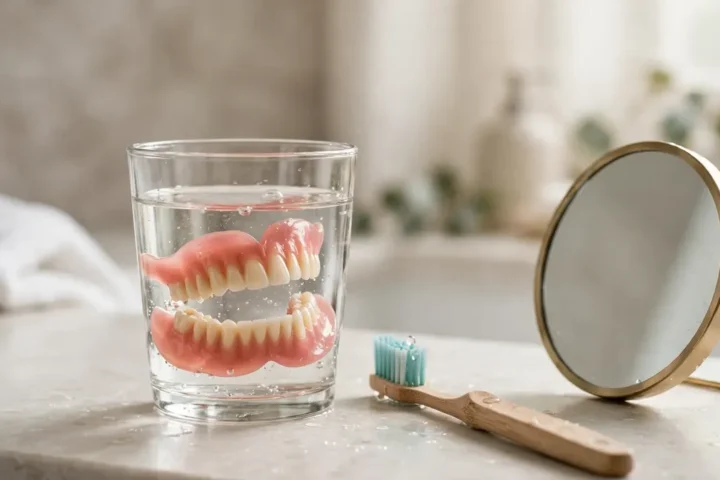
Full mouth dental implants are a way of replacing a whole arch of teeth, upper or lower, or both arches, using small titanium posts placed in the jawbone as anchors. A fixed bridge or a removable overdenture is then fitted onto those posts, so the new teeth stay in place when you eat and speak. The posts act like artificial tooth roots, and over several months the bone grows around them in a process called osseointegration, which is what gives implants their stability.
Treatment usually happens in stages. First comes an assessment with X-rays or a three-dimensional scan, a check of your gum health, and a discussion of your medical history, because conditions such as uncontrolled diabetes or heavy smoking can affect healing. If teeth still need to be removed, that happens next, sometimes on the same day as implant placement. After the implants are placed, there is a healing period of several months before the final bridge or denture is fitted, although many clinics provide temporary teeth in the meantime.
What drives the cost up or down
Number of implants. A full arch is commonly supported by four to eight implants, and each implant, abutment and connection adds to the bill. Fewer implants generally mean a shorter operation and a lower fee, but they place more load on each post, so the choice is a clinical one and your dentist should explain why a particular number was recommended.
Bone quality and grafting. Implants need enough healthy bone to hold them. If bone has shrunk after years of missing teeth or gum disease, a bone graft or a sinus lift may be needed, adding appointments, materials and healing time. Grafting is one of the most common reasons a quote rises above the headline figure.
Materials and laboratory work. The final bridge can be made from acrylic, porcelain-fused materials, or zirconia, each with different durability, appearance and cost. A large share of the fee pays for the dental laboratory that designs and mills the prosthesis, and a well-made bridge that fits precisely is worth more than a cheap one that needs constant adjustment.
Scans, sedation and aftercare. Three-dimensional imaging, sedation, temporary teeth, follow-up visits and hygiene appointments all add up. A quote that looks low may simply leave some of these out, so always ask what is included and what would be charged separately if something needs to be redone.
Clinic and location. Fees vary between clinics and regions, reflecting rent, staffing, equipment and the experience of the team. A lower price is not automatically poor value, and a higher price is not automatically better care, but a quote far below the usual range for your area deserves a careful look at what has been left out.
All-on-4 and similar approaches
You may hear the term All-on-4, which describes a technique where a full arch of fixed teeth is supported by four implants, with the back two placed at an angle to make the most of the available bone. The appeal is clear: fewer implants, often no bone graft, and sometimes teeth fitted on the same day as surgery. For the right patient it can be an efficient and well-tested option.
It is not right for everyone. Angled implants demand precise planning, and if one implant fails, the whole bridge is affected more than it would be in a design with six or eight supports. Some people also need a removable overdenture rather than a fixed bridge, for example when cleaning underneath a fixed bridge would be difficult, or when the shape of the jaw makes a fixed design impractical. A good consultation explains the trade-offs of each design rather than presenting one system as the answer for all.
Other designs sit between the two extremes. An implant-retained overdenture clips onto two or four implants and can be removed for cleaning, which suits people who prefer simpler daily care. A fixed bridge on six implants offers more support and feels most like natural teeth. The right choice depends on your bone, your bite, your cleaning habits and your budget.
Questions to ask your dentist before you agree
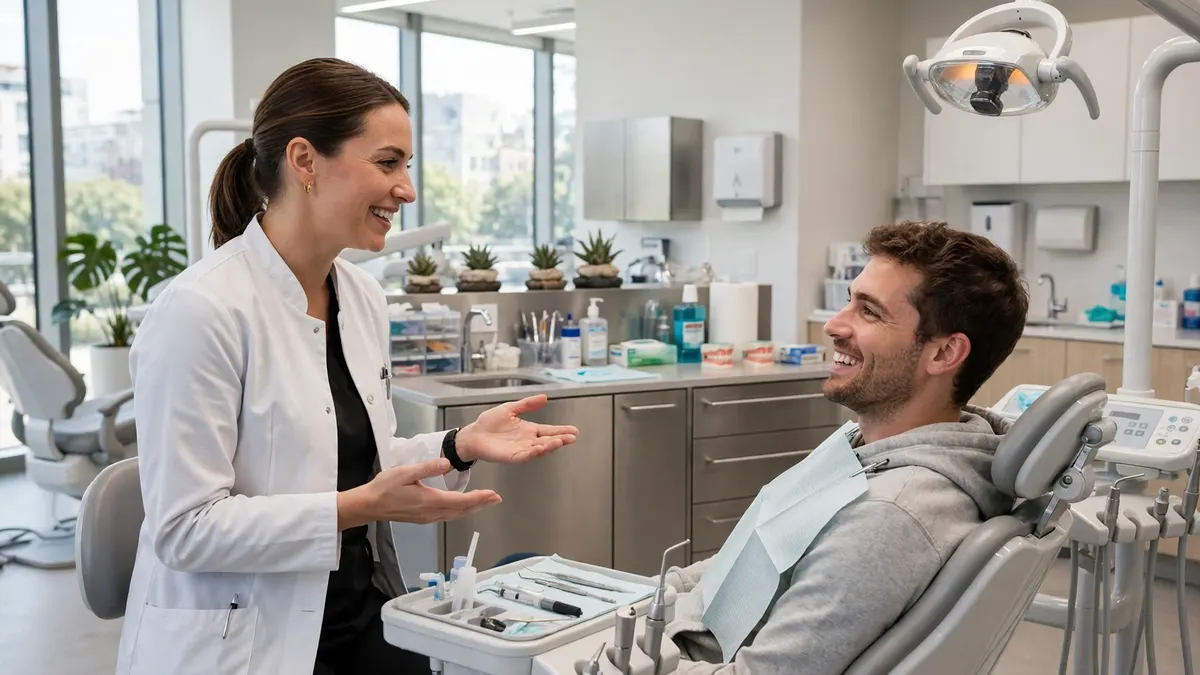
A consultation should feel like a conversation, not a sales pitch. Ask how many implants are planned and why that number was chosen, whether bone grafting is likely, and what type of final teeth you will receive. Ask what is included in the quoted fee, what would cost extra, and what happens if an implant fails to integrate with the bone. A clear written treatment plan with itemised costs protects both sides and lets you compare quotes fairly.
Ask about the dentist’s experience with full-arch work specifically, how many similar cases the clinic completes in a year, and what the follow-up schedule looks like. Implants need regular review and professional cleaning, and long-term success depends as much on maintenance as on the surgery itself.
Take the plan home before you decide. A reputable clinic will not pressure you to book on the day, and a second opinion from another qualified dentist is a sensible step for treatment of this scale. Compare the plans side by side: the number of implants, the materials, the grafting, the sedation and the aftercare. If two quotes differ sharply, the difference is usually in one of those lines, not in the headline.
Alternatives worth weighing
Full mouth implants are not the only route to a working smile. Conventional full dentures cost far less and involve no surgery, although they can move when eating, may need adhesive, and do not stop the jawbone from shrinking over time. For many people they remain a practical and comfortable choice, especially when surgery is not advisable for medical reasons.
Staged treatment is another option worth discussing. Some people have one arch treated first and the other later, spreading both the appointments and the expense. Others keep a well-fitting denture while saving or planning for implants. There is rarely a need to rush, and a phased plan agreed in advance is often easier to live with than a single large commitment made under pressure.

How the main cost factors compare
The table below summarises the factors that most affect what you will pay, so you can see at a glance where a quote can rise or fall.
| Cost factor | What it involves | Effect on the total |
|---|---|---|
| Number of implants | Four to eight posts per arch | More implants, higher cost |
| Bone grafting | Adding bone where it is thin | Can add a large amount |
| Bridge material | Acrylic, porcelain or zirconia | Zirconia usually costs most |
| Fixed or removable | Bridge screwed in or clip-on denture | Fixed designs usually cost more |
| Sedation and scans | 3D imaging and sedation choices | Adds to the quoted fee |
| Aftercare and reviews | Follow-ups and hygiene visits | Ongoing cost over the years |
Your full mouth dental implants cost checklist
- Write down what matters most to you: fixed teeth, easy cleaning, or lowest cost.
- Book a consultation with a dentist experienced in full-arch implant work.
- Ask for a 3D scan and a full assessment of bone and gum health.
- Request a written, itemised quote covering surgery, implants, scans and aftercare.
- Ask how many implants are planned and why that number was chosen.
- Check whether bone grafting is needed and what it would add.
- Ask what happens, and what it costs, if an implant fails to heal.
- Compare the materials offered for the final bridge and their guarantees.
- Get a second opinion before agreeing to treatment of this scale.
- Plan for long-term reviews and professional cleaning after treatment.
Frequently asked questions
How long do full mouth dental implants last?
The implants themselves can last many years, often decades, when they are well placed and properly cared for. The bridge or denture on top wears over time and may need repair or replacement after ten to fifteen years, depending on the material and how it is used. Regular reviews, good cleaning and not smoking all help the treatment last longer.
Is full mouth implant treatment painful?
Surgery is carried out with local anaesthetic, and sedation is available if you are anxious. Most people report soreness and swelling for a few days afterwards, managed with pain relief and rest, rather than severe pain. Your dentist will explain what to expect and how to care for the area while it heals.
Can I eat normally with implant-supported teeth?
Once healing is complete and the final bridge or denture is fitted, most people eat a much wider diet than they could with failing teeth or loose dentures. Very hard foods still need care, and your dentist will advise on anything to avoid while the implants settle in the first months.
How long does the whole process take?
From first consultation to final teeth, treatment often takes several months, because the implants need time to bond with the bone. Some clinics offer temporary teeth on the day of surgery, so you are not left without teeth during healing, but the final bridge is fitted only once the implants are stable.
What if I do not have enough bone for implants?
Thin or shrunken bone is common after years of tooth loss. Options include bone grafting, a sinus lift for the upper jaw, angled implant designs, or fewer implants placed where bone is strongest. Your dentist will use scans to judge which approach suits your jaw.
Are full mouth implants suitable for older people?
Age alone is not a barrier. What matters is your general health, the condition of your gums and bone, and whether you can care for the implants afterwards. Many older adults have successful implant treatment, and a dentist will weigh your medical history before recommending it.
The bottom line
Full mouth dental implants cost is best understood as a range shaped by your mouth, not a single price on a poster. The number of implants, the need for grafting, the materials and the aftercare all move the total, and the cheapest quote is only good value if it includes everything you need. Take time, ask for an itemised plan, and get a second opinion before you commit. For related reading, see our guides on finding a comfortable dental practice, what to expect from professional teeth cleaning, and how walk-in dental appointments work.
Please note: this article gives general information only and is not medical advice. Always consult a qualified dentist about your own dental health before making treatment decisions.