
How to stay young is a question with no single answer, but the honest one is reassuring: staying young is mostly about small daily habits rather than miracle products or expensive treatments. Sleep well, move often, eat sensibly, protect your skin and keep good company, and you will feel younger and look healthier than any cream alone could manage. Nobody can stop the calendar, but the way we age is shaped far more by how we live than most people realise.
Ageing itself is natural, and no habit can promise to reverse it. What the habits in this guide can do is protect your energy, your mobility, your mood and your skin, which are the things that make a person seem young. The best part is that none of them requires a gym membership, a special diet or a large budget. They are ordinary choices, repeated often, that add up over months and years.
Key takeaways
- Seven to nine hours of sleep a night is the foundation of looking and feeling young.
- Daily movement, even walking, protects muscles, joints and mood.
- A varied diet rich in vegetables, fruit and whole foods supports skin and energy.
- Sun protection and gentle skin care matter more than expensive creams.
- Strong friendships and a sense of purpose keep the mind lively.
- Small habits repeated daily beat occasional grand gestures every time.
Sleep: the cheapest youth treatment
Sleep is where the body does its repair work. During deep sleep, the body rebuilds tissue, balances hormones and clears away the waste products of the day. People who sleep badly tend to show it quickly: puffy eyes, dull skin, low energy and a short temper. Most adults need seven to nine hours a night, and the quality of that sleep matters as much as the length.
A regular sleep routine helps more than any gadget. Going to bed and getting up at roughly the same time each day, even at weekends, trains the body clock. A dark, cool bedroom helps, as does keeping screens out of the last hour before bed, since bright light and late-night scrolling both make it harder to drift off. A warm drink, a book or a short wind-down routine signals to the body that the day is ending.
Naps have their place. A short nap of twenty minutes or so can restore energy in the afternoon, but a long late nap can steal sleep from the night that follows. If you nap, keep it early and brief, and treat it as a top-up rather than a replacement for a proper night.
Move every day
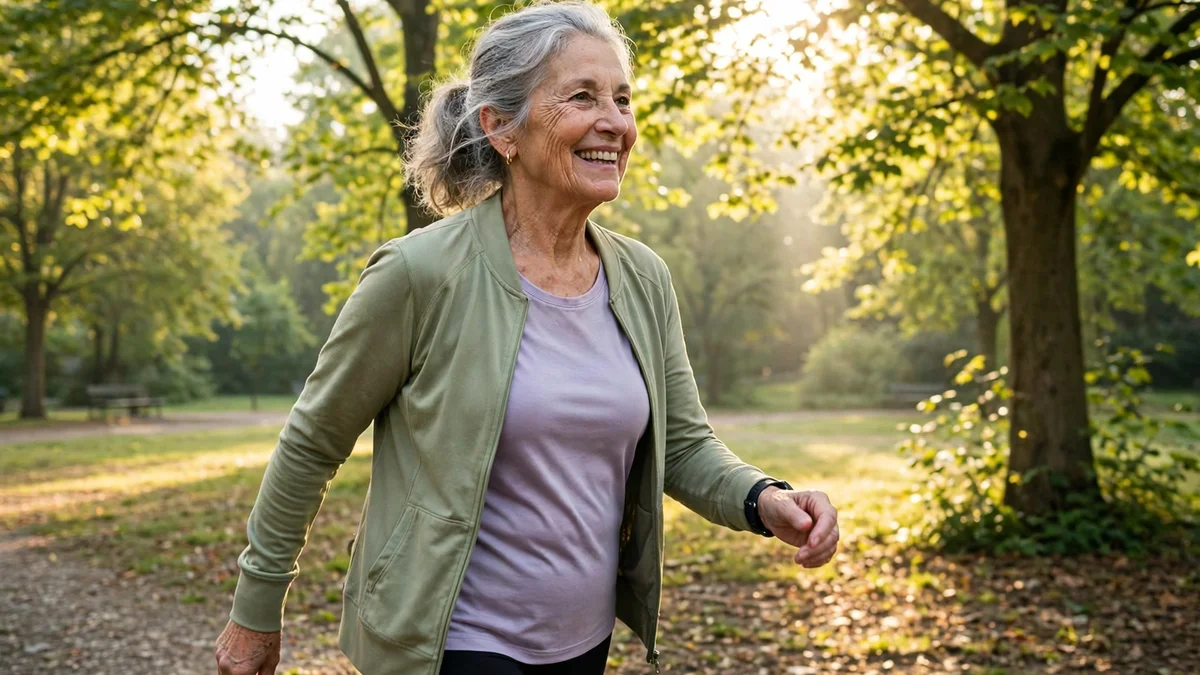
Movement is the closest thing there is to a youth potion. Regular exercise keeps muscles strong, joints supple and bones dense, and it lifts mood by releasing the body’s own feel-good chemicals. It does not need to be intense: brisk walking, cycling, swimming, dancing and gardening all count, and the best exercise is the one you will actually do tomorrow as well as today.
Strength matters as much as stamina. After the age of thirty, muscle is gradually lost unless it is used, and weaker muscles make everyday tasks harder and falls more likely. Two short sessions a week of bodyweight exercises, resistance bands or light weights are enough to slow that loss. Squats, wall press-ups and carrying shopping bags all build useful strength without a gym.
Balance and flexibility deserve attention too. Simple habits such as standing on one leg while brushing your teeth, stretching after a walk, or joining a yoga or tai chi class all help keep the body steady and mobile. Good balance is one of the quiet markers of youth, and it is also one of the easiest to train.
Eat for energy and skin
Food shapes how we feel and how our skin looks. A diet built around vegetables, fruit, whole grains, beans, nuts, fish and olive oil gives the body the vitamins, minerals and healthy fats it needs to repair skin and keep energy steady. Colourful vegetables are especially useful, since their pigments carry compounds that help protect cells from damage.
Water matters more than most people think. Mild dehydration shows up as tiredness, headaches and dry skin, and it is easy to miss because thirst dulls with age. Keeping a glass or bottle nearby and sipping through the day is a simple fix. Tea, coffee and sparkling water all count towards fluid intake, although water remains the simplest choice.
There is no need for extreme diets or expensive superfoods. The habits that help most are unglamorous: cook at home more often, keep sugary drinks and heavy snacking to a minimum, and eat protein at each meal to support muscle. Crash diets, by contrast, tend to leave people tired and thinner in the face, which is the opposite of the youthful look most people want.

Staying young compared
Some habits pay off quickly, while others take months to show. The table below compares the main areas so you can see where to start.
| Habit | What it helps | When you notice it |
|---|---|---|
| Regular sleep | Energy, skin, mood and memory | Within days |
| Daily walking | Heart, joints, weight and mood | Within weeks |
| Strength exercise | Muscle, bones and balance | Within weeks |
| Varied whole foods | Energy, skin and digestion | Within weeks |
| Sun protection | Skin ageing and dark spots | Over months and years |
| Social life | Mood, memory and motivation | Within days |
Look after your skin
Skin shows age more visibly than any other part of the body, and sunlight is the biggest single cause of premature skin ageing. Daily sun protection is the most effective anti-ageing step there is: a broad-spectrum sunscreen on the face and hands, a hat in strong sun, and shade in the middle of the day. This matters in winter too, since ultraviolet light passes through cloud.
Beyond sun protection, gentle care beats aggressive treatment. Wash with lukewarm water and a mild cleanser, pat the skin dry rather than rubbing it, and use a plain moisturiser to keep the skin barrier healthy. Smoking is worth mentioning plainly: it narrows blood vessels, starves the skin of oxygen and deepens wrinkles, and giving it up is one of the most visible changes a person can make.
Expensive creams promise a great deal and deliver modest results. A good moisturiser and sunscreen will do most of the work, and no cream can replace sleep, movement and sun protection. If a product stings, flakes or reddens the skin, stop using it; irritated skin ages faster, not slower.
Keep your mind and friendships lively
Staying young is not only physical. People who keep learning, laughing and spending time with others tend to stay sharper and happier. Reading, learning a language, playing an instrument, doing puzzles or taking up a new hobby all give the brain fresh work to do, and that challenge keeps it flexible.
Friendship may be the most underrated youth habit of all. Regular contact with friends and family lifts mood, lowers stress and gives life a sense of purpose. Loneliness, by contrast, is linked with poorer sleep, lower mood and faster decline. A weekly call, a shared meal or a walking group can be enough to keep those ties strong.
Stress itself ages the body. Constant worry raises stress hormones, disturbs sleep and tightens muscles, and over time it shows in the face and the posture. Nobody can remove stress entirely, but a daily walk, a few slow breaths, time outdoors or a short break from the news all help keep it in proportion.
Your stay-young checklist
Pick three items from this list to start with, then add more as they become habits.
- Sleep seven to nine hours, at roughly the same times each day.
- Walk briskly for at least thirty minutes most days.
- Add two short strength sessions each week.
- Eat vegetables or fruit at every meal.
- Drink water through the day and keep a glass nearby.
- Wear sunscreen on your face and hands every day.
- Give up smoking, or cut down with support if quitting feels hard.
- Learn something new, even for ten minutes a day.
- Meet or call a friend at least once a week.
- Take a short break from screens and news each evening.
Frequently asked questions
Can you actually stay young?
Not in the literal sense: ageing is natural and cannot be stopped. What you can do is stay healthier, more mobile and more energetic for longer, which is what most people mean when they talk about staying young. Daily habits shape that far more than any product.
What is the single best habit for staying young?
If you had to pick one, pick sleep. Seven to nine hours of good sleep improves energy, skin, mood and memory within days, and it makes every other habit easier. Movement comes a close second, because it protects muscle, bones and mood at once.
Do anti-ageing creams work?
They can help a little: a good moisturiser keeps skin hydrated and a sunscreen prevents further sun damage, which is the biggest cause of premature ageing. No cream can undo years of sun damage or replace sleep and exercise, so treat creams as a small part of the picture, not the whole answer.
How much exercise do I need to stay young?
Brisk walking for thirty minutes most days, plus two short strength sessions a week, covers the essentials for most adults. More is fine if you enjoy it, but consistency matters far more than intensity, and gentle daily movement beats a rare heroic workout.
Does food really affect how old you look?
Yes, in a modest but real way. A varied diet rich in vegetables, fruit and healthy fats supports skin repair and steady energy, while heavy sugar, alcohol and highly processed food tend to leave skin duller and energy lower. Water matters too, since dehydrated skin looks tired.
Is it too late to start in your sixties or seventies?
No. Research and everyday experience both show that people who start walking, strength training or eating better later in life still gain strength, balance, energy and mood. The body responds to good habits at any age, and small steps count just as much as big ones.
The bottom line
How to stay young turns out to be a short list of ordinary things done well: sleep properly, move every day, eat varied whole foods, protect your skin from the sun, and keep your friendships and your curiosity alive. None of it is glamorous, and none of it works overnight, but together these habits shape how you feel and look more than any product ever will. For ideas that fit the same routine, try our trending home workouts, our trending healthy snacks, and our guide to eat healthier with cooked vegetables.
This article offers general information about wellbeing, not medical advice. If you have a health condition or are starting a new exercise routine, speak to a doctor or another qualified health professional first.