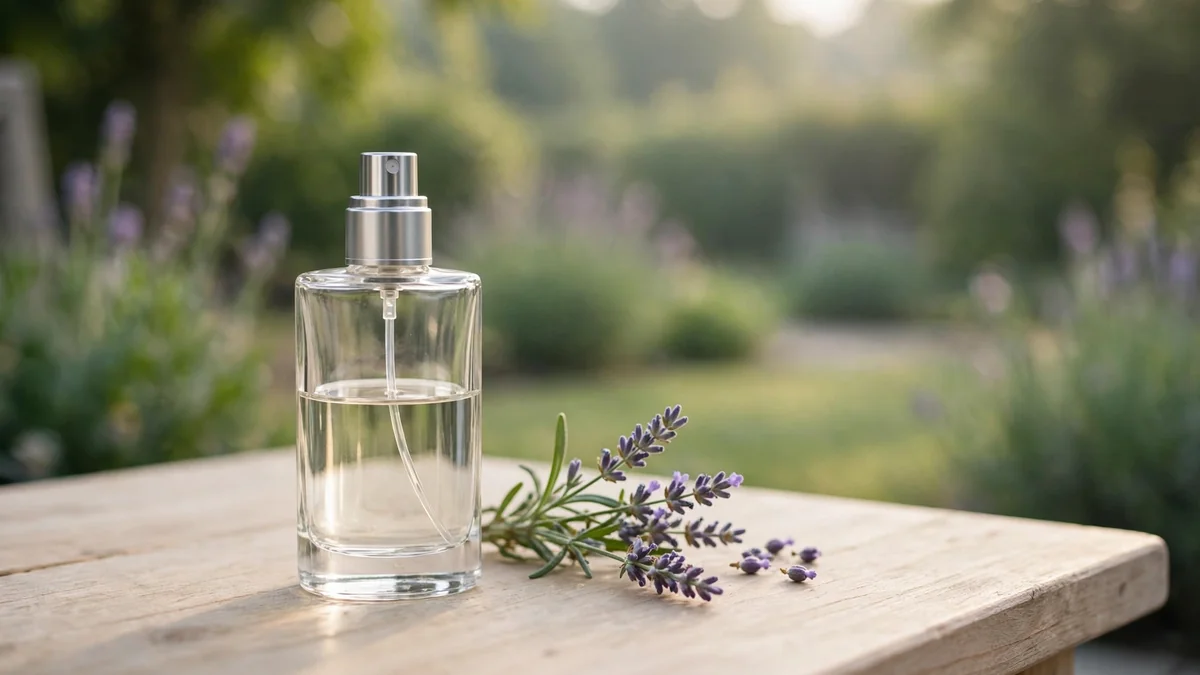

Eau de toilette is a type of fragrance with a lighter concentration of scented oils than eau de parfum, which makes it fresher, softer and shorter-lived on the skin. If you have ever wondered why one bottle seems to fade by lunchtime while another lasts until evening, the answer is usually on the label: the words eau de toilette tell you how strong the fragrance is, not how good it smells. Choosing well is mostly a matter of understanding that label and testing the scent on your own skin before you buy.
This guide explains what eau de toilette means, how it compares with the other concentrations you will see on fragrance bottles, how to choose a scent that suits you, and how to apply and store it so you get the best from every spray.
Key takeaways
- Eau de toilette is a lighter fragrance concentration than eau de parfum.
- It usually feels fresher and fades sooner, often within a few hours.
- It suits daytime, warm weather and offices, where a softer scent works best.
- Always test a fragrance on your skin, not just on a paper strip.
- Apply to warm pulse points and let it dry without rubbing.
- Store bottles away from heat and light to keep the scent true for longer.
What eau de toilette means
The phrase eau de toilette is French for toilet water, a name that dates back to a time when scented water was part of the morning wash. In modern perfumery it describes a fragrance in which scented oils are diluted in alcohol and water at a relatively light strength. A typical eau de toilette contains roughly 5 to 15 per cent fragrance oils. The rest is mostly alcohol.
That lightness shapes the whole experience. An eau de toilette usually opens brightly, with fresh citrus, herbal or light floral notes that you notice straight away, and it tends to fade sooner than a stronger concentration. Most people find it lasts a few hours rather than all day, which is why it is often reapplied in the afternoon. None of this makes it a lesser fragrance. Many of the most popular scents in the world are sold as eau de toilette, and their makers choose that strength because it suits the character of the scent.
Eau de toilette compared with other concentrations
Fragrance bottles carry several different labels, and they all describe the same thing: how much scented oil is in the bottle. The table below compares the main ones, so you can read a shelf at a glance.
| Label | Typical strength | How long it lasts | Best for |
|---|---|---|---|
| Eau de cologne | Lightest, a few per cent | An hour or two | A quick refresh after washing |
| Eau de toilette | Light, roughly 5 to 15 per cent | A few hours | Daytime, warm weather, work |
| Eau de parfum | Stronger, roughly 15 to 20 per cent | Most of the day | Evenings and cooler weather |
| Parfum or extrait | Strongest, around a fifth or more | All day, often into the next | Special occasions, a small amount |
| Body mist or spray | Very light | An hour or so | Layering over a matching scent |
The important point is that strength and quality are different things. A well-made eau de toilette can smell better on you than a heavy eau de parfum that does not suit your skin, and the lighter strength is often the right choice when you will be close to other people all day.
How to choose an eau de toilette
Choosing a fragrance starts with narrowing the field. Think about the scents you already like in other parts of your life, such as fresh linen, cut grass, citrus fruit, wood smoke or flowers, and look for those words on the bottle or the description.
Test it on your skin, not on paper.
Paper strips are useful for a first impression, but they cannot tell you how a fragrance will smell on you. Skin chemistry changes a scent: warmth, natural oils and even what you ate can shift how the notes develop over an hour. Spray once on the inside of your wrist or on your forearm, then leave the shop and come back to it after half an hour. The scent you smell at that point, once the bright opening has settled, is much closer to what you will live with.
Test no more than two or three fragrances in one visit, because your nose tires quickly and everything starts to smell alike. If you still like a scent after an hour on your skin, it is worth considering; if you have stopped noticing it or started to dislike it, move on.
Match the scent to the season and the occasion.
Light, fresh eau de toilette scents tend to suit warm weather, when heat lifts a fragrance off the skin and a heavy scent can become overpowering. Citrus, green and light floral scents are natural choices for spring and summer, while warmer woody or spicy scents often feel better in autumn and winter. Offices and close indoor settings also favour lighter scents, because a fragrance that is pleasant at arm’s length can be intrusive at a desk.
It helps to have more than one bottle if your budget allows: a fresh eau de toilette for daytime and a stronger scent for evenings. If you can only have one, choose the one you will wear most often, which for most people is a daytime scent, and apply it a little more generously when you want it to last into the evening.

How to apply eau de toilette so it lasts
Apply fragrance to warm skin, where the pulse points are: the wrists, the sides of the neck, behind the ears and the inside of the elbows. Warmth helps the scent develop and project, so these spots give you more from each spray than clothing or cold skin. Two or three sprays are usually enough for an eau de toilette; more than that rarely makes it last longer, and it often makes it stronger than the people around you would like.
Spray from a short distance, about fifteen centimetres, and let the mist settle on its own. Rubbing your wrists together is a common habit, but it crushes the top notes and can make the scent fade faster, so it is better to let the fragrance dry naturally. Applying just after a shower, when the skin is clean and slightly damp, also helps, because the moisture holds the scent. A little unscented moisturiser underneath can extend it further, since fragrance lasts longer on hydrated skin than on dry skin.
Clothes hold scent for longer than skin, so one light spray on a scarf or the lining of a jacket can carry a fragrance through the day.
Storing your bottle properly
Fragrance is damaged by heat, light and air, so where you keep a bottle matters as much as how you spray it. A bathroom shelf looks natural, but the warmth and steam from daily showers make it one of the worst places to store perfume. A cool, dark spot such as a bedroom drawer or a cupboard away from a radiator will keep the scent true for much longer.
Keep the cap on when the bottle is not in use, because every hour the bottle stands open lets more air in and lets the lightest notes escape. Once open, the scent will gradually change. If a fragrance starts to smell sharp, sour or noticeably different from when you bought it, it has probably turned, and it is time to replace it rather than keep using it.
Your eau de toilette checklist
Use this checklist when you are choosing and wearing an eau de toilette.
- Read the label and check whether the bottle is eau de toilette or a stronger concentration.
- Think about the scent families you already like before you start testing.
- Test no more than two or three fragrances in a single visit.
- Spray on your skin and wait at least half an hour before deciding.
- Choose lighter, fresher scents for daytime and warm weather.
- Apply two or three sprays to warm pulse points such as the wrists and neck.
- Let the fragrance dry on its own, and do not rub your wrists together.
- Apply after a shower or over unscented moisturiser to help it last.
- Store the bottle in a cool, dark place with the cap on, away from the bathroom.
- Replace a bottle if the scent turns sharp or sour, rather than using it up.
Frequently asked questions
Is eau de toilette for men or for women?
Eau de toilette describes the strength of a fragrance, not who it is for. Both men’s and women’s fragrances are sold as eau de toilette, and the label tells you nothing about the scent itself. Choose by whether you like the smell, not by which side of the shop the bottle was displayed on.
How long does eau de toilette last on the skin?
Most eau de toilette scents last a few hours, though this varies with the fragrance, your skin and the weather. Fresh citrus scents tend to fade fastest, while woody or musky bases last longer. If you need it to last into the evening, apply it over moisturised skin and consider one extra spray in the afternoon.
What is the difference between eau de toilette and eau de parfum?
Eau de toilette is a lighter concentration, roughly 5 to 15 per cent fragrance oils, while eau de parfum is stronger, roughly 15 to 20 per cent. The parfum version usually smells richer and lasts longer, while the toilette version feels fresher and lighter. The same scent is often sold in both strengths, and they can smell noticeably different on the skin.
Can I wear eau de toilette every day?
Yes, and it is one of the best choices for daily wear, because its lighter strength suits offices, public transport and close company. A fresh or light floral eau de toilette is easy to wear every day without overwhelming the people around you, and it is usually more affordable to replace than a stronger concentration.
Why does the same perfume smell different on me than on someone else?
Skin chemistry changes how a fragrance develops. Warmth, skin oils and diet can shift the balance of the notes, so the same bottle can smell brighter on one person and warmer on another. This is why testing on your own skin matters more than any review or recommendation.
Does eau de toilette expire?
It does not expire on a fixed date, but it changes over time once opened, especially if it is stored in heat or light. A bottle kept cool and dark will usually smell true for a few years. If it smells sharp, sour or very different from when you bought it, it has most likely turned and should be replaced.
The bottom line
Eau de toilette is a light, fresh fragrance strength that suits everyday wear, warm weather and close company. Read the label, test on your skin, give it half an hour before you decide, and store the bottle somewhere cool and dark. Those four habits will do more for you than any amount of reading about notes and families. While you choose your next scent, enjoy our guide to the best breakfast food for a slow morning, our round-up of the August birth flower for a thoughtful gift, and our guide to avocado toast near me for a fresh start to the day.
Note: if a fragrance irritates your skin, stop using it and wash the area with soap and water. If irritation persists, seek advice from a pharmacist or doctor.