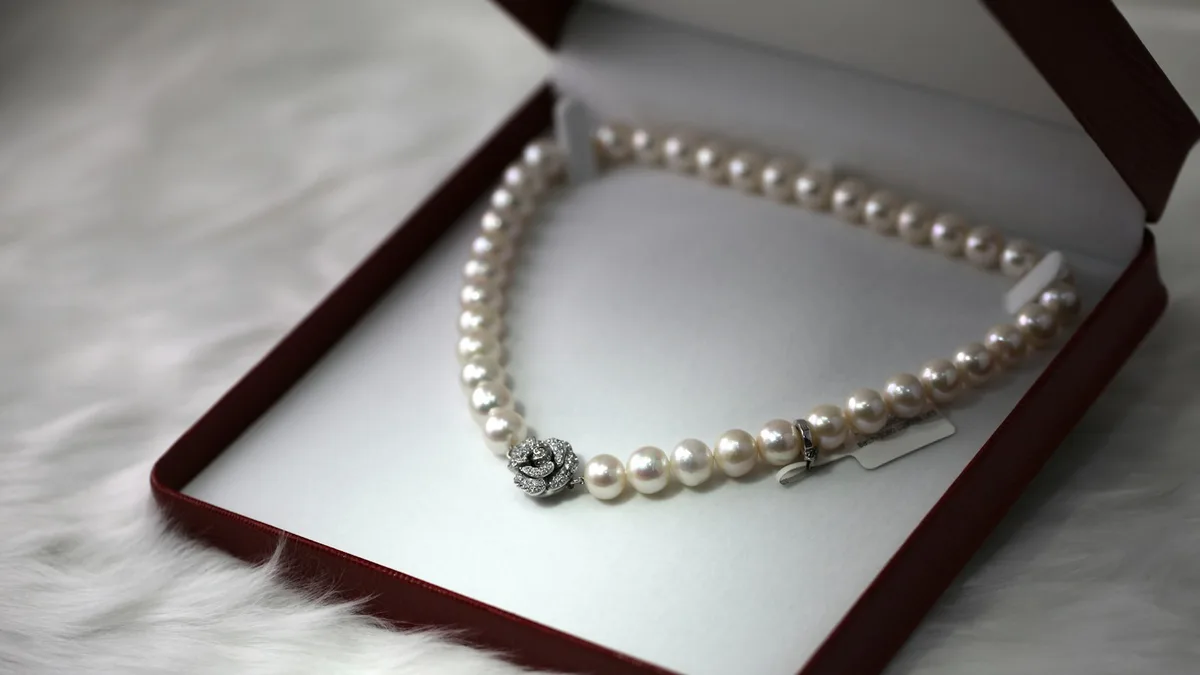

Jewelry repair near me is the search most people run when a clasp breaks, a stone loosens or a ring no longer fits, and the best first step is to find a local jeweler who repairs in-house, ask for a written estimate, and check the finished work before you leave the shop. A good repairer will explain what is wrong, what the fix involves, and how long it takes, before touching the piece.
This guide explains what jewelry repair covers, the kinds of repairers you will find nearby, how to choose between them, what to ask before handing a piece over, and how to look after repaired jewelry so the fix lasts.
Key takeaways
- Most local jewelers handle ring resizing, clasp replacement, chain repair, stone tightening, pearl restringing and cleaning.
- An in-house workshop usually means faster work and clearer answers than a shop that sends pieces away.
- Always ask for a written estimate, a timescale, and a receipt that describes the piece.
- Check prongs, clasps and stones when you collect a piece, and ask the repairer to show you the work.
- Complex jobs, such as resetting a stone or rebuilding a worn shank, take longer and need a specialist.
- Regular cleaning and a yearly check of settings help small problems stay small.
What jewelry repair covers
Jewelry repair is the craft of restoring a piece to safe, wearable condition. The everyday jobs are small and quick: a ring resized up or down, a broken chain soldered, a clasp replaced, a loose stone tightened, a bent prong straightened, or a bracelet link repaired. These are the repairs most local shops do every day.
Bigger jobs take more skill and more time. A worn ring shank may need rebuilding or a new shank fitted. A stone may need resetting, or a pearl necklace may need restringing with new silk and knots between each pearl. Antique pieces need a repairer who understands older construction, since a modern solder or a heavy polish can damage an old mount. Rhodium plating on white gold wears away and needs redoing every year or two, which is maintenance rather than repair, but most shops handle it too.
Some work sits outside jewelry repair: watch servicing is a separate trade, although many jewelers replace batteries, and engraving is also specialist work. If a shop says it does not do a job, that is usually a good sign.
Types of repairer you will find nearby
The independent jeweler with a workshop on the premises is often the best choice for ordinary repairs. You can speak to the person doing the work, ask questions, and see the bench where the repairs happen. If a shop repairs in-house, it can usually give a firm timescale and a clear price.
High-street chains and department store jewelry counters also take repairs, but they usually send the piece to a central workshop. That is not a problem in itself, but it means a longer wait, and the person at the counter may not be able to answer technical questions. Ask where the work is done and how long it takes before you commit.
Other options include market stalls and shopping-centre kiosks, which suit very simple jobs such as a battery change, and specialist workshops for antique, handmade or high-value pieces. For anything sentimental or valuable, the specialist is worth the trip.
How to find a repairer near you
Start with a map search for jewelers near your home or workplace, then narrow the list by looking for signs of real repair work: a workshop visible in the shop, a bench jeweler on staff, and a website or window card that lists repairs rather than only sales.
Reviews help, but read them with care. Look for comments that mention a specific repair or a named member of staff, rather than general praise. Ask friends and family too: a recommendation from someone whose ring was resized cleanly is worth more than a dozen anonymous stars.
Visit the shop before handing anything over. A tidy bench area, tools in plain sight, and staff who answer questions patiently are good signs. A shop that rushes you, cannot say where the work is done, or will not give a written estimate is a reason to try the next name on your list.
What to ask before you hand a piece over
Ask what the repair involves and what could go wrong. A good repairer will explain the work in plain language, including any risk to the piece, such as a stone that is already cracked or a mount thin with wear. Ask how long the job takes, whether the work is done on the premises, and what guarantee covers the repair itself. Get the terms in writing with the receipt.
Ask for a receipt that describes the piece. It should note the metal, the stones, and any existing damage. Photograph the piece before you leave it, from several angles, so you have a record of its condition. For high-value pieces, check whether the shop is insured and what happens if a stone is damaged during the repair.
A guarantee covers the repair itself, not fresh damage such as catching a ring on a door, and most reputable repairers will re-do work that fails through faulty workmanship.

Repairers compared
The right choice depends on the piece and the job. The table below compares the main options side by side.
| Repairer | Best for | Typical wait | Where work is done | Watch for |
|---|---|---|---|---|
| Independent jeweler | Most repairs, advice, sentimental pieces | Days | Usually in-house | Opening hours and bench capacity |
| High-street chain | Simple repairs, guarantee-backed work | One to three weeks | Usually a central workshop | Counter staff may not know the bench |
| Market stall or kiosk | Batteries, simple chain repairs | Same day | On the spot | Limited tools for complex jobs |
| Specialist workshop | Antiques, resets, high-value stones | Weeks | In-house, by a specialist | Higher cost, may need a referral |
| Mail-in service | Remote areas, brand-specific work | One to four weeks | Central workshop | Postage risk, insure the parcel |
For most people, the independent jeweler is the right first stop, with the specialist as the second stop for anything unusual. The chain is a fair choice for simple, guarantee-backed work, and the mail-in service suits people who live far from a jeweler.
How long repairs take and what affects the cost
Simple jobs are quick. A chain solder, a clasp replacement or a stone tightening is often done within a few days, and some shops do them while you wait. Restringing a pearl necklace, resetting a stone or rebuilding a shank takes longer, often one to three weeks.
Cost depends on the metal, the complexity, and the time at the bench. Gold and platinum work costs more than silver, and a repair that needs a new part, such as a clasp or a setting head, costs more than one that reuses the original. A reputable shop will quote before starting, and will call you if the work reveals a further problem, such as a cracked stone, rather than going ahead and charging extra.
No two shops charge the same, and this guide gives no figures, because prices vary by place, metal and job. The fair comparison is between written estimates for the same stated work. If one estimate is far below the others, ask what is left out.
Checking the work when you collect it
Look at the piece before you leave the shop. Check that a resized ring is round and smooth inside, with no sharp edge where the metal was joined. Check that a soldered chain moves freely and that the join is neat. Check that a replaced clasp opens and closes firmly, and that a tightened stone does not move when you touch it gently.
Ask the repairer to show you the work and explain what was done. A bench jeweler who is proud of a repair will point out the join or the setting, and will tell you how to care for it. If anything looks wrong, say so at the counter: a reputable shop would rather fix a fault on the spot than have you discover it at home.
Caring for repaired jewelry
Repaired jewelry needs the same care as new jewelry, and a little more attention in the first weeks. Avoid knocking a newly sized ring or a freshly set stone, and let any setting settle before wearing the piece for heavy work. Clean jewelry gently with warm water, a drop of mild soap and a soft brush, then dry it with a soft cloth. Avoid ultrasonic cleaners for pieces with fragile stones, pearls or glued settings.
Store pieces separately so they do not scratch each other, and keep pearls away from perfume and hairspray. Have settings checked once a year: a jeweler can spot a worn prong or a loose stone in a minute, and catching it early is far cheaper than losing a stone.
Your jewelry repair checklist
- Shortlist jewelers near you that repair in-house.
- Read reviews that mention a specific repair, not just general praise.
- Visit the shop and look for a visible workshop and patient staff.
- Ask what the repair involves and what could go wrong.
- Get a written estimate with the work, the cost and the timescale.
- Take a receipt that describes the piece and its condition.
- Photograph the piece from several angles before leaving it.
- Check the work at the counter when you collect it.
- Keep the receipt and the guarantee with the date noted.
- Have settings checked once a year to catch wear early.
Frequently asked questions
How do I find a jewelry repair shop near me?
Search a map for jewelers near you, then shortlist shops that repair in-house and list repairs on their website or window card. Read reviews that mention a specific repair, ask friends for a recommendation, and visit the shop before handing anything over.
How long does a ring resizing take?
Usually a few days, depending on the shop’s workload and the metal. A plain band is quicker than a ring with stones near the join, which needs more care. Ask for a timescale when you leave the piece.
Can a jeweler fix a broken chain?
Yes, in most cases. A broken link can be soldered and a worn clasp replaced. If the chain is very thin or badly worn, the repairer may advise replacing it.
Is it worth repairing old or sentimental jewelry?
Often yes. A repairer can tell you whether the mount is sound and whether the cost is reasonable. For antiques, choose a specialist.
Should I get a written estimate before a repair?
Yes. A written estimate should state the work, the cost, the timescale and any guarantee. It protects you if the scope changes, and a shop that will not put a price in writing is a reason to go elsewhere.
How can I tell if a repair was done well?
Check the join is neat, the ring is round and smooth inside, the clasp works firmly, and the stone does not move. Ask the repairer to show you the work. If anything looks wrong, raise it at the counter before you leave.
The bottom line
Jewelry repair near me is a search that ends best with a local jeweler who repairs in-house, explains the work plainly, and gives a written estimate before starting. Choose the shop by its bench and its reputation, not by its window alone, and check the finished work at the counter. A good repair keeps a piece wearable for years, and a yearly check keeps small problems from becoming lost stones. If you need a break while a repair is underway, our guide to the best breakfast food has ideas for a slow morning, our guide to the best single-serve coffee maker covers an easy cup while you wait, and our guide to car window tinting near me is another local-service search worth doing properly.