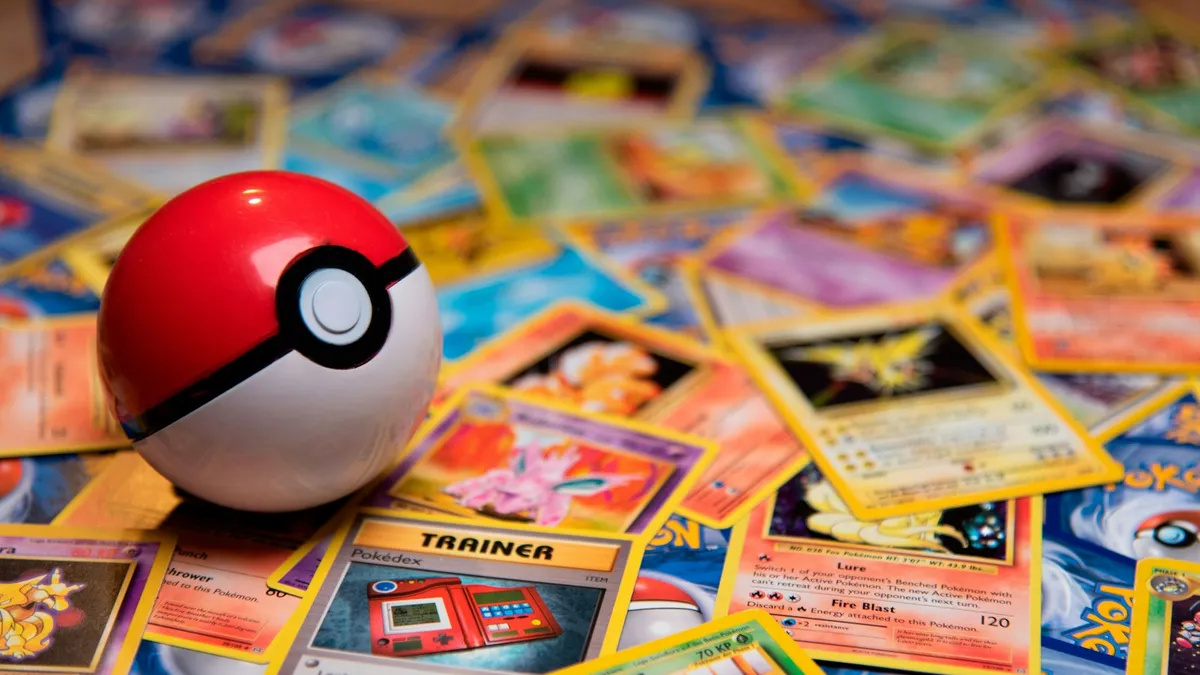

Card shows near me is the search to run when you want to browse trading cards in person, meet dealers and collectors, and see the cards with your own eyes before you buy. The short answer is that a card show is a market-style event where dealers rent tables to sell sports cards, Pokemon cards and other collectibles, and the best way to find one is to check local hobby shops, collector groups and event listings, then turn up early with a budget and a list of what you want.
This guide explains what card shows are, the kinds of cards you will find, how to find a show near you, what to expect on the day, how buying and trading work, and how to protect yourself and your cards.
Key takeaways
- A card show is an in-person market where dealers and collectors buy, sell and trade trading cards.
- Sports cards, Pokemon, Magic: The Gathering and Yu-Gi-Oh! are the most common, alongside sealed packs and supplies.
- Find shows through local hobby shops, collector groups on social media and event listings.
- Bring a budget, a want list, sleeves and a way to pay, and arrive early for the best selection.
- Most prices are negotiable, but be polite, check the condition carefully and know the rough value first.
- Keep your cards protected and your valuables close, since shows are busy and crowded.
What a card show is
A card show is a gathering where dealers set up tables in a hall, community centre or hotel ballroom and sell trading cards to the public. Some shows are small, with a dozen tables, while larger ones fill exhibition centres with hundreds of dealers, grading companies and food stalls. Entry is often free or low cost, and most shows run for a single day, usually a Saturday, although bigger events can run over a whole weekend.
The atmosphere is part market, part social club. Collectors wander between tables, check binders and display cases, chat with dealers about the hobby, and compare notes with other collectors. Children come with parents, long-time collectors hunt for the last card in a set, and newcomers browse packs and starter collections. It is the most direct way to see a wide range of cards in one place, and to handle cards before deciding whether to buy.
What kinds of cards you will find
Sports cards are the backbone of most shows. Baseball, basketball, American football and soccer cards appear in the largest numbers, from vintage cards decades old to the newest releases, and dealers usually organise them by sport, team and player. You will see single cards in protective sleeves and top loaders, complete sets in binders, and sealed boxes and packs for those who enjoy the surprise of opening them.
Trading card games are the other big category. Pokemon cards are usually the most visible, with everything from common cards to rare holographic and graded cards, and you will also find Magic: The Gathering, Yu-Gi-Oh! and other game cards. These cards are often sold both as singles for players building decks and as collectibles for people chasing rare prints. Beyond the cards themselves, dealers sell supplies such as sleeves, binders, deck boxes and display cases, and some shows have grading company representatives who can explain how professional grading works.
How to find card shows near you
Local hobby shops are the best starting point. Staff at a card shop usually know about every show in the area, and many shops have flyers, posters or a noticeboard listing upcoming dates. Asking in person also gives you a sense of which shows suit beginners and which are aimed at serious dealers, since the two can feel very different.
Collector groups on social media are the next best source. Search for your town or region plus terms like card show, trading cards or collectors, and you will usually find groups where organisers post dates, venues and table plans. Event listing sites and community calendars are worth checking too, and some larger shows have their own websites and mailing lists. Once you find one show, you will usually find the rest, because dealers and organisers hand out flyers for the next event.
What to expect on the day
Arrive early if you want the best choice, since popular cards and good deals tend to go first, and the hall is quieter in the first hour. Entry is often free, though some larger shows charge a small admission fee, and you should bring cash as well as a card, since some smaller dealers prefer cash and may offer a better price for it. Wear comfortable shoes, because you will be on your feet, and bring a bag for anything you buy.
Most dealers are happy to talk. Ask about a card, ask how they price it, and ask whether they have other cards from the same set tucked away in a box. Browsing is expected, but be careful with the stock: handle cards by their sleeves, ask before opening a binder, and put things back where you found them. If a dealer is busy with another customer, wait your turn rather than reaching across them.

Buying and trading at a show
Most prices at a card show are negotiable, but the etiquette matters. It is normal to ask whether a dealer can do a better price, especially if you are buying several cards, but low offers and hard bargaining over a single low-value card will wear out your welcome. A polite question, a fair counter-offer and a willingness to walk away if the price is wrong will get you further than pushing hard.
Condition is everything in cards, and it is the main thing to check before you pay. Look at the corners, edges and surface under good light, and ask the dealer to take a valuable card out of its sleeve so you can see it properly. A card that looks near-mint at a glance may have a soft corner or a surface scratch that changes its value, so take your time. If you are unsure about the value of a card, check recent sales of the same card on your phone before you commit, since prices at a show are set by the dealer and not by a fixed guide.
Trading is also part of the show. Some dealers will trade cards as well as selling them, and collectors often trade with each other, but agree the values on both sides before any cards change hands. Keep your trade binder organised, know the rough value of what you are offering, and be honest about condition, since a trade that feels unfair to one side is a quick way to lose trust in a small community.
Card shows compared
Shows come in different sizes, and the table below sums up what each kind usually offers.
| Show size | Dealers | Entry | Best for | Watch out for |
|---|---|---|---|---|
| Small local show | 10 to 30 tables | Usually free | Beginners and casual browsing | Limited stock of rare cards |
| Medium regional show | 30 to 100 tables | Free or small fee | Serious collecting and trading | Busy aisles at midday |
| Large expo | 100 or more tables | Ticketed | Rare cards, grading and guests | Higher prices and crowds |
| Shop trade night | A few dealers | Usually free | Meeting local collectors | Small selection |
Staying safe and protecting your cards
Card shows are busy, crowded places, and the basic precautions are the same as at any market. Keep your wallet, phone and any cards you bring in a bag you can close, and keep that bag in front of you in a crowd. If you buy an expensive card, put it in a sleeve and top loader straight away, and keep it in your bag rather than carrying it in your hand.
Be careful with payments too. Check the card and the price before you hand over money, count your change, and keep your receipt if the dealer offers one. For higher-value cards, consider paying by card rather than cash so there is a record of the purchase. If a deal feels rushed or the seller will not let you inspect the card properly, walk away: another copy of the card will come up at another show.
Your card show checklist
- Find the show through a local shop, a collector group or an event listing.
- Check the date, venue, entry fee and opening time before you travel.
- Set a budget and make a want list of the cards you are chasing.
- Bring cash and a card, plus a bag for your purchases.
- Pack sleeves, top loaders and a binder for cards you bring to trade.
- Arrive early for the best selection and quieter aisles.
- Check the condition of every card under good light before you pay.
- Check recent sale prices on your phone for anything expensive.
- Negotiate politely and be ready to walk away if the price is wrong.
- Keep your valuables close and store new cards safely straight away.
Frequently asked questions
How do I find card shows near me?
Ask at a local hobby or card shop, join collector groups for your area on social media, and check event listing sites and community calendars. Organisers usually post dates and venues in these places, and once you attend one show you will usually hear about the next ones from dealers and other collectors.
Are card shows free to enter?
Many small and medium shows are free to enter, while larger expos often charge a small admission fee or sell tickets in advance. The listing for the show should state the entry cost, and some shows offer cheaper advance tickets or free entry for children.
Can you haggle at a card show?
Yes, most prices are negotiable, especially if you are buying several cards from one dealer. Be polite, make a fair counter-offer and accept the dealer’s answer gracefully if they say no. Hard bargaining over a low-value card is poor form and rarely works.
What should I bring to a card show?
Bring a budget, a want list, cash and a card, a bag for purchases, and sleeves, top loaders and a binder if you plan to trade. Comfortable shoes help, since you will be on your feet, and your phone is useful for checking recent sale prices before you buy.
Are the cards at shows genuine?
Most dealers at established shows sell genuine cards, but fakes do exist, especially for popular Pokemon and sports cards. Buy from dealers with a visible presence and a good reputation, inspect cards carefully, and be wary of prices that look far too low for a rare card.
Can children attend card shows?
Yes, children are welcome at most card shows, and many families attend together. Shows are a good place for a young collector to learn about the hobby, trade with other children and meet dealers. Keep an eye on younger children in the crowds, and help them set a small budget before they start browsing.
The bottom line
Card shows are the best way to enjoy the hobby in person: rows of tables full of sports cards, Pokemon and game cards, dealers who love to talk, and the chance to inspect a card properly before you buy. If you are bringing the family, our guide to the best dog breeds for families can help you plan a pet-friendly household, our guide to stress relief techniques can help you unwind after a busy day, and our guide to the best breakfast food has ideas for a good start before an early show.