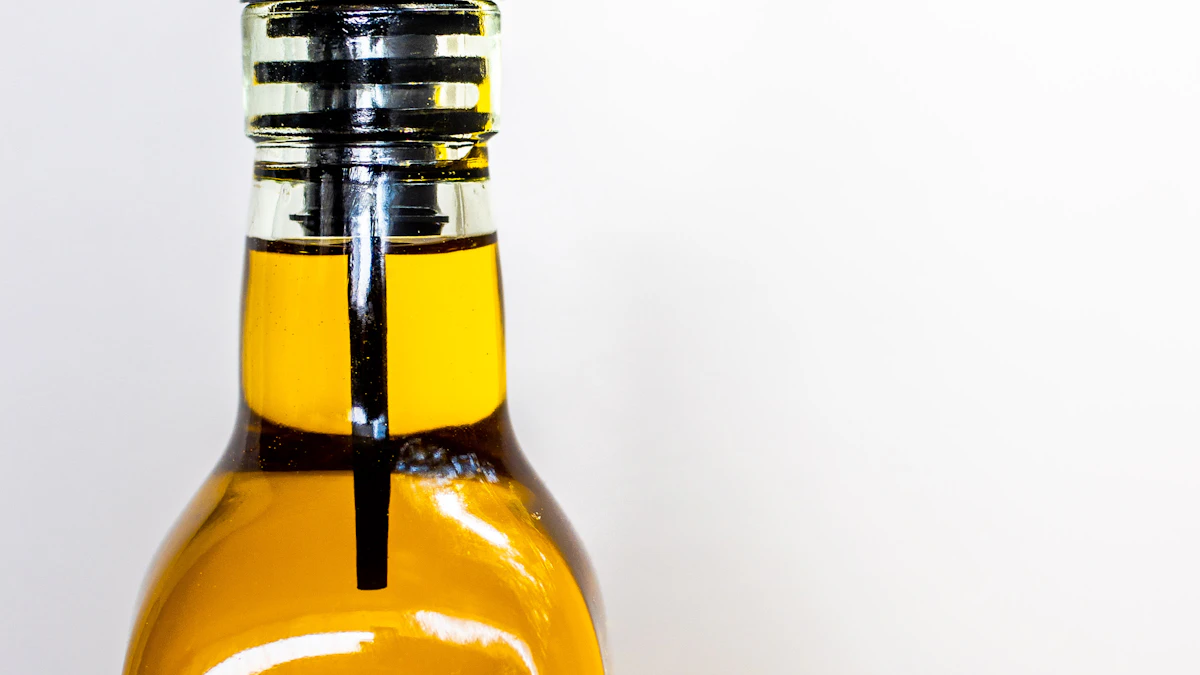

EVOO is short for extra virgin olive oil, the highest grade of olive oil and the one most worth understanding. What is EVOO, and how is it different from the other oils on the shelf? It is oil pressed from fresh olives using only mechanical means, with no heat or chemicals, a free acidity of 0.8 per cent or less, and no taste or aroma defects.
This guide explains what EVOO is, how the grades differ, how to read a label, how it tastes, and how to cook with it without wasting its flavour.
Key takeaways
- EVOO stands for extra virgin olive oil: mechanically extracted from fresh olives, with acidity of 0.8 per cent or less and no defects.
- It is the least processed olive oil, and the only grade that must pass both chemical and taste tests.
- Check the harvest date first: EVOO is best within 18 months of harvest, and the harvest date matters more than the best-by date.
- Its smoke point sits around 320 to 375 degrees Fahrenheit, so it suits dressings, finishing and light sautéing, not deep frying.
- Store it in a cool, dark place in dark glass or tin, and use an opened bottle within about six weeks.
What EVOO actually is
Extra virgin olive oil is defined by international standards, set by the International Olive Council, and the definition has three parts. First, the oil must be obtained from olives using only mechanical means, such as crushing and centrifugation, with no chemical solvents and no excessive heat. Second, its free acidity, measured as oleic acid, must be 0.8 per cent or less. Third, it must show no sensory defects, and it must have some fruitiness.
The word “extra” marks the stricter grade above ordinary virgin olive oil, which is also unrefined and mechanically extracted, but allows up to 2.0 per cent acidity and minor sensory defects. What matters is freshness, and that is why the harvest date, not the marketing, is the first thing to check.
Best for: raw use and finishing — a fresh, certified EVOO is the best default for dressings, dipping and drizzling.
The grades: EVOO, virgin, refined and pomace
Four main grades are recognised by the International Olive Council, and they differ in how the oil is made and how much is left in it. Extra virgin is the top grade: unrefined, mechanically extracted, acidity of 0.8 per cent or less, no defects, rich in polyphenols, with fruity, bitter and peppery notes. Virgin olive oil uses the same extraction, but from lower-quality fruit, with up to 2.0 per cent acidity and minor defects allowed.
Refined olive oil, often labelled simply “olive oil” or “pure” or “classic”, is oil that has been chemically refined and blended with a small amount of virgin or extra virgin oil for flavour. It is neutral in taste, has almost no polyphenols, and handles high heat better than EVOO. Pomace oil is the lowest grade, extracted from the leftover olive pulp with solvents, and it has no place in a kitchen that cares about flavour.
Best for: matching the grade to the job — EVOO for flavour, refined olive oil for high-heat frying, and nothing below that.
Reading the label: harvest date, origin and seals
The harvest date is the single most useful thing on an EVOO label, and it matters more than the best-by date. EVOO is at its best within 6 to 12 months of harvest, and it should be used within 18 months.
Origin and certification come next. Look for a specific place of origin rather than a vague blend, and look for seals from independent testing bodies such as the North American Olive Oil Association, the California Olive Oil Council or the Australian Olive Association, all of which conduct independent lab testing. Packaging matters too: dark glass or tin protects the oil from light, while clear glass or clear plastic lets ultraviolet light in and speeds up oxidation.
Best for: a confident purchase — a recent harvest date, a named origin, an independent seal and dark glass or tin.
How EVOO tastes: fruity, bitter and peppery
Good EVOO tastes of something, and the flavours are usually described in three words: fruity, bitter and peppery. Fruitiness is the aroma of fresh olives, sometimes grassy, sometimes green and tomato-like, sometimes soft and buttery. Bitterness sits on the tongue, and pepperiness catches at the back of the throat, sometimes enough to make you cough.
Colour is a poor guide: real EVOO ranges from golden yellow to vibrant green, and green does not mean better. Taste it the way professionals do: pour a little into a small glass, warm it in your hand, smell it, sip it and draw in a little air. A good oil will smell fresh and green, taste clean and bitter, and finish with a peppery kick.
Best for: learning your own taste — try two fresh EVOOs side by side, one grassy and one buttery, and note which you prefer.
Cooking with EVOO: where it shines
EVOO’s smoke point sits around 320 to 375 degrees Fahrenheit, depending on quality, which makes it less suited to deep frying or prolonged searing than refined olive oil, whose smoke point is around 465 degrees. It handles light sautéing, roasting vegetables and medium-heat cooking well, and it suits any dish where its flavour is part of the point.
The mistake is using a delicate, expensive EVOO for high-heat work, where the heat strips away the very compounds you paid for and leaves a bitter, smoky flavour. Keep the heat moderate, and finish with a fresh drizzle off the heat.
Best for: medium-heat cooking and finishing — roast vegetables, tomato sauces and fish, with a fresh drizzle off the heat.
Using it raw: dressings, dipping and finishing
Raw is where EVOO does its best work, and the simplest uses are the best. A vinaigrette needs only good oil, an acid such as lemon juice or vinegar, salt and a little mustard to hold it together, and the oil should be the flavour you notice first.
Finishing is the other great use. A spoonful over a bowl of soup, a drizzle over grilled vegetables, a slick over fresh mozzarella or burrata, or a thread over vanilla ice cream with a pinch of salt: in each case the oil is added at the end, off the heat, so its aroma survives to the table.
Best for: a first bottle — a medium, fruity EVOO that works in a vinaigrette, over soup and on bread, without dominating.
Storage and shelf life
EVOO fades with time, light, heat and air, and storage is how you slow that down. Keep it in a cool, dark cupboard, ideally between 57 and 70 degrees Fahrenheit, and never next to the stove or in a sunny window. Dark glass or tin beats clear glass, and clear glass beats clear plastic.
Unopened, EVOO lasts 12 to 18 months from harvest if stored properly, and once opened, aim to use it within six weeks for peak freshness. Refrigeration causes cloudiness but does not harm quality; the oil returns to normal at room temperature.
Best for: keeping a bottle fresh — a cool, dark cupboard, a tight cap, a small bottle, and a habit of using it up.

| Grade | How it is made | Acidity limit | Smoke point | Best for |
|---|---|---|---|---|
| Extra virgin (EVOO) | Mechanical only, no heat or chemicals | 0.8% or less | 320–375°F | Dressings, finishing, light sautéing |
| Virgin | Mechanical only, lower-quality fruit | 2.0% or less | About 390°F | Everyday stovetop cooking |
| Refined (“pure” or “classic”) | Chemical refining, blended with virgin oil | Low after processing | About 465°F | Frying, baking, high heat |
How to choose: a quick checklist
- Check the harvest date first: buy oil harvested within the last 12 months, and use it within 18 months of harvest.
- Look for a named origin and a seal from an independent testing body, such as the NAOOA, the COOC or the AOA.
- Choose dark glass or tin, never clear plastic, and avoid bottles that have sat under bright shop lights.
- Taste before you commit to a large bottle: look for fruitiness, a little bitterness and a peppery finish.
- Match the oil to the job: a bold, peppery EVOO for beans and bitter leaves, a mild, buttery one for fish and fresh cheese.
- Store it in a cool, dark cupboard away from the stove, seal it tightly, and use an opened bottle within six weeks.
For more kitchen staples, the guide to Castelvetrano olives covers the fruit behind the oil, the guide to the best white wine for cooking covers another bottle that earns its shelf space, and the guide to the best stand mixer covers the machine that does the heavy work in the kitchen.
Frequently asked questions
What does EVOO stand for?
EVOO stands for extra virgin olive oil. It is the highest grade of olive oil: oil pressed from fresh olives using only mechanical means, with no heat or chemicals, a free acidity of 0.8 per cent or less, and no taste or aroma defects.
What is the difference between EVOO and olive oil?
EVOO is unrefined and mechanically extracted, with strict limits on acidity and defects. Oil labelled simply “olive oil”, “pure” or “classic” is usually refined oil blended with a small amount of virgin or extra virgin oil for flavour. It tastes neutral, has almost no polyphenols, and handles high heat better.
Can I cook with EVOO?
Yes, but keep the heat moderate. EVOO suits dressings, finishing, light sautéing and roasting, with a smoke point around 320 to 375 degrees Fahrenheit. For deep frying or prolonged searing above that range, use refined olive oil instead, and save your best EVOO for raw use.
How do I know if my EVOO is fresh?
Check the harvest date: fresh EVOO should be used within 18 months of harvest, and it is at its best within 6 to 12 months. It should smell fresh and green, taste clean and a little bitter, and finish with a peppery kick. If it smells waxy, musty or like old nuts, it is stale.
How should I store EVOO?
Store it in a cool, dark cupboard, ideally between 57 and 70 degrees Fahrenheit, away from the stove and out of sunlight, in dark glass or tin with the cap sealed tightly. Use an opened bottle within about six weeks, and buy smaller bottles if you use oil slowly.
Does the fridge test prove EVOO is real?
No, not on its own. Genuine EVOO does solidify when chilled, because of its monounsaturated fats, but other oils also cloud and set, and a refined blend can pass the test. Trust the harvest date, a named origin and an independent certification seal instead.
The bottom line
EVOO is extra virgin olive oil, and the name is a standard, not a slogan: mechanically extracted from fresh olives, acidity of 0.8 per cent or less, no defects, and best used fresh. Choose by harvest date, buy a bottle you will finish within weeks, store it cool and dark, and use it where its flavour can be tasted: in a dressing, over soup, on bread, or as a final drizzle off the heat.
A quick food-safety note: olive oil is not a preservative, and foods stored under oil, such as garlic or herbs in oil, can carry a risk of botulism if kept at room temperature. Keep any oil infusions in the fridge and use them within a few days, and discard oil that smells rancid or looks cloudy at room temperature after it has warmed up.