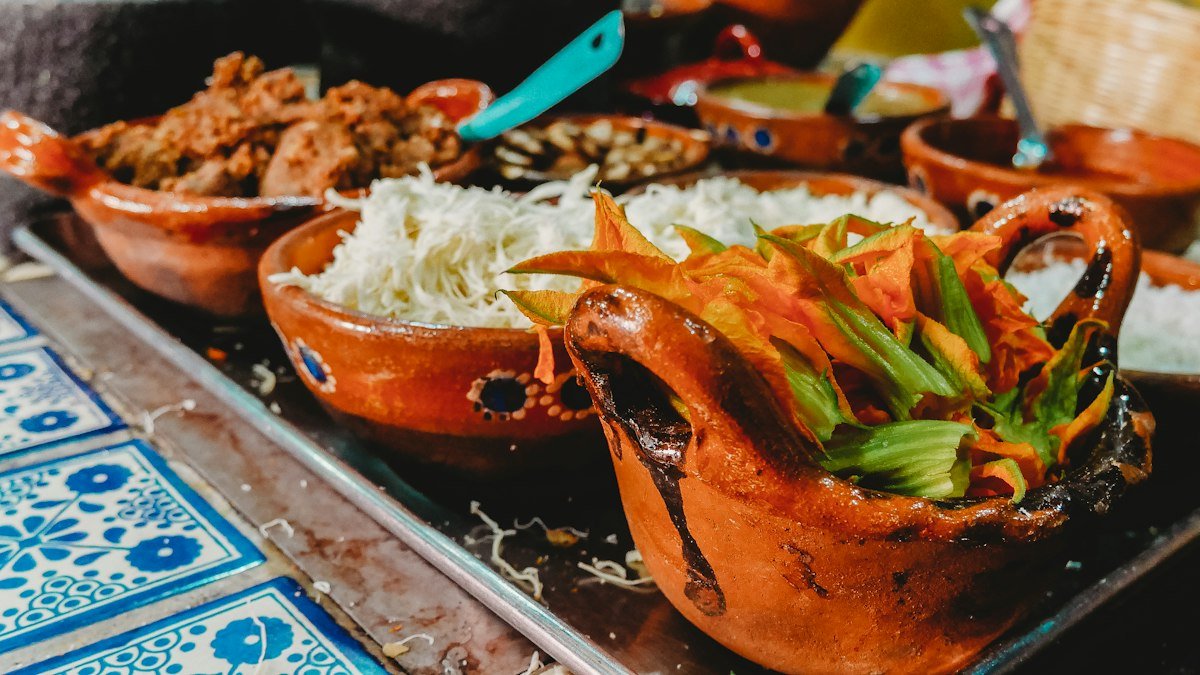

Easy Venezuelan recipes at home start with arepas, the corn cakes that anchor the whole cuisine, and build outwards to pabellón criollo, tequeños, empanadas, cachapas and quesillo. Venezuelan cooking blends Indigenous, Spanish and African influences into food that is generous, colourful and surprisingly straightforward to cook.
This guide covers six dishes for a first attempt, with plain methods and ingredients from most large supermarkets. No dish needs specialist equipment, and one small pantry serves the whole list.
Key takeaways
- Arepas are made from precooked white corn flour, warm water and salt, then griddled until the outside is crisp and golden.
- Pabellón criollo, the national dish, brings together shredded beef, black beans, white rice and fried plantain on one plate.
- Tequeños are cheese sticks wrapped in dough and fried until crisp, and they are the classic Venezuelan party snack.
- Cachapas are sweet fresh-corn pancakes served with soft white cheese, and they need no yeast or resting time.
- Quesillo is a caramel flan made from eggs, milk and sugar, and it is the dessert most Venezuelan families serve at celebrations.
Arepas: the corn cakes that start everything
Arepas are the foundation of Venezuelan home cooking, and they are also the easiest place to begin. The dough uses just three ingredients: precooked white corn flour, sold as harina de maíz precocida or masarepa, warm water and salt. It is not the same as masa harina or ordinary cornmeal, so check the packet before you buy.
For about six medium arepas, mix two cups of the flour with roughly two and a half cups of warm water and a teaspoon of salt. Stir with your hands until a soft dough forms, then leave it to rest for five minutes so the flour absorbs the water. Divide the dough into balls and flatten each one into a disc about half an inch thick.
Cook the discs in a lightly oiled pan over a medium heat for six to seven minutes on each side, until the outside is golden and crisp. Split them open like a pocket and fill them with cheese, chicken and avocado, beans, or a fried egg.
Best for: a first Venezuelan cook — three ingredients, one pan, and a result you can fill with almost anything in the fridge.
Reina pepiada: the famous arepa filling
Reina pepiada, the queen with freckles, is the most famous arepa filling in Venezuela, and it takes its name from a Miss World winner honoured at a Caracas arepa stand in 1955. It is a creamy mix of shredded chicken, mashed avocado and mayonnaise, with lime and coriander to sharpen it.
Poach two chicken breasts for about fifteen minutes, leave them to cool slightly, then shred the meat with two forks. Mash a ripe avocado with a fork, stir in two spoonfuls of mayonnaise, a squeeze of lime juice and a little chopped coriander, then fold in the chicken and season well.
Spoon the filling generously into a warm split arepa and serve at once, while the bread is still crisp.
Best for: a light lunch or a first arepa filling — it uses one pan, keeps for a day in the fridge, and suits a warm summer table.
Pabellón criollo: the national plate
Pabellón criollo is Venezuela’s national dish, and it is a plate of four parts: shredded beef in a tomato sauce, black beans, white rice and sweet fried plantain. Each part is simple on its own, and together they make a meal that feeds a crowd from a modest shopping list.
Simmer about 800 grams of flank steak with an onion and a bay leaf for around two hours, until it shreds easily. Pull the meat into threads, then cook it again in a pan with onion, pepper, garlic and tomato sauce, with a little cumin, until the sauce clings to the meat. This shredded beef is called carne mechada, and it is the heart of the dish.
Serve the beef beside a scoop of black beans cooked with onion and garlic, a mound of white rice and slices of ripe plantain fried until golden at the edges. Choose plantains with yellow-black skins and fry them for two to three minutes on each side.
Best for: a weekend family meal — the beef simmers slowly while you cook the rice, beans and plantain alongside it.

Tequeños: cheese sticks for sharing
Tequeños are Venezuela’s best-loved party snack: sticks of salty white cheese wrapped in a spiral of dough and fried until crisp and golden. They appear at birthdays, holidays and family gatherings, and they disappear faster than any other dish on the table.
Make a simple dough from two cups of plain flour, a tablespoon of softened butter, half a teaspoon of salt and about half a cup of water, kneading until it is smooth. Roll the dough out thinly and cut it into long strips, then wind each strip around a finger-length stick of firm white cheese, sealing the ends so the cheese stays inside while it fries.
Fry the tequeños in hot oil for two to three minutes, turning once, until the dough is golden and the cheese inside has melted. Drain them on kitchen paper and serve hot, with guasacaca, the avocado and herb sauce, for dipping.
Best for: a party or a snack with friends — the dough can be made ahead, and the frying takes only minutes.
Empanadas: crisp corn pockets
Venezuelan empanadas are half-moon pockets made from the same precooked corn flour as arepas, filled and deep-fried until crisp. The corn dough gives them a golden crunch that wheat pastry does not, and the fillings can be as simple as grated cheese or as rich as shredded beef.
Mix the dough as for arepas, then rest it for five minutes. Flatten a ball of dough into a thin disc between two sheets of cling film, spoon a little filling onto one half, fold the other half over and press the edges firmly to seal.
Fry the empanadas in hot oil for three to four minutes, turning once, until they are deep gold and crisp. Cheese empanadas need only a minute or two to melt inside, while beef or chicken fillings should already be cooked before they go into the dough. Serve them hot, with a little guasacaca on the side.
Best for: a filling snack or a light supper — the dough is quick, the frying is fast, and leftovers reheat well in a hot oven.
Cachapas and quesillo: sweet corn and caramel
Cachapas are sweet pancakes made from fresh corn, and they are one of the gentlest introductions to Venezuelan cooking. Blend three cups of fresh or tinned sweetcorn kernels with two eggs, a spoonful of sugar, a pinch of salt and a little milk until the mixture is thick but pourable, then fry ladlefuls in a buttered pan for three minutes on each side.
Serve each cachapa folded over a slice of soft white cheese, which melts against the warm pancake. Cachapas suit breakfast, lunch or a light supper, and they are often sold from street stalls across Venezuela.
For dessert, quesillo is a caramel flan served at most Venezuelan celebrations. Caramelise sugar until amber, pour it into a mould, then blend eggs, condensed milk, whole milk and vanilla and pour the mixture over the caramel. Bake in a water bath at 170°C for about an hour, chill until set, then turn it out.
Best for: a sweet finish — cachapas for a relaxed morning, quesillo for a celebration table where dessert should look as good as it tastes.
| Dish | Main ingredients | Time | Best for |
|---|---|---|---|
| Arepas | Precooked corn flour, water, salt | About 25 minutes | A first Venezuelan cook |
| Reina pepiada | Chicken, avocado, mayonnaise | About 25 minutes | A light lunch |
| Pabellón criollo | Flank steak, black beans, rice, plantain | About 2.5 hours | A weekend family meal |
| Tequeños | Flour, butter, white cheese | About 40 minutes | A party snack |
| Empanadas | Corn flour, cheese or beef | About 35 minutes | A filling snack |
| Cachapas and quesillo | Sweetcorn, cheese, eggs, milk | About 30 minutes, plus chilling | A sweet finish |
Cooking Venezuelan food safely: a checklist
Venezuelan cooking is straightforward, but a few habits keep every dish on this list safe and fresh.
- Cook chicken and beef until they are cooked through, with no pink meat left at the centre and clear juices.
- Shred the pabellón beef with clean forks, and keep raw and cooked meat on separate boards.
- Get cooked rice into the fridge within two hours, as it spoils faster than most foods once it cools.
- Reheat rice, beans and leftovers until they are steaming hot all the way through.
- Use ripe avocados for reina pepiada and guasacaca, and eat avocado dishes on the day they are made.
- Fry empanadas and tequeños in hot oil and drain them well, keeping children away from the pan.
- Keep beans in shallow containers in the fridge and eat them within three to four days.
- Wash your hands and knives after handling raw meat, and throw away food that smells off or has sat out for more than two hours.
Good equipment makes Venezuelan cooking easier. The guide to best slow cookers covers models that handle the long, gentle simmer for pabellón beef with no attention, and the article on what a binder is in cooking explains how doughs and fillings hold together, which helps with arepas and empanadas. For blending guasacaca and sauces, the guide to best smoothie blenders covers machines that cope with avocado and herbs.
Frequently asked questions
What is the easiest Venezuelan dish to make at home?
Arepas: three ingredients, one pan and about twenty-five minutes. Empanadas and cachapas then use the same skills.
What flour do I need for arepas?
Precooked white corn flour, sold as harina de maíz precocida or masarepa. It is not the same as masa harina or ordinary cornmeal, and the wrong flour gives a dough that will not hold together.
What is pabellón criollo?
Pabellón criollo is Venezuela’s national dish: shredded beef in a tomato sauce, black beans, white rice and sweet fried plantain, served together on one plate. Each part is simple, and the combination is the point.
What is reina pepiada made of?
Reina pepiada is shredded chicken mixed with mashed avocado, mayonnaise, lime juice and coriander, served as a filling inside a warm split arepa. It was named for a Miss World winner honoured in Caracas in 1955.
Can I bake tequeños instead of frying them?
Yes. Brush the wrapped cheese sticks with a little oil and bake at 200°C for about fifteen minutes, until golden. They will be less crisp than fried tequeños, but the cheese still melts nicely inside.
What is guasacaca?
Guasacaca is a Venezuelan avocado and herb sauce, made by blending avocado with onion, green pepper, coriander, vinegar and oil. It is served with arepas, empanadas, tequeños and grilled meats.
The bottom line
Easy Venezuelan recipes at home are built on one bag of precooked corn flour and everyday ingredients: chicken, beef, beans, rice, plantain, cheese and avocado. Arepas open the door, and the other dishes reuse the same techniques.
Start with arepas and reina pepiada, then try tequeños for a party and pabellón criollo when you have a slow afternoon. Cachapas and quesillo give the meal a sweet ending without much extra work.
A short safety note: cook meat fully, get rice into the fridge within two hours, and reheat leftovers until steaming hot throughout. Food that smells off should be thrown away, not served.