
The best cat breeds are the ones whose temperament, energy and grooming needs fit your home, your hours and your patience, because no single breed suits every household. What is the best cat breeds in 2027? There is no one winner: a calm Ragdoll suits a quiet flat, a Maine Coon suits a busy family, and a Siamese suits an owner who wants a cat that talks back.
Registries cannot even agree on how many breeds exist. The Cat Fanciers’ Association recognises 45 breeds, while The International Cat Association recognises around 75, and the gap comes mostly from how each body counts long-haired and short-haired varieties of the same breed. That disagreement is a useful warning: breed labels describe tendencies, not guarantees, and every cat is an individual.
Key takeaways
- The best cat breeds depend on your home: calm breeds suit quiet flats, active breeds suit busy families.
- Ragdolls and British Shorthairs are among the calmest choices, while Bengals and Siamese need far more play.
- Long-haired breeds need regular grooming; short-haired breeds need far less.
- Most pet cats are not pedigreed at all, and a domestic shorthair can be every bit as rewarding as a pedigree.
- Meet the cat, or the kitten’s parents, before you commit, and ask the breeder or rescue about health checks.
Ragdoll: the gentle giant
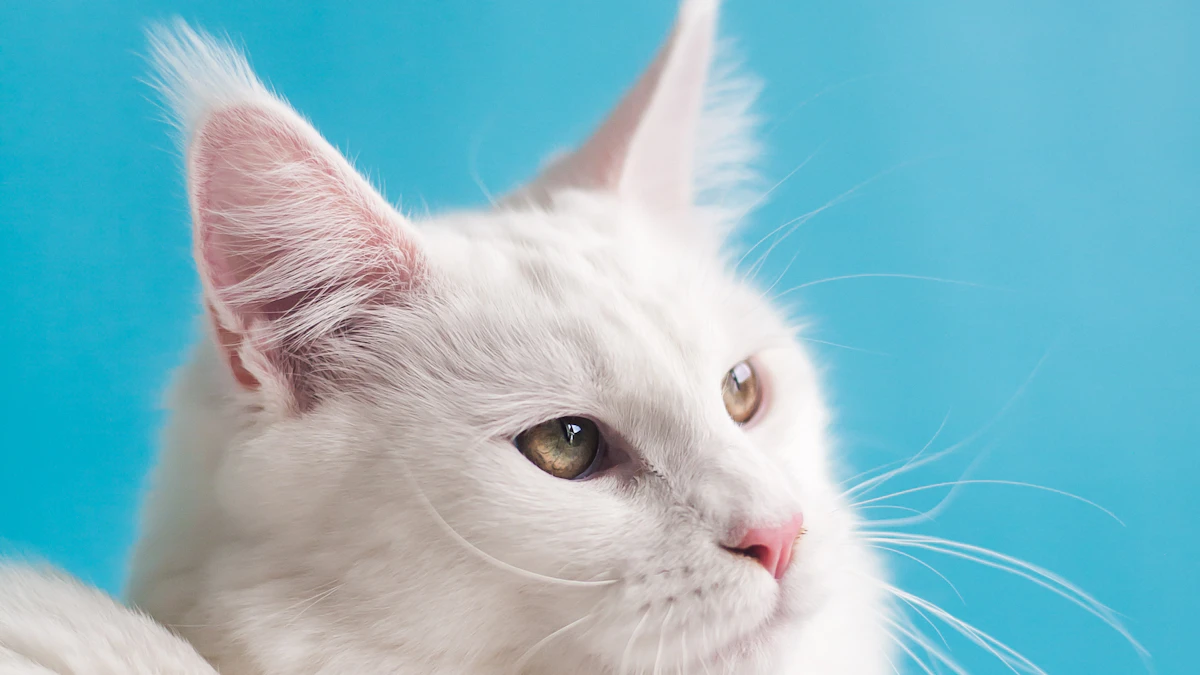
The Ragdoll is a large, semi-long-haired cat with blue eyes and a famously relaxed manner, and it regularly tops registration lists in the United States and Britain. Ragdolls tend to go limp in the arms of people they trust, which is where the name comes from, and they follow their owners from room to room without demanding constant attention.
They suit families with children and homes where someone is around most of the day, because Ragdolls dislike being left alone for long stretches and can become lonely and dull without company. Their coat needs brushing twice a week to prevent mats, and their size means a sturdy scratching post and a large litter tray are worth buying from the start.
Best for: families and quiet homes where someone is around most of the day — a gentle, people-loving Ragdoll with time for twice-weekly brushing.
Maine Coon: the large, sociable cat
The Maine Coon is the largest domestic cat breed, with males capable of weighing more than 9 kilograms, and it carries a shaggy coat, tufted ears and a long, bushy tail. Despite the size, Maine Coons are famously sociable and dog-like, greeting visitors at the door and learning to fetch, walk on a lead and answer to their name.
They adapt well to families, other cats and calm dogs, and they cope better than most breeds with being left for a working day, provided they have toys, a tall scratching post and a window to watch. Their coat needs brushing two or three times a week, and their sheer size means a large carrier, a large litter tray and a sturdy cat tree are practical necessities rather than luxuries.
Best for: busy families who want a big, sociable cat — a Maine Coon with room to climb, toys to chase and regular brushing.
British Shorthair: the calm companion
The British Shorthair is a stocky, round-faced cat with a dense plush coat, most famously in blue-grey, and a calm, undemanding temperament that suits flats and working owners. British Shorthairs are affectionate without being clingy: they will sit beside you on the sofa but rarely insist on sitting on you.
They are one of the easiest breeds to live with, because they play in short bursts, sleep for long stretches and cope well with being left alone during the day. Their coat needs only a weekly brush, and their main weakness is weight: British Shorthairs gain kilos easily, so measured meals and daily play matter more than any special food.
Best for: flats and working owners who want a calm, independent cat — a British Shorthair with measured meals and a weekly brush.
Siamese: the talkative companion
The Siamese is a slender, short-haired cat with blue eyes, dark points on the ears, face, paws and tail, and a voice it uses constantly. Siamese cats comment on everything, greet their owners at the door with a running report of the day, and learn quickly, which makes them entertaining and, at times, exhausting.
They need more company and more play than most breeds, and a Siamese left alone all day will often become noisy, destructive or withdrawn. They suit owners who work from home or households with another cat for company, and they thrive on puzzle feeders, training sessions and games that use their intelligence. Their short coat needs almost no grooming, which is the easy part of owning one.
Best for: owners who are home most of the day and want a chatty, clever cat — a Siamese with puzzle feeders, training and a companion cat.
Bengal: the active, wild-looking cat
The Bengal looks like a small leopard, with a spotted or marbled coat that comes from its wild Asian leopard cat ancestry, and it behaves like an athlete. Bengals climb, jump, fetch and play with water, and they need far more exercise and stimulation than a typical house cat, including tall cat trees, interactive toys and daily play sessions.
They suit active owners who enjoy training a cat and can give it an hour of play a day, and they do poorly in quiet homes where they are left alone with nothing to do. Bengals are also vocal and demanding, so a first-time owner who wants a quiet lap cat should look elsewhere. Their short coat is easy to care for, needing only a weekly brush.
Best for: active owners who can play for an hour a day — a Bengal with tall climbing space, interactive toys and daily training.
The domestic shorthair: the cat most people actually own
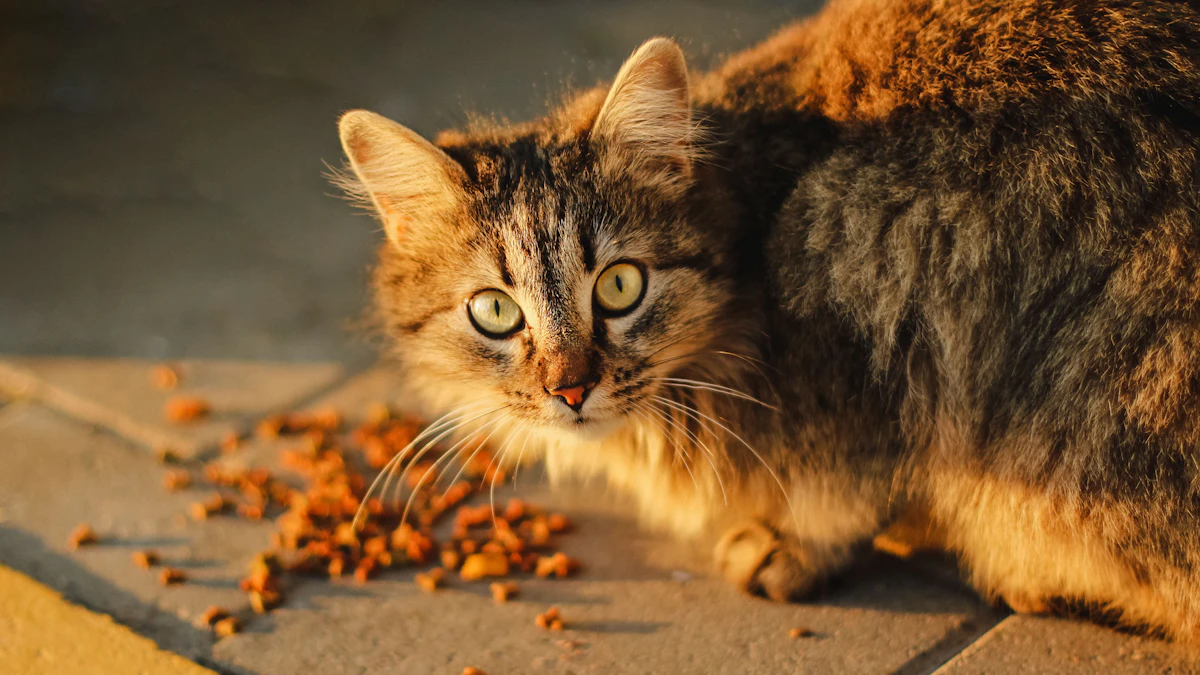
The great majority of pet cats are not pedigreed at all. They are domestic shorthairs and longhairs, cats of mixed ancestry whose looks and temperaments vary widely, and they make up most of the cats in homes and shelters. A domestic shorthair costs far less than a pedigree, is often healthier because of its wider gene pool, and can be every bit as affectionate, playful or calm as a named breed.
The honest way to choose one is to meet the cat rather than the label. Spend time with a rescue cat, watch how it reacts to people, noise and handling, and ask the shelter what it has learned about the cat’s habits. An adult rescue cat has the advantage of a known personality, while a kitten is a gamble on how it will turn out.
Best for: owners who want a healthy, affordable companion — a domestic shorthair chosen by meeting the cat, ideally an adult with a known personality.
Choosing by your home, not by a photo
Start with your hours, not your heart. A cat that needs company will be miserable in a home empty from eight to six, while an independent breed will be content with a morning play session and a warm spot by the window. Be honest about how much time you can give every day, because a breed’s needs do not shrink to fit your diary.
Then weigh grooming, noise and space. A long-haired cat needs brushing several times a week, a Siamese or Bengal will fill a flat with sound, and a Maine Coon needs room to stretch and climb. Finally, ask about health: reputable breeders test for the conditions known in their breed, and a rescue will tell you what it knows about a cat’s history. A cheap kitten from an untested litter is rarely a bargain.

| Household | Best breed | Temperament | Grooming |
|---|---|---|---|
| Family with children | Ragdoll | Gentle, patient, people-loving | Brush twice a week |
| Busy family | Maine Coon | Sociable, playful, adaptable | Brush two or three times a week |
| Flat, working owner | British Shorthair | Calm, independent, quiet | Brush once a week |
| Owner at home all day | Siamese | Chatty, clever, demanding | Very little |
| Active owner | Bengal | Athletic, curious, vocal | Brush once a week |
| Any home, lower cost | Domestic shorthair | Varies; meet the cat first | Brush once a week |
How to choose: a quick checklist
- Count your hours at home, and rule out breeds that need company you cannot give.
- Decide how much grooming you will honestly do each week, then choose coat length to match.
- Check the breed’s noise level if you live in a flat or work night shifts.
- Measure your space: large breeds need a large tray, carrier and climbing post.
- Meet the cat, or the kitten’s parents, and watch how it reacts to people and handling.
- Ask the breeder or rescue about health tests and the cat’s history, in writing.
- Budget for food, litter, vet care and insurance, not just the price of the kitten.
Once the breed is chosen, the daily routine begins. The guide to the best canned dog food covers feeding in a mixed household where cats and dogs share a kitchen, and the guide to the best auto cat litter box covers litter care for a large breed. For timed meals, the guide to the best automatic cat feeder covers feeders that suit cats left alone during the day.
Frequently asked questions
What is the best cat breeds in 2027?
There is no single best cat breed in 2027, because the right breed depends on your home and hours. Ragdolls suit families, Maine Coons suit busy households, British Shorthairs suit flats and working owners, Siamese suit owners at home all day, and Bengals suit active owners.
What is the friendliest cat breed?
Ragdolls and Maine Coons are usually named the friendliest breeds, because both seek out people, tolerate handling and get on well with children and visitors. Temperament varies between individual cats, though, so meeting the cat matters more than the breed label.
Which cat breed is best for a flat?
The British Shorthair is a strong choice for a flat, because it is calm, quiet and content with short bursts of play and long naps. Ragdolls also suit flats if someone is home most of the day, while Bengals and Siamese need more space, play and company than a small flat easily gives.
Which cat breeds shed the least?
Short-haired breeds such as the British Shorthair and the Siamese shed less visibly than long-haired breeds, but no cat is truly non-shedding. Regular brushing, a healthy diet and a good vacuum matter more than the breed name when it comes to hair around the house.
Are pedigree cats healthier than mixed-breed cats?
Not as a rule. Mixed-breed cats often benefit from a wider gene pool, while some pedigree breeds carry known inherited conditions that reputable breeders test for. Ask any breeder for health test results, and ask a rescue what it knows about a cat’s history, before you commit.
How much does a pedigree kitten cost?
Pedigree kittens cost far more than a rescue cat, and the amount varies by breed, breeder and region, with popular breeds commanding the highest sums. Budget beyond the purchase: food, litter, vet care and insurance cost far more over a cat’s lifetime than the kitten itself.
The bottom line
The best cat breeds in 2027 are the ones that fit the life you actually live, not the cat in the prettiest photo. Count your hours, weigh the grooming, measure your space, and meet the cat before you commit, because a breed is a set of tendencies and the individual in front of you is the cat you will live with.
If you are torn between a pedigree and a rescue, visit a shelter first. The great majority of pet cats are domestic shorthairs and longhairs, and the right one may already be waiting for a home, with a known personality and a far smaller bill than a pedigree kitten.