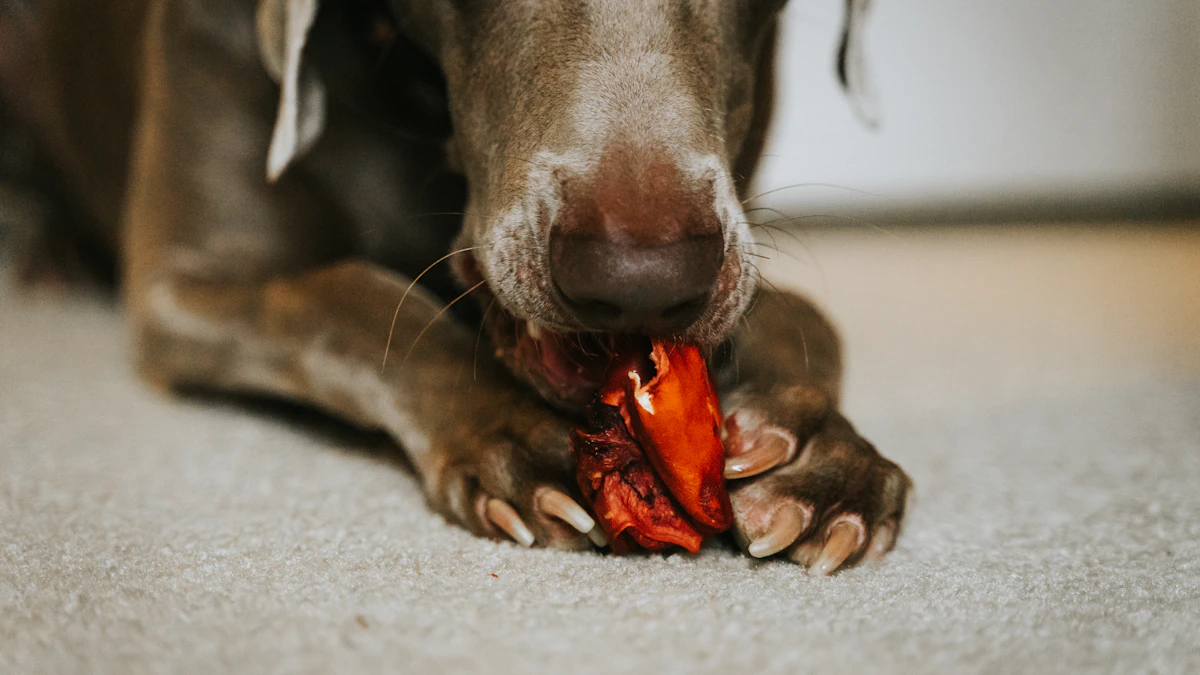

The best canned dog food is a wet recipe that is complete and balanced for your dog’s life stage, lists a named meat first, and keeps the moisture high so every meal adds fluid as well as calories. What is the best canned dog food in 2027? It is the tin your dog finishes with enthusiasm, that matches their age, size and activity, and that states plainly on the label that it meets the nutritional standards for dogs.
Dogs drink more readily than cats, so the hydration argument for wet food is softer here, yet canned food still brings real strengths: it is usually richer in meat, easier to chew for older jaws, and far more aromatic than dry kibble, which is why it wins over reluctant eaters. The tin also makes measuring simple, since each one holds a known number of calories and divides cleanly across the day.
Key takeaways
- The best canned dog food is complete and balanced for your dog’s life stage, with a named meat first.
- Adult maintenance food needs at least 18 per cent protein on a dry matter basis, and growth food at least 22.5 per cent.
- Pate suits steady eaters, stew tempts picky dogs, and puppy recipes fuel rapid growth.
- Wet food works as a full diet or as a topper over kibble, but toppers must stay a small share of calories.
- Serve at room temperature, refrigerate opened tins, and change foods gradually over a week.
Pate and loaf: the steady staple
A pate, also sold as a loaf, is the most straightforward canned dog food you can buy: a smooth, even block that cuts into portions and mashes down with a fork. Because the ingredients are mixed through the whole tin, a dog cannot pick out the meat and leave the vegetables behind, so every spoonful delivers the same balance of nutrients.
Loaf recipes suit dogs that eat at a measured pace, older dogs with worn teeth, and owners who want portion control without weighing every meal. A spoonful of warm water turns a portion into a soft mash for a dog that struggles to chew. The only real weakness is boredom, so rotate flavours rather than serving the same loaf every day for months.
Best for: steady adult dogs and older dogs with worn teeth — a smooth loaf with a named meat first and a life-stage statement on the tin.
Stew and chunks in gravy: the picky-eater persuader
Stew-style tins hold visible pieces of meat and vegetables in a thick sauce, and that variety of texture and smell is what makes them so persuasive to dogs that sniff at their bowl and walk away. A dog that has gone off its food after an illness or a move will often start with stew when it refuses everything else.
Read the tin carefully, because sauce takes up space that meat could fill, and some stews are mostly water and thickener with modest chunks. Compare tins on a dry matter basis, which removes the water from the sums and shows how much protein is really there. A sound stew still names its meat first and carries a complete and balanced statement for the right life stage.
Best for: picky dogs and dogs off their food — a stew with visible chunks of named meat, compared on a dry matter basis.
Puppy recipes: fuel for fast growth
Puppies grow at a pace no adult dog matches, and their food has to keep up, which is why puppy tins are richer in energy, protein and fat than adult recipes. The official minimum protein for growth food is 22.5 per cent on a dry matter basis, against 18 per cent for adult maintenance, and puppy recipes also carry tighter limits on calcium, which matters most for large breeds whose bones grow quickly.
Feed a puppy three or four small meals a day from a tin labelled for growth or for all life stages, and keep the portions measured rather than free-fed, because steady growth beats rapid growth for long-term joint health. Move to adult food when your vet advises, usually between twelve and eighteen months depending on breed size.
Best for: puppies and pregnant or nursing dogs — a growth recipe fed in three or four measured meals a day, with vet guidance for large breeds.
Senior and weight-control recipes
An older dog burns fewer calories than it did at three, yet still needs the same quality of protein to hold onto muscle, so senior tins are usually a little lighter in fat while keeping the protein up. Softer textures help jaws that ache, and the extra moisture in a wet recipe helps dogs that drink less as they age.
Weight-control tins follow the same logic with a different aim: fewer calories per tin, more bulk from water and fibre, so a dog on a diet still feels full. Weigh your dog monthly, feel for the ribs under a thin layer of fat, and look for a waist when viewed from above.
Best for: older dogs and dogs carrying extra weight — a lighter, softer recipe with protein held up and portions weighed each week.
Limited-ingredient and grain-free recipes
Limited-ingredient tins use one protein and a short list of other ingredients, which makes them useful when a vet is tracking down a food sensitivity, because there are fewer suspects in the bowl. They are a tool for a vet-led elimination diet, not a fashion choice, and a dog with itchy skin or an upset stomach should be seen by a vet before the owner starts swapping tins at random.
Grain-free tins replace wheat, rice and barley with potato, peas or lentils, and they suit dogs that genuinely cannot tolerate grain, which is a small minority. There is no evidence that grain-free food is better for healthy dogs, so ask your vet before choosing it without a reason.
Best for: dogs on a vet-led elimination diet — a short-list recipe with one named protein, chosen with veterinary guidance.
Reading the label: the checks that matter
As with cat food, the decisive line on a dog food tin is the nutritional adequacy statement, printed in small type on the back. It should say the food is formulated to meet the nutrient profiles for dogs, or that feeding tests substantiate complete and balanced nutrition, and it should name the life stage it serves: growth, adult maintenance, or all life stages. A tin that says it is for intermittent or supplemental feeding only is a topper, not a full diet.
Protein and fat minimums give you a quick yardstick. Adult maintenance food must contain at least 18 per cent protein and 5.5 per cent fat on a dry matter basis, while growth food must contain at least 22.5 per cent protein and 8.5 per cent fat. Those are floors, not targets, and a good tin clears them comfortably without needing to boast about it on the front.
The ingredient list tells the rest of the story. A named meat should come first, such as chicken, beef or salmon, and the list should be short enough to read at a glance. Treat front-of-tin words such as premium, natural and gourmet as advertising rather than information, and be wary of a tin that lists water or broth before any meat.

| Dog or need | Best style | Look for | Watch out for |
|---|---|---|---|
| Most adult dogs | Pate or loaf | Named meat first, adult maintenance | Serving one flavour for months |
| Picky eaters | Stew in gravy | Visible chunks of named meat | Sauce hiding a low meat share |
| Puppies | Puppy recipe | Growth statement, 22.5 per cent protein | Free-feeding and rapid growth |
| Senior dogs | Soft senior recipe | Protein held up, moderate fat | Skipped meals and weight loss |
| Overweight dogs | Weight-control recipe | Fewer calories, more bulk | Portions that creep upward |
| Suspected sensitivities | Limited-ingredient recipe | One named protein, short list | Swapping tins without vet advice |
How to choose: a quick checklist
- Check the adequacy statement: complete and balanced for your dog’s life stage, not supplemental only.
- Look for a named meat as the first ingredient, and a short ingredient list you can read at a glance.
- Match the recipe to age and size: growth for puppies, maintenance for adults, a softer recipe for seniors.
- Compare protein on a dry matter basis, remembering 18 per cent for adults and 22.5 per cent for growth.
- Weigh portions on kitchen scales and adjust by waist, ribs and monthly weigh-ins.
- Serve at room temperature, refrigerate an opened tin with a lid, and use it within two days.
- Switch foods gradually across a week, adding a little more of the new tin at each meal.
Feeding is one part of a dog’s daily care. The guide to the best canned cat food covers the same label checks for the feline side of a mixed household, and the guide to the best automatic cat feeder covers timed feeding when cats and dogs share a kitchen. For hydration beside the bowl, the guide to the best water bottles covers bottles for walks and travel.
Frequently asked questions
What is the best canned dog food in 2027?
The best canned dog food in 2027 is a complete and balanced wet recipe with a named meat first and an adequacy statement for your dog’s life stage. Pate suits steady eaters, stew tempts picky dogs, puppy recipes suit growing dogs, and senior recipes suit older dogs with worn teeth.
Is canned food better than dry food for dogs?
Canned food is richer in meat, easier to chew and more aromatic than kibble, which helps older dogs and picky eaters, and its high moisture content adds fluid to the diet. Many owners mix the two, with wet food as the main meal and kibble alongside.
How much canned food should I feed my dog each day?
Follow the feeding guide on the tin for your dog’s weight, then adjust by body condition over a fortnight. A small dog may need half a tin a day, a large dog several tins, and the right amount depends on age, activity and whether kibble is also fed.
Can I mix canned food with kibble?
Yes, mixing works well when both foods are complete and balanced, because the wet food adds aroma and moisture while the kibble adds crunch and keeps costs down. Keep the total calories the same as before, so a tin added on top of a full bowl of kibble becomes extra food rather than a replacement.
How long can I keep an opened tin in the fridge?
Cover an opened tin and use it within two days, serving each portion at room temperature rather than cold. Throw away food left in the bowl for more than a few hours in warm weather, and wash the bowl daily so stale residue does not put your dog off eating.
Should I choose grain-free canned dog food?
Only if your dog has a genuine grain intolerance confirmed with a vet, because there is no evidence that grain-free food is better for healthy dogs. Ask your vet before switching a healthy dog to a grain-free tin.
The bottom line
The best canned dog food is the complete and balanced tin your dog eats with enthusiasm, matched to their age, size and activity. Check the adequacy statement, look for a named meat first, and let your dog’s waist, coat and energy over a fortnight tell you whether the choice is working.
A quick vet note: if your dog stops eating for more than a day, loses weight, drinks far more than usual, or has persistent vomiting or diarrhoea, ask a vet before changing foods, because those signs can point to a medical problem that no tin can fix.