The best restaurants in St Augustine are woven into the oldest city in the United States, and eating well here means choosing between historic dining rooms, waterfront seafood and the casual cafes of the Old City. St Augustine, Florida, was founded in 1565, and its food reflects that long history: Spanish and Minorcan influences, fresh Atlantic seafood, and a lively restaurant scene packed into a small, walkable historic district. The central question is simple — where should you actually eat? — and the honest answer is that the best meals depend on the setting you want, with the Old City suiting a first evening, the waterfront suiting seafood, and the quieter streets suiting a slower lunch.
The city is small, and most of its best restaurants sit within a short walk of St George Street, the pedestrian heart of the historic district. That makes planning easy: park once, walk everywhere, and book ahead for the popular dining rooms, which fill up on weekends and in the spring and autumn peak seasons. Prices vary widely, from affordable cafes to fine dining in converted historic buildings, so check menus before you go.
Key takeaways
- St Augustine’s best dining is concentrated in the walkable Old City, around St George Street and the waterfront.
- Spanish and Minorcan cooking, plus fresh Atlantic seafood, are the city’s strongest suit.
- The Columbia Restaurant is the historic anchor — book ahead, especially at weekends.
- Casual cafes and seafood shacks are plentiful, and many welcome walk-ins.
- Spring and autumn are the busiest seasons; book popular dining rooms days ahead.
How St Augustine dining works
St Augustine’s historic district is compact enough to explore on foot, and its restaurants are part of the sightseeing. St George Street is the main pedestrian thoroughfare, lined with shops, cafes and restaurants in buildings that date back centuries. The waterfront along the Matanzas River holds the seafood restaurants, while the streets just beyond the old city gates hold quieter, more local spots.
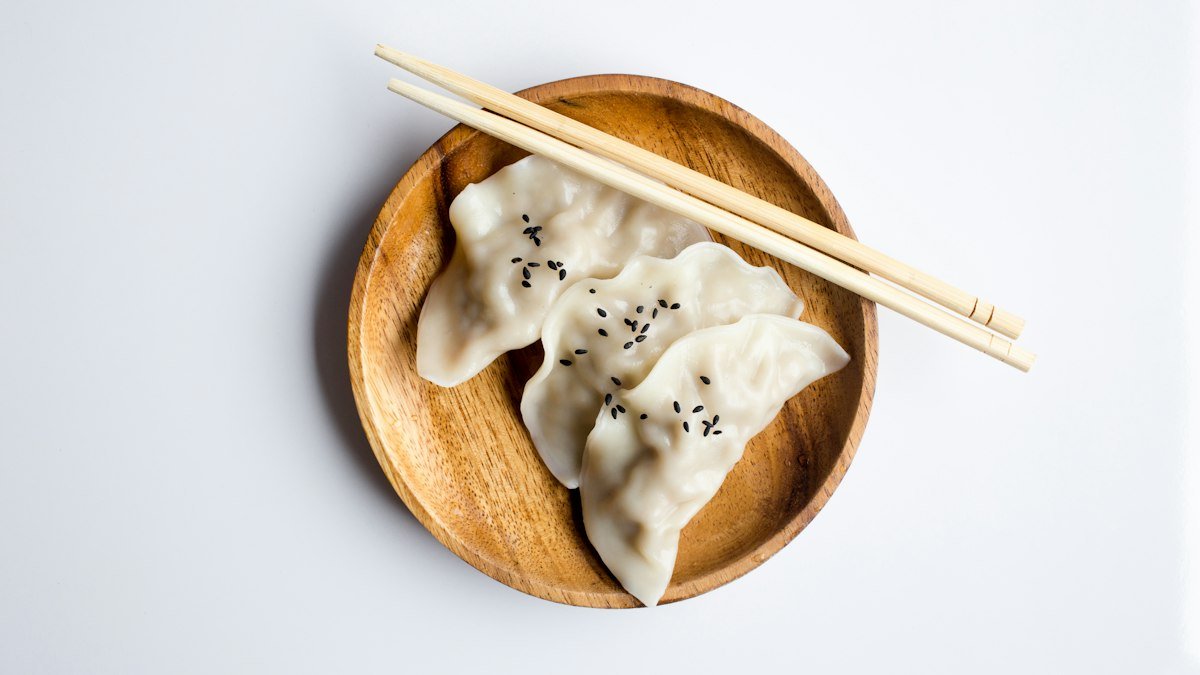
The food leans Spanish and coastal. Minorcan settlers brought datil peppers to the region centuries ago, and the local chowder — Minorcan clam chowder, made with datil pepper — is the dish most visitors should try once. Fresh shrimp, grouper and other Atlantic catches anchor the seafood menus, while Spanish restaurants serve the tapas, paella and sangria that reflect the city’s founding heritage. Vegetarian and gluten-free options are widely available.
Best for: travellers who want history with their dinner and a city where the best restaurants are a short walk apart.
| Area | Best for | Mood | Booking |
|---|---|---|---|
| St George Street | First evenings, historic dining rooms | Lively, walkable | Book ahead |
| Waterfront | Seafood, sunset meals | Relaxed, scenic | Book for weekends |
| Old City side streets | Casual cafes, quieter lunches | Calm, local | Walk-ins usually fine |
| Anastasia Island | Beachside seafood, casual dining | Easy-going, breezy | Walk-ins usually fine |
St George Street: historic dining rooms and first evenings
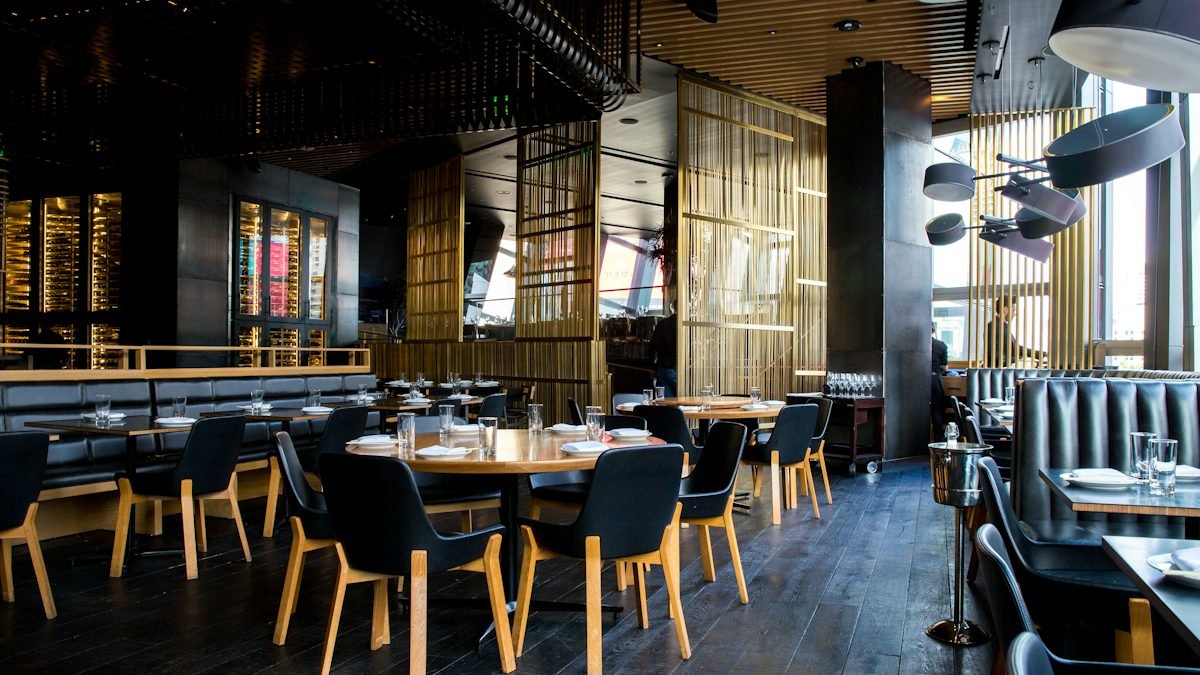
St George Street is where most visitors eat first, and it is the right place to start. The pedestrian street runs through the heart of the Old City, and its restaurants sit in historic buildings with courtyards, balconies and rooms that feel like part of the city’s story. It is the liveliest part of town after dark, and it suits a first evening when you want atmosphere as well as food.
The Columbia Restaurant is the anchor of this scene and one of the most famous restaurants in Florida. Founded in Tampa in 1905, it is the oldest restaurant in the state, and its St Augustine location on St George Street serves the Spanish and Cuban cooking it is known for — paella, tapas, Cuban sandwiches and sangria — in a grand historic dining room. Book ahead: this is the table most visitors want, and it fills first.
Elsewhere on and around the street, smaller dining rooms and cafes serve lighter food — sandwiches, salads, coffee and pastries — that suit a break from sightseeing. The atmosphere is at its best in the early evening, when the street fills with strollers and the restaurants open their courtyards.
Best for: a first night in town, a special dinner in a historic setting, and Spanish cooking.
Seafood on the waterfront
St Augustine sits on the Atlantic coast, and its seafood is the freshest food in the city. The waterfront restaurants along the Matanzas River serve shrimp, grouper, oysters and the daily catch, often with views across the water to the Castillo de San Marcos. Sunset is the prime time, and the tables with a view are the first to go.
Catch 27 is one of the best-known seafood names in town, a casual restaurant serving fresh local catches with a modern touch. O’Steen’s is another local institution, a family-run spot famous for its fried shrimp and a loyal following that has kept it busy for decades. Both show the two sides of St Augustine seafood: the modern, polished dining room and the old-school fried-shrimp counter.
Minorcan clam chowder deserves its own mention. Unlike the creamy New England version, the local chowder is tomato-based and spiced with datil pepper, giving it a gentle heat. It turns up on menus across the city, and trying it in two or three places is a cheap and enjoyable way to taste the city’s history.
Best for: seafood lovers, sunset dinners, and anyone who wants the freshest plate in town.
Casual cafes and the Old City side streets
Step one street away from St George Street and the pace changes. The side streets of the Old City hold the cafes, bakeries and small restaurants where locals eat, and they are the best places for a relaxed lunch or a quiet coffee. The Floridian is one of the best-known names in this category, a casual restaurant serving Southern-inspired food with a modern twist, popular with both visitors and residents.
Cafe Alcazar, set inside the Lightner Museum, is another distinctive stop: a cafe in a former hotel swimming pool, with a beautiful tiled setting that makes lunch feel like sightseeing. It suits a midday break between museums, and its light menu — salads, sandwiches and soups — fits the setting.
These smaller spots are also where you will find the best coffee, pastries and breakfasts in town. Many open early, and a quiet morning coffee on a side street is one of the pleasures of a St Augustine trip.
Best for: relaxed lunches, coffee and pastries, and escaping the crowds on St George Street.
Anastasia Island: beachside eating
Across the Bridge of Lions, Anastasia Island offers a different mood: beachy, casual and easy-going. The restaurants here serve seafood, burgers and American classics in rooms where shorts and sandals are entirely at home. It is the right side of town for a long lunch after the beach, or a no-fuss dinner when the historic district feels too busy.

The island is also a good base for families. Parking is easier than in the historic district, the restaurants are more spacious, and the atmosphere is relaxed. Prices vary, and the seafood shacks and casual grills here are generally good value.
Best for: families, beach days, and a casual meal away from the historic crowds.
Evenings out: bars, live music and late nights
St Augustine’s evenings are not only about dinner. The historic district holds a cluster of bars, live-music venues and rooftop spots that make it a pleasant place to spend an evening after the restaurants wind down. Prohibition Kitchen is one of the best-known names, a restaurant and bar with live music, a lively room and a menu that works for a late bite as well as a full dinner.
The Ice Plant is another local favourite, a bar and restaurant in a converted ice factory, known for its cocktails and its industrial-chic setting. It suits a drink before dinner or a nightcap after, and it shows the more modern side of a city that is often seen only through its history.
Best for: an evening drink, live music, and a later night in the Old City.
How to book ahead in peak season
Peak season in St Augustine runs through spring and autumn, when the weather is at its best and the city is at its busiest. Summer brings heat and families, and winter brings thinner crowds and mild days. Whatever the season, the checklist below will save you disappointment.
- Book the Columbia Restaurant and other popular dining rooms as soon as you know your dates — a few days ahead is a minimum in spring and autumn.
- Ask for a courtyard or waterfront table when you book, and confirm it on the day; requests are noted, not guaranteed.
- Have a backup plan: keep one or two casual restaurants in mind for any night, so a failed booking never means a failed dinner.
- Check opening days and hours before you travel — some restaurants close one or two days a week.
- For walk-ins, eat early or late — the 7 pm rush is the hardest slot in the Old City.
- Park once and walk: the historic district is compact, and parking near St George Street is slow at busy times.
For a broader sense of how a different American city handles the same question of where to eat well, the guide to the best restaurants in Springfield MO shows a smaller, quieter scene built on local tradition rather than history. If your travels take you to Florida’s Gulf coast, the shortlist of best hotels in Key West worth booking pairs well with a food-focused trip further south. And if the evening turns into pizza night, the roundup of the best pizza and brew pairings is a handy reference for a casual meal with friends.
Frequently asked questions
Do I need to book restaurants in St Augustine in advance?
For the popular dining rooms on St George Street, yes — book a few days ahead in spring and autumn, and longer for weekends. Casual cafes and island restaurants usually accept walk-ins, but the 7 pm rush can still mean a wait.
What food is St Augustine known for?
Spanish and Minorcan cooking, led by Minorcan clam chowder with datil pepper, and fresh Atlantic seafood — shrimp, grouper and oysters. The Columbia Restaurant’s Spanish and Cuban dishes are the city’s most famous plates.
Which area should I stay in for the best food?
The Old City suits a first visit and special dinners, the waterfront suits seafood and sunset meals, the side streets suit quiet lunches, and Anastasia Island suits beach days and families. The historic district is small, so you can easily eat in a different area each night.
Are there family-friendly restaurants in St Augustine?
Yes, especially on Anastasia Island and in the casual cafes of the Old City, where seafood, burgers and American classics are plentiful and walk-ins are easy. The historic dining rooms suit older children and adults best.
How expensive is eating out in St Augustine?
Prices vary widely. Casual cafes and island seafood shacks are reasonable, while fine dining in historic buildings costs more, especially with drinks. Check menus online before you go.
When is the best time of year to visit St Augustine for food?
Spring and autumn have the best weather and the fullest dining scene, but also the biggest crowds and the hardest bookings. Winter is calm, with mild days and easier tables, while summer is hot and busy with families.
Conclusion
The best restaurants in St Augustine reward a little planning and a clear sense of what you want from each meal. Book one special dinner in a historic dining room, lean on fresh seafood and Minorcan chowder for the most distinctive plates, and keep the side-street cafes and Anastasia Island in reserve for easy, relaxed meals. Check menus and opening hours before you travel, and ask for a courtyard or waterfront table when you book. Your next step is simple: pick your dates and book the one table you most want.