Breaking into the entertainment industry takes more than talent. Actors also need professional connections, audition opportunities, industry knowledge, and guidance to navigate a competitive job market. An acting agency can help bring these elements together by connecting performers with casting directors, production companies, filmmakers, and other industry professionals.
Whether you are an aspiring actor looking for your first opportunity or an experienced performer hoping to secure better roles, finding the right agency can make an important difference. However, not every agency offers the same services, represents the same talent, or works with the same types of productions.
Understanding how acting agencies operate, what they expect from actors, and how to evaluate representation can help you make informed decisions about your career.
What Is an Acting Agency?
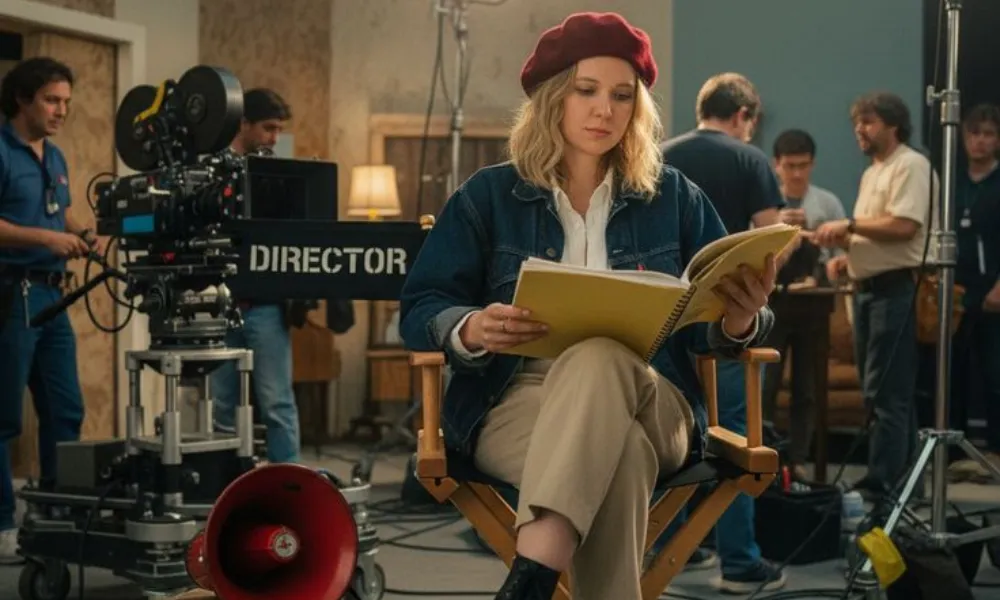
An acting agency is a professional representation company that helps actors find employment opportunities in the entertainment industry. It connects performers with casting professionals, production teams, advertising agencies, and other clients searching for suitable talent.
Acting agencies typically represent individuals working in:
- Film and television
- Theatre and stage productions
- Commercial advertisements
- Streaming productions
- Voice acting and animation
- Modeling and entertainment
- Independent films and short productions
An agency generally works as an intermediary between actors and potential employers. When a casting opportunity becomes available, agents identify performers who match the project’s requirements and submit their profiles for consideration.
In exchange for their services, legitimate talent agencies commonly earn a commission from work they help actors secure. The exact arrangements depend on the agency, location, and applicable industry regulations.
What Does an Acting Agency Do?
An acting agency does considerably more than send audition announcements. It helps manage professional relationships and creates opportunities that actors might struggle to access independently.
Here are some of the main responsibilities of an acting agent.
1. Finds Acting Auditions
One of the primary responsibilities of an acting agency is finding suitable audition opportunities for its clients. Agents receive casting information through professional industry networks and submit actors who match specific requirements.
These opportunities may include television series, feature films, commercials, theatre productions, and digital entertainment projects. Although representation can improve access to auditions, it does not guarantee that an actor will receive a particular role.
2. Promotes Actors to Casting Directors
Casting directors need to identify performers who match a character’s appearance, personality, experience, and performance requirements. An acting agent helps promote represented talent by sharing professional headshots, resumes, showreels, and other relevant materials. A strong professional profile makes it easier for casting teams to evaluate an actor’s suitability for a production.
3. Negotiates Contracts and Compensation
When an actor receives an offer, the agency may help negotiate important employment terms.
These can include:
- Acting fees and payment schedules
- Working hours and production dates
- Usage rights for commercial performances
- Exclusivity requirements
- Travel and accommodation arrangements
- Contract duration and renewal conditions
An experienced agent understands common industry practices and can help actors evaluate whether an offer is appropriate.
4. Provides Career Guidance
Acting careers rarely develop in a perfectly predictable way. Performers may need to improve their skills, explore different genres, or reconsider the types of roles they pursue. An agent can provide feedback on career direction, suggest suitable auditions, and help actors identify opportunities that align with their professional goals.
5. Builds Industry Relationships
Professional connections are important in entertainment. Acting agencies maintain relationships with casting directors, producers, production companies, and other industry professionals. These relationships can help agencies understand upcoming projects and identify opportunities for their clients.
Different Types of Acting Agencies
Not all talent agencies specialize in the same areas. Some represent actors across multiple entertainment categories, while others focus on specific performance industries. Understanding these differences can help you find representation that matches your interests.
1. Film and Television Acting Agencies

Film and television agencies represent actors interested in feature films, television shows, streaming productions, and independent cinema. They generally look for performers with strong acting abilities, professional headshots, resumes, and audition experience. Some agencies specialize in established performers, while others also consider emerging actors who demonstrate potential.
2. Commercial Acting Agencies
Commercial agencies focus on performers who appear in advertisements, promotional campaigns, television commercials, and branded video content. These agencies may represent actors with different ages, appearances, personalities, and performance styles. Commercial acting can be a useful area for performers who enjoy short-form productions and advertising work.
3. Theatre Acting Agencies

Theatre agencies represent actors interested in live stage performances, musicals, touring productions, and professional theatre companies.
They often work with performers who have experience in stage acting, movement, voice projection, and live performance. Theatre representation may also be useful for actors seeking opportunities in established stage productions.
4. Voice-Over Acting Agencies
Voice-over agencies represent performers who work with their voices rather than appearing on camera.
Their clients may perform in:
- Animated films and television shows
- Video games
- Audiobooks
- Commercial advertisements
- Corporate narration
- Documentary productions
- Educational content
A professional voice demo is especially important when applying to a voice-over agency because it demonstrates vocal range, clarity, delivery, and character versatility.
5. Modeling and Acting Agencies
Some talent agencies represent both actors and models. These companies may offer opportunities in fashion campaigns, commercials, promotional productions, and entertainment projects.
However, modeling and acting require different professional skills. Actors should check whether an agency has genuine experience securing acting opportunities rather than assuming that modeling representation automatically includes acting work.
6. Youth and Child Acting Agencies
Youth talent agencies specialize in representing children and teenagers interested in professional entertainment work. These agencies help young performers access suitable auditions while considering age-related employment requirements and applicable child performance regulations.
Parents or guardians should carefully review representation agreements, working conditions, and safeguarding policies before allowing a child to participate in professional productions.
Benefits of Joining an Acting Agency
Working with a reputable agency can provide several advantages, particularly for actors who want to develop a long-term career.
Access to Professional Opportunities
Many casting opportunities circulate through professional networks. An established agent may help actors discover auditions that are not widely advertised to the general public. This can expand the range of projects available to a performer.
Professional Representation
Agents communicate with casting professionals and production companies on behalf of their clients. Having someone manage professional submissions, negotiations, and industry communication can make the business side of acting easier to handle.
Better Career Direction
New actors sometimes struggle to identify which roles, projects, or opportunities are appropriate for their current experience. An experienced agent can help performers understand their strengths and focus on realistic career opportunities.
Support During Contract Negotiations
Acting contracts can contain complicated terms involving compensation, usage rights, exclusivity, and working conditions. Professional representation can help actors understand these arrangements and negotiate terms where appropriate.
Stronger Industry Connections
Agencies often maintain relationships with people working across different entertainment sectors. These connections can help actors become more visible to relevant casting professionals.
However, representation should be viewed as professional support, not a guarantee of fame, employment, or career success.
How to Get Signed by an Acting Agency
Getting representation requires preparation. Agencies receive submissions from many performers, so presenting yourself professionally can help you make a stronger impression.
Here is a practical approach to getting started.
1. Develop Your Acting Skills
Before contacting agencies, work on your performance abilities. Consider taking acting classes, participating in local theatre, practicing audition scenes, or joining independent film projects.
Training can help you develop essential skills such as character interpretation, emotional expression, improvisation, and script analysis. You do not necessarily need years of professional experience to approach an agency, but you should demonstrate commitment and a willingness to improve.
2. Prepare Professional Headshots
Headshots are among the most important materials in an actor’s submission package. A professional headshot should represent your current appearance accurately. It should have good lighting, a clear composition, and a natural expression.
Avoid excessive editing, filters, or photographs that make it difficult for casting professionals to understand what you actually look like. Depending on the agency, you may need different headshots for commercial, theatrical, or specialized roles.
3. Create an Acting Resume
An acting resume provides an overview of your performance background and professional abilities.
Include relevant information such as:
- Your name and professional contact details
- Film and television credits
- Theatre experience
- Acting education and workshops
- Special skills
- Languages and accents
- Relevant performance training
If you are a beginner, do not invent professional credits. Highlight training, student productions, independent projects, and other relevant experience instead.
4. Record a Professional Showreel
An acting showreel is a short video demonstrating your performance abilities.It may include selected scenes from previous projects, monologues, or professionally recorded acting samples.
A good showreel should demonstrate your ability to communicate emotion, deliver dialogue naturally, and portray different characters. Keep it focused. A few strong scenes are generally more useful than a long video containing inconsistent performances.
5. Research Suitable Agencies
Not every agency is right for every actor. Research companies that represent performers in your preferred entertainment category. Review their current clients, submission guidelines, professional reputation, and the types of projects they handle. Pay attention to whether they represent emerging actors or primarily work with established performers.
6. Submit Your Application
Most professional agencies provide submission instructions through their official websites or designated talent submission channels.
Your application may require:
- Professional headshots
- Acting resume
- Showreel or demo reel
- Basic physical or professional details, when requested
- Contact information
- A short introduction
Follow the agency’s instructions carefully. Sending unnecessary attachments or repeatedly contacting representatives can create a poor first impression.
7. Prepare for an Agency Meeting
If an agency responds positively, you may be invited to attend an interview, audition, or introductory meeting. Be prepared to discuss your acting experience, career interests, availability, training, and professional goals.
You may also be asked to perform a short scene or monologue. Use the meeting to evaluate the agency as well. Ask about its representation process, commission structure, communication practices, and expectations.
How Much Does an Acting Agency Cost?

The cost of working with an acting agency depends on its commission structure, location, services, and the terms of the representation agreement. Many legitimate talent agencies operate on a commission-based model. This means they receive an agreed percentage of an actor’s earnings from work they secure.
The commission rate varies by market and contract. There is no single percentage that applies to every agency or country. Actors should understand the following potential expenses before signing:
| Expense | What to Know |
| Agency commission | Usually calculated as an agreed percentage of earnings |
| Headshots | Professional photographs may require an upfront investment |
| Acting classes | Training costs depend on the instructor and program |
| Showreel production | Professional filming and editing may involve additional costs |
| Travel | Actors may need to cover travel for auditions or productions |
| Administrative fees | Any agency-related charges should be clearly explained in writing |
Be cautious of agencies that demand substantial upfront payments in exchange for guaranteed representation or acting roles.An agency should clearly explain how it earns money, what services it provides, and which expenses are optional or required.
How to Choose the Best Acting Agency
Choosing representation is an important career decision. A well-known agency is not automatically the best option for every performer. Many successful women have built influential careers through talent, strategic decisions, and professional relationships, as highlighted in our guide to the world’s richest women. Consider these factors before signing an agreement.
Check the Agency’s Reputation
Research the company’s professional history, representing talent, industry relationships, and available reviews. Look for consistent evidence of legitimate representation rather than relying entirely on impressive marketing claims. You can also ask other actors about their experiences working with the agency.
Review Its Client Roster
Look at the performers currently represented by the agency. Do they work in your preferred entertainment category? Does the agency represent emerging actors with backgrounds similar to yours? A suitable agency should have a clear understanding of the type of acting career you want to pursue.
Understand the Contract
Never sign an agreement without reading its terms carefully.
Pay attention to:
- Commission percentages
- Contract duration
- Exclusive and non-exclusive representation
- Termination conditions
- Payment arrangements
- Geographic representation rights
- Additional fees
If the agreement contains unclear or complicated terms, consider seeking independent legal advice before signing.
Evaluate Communication
A professional agency should communicate clearly about submissions, auditions, contracts, and expectations. Although agents may be busy, you should understand how to contact them and what type of updates you can reasonably expect.
Avoid Unrealistic Promises
No legitimate agency can guarantee that an actor will become famous, land a leading role, or secure a specific number of projects. Be especially careful when an agency promises guaranteed employment in exchange for expensive packages or immediate payments.
Acting Agency vs. Talent Agency: What’s the Difference?
The terms acting agency and talent agency are sometimes used interchangeably, but they can describe different areas of representation. An acting agency primarily focuses on performers pursuing roles in film, television, theatre, commercials, and voice acting.
A talent agency may represent a broader range of entertainment professionals, including actors, models, musicians, presenters, dancers, and other performers.
| Feature | Acting Agency | Talent Agency |
| Main focus | Acting opportunities | Multiple entertainment categories |
| Clients | Film, TV, theatre, and voice actors | Actors, models, musicians, and performers |
| Auditions | Acting-related auditions | Opportunities across different industries |
| Representation | Primarily acting careers | Broader talent management and placement |
| Specialization | Often focused on performance acting | Depends on agency structure |
The distinction is not universal. Some acting agencies operate as specialized talent agencies, while larger talent agencies have dedicated acting departments.
Common Mistakes to Avoid When Contacting an Acting Agency
Even talented performers can make avoidable mistakes when seeking professional representation.
Here are some common issues to watch out for.
Sending Poor-Quality Headshots
Blurry photographs, outdated appearances, excessive filters, and distracting backgrounds can make your submission less effective. Use clear, recent images that accurately represent you.
Applying to Every Agency
Sending identical applications to dozens of unrelated agencies is not always a productive approach. Research companies that represent your preferred acting category and follow their individual submission requirements.
Exaggerating Acting Experience
Never claim credits, training, or professional experience you do not have. Honest applications help establish trust and allow agents to understand your actual experience level.
Ignoring Contract Details
Signing an agreement without understanding commission rates, exclusivity, or termination conditions can create problems later. Take time to review every important term.
Paying for Guaranteed Roles
Be suspicious of anyone claiming they can guarantee professional acting work if you purchase a particular package. Legitimate auditions and casting decisions depend on production requirements and the judgment of casting professionals.
Giving Up Too Quickly
Finding representation can take time. Agencies may decline submissions because their current roster is full or they are looking for a different type of performer.A rejection does not necessarily mean you lack talent. Continue improving your skills, updating your materials, and applying to suitable opportunities.
Can You Become an Actor Without an Acting Agency?
Yes. Actors can pursue professional opportunities without signing with an agency. Independent performers can apply directly to casting calls, participate in student films, work with independent filmmakers, attend open auditions, and build professional relationships.
Social media and legitimate casting platforms can also help actors discover opportunities. Working independently can provide greater control over submissions and career decisions. However, it also means managing communication, contracts, negotiations, and professional networking yourself.
Some actors begin independently and seek representation after building experience and developing a strong showreel. Others continue working without an agent throughout their careers. The right approach depends on your experience, goals, location, and the type of projects you want to pursue.
Exploring successful professional careers, including those of the richest NFL players, also highlights how talent, dedication, and the right professional opportunities can contribute to long-term success.
Frequently Asked Questions About Acting Agencies
1. What is the main purpose of an acting agency?
The main purpose of an acting agency is to represent performers and connect them with professional employment opportunities. Agents submit actors for suitable roles, communicate with casting professionals, and may negotiate contracts and compensation on their clients’ behalf.
2. Do you need an acting agency to become an actor?
No. You can pursue acting opportunities independently through open auditions, casting platforms, theatre productions, and independent film projects. However, professional representation may provide access to additional industry connections and casting opportunities.
3. How do beginners get signed by an acting agency?
Beginners should develop their acting skills, prepare professional headshots, create an acting resume, and record a showreel when possible. They can then research suitable agencies and submit their materials according to each company’s application guidelines.
4. Do acting agencies charge upfront fees?
Many legitimate agencies earn money through commissions on work secured for their clients. Some may have clearly explained administrative arrangements, depending on local practices and regulations. Be cautious of agencies demanding large upfront payments in exchange for guaranteed auditions or roles.
5. How long does it take to get signed by an acting agency?
There is no fixed timeline. Some agencies respond quickly, while others take weeks or longer to review submissions. Response times depend on the agency’s application volume, current client requirements, and the suitability of the applicant.
6. What should I include in an acting agency application?
A typical application includes professional headshots, an acting resume, a showreel or performance samples, contact details, and a short introduction. Always check the agency’s specific submission requirements before applying.
7. Can an acting agency guarantee me a movie or television role?
No. An agency can submit you for appropriate auditions and help you access professional opportunities, but it cannot guarantee casting decisions. Final hiring decisions are generally made by casting directors, producers, and other authorized production professionals.
Final Thoughts
Finding the right acting agency can be an important step toward building a professional career in entertainment. The right representation may help actors access auditions, develop industry relationships, negotiate contracts, and identify opportunities that match their abilities.
However, signing with an agency is not a substitute for acting talent, preparation, and consistent professional development. Before choosing representation, research the agency’s reputation, understand its commission structure, review its contract, and make sure its services align with your career goals.
Whether you are a beginner or an experienced performer, focus on developing your skills, presenting yourself professionally, and choosing industry partners who genuinely support your progress. Exploring the careers of iconic performers, including the legendary 1940s film stars, can also provide inspiration and valuable insight into the history of acting and Hollywood success.
Disclaimer: This content is for informational purposes only and reflects our personal opinions and experiences. We just love to write and share what we know and research