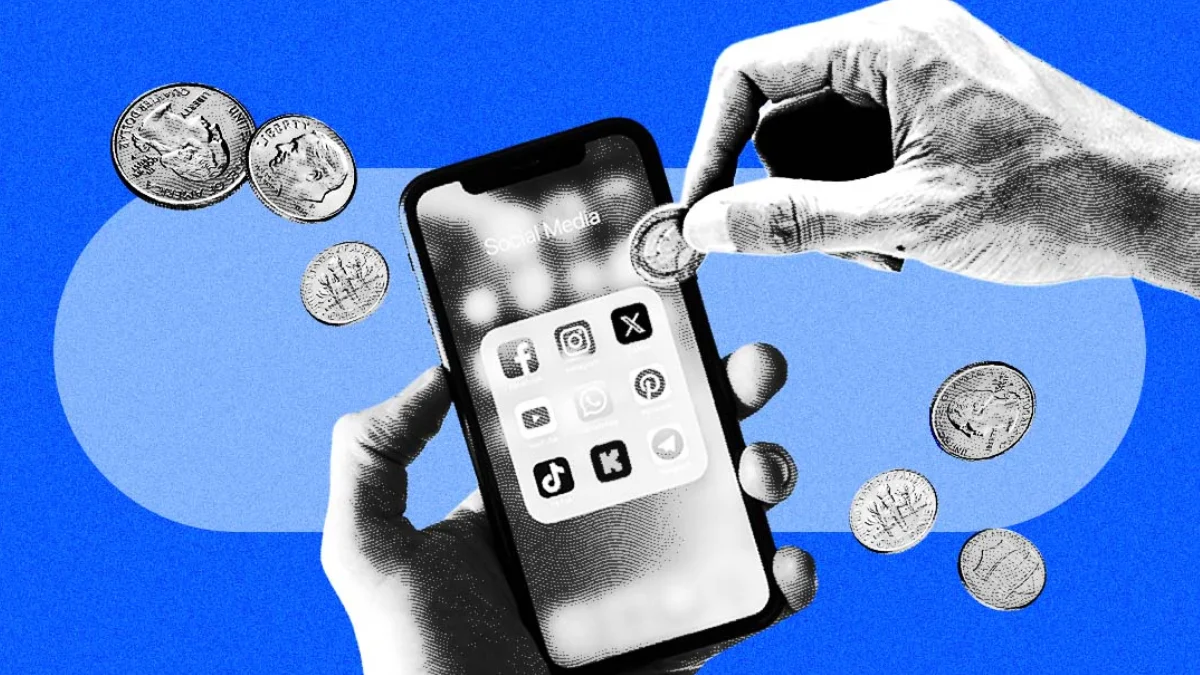
How streamers make money has stopped being one answer. xQc reportedly cleared $100 million on a Kick contract. Meanwhile, a college kid streaming Valorant to 12 viewers pulled in $43 last month.
Same job. Different planet. The real money runs through six layers, and only one of those layers lives on the stream itself. At marianoiduba, we track creator income the same way we track celebrity net worth. Paper trail, not press release. Leaked contracts, tax filings, agency disclosures, court records. The boring stuff nobody wants to dig through.
This breakdown covers every income stream, the costs nobody mentions, and the proprietary Mariano Iduba Income Hierarchy you can use to plot any creator on the pyramid.
Quick Answer
Streamers make money through six income streams: platform exclusivity deals, ad revenue splits, subscriptions and memberships, brand sponsorships, merchandise, and direct fan donations. Beginner creators bring in $50 to $200 a month. Mid-tier streamers pull $5,000 to $25,000. Top earners clear $10 million to $50 million a year once exclusivity bonuses, brand deals, and equity stakes stack up.
Why Creator Net Worth Is the Hardest to Estimate
Actors get tax court filings leaked. Athletes sign league-disclosed contracts. CEOs report comp in SEC documents. Streamers? They stay invisible. The 2021 Twitch payout leak was the last time we got real numbers. Everything since then is guesswork dressed up as journalism.
And the gap is wide. A creator might pull $3 million from Twitch and another $7 million from sponsors that never hit a public record. The IRS sees both. The internet sees neither.
Net worth aggregator sites just stack rumors on rumors. We do not work that way. Our team cross-checks every estimate against three source layers: leaked contracts, court filings, and verified brand deal disclosures. So, the full marianoiduba methodology runs every figure through seven editorial stages before publish.
So next time a viral tweet quotes a streamer’s net worth, ask one question. Who counted, and what did they count? That gap is where the real money sits.
Platform Exclusivity Deals Now Define How Streamers Make Money
Subs and ads pay rent. Exclusivity deals buy houses.
How Streamers Make Money Through Kick Exclusive Deals
Twitch starts every streamer at a 50/50 sub split. And once you hit the Plus Program thresholds, your sub payout jumps from $2.50 to $3.00. The top contracts then move that to 70/30, but those numbers stay locked behind NDAs.

So pure Twitch revenue rarely makes anyone rich. It funds the runway. And the fat checks come from somewhere else.
How Streamers Make Money Through Kick Exclusive Deals and the 95/5 Split
Kick changed the math in 2023. The platform keeps just 5% of sub revenue. xQc reportedly signed a $100 million two-year deal. And the Adin Ross and Trainwrecks both crossed $30 million on similar contracts. So why can Kick afford it? Gambling sponsor money. That is the open secret. The platform runs a different business model than Twitch, and Kick exclusive deals price accordingly.
YouTube Live and the Signing Bonus Era
Ludwig left Twitch for an exclusive YouTube contract in 2022. The blueprint stuck. Valkyrae, CouRage, Lilypichu, all followed. Signing bonuses for proven creators land between $5 million and $30 million, with rev share layered on top.
The bonus is that YouTube videos keep earning after the stream ends. VOD ad income trickles in for years. Twitch streams mostly disappear. US creators land the biggest deals. Deeper ad market, fatter brand budgets, simple as that.
Ad Revenue Splits and How Streamers Make Money From Views
Twitch CPM sits between $2 and $10. Run three minutes of ads per hour through Ads Manager and you unlock 55% net ad share. Mid-roll pays more than pre-roll, but it kills retention. So most streamers slot ads into natural breaks. Loading screens, bathroom moments, queue times between matches.
How Streamers Make Money From YouTube Ad Revenue
YouTube splits 55/45 on long-form ads. Creator keeps 55%. Shorts use a separate ad pool that pays peanuts compared to long-form, somewhere near $0.04 per thousand views.
The niche matters way more than the size. Gaming sits at $1 to $5 CPM. Finance, tech, and business hit $15 to $40. Most ranking articles skip this entirely, and that is why their math always looks wrong.
Why Ads Alone Never Build Real Wealth
Run the numbers. A streamer with 1,000 average viewers running normal ad loads earns $300 to $900 a month from ads. That pays rent. It does not buy a Lambo. So, real creator monetization stacks ads at the bottom and piles subs, sponsors, and equity on top. Ads are the floor. Not the ceiling.
Subscriptions and Paid Memberships
Twitch subs come in three tiers: $4.99, $9.99, and $24.99. Default split is 50/50. Top contracts move it to 70/30. Prime subs count as Tier 1 but cost the viewer nothing, so streamers love them.
How Streamers Make Money From Kick and YouTube Memberships
Kick keeps 5% of sub revenue and sends 95% to the creator But, brutal for competitors. YouTube memberships run 70/30, close to Twitch Partner Plus. So, a YouTube creator with 1,000 paid members at $4.99 nets around $3,500 a month after the cut.
Real Subscription Revenue Streamers Live On
Let’s do the math. 100 active subs at Tier 1 with a 50/50 split equals $250 a month. 1,000 subs is $2,500. 10,000 subs (Kai Cenat territory) is $25,000 a month from subs alone. Add Tier 2 subs, Tier 3 subs, gifted sub bombs, and Prime conversions, and the number climbs fast.
What makes the subscription revenue streamers love this layer is the predictability. It shows up every month like clockwork. Sponsorships swing. Ads swing. Subs are the steadiest thing on the pyramid.
Sponsorship and Integration Deals
One G FUEL or HelloFresh integration pays $5,000 to $50,000 per stream for mid-tier creators. Top names like Pokimane, Kai Cenat, and IShowSpeed command $100,000 to $500,000 per integration. Some campaigns push past $1 million for a single creator. The platform sees zero of that.
How Streamers Make Money From Different Deal Types
The four main formats are:
- Single-stream integration (one-off paid promo)
- Monthly retainer (recurring brand fee)
- Annual exclusivity (locked to one brand category)
- Equity-for-promotion (cash plus company shares)
That last one is the new frontier. MrBeast popularized it. The creator takes a smaller cash fee and a slice of the company. If the brand wins, the equity outearns ten years of streaming.
Agent and Management Cuts
Loaded, Night, UTA, and the rest take 10% to 20% of every deal they close. Add a manager on top and another 10% to 15% comes off before the creator sees anything. So a $100,000 sponsorship turns into roughly $65,000 net after team cuts. Most pros route the income through an LLC or S-Corp to soften the tax bill later.
Merchandise and Direct Fan Revenue
Print-on-demand is the easy way in. Most creators run shirts and hoodies through Streamlabs Merch or Spring. Margins land at $5 to $15 per unit. Low effort, modest ceiling. Limited drops crush always-on stores. Scarcity sells. A four-day capsule launch can clear a year of passive merch grinding.
The bigger play is owned brands. Pokimane launched RFLCT. Valkyrae built 100 Thieves into a nine-figure apparel and esports business. MrBeast turned Feastables into a grocery aisle staple. These are not merch lines, they are companies with real equity stakes.
Patreon, Ko-fi, Throne, and paid Discord tiers run parallel. A creator with 500 Patreon members at $10 a tier pulls $5,000 monthly with no platform middleman. This kind of influencer income gets undercounted in every public net worth estimate we cross-check.
The Hidden Costs Creators Absorb
Top streamers run real businesses with real payroll. The standard line items look like this:
- Full-time editor: $1,500 to $5,000 per month
- Thumbnail designer: $50 to $300 per asset
- Manager: 10% to 15% of gross
- Accountant: $300 to $1,500 per month
- Social media lead: $2,000 to $6,000 per month
Add gear refresh cycles, studio rent, and the occasional PR fee. The biggest creators carry teams of 10 to 30 people and burn six figures a month on payroll alone.
The US Tax Reality
Streamers in the US file as self-employed. That means 15.3% self-employment tax on top of federal and state income tax. California creators routinely lose 40% to 50% of gross income before they touch a dollar.
Quarterly estimated payments are mandatory. Skip them and the IRS adds penalties. Smart streamers route income through an S-Corp to cut the self-employment hit and protect personal assets.
The Gross vs Net Gap Nobody Talks About
A $1 million gross year usually nets between $450,000 and $550,000 once team, taxes, platform splits, and agency cuts come out. That gap is the part every viral tweet leaves out. We do not. The headline tells you who looks rich. The net tells you who actually got rich.
The Mariano Iduba Income Hierarchy
This is the chart we built because nothing online maps how streamers make money at every level. Most ranking articles lump everyone together. That is useless. A 50-viewer hobbyist and Kai Cenat run two different businesses, in two different tax brackets, with two different ceilings.
The marianoiduba Income Hierarchy breaks the streaming economy into five tiers. Each tier has its own dominant income source, its own ceiling, and its own net-after-costs reality. Use it to plot any creator you read about online.
Mariano Iduba Streamer Income Hierarchy (2026)
| Tier | Average Viewers | Monthly Gross | Primary Income Source | Net After Costs |
|---|---|---|---|---|
| Tier 1: Hobbyist | 1 to 10 | $0 to $200 | Donations, small subs | $0 to $150 |
| Tier 2: Side Hustler | 50 to 200 | $500 to $3,000 | Subs, Bits, small ads | $400 to $2,200 |
| Tier 3: Career Streamer | 500 to 2,000 | $5,000 to $25,000 | Subs, ads, first sponsors | $3,500 to $18,000 |
| Tier 4: Mid-Major | 5,000 to 15,000 | $40,000 to $200,000 | Sponsors, exclusivity bonus | $25,000 to $130,000 |
| Tier 5: Top 1% | 25,000+ | $500,000 to $4M+ | Exclusivity deals, equity, brand empire | $300,000 to $2.5M+ |
Source: Mariano Iduba editorial analysis, 2026 edition. Tiers reflect 30-day rolling averages. Net figures account for team payroll, US taxes, agency cuts, and platform splits.
Conclusion
How streamers make money depends entirely on which tier they sit in. The income pyramid is steeper than nearly any other entertainment field. A creator can grind at Tier 2 for years and then leapfrog straight to Tier 4 the moment they sign one good deal.
At marianoiduba, we built the Income Hierarchy chart so readers stop falling for headline numbers. Next time a $50 million streamer payday goes viral, run it through the tiers. Subtract the team and subtract the taxes. Subtract the agents. The real number always sits closer to the middle than the headline ever admits. And that is the only number worth tracking.
Frequently Asked Questions
How much do Twitch streamers make?
Beginners pull $50 to $200 a month. Mid-tier creators clear $3,000 to $25,000. Top earners hit $1 million to $10 million a year once Twitch revenue, sponsorships, and exclusivity bonuses stack.
What was the biggest Kick streamer deal?
xQc signed a reported $100 million two-year exclusivity contract with Kick in 2023. Adin Ross and Trainwrecks both reportedly crossed $30 million on their own Kick exclusive deals.
How does YouTube split ad revenue?
YouTube splits long-form ad revenue 55/45, with the creator keeping 55%. Shorts run on a separate ad pool that pays far less per view than long-form videos.
Are streamers self-employed?
Yes. US streamers file as self-employed and owe 15.3% self-employment tax plus regular federal and state income tax. Most run an LLC or S-Corp to lower the tax hit and shield personal assets.
What percentage do agents take from creator deals?
Talent agencies usually take 10% to 20% of every brand deal value. Add a manager on top and another 10% to 15% comes off before the creator sees a cent.