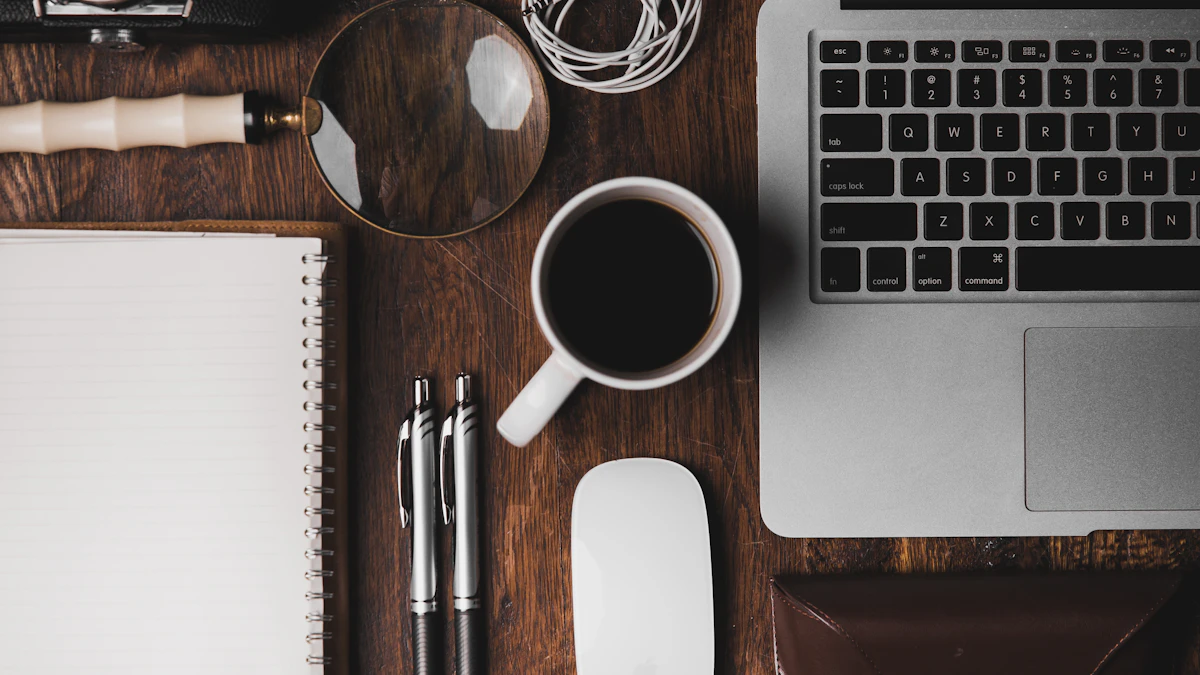

A magnifying glass is a convex lens, usually set in a frame with a handle, that makes small things look larger. What is a magnifying glass used for, in short? It is used to read fine print, inspect small objects, observe nature at close range, and help with detailed hobby work, all by producing an enlarged, upright image of whatever sits close beneath the lens.
It is one of the oldest optical tools in the world, and also one of the simplest: a single piece of shaped glass, with no batteries and no moving parts. This guide explains how it works, what it is used for, the types available, and how to choose the right one for your needs.
Key takeaways
- A magnifying glass is a convex lens, thicker in the middle than at the edges, set in a frame with a handle.
- It works by bending light so your eye sees an enlarged, upright, virtual image of a nearby object.
- Most handheld magnifiers offer between 2x and 6x magnification, with lower power giving a wider view.
- Common uses include reading fine print, inspecting coins, stamps and jewellery, and observing nature.
- Hands-free, stand and illuminated versions suit longer tasks such as sewing, crafts and repair work.
- Never look at the sun through a magnifying glass, and never leave one in direct sunlight.
How a magnifying glass works
A magnifying glass works by refraction, which is the bending of light as it passes through glass. The lens is convex, meaning it bulges outwards on one or both sides, and it is thicker in the middle than at the edges. When light from a nearby object passes through the lens, the lens bends the rays inward, and your eye follows them back to a point that looks larger and further away than the real object.
The trick is in where you hold it. The object must sit closer to the lens than the lens’s focal length, which is the distance at which the lens would bring parallel light rays together. In that position, the lens produces a virtual image: upright, enlarged, and on the same side of the lens as the object.
Best for: anyone who wants a simple, instant way to see small detail, with no setup and nothing to charge.
Reading fine print
Reading is the most common use of a magnifying glass, and the one most people reach for first. Medicine bottle labels, food packaging, maps, instruction booklets and the small print on contracts are all easier with a lens, especially in dim light or when your eyes are tired. A handheld magnifier is ideal for a quick check: hold it close to the page, move it until the text sharpens, and read at a comfortable distance.
For longer reading, a hands-free version is better. A stand magnifier sits over the page and leaves both hands free, a sheet magnifier lies flat on the book, and a head-worn magnifier works like a pair of glasses with built-in lenses. If you find yourself reaching for a magnifier every day, it is also worth having your eyes checked, since a change in vision is easier to deal with early.
Best for: short checks with a handheld lens, and longer reading sessions with a stand, sheet or illuminated magnifier.
Inspecting collectibles and small objects
Collectors were among the earliest serious users of the magnifying glass, and it is still a standard tool for the hobby. Coin collectors use it to read dates and mint marks, and to check the condition of edges and surfaces. Stamp collectors use it to study print details, perforations and watermarks. Jewellery buyers use a small, powerful lens called a loupe to inspect stones, settings and hallmarks before they buy.
The same idea applies to everyday checks. A magnifier helps you read a serial number on an appliance, check a splinter in a finger, look at a thread count in fabric, or inspect a small scratch on a phone screen.
Best for: coins, stamps, jewellery, watches and electronics, where a small detail can change the value or the diagnosis.
Observing nature and science
A hand lens is a classic tool for looking closely at the natural world. Gardeners use it to check leaves for pests and disease, birdwatchers use it to study feathers found on a walk, and children use it to look at insects, bark and soil. Geologists carry one to examine the grain and crystals in a rock, and the habit goes back a long way: the earliest written mention of a magnifying device is a joke in Aristophanes’ play The Clouds, from 424 BC, about lenses sold to start fires.
The science behind the tool was described more than a thousand years ago, in the Book of Optics written by Ibn al-Haytham in 1021, which explained how a convex lens forms a magnified image. That same principle sits inside the eyepiece of a microscope and a telescope, where a magnifying lens enlarges an image made by another lens. A simple hand lens is, in that sense, the first step into optics, and it is still the best way to show a child how lenses change what we see.
Best for: nature walks, gardening, school science, and anyone curious about the small details of the world.
Crafts, sewing and detailed work
Close work is where a magnifying glass earns its keep a second time. Sewing, embroidery, model making, miniature painting, electronics repair and jewellery making all need both hands free and a clear, enlarged view. Head-worn magnifiers and stand magnifiers with lights are made for exactly this: they sit between your eyes and your work, keep the image steady, and let you work for an hour without holding anything up.
For these jobs, comfort matters as much as power. A lens that is too strong will show a tiny area and force you to hold your work very close, which gets tiring fast. A lower magnification with a larger lens and a good light is usually the better choice, since it gives you room to move your hands and see the whole piece. Try before you buy if you can, and check that the lens is glass or good quality acrylic, since cheap plastic lenses distort the edges of the image.
Best for: sewing, crafts, modelling and repair work, where a hands-free magnifier with a light is the practical choice.

Choosing the right magnifying glass
Choosing comes down to four things: magnification, lens size, light and comfort. Magnification is usually given as a number followed by an x, such as 2x or 5x, and most handheld magnifiers sit between 2x and 6x. Lower power gives a wider view and a larger area in focus, which is why it suits reading. Higher power shows more detail but a smaller area, which suits inspection. More power is not always better, and a 10x lens is often harder to use than a 3x one.
Lens size matters too: a bigger lens shows more of the page at once, while a small lens is easier to carry. A built-in light is worth having, since it removes shadows and makes text readable in poor light. Finally, think about the handle and the weight. A comfortable handle and a lens that is not too heavy make a real difference if you use it every day. If you read a lot with children, our guide to the best baby books covers books worth sharing, and for reading labels in the kitchen, our guide to the best water bottles covers bottles with clear markings. For early morning reading over breakfast, our guide to the best breakfast food covers simple starts to the day.
Best for: a 2x to 3x handheld lens with a light for everyday use, and a loupe or head-worn magnifier for specialist work.
Your magnifying glass checklist
Use this list when you are buying your first magnifier, or when the one you have is not doing the job.
- Have you matched the magnification to the task, rather than just buying the strongest lens?
- Is the lens large enough to show a useful area, not just a few letters at a time?
- Does it have a built-in light, or do you have a good lamp to use with it?
- Is the lens glass or good quality acrylic, without distortion at the edges?
- Can you hold it comfortably, or do you need a hands-free or stand version?
- Have you checked the focal distance, so you know how close to hold it?
- Do you have a case or a pouch to protect the lens from scratches?
- Are you storing it away from direct sunlight, where it cannot focus the sun’s rays?
- Have you cleaned the lens with a soft cloth, not a rough one that could scratch it?
- If you use it daily for reading, have you had your eyes checked recently?
Magnifying glasses compared
| Type | Magnification | Hands free | Best for | Watch out for |
|---|---|---|---|---|
| Handheld | 2x to 6x | No | Quick reading and checks | Tiring to hold for long sessions |
| Stand magnifier | 2x to 4x | Yes | Long reading sessions | Less portable than a handheld |
| Head-worn | 1.5x to 3.5x | Yes | Crafts, sewing, repair work | Can feel heavy after a while |
| Sheet magnifier | About 2x | Yes | Full pages of text | Thinner image, less sharp at edges |
| Loupe | 5x to 20x | No | Jewellery, coins, electronics | Very small field of view |
Frequently asked questions
What is a magnifying glass used for?
A magnifying glass is used to make nearby text and small details appear larger. Common uses include reading fine print, inspecting coins, stamps and jewellery, observing nature, and helping with detailed hobby work such as sewing and crafts.
How does a magnifying glass make things look bigger?
It uses a convex lens, which bends light so your eye sees an enlarged, upright, virtual image of the object. The object must sit closer to the lens than the lens’s focal length, and the lens also lets you bring the object closer to your eye than you could focus on it unaided.
What magnification do I need?
Most people need 2x to 3x for reading and general use, and 5x to 10x for close inspection of small objects. Higher magnification shows more detail but a smaller area, so a stronger lens is not always the better choice.
Can a magnifying glass start a fire?
Yes. A magnifying glass can focus sunlight into a hot spot, which is how it was described as a fire-starting tool in ancient times. Never leave one in direct sunlight, especially on a windowsill, and never look at the sun through one.
What is the difference between a magnifying glass and a microscope?
A magnifying glass is a single lens, called a simple magnifier, offering up to about 6x. A microscope uses two lens stages to reach much higher magnification. The eyepiece of a microscope is itself a magnifying lens, enlarging the image made by the objective lens.
How do I look after a magnifying glass?
Keep it in a case or pouch so the lens does not scratch, clean it with a soft cloth, and store it away from direct sunlight and heat. Never leave it on a sunny windowsill, where it could focus light onto curtains, paper or wood.
The bottom line
A magnifying glass is a small tool with a long history and a simple job: it makes the small things in life easier to see. Pick a low-power lens with a good light for reading, a loupe for close inspection, and a hands-free version for craft work. Look after the lens, keep it out of direct sunlight, and it will last for years while costing very little.