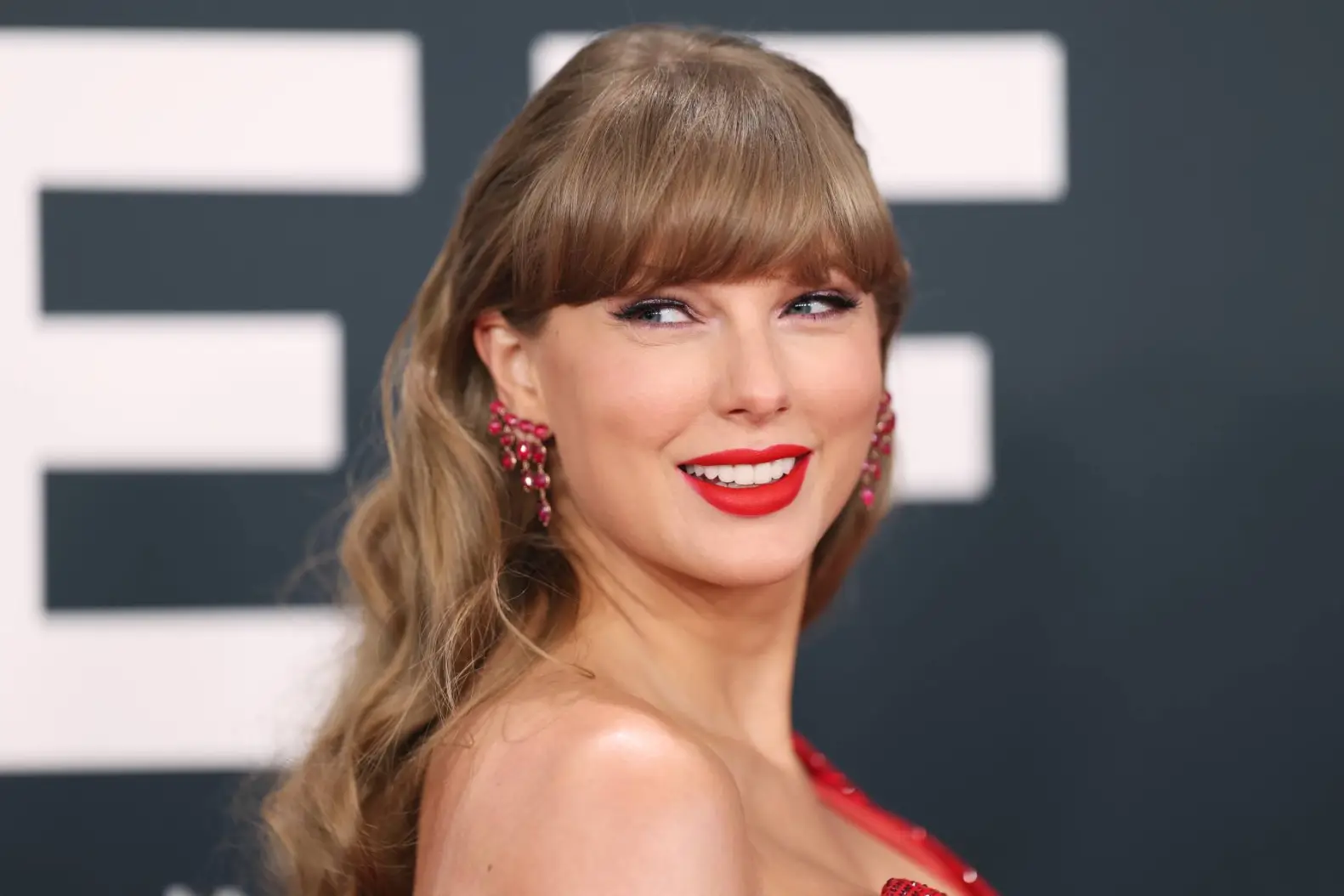
You know that part in “All Too Well (Ten Minute Version)” where Taylor sings about being forgotten? Yeah, that aged interestingly. Because in 2026, forgetting Taylor Swift isn’t really an option she’s practically embedded in the culture at this point.
She’s on your Spotify, on the news, trending on social media, and somehow still selling out stadiums like it’s the first time anyone’s heard of her. But here’s the thing most people don’t stop to think about beyond all the cultural noise, there’s an insane financial story quietly building underneath all of it.
Taylor Swift’s net worth in 2026 isn’t just “celebrity rich.” It’s a whole different category. She didn’t come from money. Nobody handed her a shortcut. She built this one album, one tour, one smart business decision at a time. And honestly? The full picture is more impressive than most people realize.
Let’s get into it.
Taylor Swift Net Worth 2026: What We’re Actually Talking About
As of 2026, Taylor Swift’s net worth sits at around $1.6 billion. She cracked the billionaire mark back in 2023, and things have only kept climbing since driven by the Eras Tour, merchandise, real estate, and the kind of music catalog that just keeps printing money.
No musician has stacked wealth this fast, this consistently, or through this many different channels at the same time. That’s not hype — it’s just the reality of where she stands right now.
Quick Overview: Taylor Swift at a Glance
| Detail | Info |
|---|---|
| Full Name | Taylor Alison Swift |
| Date of Birth | December 13, 1989 |
| Age (2026) | 36 |
| Birthplace | West Reading, Pennsylvania |
| Profession | Singer, songwriter, director, entrepreneur |
| Career Start | 2004 |
| Estimated Net Worth | ~$1.6 billion |
| Record Label | Republic Records |
| Publicist | Tree Paine |
Early Life: The Girl Who Just Wouldn’t Quit
Taylor Swift grew up in West Reading, Pennsylvania, born December 13, 1989. Her dad was a financial advisor, her mom had a marketing background so business instincts were kind of built into her from day one, whether she knew it or not.
She got into theatre early, did local productions, and by the time she was 11, she was already dragging her parents to New York City trying to get record labels to notice her. Most of them said no. She kept showing up anyway.
When she was 14, her whole family packed up and moved to Hendersonville, Tennessee entirely to support her career. That’s not a small thing. Her parents didn’t treat this like a hobby or a phase. They treated it like a real plan. And that environment clearly shaped how seriously she’s always taken her own ambitions.
She signed with Big Machine Records at 15, becoming their youngest signing ever. Her debut album came out in 2006 when she was just 16.
The rest is the kind of career that people will still be writing about in 50 years.
Taylor Swift’s Albums: Every Era, Every Reinvention
What makes Taylor Swift’s discography so remarkable isn’t just how many albums she’s put out it’s how different each one feels. She doesn’t do “safe.” She pivots hard, takes risks, and somehow it keeps working.
Here’s the full run:
- Taylor Swift (2006) — Country roots, raw songwriting, songs like “Tim McGraw” and “Teardrops on My Guitar.” This was her saying: I’m a real songwriter, not just a gimmick.
- Fearless (2008) — Grammy Album of the Year. She was the youngest person to win that award at the time.
- Speak Now (2010) — Not a single co-writer. She did the whole thing herself. That mattered to her, and she made sure everyone knew it.
- Red (2012) — The first real genre shift. “We Are Never Ever Getting Back Together” broke out into pop territory and people kind of lost it.
- 1989 (2014) — Full pop transformation. Won Album of the Year again. Solidified her as a true global superstar.
- Reputation (2017) — She went dark, got theatrical, wiped her social media, and came back with snakes. Somehow it worked brilliantly.
- Lover (2019) — A bright, colorful exhale after Reputation’s intensity.
- Folklore (2020) — This one changed a lot of people’s opinions about her. Indie folk, incredibly personal, universally praised. Third Album of the Year win.
- Evermore (2020) — Folklore’s quieter, sadder sister. Released the same year. Devastating in the best way.
- Midnights (2023) — Broke Spotify records on day one. First album ever to take all top 10 spots on the Billboard Hot 100 at the same time.
- The Tortured Poets Department (2024) — Dropped as a surprise double album. Was #1 everywhere within hours.
Every single one of these albums still earns streaming royalties, licensing deals, sync placements. It’s not just art. It’s infrastructure.
The Taylor’s Version Project: Honestly, a Genius Move
This is the chapter of Taylor Swift’s story that doesn’t get enough credit when people talk about her business brain.
When her contract ended with Big Machine Records and Scooter Braun ended up acquiring her original master recordings, Swift was pretty publicly vocal about how she felt about it. But instead of just venting and moving on, she made a plan: re-record every one of those early albums from scratch, own the new versions completely, and encourage everyone fans, media, brands to switch over.
It worked. The original versions started losing streams almost immediately after each Taylor’s Version release. She essentially redirected the value away from masters she didn’t own toward ones she did.
That’s not just a clapback. That’s a long game business strategy executed perfectly.
Taylor Swift’s Eras Tour Earnings: The Numbers Are Wild
If you want to understand how Taylor Swift’s net worth got to where it is, start here.
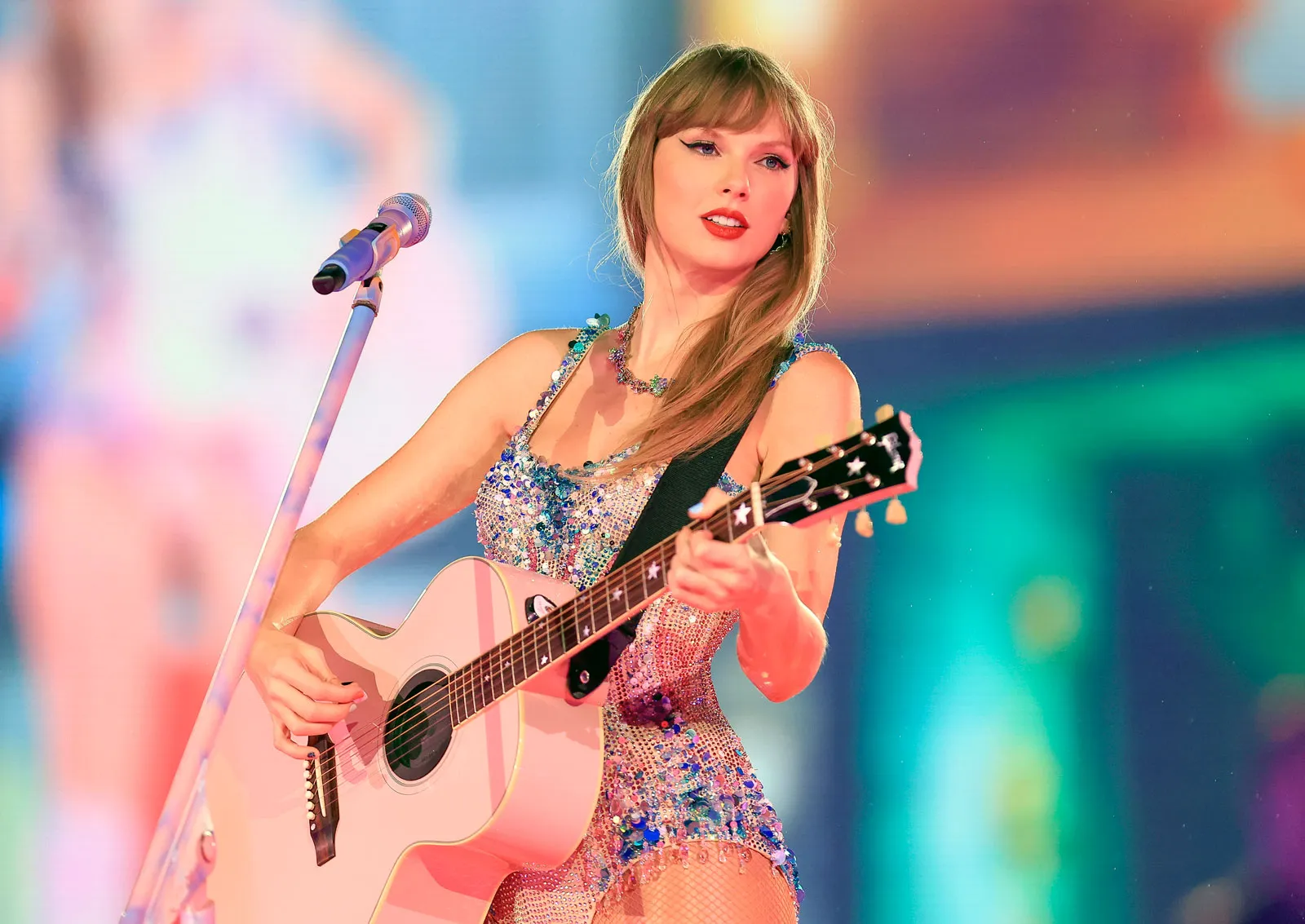
The Eras Tour ran from 2023 through 2025 and became without much debate the highest-grossing concert tour in history. Nothing else has come close.
Here’s what the numbers looked like:
- Total estimated gross: $2+ billion
- Average per show: Roughly $13–$17 million
- Total shows: 150+
- Local economic impact: Individual cities Denver, Edinburgh, Toronto reported hundreds of millions in local spending from a single Taylor Swift weekend
And it wasn’t just a concert. It was a three-hour show covering every era of her career, about 44 songs a night, with full production redesigns for each section. The costs were massive. The returns were bigger.
She also reportedly negotiated terms that gave her a higher-than-usual cut of ticket revenue. When you have that kind of demand, you get to write your own deal.
Taylor Swift Merch: The Business Most People Overlook
People underestimate how serious the merch side of things is. This isn’t a table of t-shirts near the stadium entrance. It’s a product business.
During the Eras Tour, merch lines were built around each album era different aesthetics, different colorways, different price points. Swifties didn’t just pick up a hoodie. They were building collections, matching items to specific eras, hunting down limited pieces.
Online drops tied to album releases routinely sell out in under an hour. Vinyl variants, collector editions, era-specific apparel all of it moves fast and at premium prices.
What makes this work is that the demand is genuine and the products are actually good. Fans aren’t being pressured into buying low-quality stuff. When fans feel respected by the product, they keep coming back. Swift’s team figured that out early.
Taylor Swift’s Income Sources: The Full Breakdown
So how does $1.6 billion actually happen? Here’s where the money really comes from:
1. Streaming & Music Sales Daily streams in the millions across every major platform. Her catalog is nearly two decades deep and earns passively around the clock.
2. Tour Revenue The Eras Tour contributed an estimated $500–$600 million directly to her pocket. Live performance is consistently her largest single income driver in active years.
3. Merchandise Tens of millions per release cycle. The ecosystem is well-developed and fan demand is high.
4. Taylor’s Version Catalog She owns the masters. All revenue from those recordings goes to her no label taking a cut.
5. Brand Deals & Sponsorships Capital One, Diet Coke, and others have paid well for her endorsement. She keeps these selective, which is smart it preserves the premium perception of her name.
6. Real Estate Multiple properties including Tribeca (NYC), Beverly Hills, Nashville, Rhode Island, and Tennessee. Portfolio estimated at $100 million+.
7. Film & Acting A smaller stream, but real. She’s acted in several projects and directed a number of her own music videos.
8. Publishing Royalties She writes (or co-writes) almost everything. Every commercial placement, film sync, or cover version generates a royalty check.
9. Equity Deals At her level, some brand partnerships likely involve ownership stakes rather than flat fees. It’s how the biggest names play it now.
Taylor Swift’s Personal Life: The Human Behind the Headlines
Taylor has never tried to pretend her personal life is completely separate from her music. That thread runs through everything she makes.
She’s been openly close to people like Selena Gomez and Blake Lively for years friendships that have stayed pretty consistent despite the chaos of fame around them. She’s talked about her family with warmth, and she’s also been honest about the harder parts: the anxiety, the body image struggles she detailed in Miss Americana, the weight of growing up under public scrutiny starting at age 16.
What strikes people and what I think explains a lot of her loyal fanbase is that she doesn’t pretend everything is fine when it isn’t. She processes real things publicly. She writes about them. People recognize their own experiences in her songs, and that connection is worth more than any marketing strategy.
Taylor and Travis: Where Things Stand in 2026
Since late 2023, Taylor Swift has been publicly dating NFL tight end Travis Kelce of the Kansas City Chiefs. It became one of the most-discussed celebrity relationships in recent memory almost immediately partly because of the scale of both their profiles, and partly because it genuinely seemed like two people who liked each other, which shouldn’t be remarkable but somehow felt refreshing.
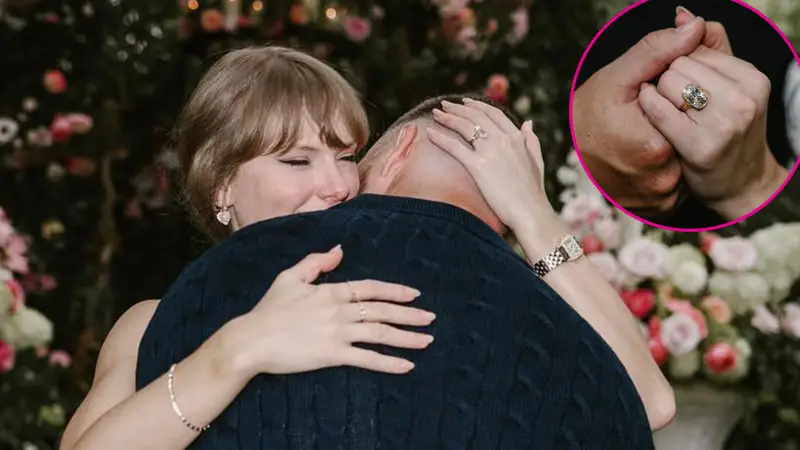
As of 2026, they’re still together. No official engagement announcement has been made, though the internet has been closely watching every public appearance for a Taylor Swift ring on her left hand. Fans will notice. They always do.
From a brand standpoint, the relationship did something interesting it pulled a whole chunk of NFL fans into Swift’s orbit, people who’d never called themselves Swifties before. The crossover was real, and it worked in both directions.
Taylor Swift’s Career Achievements: The Record Books Rewritten
Here’s just a partial list of what she’s actually done:
- 4x Grammy Album of the Year winner — no other artist has done this
- Spotify’s most-streamed artist — multiple times over, including breaking her own records
- First artist to have all top 10 Billboard Hot 100 spots simultaneously
- Time Person of the Year (2023)
- First touring artist to generate $1 billion+ in local economic impact across tour stops
- Honorary doctorates from multiple universities including NYU
- Billboard Greatest of All Time rankings across multiple chart categories
These aren’t just trophies. Every record she breaks adds leverage better ticket pricing, stronger deal terms, higher brand fees. Achievement compounds into business power.
Conclusion: It Was Never Just About the Music
Here’s something that gets lost in all the net worth coverage: the money is a byproduct, not the goal.
Taylor Swift has $1.6 billion because she built something real real emotional connections, real creative work, real business instincts applied consistently over 20 years. The Eras Tour didn’t succeed because of marketing. It succeeded because people genuinely wanted to be there.
Every income stream she has traces back to that same root: fans who feel like her music is actually speaking to them. The merch sells because belonging to that community means something. The catalog earns because the songs hold up. The brand deals pay because her name still means something premium and trustworthy.
She’s 36, she owns her work, she controls her story, and she shows no signs of slowing down. Whatever comes next, the foundation she’s built is solid enough to last a very long time.
And honestly? That next chapter is going to be worth paying attention to.
Frequently Asked Questions
Q1: What is Taylor Swift’s net worth in 2026?
Around $1.6 billion. She’s one of the wealthiest musicians alive and among the richest self-made women in entertainment history.
Q2: How old is Taylor Swift?
She turned 36 on December 13, 2025. So she’s 36 as of 2026.
Q3: How many studio albums has she released?
Eleven: Taylor Swift, Fearless, Speak Now, Red, 1989, Reputation, Lover, Folklore, Evermore, Midnights, and The Tortured Poets Department.
Q4: How much does she earn per year?
During the Eras Tour years, estimated over $400 million annually. In 2026, passive income from royalties, merch, and investments likely puts her in the $80–$150 million range.
Q5: What was her most successful tour?
The Eras Tour, without question — both personally and historically. Nothing has grossed more in the entire history of touring.
Q6: What earns her the most money when she’s not touring?
Catalog royalties and merchandise are the biggest passive earners. Real estate adds significant long-term wealth on top of that.
For more celebrity net worth breakdowns and in-depth biographies, explore marianoiduba