
How long does alcohol stay in your system? For most healthy adults, the body clears alcohol at a steady pace of roughly one standard drink per hour, so a single drink is usually gone from the blood within one to two hours, while a heavy evening can take twelve hours or more. That is the short answer, and the question has no single number: how long alcohol stays depends on how much you drank, how quickly, and how your body handles it.
The picture gets more complicated when tests enter the story. Alcohol itself leaves the blood and breath within hours, yet the traces it leaves behind can be picked up for much longer — a standard urine test for up to a day, a sensitive urine test for up to three days, and a hair test for up to ninety days. Feeling sober is not the same as testing clear, or as being safe to drive.
Key takeaways
- On average, the body clears about one standard drink per hour, and nothing reliably speeds that up.
- A standard drink holds about 14 grams of pure alcohol: a 12-ounce beer, a 5-ounce glass of wine, or a 1.5-ounce measure of spirits.
- Alcohol leaves the blood and breath within hours, but urine and hair tests can detect traces for days or months.
- Body size, sex, age, food, liver health and medicines all change how quickly alcohol is processed.
- Feeling sober does not mean your blood alcohol level has returned to zero.
- Coffee, cold showers and fresh air do not clear alcohol faster; only time does.
What counts as one standard drink
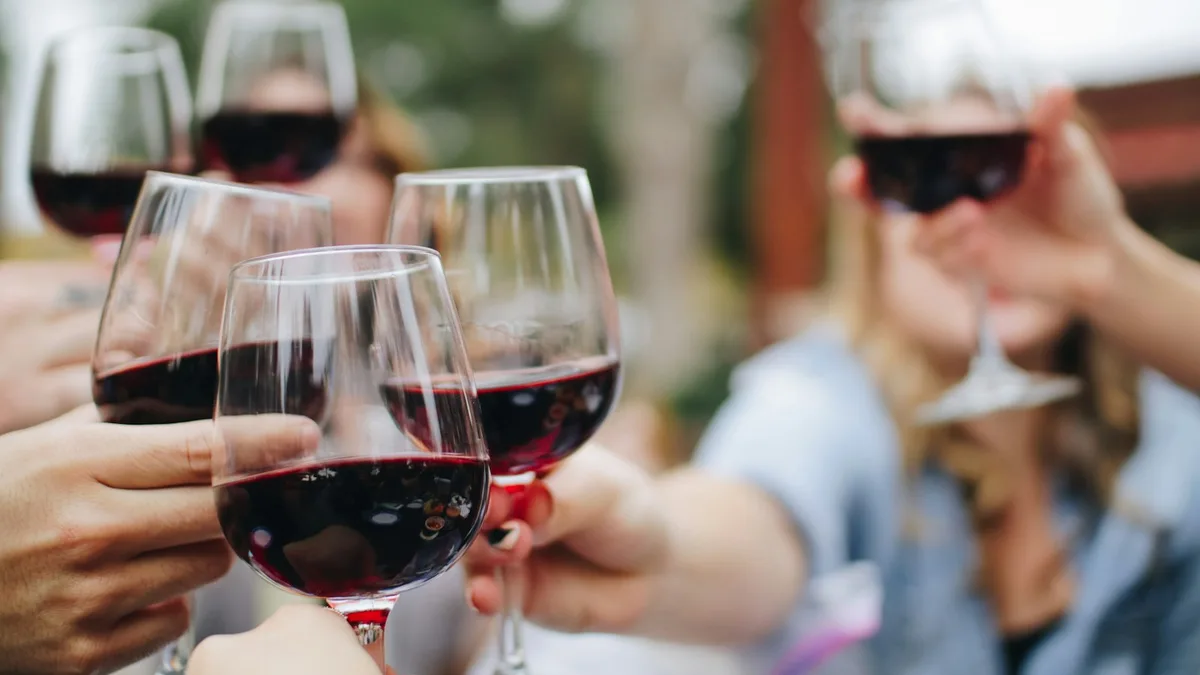
Before any timeline makes sense, it helps to know what one drink actually means. In the United States, a standard drink contains about 14 grams of pure alcohol: 12 ounces of regular beer, 5 ounces of wine, or 1.5 ounces of distilled spirits such as whisky, vodka or gin. These are not generous pours. A pint of strong beer, a large home glass of wine, or a double measure can each hold two standard drinks or more, and the clock runs on the total amount, not the number of glasses.
That is where most people underestimate the wait. Four drinks need roughly four hours to clear from the last one, and six or eight drinks can still be clearing well into the next morning. Drinking faster does not make the body work faster; it only raises the peak and lengthens the wait.
How your body processes alcohol
Once swallowed, alcohol is absorbed quickly from the stomach and small intestine, entering the bloodstream within minutes, then travels to the brain — which is why its effects on judgement, coordination and reaction time arrive so fast. Blood alcohol level usually peaks around thirty to sixty minutes after a drink.
The liver does almost all of the clearing work. Enzymes there, led by alcohol dehydrogenase, convert alcohol into acetaldehyde, which is then broken down further into acetate. Only a small fraction leaves the body unchanged, through breath, urine and sweat — which is why a breath test can measure it at all. Because the main enzyme runs close to full capacity after even a modest amount, the liver clears alcohol at a near-constant rate.
Why the rate varies from person to person
The average hides wide variation. A smaller person has less body water to dilute the alcohol, so the same drink produces a higher blood alcohol level. Women, on average, have less body water and lower levels of the stomach enzyme that starts breaking alcohol down. Older adults often process alcohol more slowly, and liver disease slows the process markedly.
Food makes a real difference. Eating before and during drinking slows absorption and lowers the peak, though it does not reduce the total the liver must clear. Some medicines interact with alcohol and can change its effects and clearance time. Chronic heavy drinking can slightly raise the metabolic rate, but tolerance to feeling drunk does not mean tolerance to the damage.
How long alcohol stays, drink by drink
The clearest way to think about the timeline is to count back from the last drink. One standard drink is typically out of the blood within one to two hours, two drinks take about two to three hours, four drinks about four to five hours, and six drinks about six to eight hours. A very heavy session of ten drinks can take ten to thirteen hours or more, which is why someone who drank until two in the morning can still have alcohol in their system at lunchtime.
These are rough guides, not guarantees, and they describe alcohol in the blood, not the traces left behind. The body does not finish faster because you slept, drank water, or ate a large breakfast. Sleep helps you feel better and water helps with dehydration, but neither changes the liver’s pace. Only time clears alcohol, and the clock starts from the last drink, not the first.

Detection windows: what each test can find
Being clear of alcohol and testing clear are two different things, because most tests look for alcohol or its by-products, and those linger. A breath test measures alcohol currently in the blood, so it is useful for hours, typically up to twelve to twenty-four hours after heavier drinking. A standard blood test detects alcohol for up to about six to twelve hours, and a saliva test for roughly twelve to twenty-four hours.
Urine tests stretch further. A standard urine test usually covers about twelve hours. The more sensitive EtG test looks for ethyl glucuronide, a by-product made while processing alcohol, and it can stay positive for twenty-four to seventy-two hours, sometimes longer after heavy drinking. Hair tests work on a different scale: markers can show up in hair for up to ninety days.
Why tests disagree with each other
The spread follows from what each test measures. Breath and blood tests measure alcohol itself, so they go quiet once the liver has finished. EtG tests measure a metabolite cleared more slowly, so they stay positive after the alcohol is gone. Hair tests reflect a pattern over weeks. That is why a person can feel sober, pass a breath test, and still fail a urine test the same day.
What does not speed things up
Almost every folk remedy for sobering up fails the same test: it may make you feel more alert, but it does not change your blood alcohol level. Coffee does not clear alcohol; caffeine masks tiredness while leaving judgement and reaction time impaired, a dangerous combination. A cold shower, fresh air, or exercise may wake you up, but the liver keeps working at the same steady rate. Vomiting removes alcohol still in the stomach, yet it does nothing about the alcohol already in the blood.
Drinking water between drinks is genuinely helpful, but for a different reason than people assume. It slows the pace of drinking, which gives the liver time to keep up, and it reduces dehydration. Eating has a similar role: food slows absorption and softens the peak. Neither shortens the total clearance time. Once alcohol is in your system, waiting is the only way out.
Alcohol, sleep and the morning after
Alcohol is often described as a sleep aid, and it can make you drowsy, but the sleep it produces is lighter and more broken than normal sleep. It suppresses the deep, restorative stages early in the night and often leads to waking in the early hours as blood alcohol falls. The result is falling asleep easily and waking unrefreshed, which is one reason a heavy evening leaves people tired even after a full night in bed.
The morning after also brings dehydration, disturbed sleep, and the by-products of alcohol breakdown, including acetaldehyde, which contributes to nausea and headaches. These symptoms can linger after the alcohol itself has cleared. If symptoms are severe — confusion, vomiting that will not stop, slow or irregular breathing, or an inability to wake someone — that is a medical emergency, and help should be sought immediately.
Your alcohol clearance checklist
Use this list when planning an evening, or the morning after one, to keep the timeline straight.
- Count standard drinks, not glasses: a large pour can hold two.
- Remember the rough pace of one standard drink per hour, counted from the last drink.
- Eat before and during drinking to slow absorption and soften the peak.
- Drink water between alcoholic drinks to slow your pace.
- Do not drive until the alcohol has cleared, not merely until you feel sober.
- Expect a breath test to stay positive for hours, and an EtG test for up to three days.
- Do not rely on coffee, cold showers or fresh air; they only mask tiredness.
- Check how your medicines interact with alcohol before you drink.
- Plan how you will get home before the first drink, not after the last one.
- If someone shows signs of alcohol poisoning, seek urgent help straight away.
How the tests compare
| Test | What it measures | Typical window | Best for | Main limitation |
|---|---|---|---|---|
| Breath | Alcohol in blood | Up to 12 to 24 hours | Current intoxication | Quiet once alcohol clears |
| Blood | Alcohol in blood | Up to 6 to 12 hours | Accurate current level | Short window |
| Saliva | Alcohol in saliva | Up to 12 to 24 hours | Recent-use check | Short window |
| Urine, standard | Alcohol itself | Up to about 12 hours | Recent drinking | Misses older drinking |
| Urine, EtG | Alcohol by-product | Up to 24 to 72 hours | Last few days | Positive after sobriety |
| Hair | Alcohol markers | Up to about 90 days | Long-term pattern | Cannot date one evening |
Frequently asked questions
How long does one drink stay in your system?
Typically one to two hours in a healthy adult. Sensitive urine tests may still pick up traces for a day or so.
Can you speed up how fast alcohol leaves your system?
No. The liver clears about one standard drink per hour, and coffee, water, food, exercise and cold showers do not change that pace.
How long can a urine test detect alcohol?
A standard urine test covers up to about twelve hours. The more sensitive EtG test can detect drinking for twenty-four to seventy-two hours, sometimes longer after heavy drinking.
Does alcohol show up in a hair test?
Yes, for up to about ninety days, depending on hair length. They reflect a pattern over weeks rather than a single evening.
Is it safe to drive the morning after drinking?
Not necessarily. After a heavy evening, alcohol can still be in your blood well into the next morning. Count roughly one hour per standard drink from your last drink, and leave extra time on top.
Why do I feel drunk after a few drinks but my friend does not?
Body size, sex, age, food, liver health and medicines all play a part. A smaller person reaches a higher blood alcohol level from the same drink, and an empty stomach speeds absorption.
The bottom line
How long does alcohol stay in your system? On average, about one standard drink per hour, counted from the last drink — so a single drink clears in an hour or two, while a heavy evening can take twelve hours or more, and sensitive tests can detect traces for days after that. For a steadier evening, our guide to stress-relief techniques covers calmer ways to unwind, our guide to the best water bottles covers keeping water close at hand between drinks, and our guide to the best tea brands covers a gentler drink for the morning after.
This article is general information only and is not medical advice. If you are worried about your drinking, or about how alcohol interacts with a health condition or medicine, speak to a doctor. If someone shows signs of alcohol poisoning, seek urgent medical help immediately.