
Hip dips are the inward curves that many people have on the sides of their hips, between the hip bone and the top of the thigh. They are a normal anatomical variation, caused by the shape of the pelvis and the way muscle and fat sit around it, and they appear in people of all body sizes and fitness levels. Hip dips are not a flaw, a health problem or a sign of being out of shape.
The term became widely known through social media, where smooth, rounded hip lines are often shown as the ideal, and the dip is treated as something to fix. This guide explains what hip dips are, why they happen, what exercise and clothing can and cannot change, and how to think about them kindly.
Key takeaways
- Hip dips are inward curves on the sides of the hips, between the hip bone and the top of the thigh.
- They are a normal anatomical variation, shaped mainly by the pelvis and by how muscle and fat sit around it.
- They appear in people of all body sizes and fitness levels, and are not a health problem.
- Exercise can strengthen the muscles around the hips, but it cannot change the shape of the bones.
- Clothing choices can soften or highlight the dip, depending on what you prefer.
- Social media images are often posed, filtered or edited, and are not a fair comparison for a real body.
What hip dips actually are
The dip sits where the top of the thigh bone meets the pelvis. The hip bone, called the ilium, is the highest point, and the thigh bone is below it. Between them there is a space where the bone is closer to the skin and there is less muscle and fat to fill it out, so the outline of the body curves inward. The depth of the dip depends on the width and shape of the pelvis, the length of the thigh bone, and how muscle and fat are distributed around the hips.
That is why hip dips look different from person to person. Some people have a gentle curve that is barely noticeable, others have a deeper dip that is easy to see in fitted clothing, and some people have almost no dip at all. All of these are normal.
Best for: anyone who has noticed the curve and wants a plain, factual explanation of what it is.
Why hip dips happen
The main reason is bone structure. A wider pelvis, a higher hip bone, or a longer space between the hip bone and the thigh bone can all make the dip more visible, and none of these can be changed by diet or exercise. Genetics play a large part: the shape of your pelvis and the way your body stores fat are largely inherited, and they vary widely between families and between people.
Muscle and fat also play a part. The muscles around the hips, including the gluteus medius on the side of the hip, fill out the area above and below the dip, so building those muscles can soften how the dip looks. Body fat levels matter too, but in a complicated way: losing fat can make the dip more visible, because there is less soft tissue to fill it, while gaining fat can soften it, but neither change removes the underlying bone shape.
Best for: understanding that hip dips come from bone shape first, and that they are not caused by anything you did wrong.
Are hip dips normal
Yes. Hip dips are a normal part of many bodies, and they are not a medical condition. They do not cause pain, they do not affect how well you can walk, run or move, and they do not need treatment. Doctors do not treat hip dips as a health issue, and there is no health reason to try to remove them.
It is worth saying this clearly, because social media often treats the dip as a problem to be fixed, with before-and-after photographs, workout plans and cosmetic procedures marketed as solutions. Comparing a real body, seen in a mirror in ordinary light, with a curated photograph is not a fair comparison, and it is not a useful one either.
Best for: anyone who has worried that hip dips mean something is wrong with their body, and wants a clear answer.
Exercise and hip dips
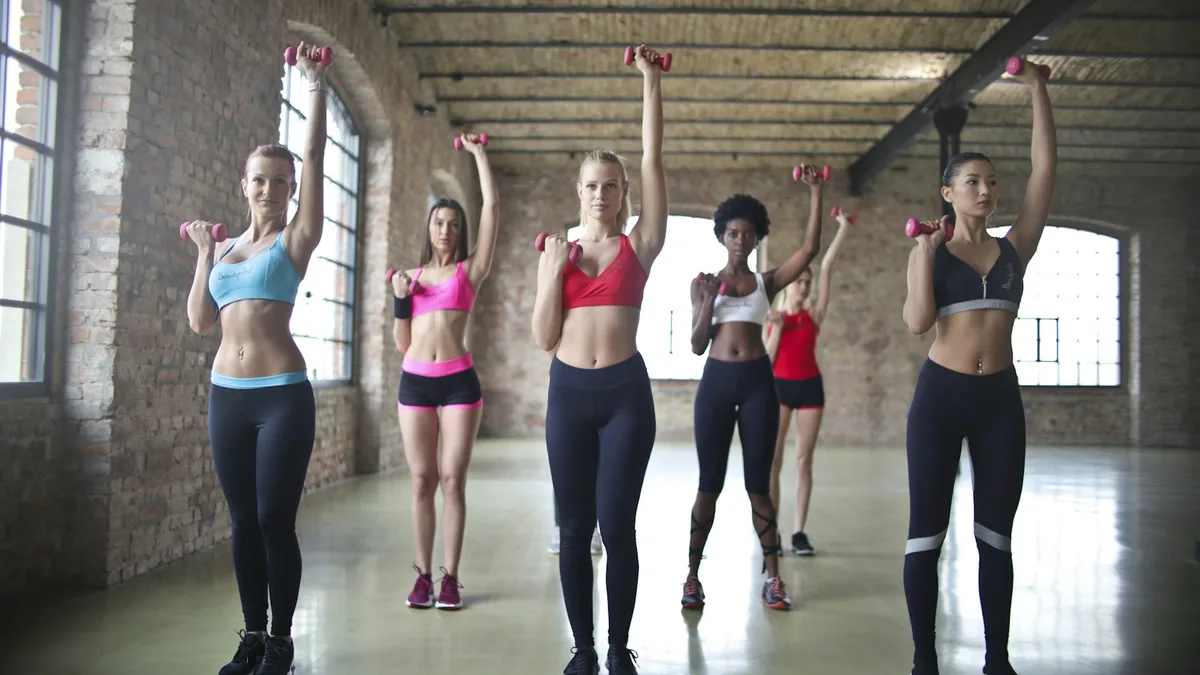
Exercise cannot change the shape of your bones, so no workout can remove hip dips entirely. What exercise can do is strengthen the muscles around the hips and thighs, which can soften the look of the dip and improve strength, balance and posture. The gluteus medius, the muscle on the side of the hip, is the one most often mentioned, along with the gluteus maximus and the muscles of the outer thigh.
Exercises that work those muscles include side-lying leg lifts, clamshells, lateral band walks, side lunges, hip abductions and single-leg squats. A balanced routine that also includes walking, squats and hip hinges is more useful than a routine built only around one area.
Best for: anyone who wants to feel stronger around the hips, and to know honestly what exercise can and cannot do.
Clothing and confidence
Clothing can change how visible hip dips are, and the choice is entirely yours. High-waisted trousers and skirts, A-line skirts, and fabrics with a little structure can smooth the line of the hip, while softer, clingier fabrics and low-rise styles can make the dip more visible. None of these choices is right or wrong: some people prefer to soften the dip, others do not think about it at all, and both are fine.
Confidence, though, is less about clothing than about what you compare yourself with. If a particular account, feed or search result leaves you feeling worse about your body, it is worth stepping away from it, unfollowing it, or limiting how often you see it.
Best for: practical clothing ideas, and a kinder way to think about the images you see online.
What does not work, and what to be careful about
Be careful about any product, workout or procedure that promises to remove hip dips quickly. Creams, wraps and supplements cannot change bone shape, and workout plans that promise a smooth hip line in a few weeks are selling a result that exercise cannot deliver. Cosmetic procedures exist that aim to fill the dip, but they carry costs and risks, and they are a personal decision to discuss with a qualified medical professional, not something to book from an advertisement.
It is also worth being careful about advice that links hip dips to weight, diet or willpower. Hip dips appear in slim, average and larger bodies, in athletes and in people who rarely exercise, and they are not a sign of laziness or poor eating.
Best for: spotting promises that are too good to be true, and knowing when to seek support rather than another workout plan.

Your hip dips checklist
Run through this list whenever the dip is on your mind, and keep the kind version.
- Have you remembered that hip dips are a normal anatomical variation, not a flaw?
- Have you noticed that the dip looks different in different clothes, light and positions?
- Have you asked whether the image you are comparing yourself with is posed, filtered or edited?
- Have you thought about what your body does well, rather than only how it looks?
- Have you chosen exercise for strength, balance and how it feels, not to erase a curve?
- Have you tried clothing that fits well and feels comfortable, whatever the style?
- Have you stepped away from feeds or accounts that leave you feeling worse about your body?
- Have you been careful about products or procedures that promise to remove hip dips quickly?
- Have you talked to someone you trust if worries about your body are affecting your mood or eating?
- Have you given yourself the same kindness you would give a friend with the same shape?
Approaches to hip dips compared
| Approach | What it does | Effect on the dip | Cost and effort | Best suited to |
|---|---|---|---|---|
| Accepting the dip | Changes how you think about it | None on the shape, large on peace of mind | Free, takes time | Anyone who wants a kinder view of their body |
| Strength exercise | Builds hip and thigh muscles | May soften the look, cannot remove it | Regular time, low cost | Strength, balance and posture |
| Clothing choices | Changes how visible the dip is | Softens or highlights it, as you prefer | Cost of clothes you like | Day-to-day confidence |
| Cosmetic procedures | Aims to fill the dip | Can change the outline, with risks | High cost, medical risks | A personal decision, with medical advice |
| Quick-fix products | Creams, wraps, supplements | No real effect on bone shape | Ongoing cost, no benefit | Not recommended |
Frequently asked questions
What causes hip dips?
Hip dips are caused mainly by the shape of the pelvis and the space between the hip bone and the thigh bone, with muscle and fat distribution playing a smaller part. Genetics largely decide the shape, and the dip is a normal variation, not a sign of a problem.
Are hip dips normal?
Yes. Hip dips are normal, common and not a medical condition. They appear in people of all body sizes and fitness levels, they do not cause pain, and they do not need treatment.
Can exercise get rid of hip dips?
No workout can remove hip dips entirely, because exercise cannot change bone shape. Strengthening the muscles around the hips can soften how the dip looks and improve strength and posture, but the underlying curve remains.
Do hip dips go away if you lose weight?
Not necessarily. Losing weight can make hip dips more visible, because there is less soft tissue to fill the area, while gaining weight can soften them. Neither change alters the shape of the pelvis, which is what creates the dip.
What clothes hide hip dips?
High-waisted trousers and skirts, A-line skirts and fabrics with a little structure can smooth the line of the hip. Softer, clingier fabrics can make the dip more visible. The choice is personal, and there is no right or wrong way to dress around them.
Should I worry about hip dips?
No, there is no health reason to worry about hip dips. If worries about your body shape are affecting your mood, eating or daily life, talking to a doctor, a counsellor or a trusted person is a sensible step.
The bottom line
Hip dips are a normal part of many bodies, shaped by the pelvis and by how muscle and fat sit around it, and they are not a flaw or a health problem. Exercise can make the hips stronger and may soften the look of the dip, clothing can change how visible it is, and a kinder view of the images you compare yourself with can change how it feels. Bodies are not meant to look identical, and a curve that has always been part of yours does not need fixing. For a calmer mind around body image, our guide to stress relief techniques covers simple ways to unwind, our guide to the best water bottles covers staying hydrated through workouts, and our guide to the best breakfast food covers easy, nourishing mornings.
If worries about your body shape are affecting your eating, your mood or your daily life, talk to a doctor, a counsellor or someone you trust. Support is available, and asking for it is a strong step, not a weak one.