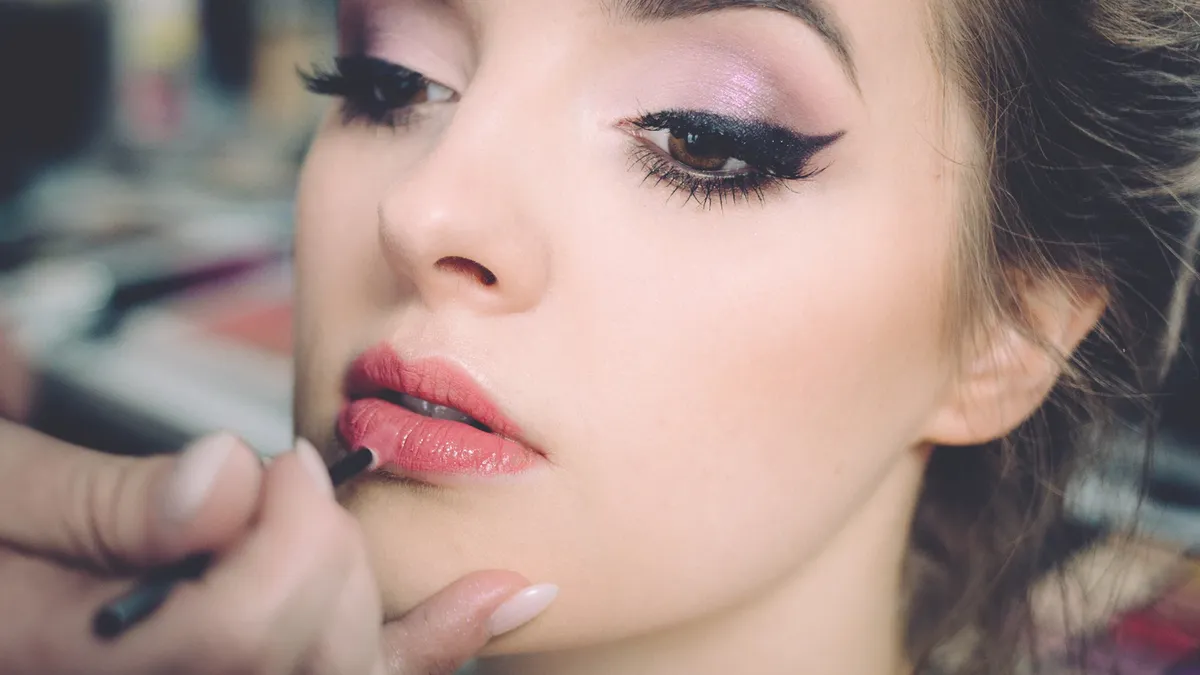

Eyelash and hair extensions are two of the most popular beauty treatments available today, and both work on the same simple idea: adding length, volume or fullness that nature did not provide. Eyelash extensions are individual synthetic fibres glued to your natural lashes, while hair extensions are lengths of real or synthetic hair attached to your own hair. The right choice depends on your budget, your lifestyle and how much upkeep you are willing to do.
Both treatments have one thing in common: the result is only as good as the person fitting them. A skilled technician protects your natural lashes and hair, matches the extensions to your colour and texture, and tells you honestly what your hair can support. A rushed or cheap job can damage what you already have, so choosing the salon matters at least as much as choosing the type.
Key takeaways
- Eyelash extensions come in classic, hybrid and volume styles, fitted one lash at a time or in small fans.
- Hair extensions range from clip-ins you fit yourself to tape-ins, sew-ins and bonded methods fitted in a salon.
- Both need regular maintenance: lash infills every two to three weeks, and hair move-ups as your hair grows.
- Keep extensions dry for the first day, avoid oil-based products, and brush gently.
- A patch test before your first appointment checks for allergic reactions to lash glue or hair products.
- Choose a trained technician and be honest about your hair history and any previous damage.
Eyelash extensions: the main types
Classic lash extensions are the simplest style. One extension is glued to one natural lash, which adds length and a little fullness while keeping a natural look. They are usually the quickest and least expensive salon option, and they suit people who want defined eyes without it being obvious that they are wearing extensions.
Volume lashes use fans of two to six very fine extensions attached to a single natural lash. Because each fibre is lighter and thinner than a classic lash, the fan adds density without overloading the natural lash. The result is fuller and more dramatic. Hybrid lashes sit between the two, mixing single extensions with fans for a textured look that is fuller than classic but softer than full volume.
Strip lashes, cluster lashes and magnetic lashes are the alternatives you fit yourself. Strip lashes are a full band glued along the lash line and removed at the end of the day. Cluster lashes are small groups glued to your own lashes, lasting a few days. Magnetic lashes use tiny magnets to sandwich your natural lashes between two strips. None lasts as long as salon extensions, but they cost far less and carry no commitment, which makes them a sensible way to try the look first.
Hair extensions: the main types
Clip-in extensions are the easiest place to start. Wefts of hair on small clips are fastened to your own hair in sections, and you can put them in and take them out yourself in minutes. They add length and volume for a day or an evening, they do not damage your hair when fitted properly, and they are the least expensive option. Their drawback is that they are temporary: they must come out before sleeping, swimming or washing your hair.
Tape-in extensions are thin wefts attached with adhesive tape, sandwiching a section of your natural hair between two strips. They lie flat against the head, which makes them comfortable and hard to spot, and they usually last six to eight weeks before they need moving up. Sew-in extensions, also called weaves, are sewn onto small braids of your own hair. They suit thick, curly hair well, but the braids put tension on the scalp, so they are not right for fine or fragile hair.
Bonded extensions, sometimes called fusion or keratin bonds, attach small strands to your hair with a keratin adhesive softened with heat. Micro-link extensions use small metal rings instead of glue. Both last several months with maintenance, move naturally, and are hard to detect when fitted well. They are also the most expensive and take the longest to fit, and a poor fitting can damage the hair at the attachment point.
What happens at the appointment
A good salon starts with a consultation, not with glue. For lashes, the technician should ask about allergies, eye conditions and whether you have had extensions before. A patch test, where a small amount of adhesive is placed on the skin a day or two before the appointment, checks for a reaction. For hair, the consultation covers your hair type, its condition and colour history, and the technician should be honest if your hair is too fine or too damaged for the method you have in mind.
A full set of lash extensions usually takes between ninety minutes and two hours. You lie down with your eyes closed while the technician isolates each natural lash and attaches an extension with adhesive. It should not hurt: stinging or burning means something is wrong and you should say so at once. Hair extensions take longer, from one hour for clip-ins to three or four hours for a full head of bonded extensions, and the cost rises with the time and the amount of hair used.
Looking after extensions day to day
The first day matters most for lash extensions. Adhesive needs time to set, so most technicians advise keeping lashes dry for the first twenty-four hours: no water, steam or saunas. After that, clean them gently each day with a lash-safe cleanser, avoid oil-based makeup and removers, which weaken the adhesive, and brush them with a clean spoolie brush. Do not rub your eyes, do not pull at loose extensions, and do not use a mechanical eyelash curler, which can snap both the extension and your natural lash.
Hair extensions need a different routine. Brush them daily with a soft brush or a loop brush designed for extensions, holding the roots so you do not tug at the attachments. Wash with sulphate-free shampoo, keep conditioner away from bonds and tapes, and dry the roots thoroughly, because damp attachments can slip or cause matting. Tie hair loosely in a low plait before bed, never go to sleep with wet extensions, and avoid heat styling directly on bonds or tapes.

Costs, upkeep and how long they last
Costs vary widely by location, salon and method, and you should always ask for the full price before booking, including infills and removal. A full set of classic lashes costs less than volume lashes, because the appointment is shorter and uses fewer fibres. Lash extensions shed naturally as your own lashes shed, so infill appointments every two to three weeks replace the lashes you have lost.
Hair extensions are a bigger commitment. Clip-ins are a one-off purchase you reuse, while salon methods involve the cost of the hair, the fitting appointment and regular maintenance visits. Human hair costs more than synthetic hair but looks more natural, can be styled with heat, and lasts longer. Synthetic hair is cheaper but cannot be heat-styled and tangles more easily. Ask what maintenance and removal cost, so the total price is clear before you commit.
| Method | How long it lasts | Upkeep |
|---|---|---|
| Classic lashes | Four to six weeks, with infills | Infill every two to three weeks |
| Volume lashes | Four to six weeks, with infills | Infill every two to three weeks |
| Strip or magnetic lashes | One day | Remove and clean after wear |
| Clip-in hair | Months of reuse, worn daily | Remove before bed and wash separately |
| Tape-in hair | Six to eight weeks per fitting | Move-up as hair grows |
| Bonded or micro-link hair | Three to four months | Regular maintenance appointments |
Risks and how to reduce them
Both treatments are generally safe when fitted by a trained technician, but they are not risk-free. Lash adhesive can cause an allergic reaction, with redness, swelling or itching around the eyes, which is why a patch test matters. Extensions that are too heavy for your natural lashes can cause them to break or fall out early, and rubbing or pulling at them makes this worse. If your eyes become sore or swollen after an appointment, have the extensions removed professionally, and seek medical advice if symptoms do not settle quickly.
Hair extensions carry their own risks. Methods that pull on the roots, especially tight sew-ins and heavy bonded strands on fine hair, can cause traction alopecia, a form of hair loss caused by prolonged tension. Poorly fitted tapes and bonds can slip, tangle and mat, and matted hair is sometimes impossible to untangle without cutting. Tell your technician about any scalp condition or hair loss, and if a fitting feels painful, go back to the salon rather than waiting for it to settle.
A checklist for your first appointment
Run through this checklist before you book, so the appointment goes smoothly and the result suits you.
- Book a consultation first, and ask to see the technician’s own work.
- Have a patch test before your first lash appointment, and tell the salon about any allergies.
- Be honest about your hair history, including colouring, previous extensions and any damage.
- Ask for the full cost, including infills, move-ups and removal, before you commit.
- Choose a style that suits your natural lashes and hair, not just the most dramatic option.
- Buy a lash-safe cleanser and a suitable brush before the appointment.
- Plan your calendar: avoid swimming, saunas and heavy exercise for the first day after lashes.
- Know the signs of a problem, and go back to the salon or seek medical advice if anything hurts or swells.
Frequently asked questions
Do eyelash extensions damage your natural lashes?
They should not, when fitted correctly. Damage usually comes from extensions that are too heavy or too long for your natural lashes, or from pulling them out yourself. Choose a trained technician and have them removed professionally.
Can I wear makeup with lash extensions?
Yes, with care. Avoid oil-based products and waterproof mascara, which can weaken the adhesive and are hard to remove without rubbing. Water-based makeup and a lash-safe cleanser are the safer combination.
How long do hair extensions last?
It depends on the method. Clip-ins last for months of reuse because you take them out each day. Tape-ins usually last six to eight weeks before they need moving up, while bonded and micro-link extensions can last three to four months with regular maintenance.
Can I swim or exercise with extensions?
You can, with care. For lashes, wait at least a day after fitting before swimming, and rinse with clean water afterwards. For hair extensions, tie hair up before swimming, rinse afterwards, and dry the roots thoroughly.
Are hair extensions suitable for fine hair?
Some methods are, and some are not. Tape-ins and micro-links are often the best choices for fine hair, because they are light and lie flat. Heavy bonded strands and tight sew-ins can strain fine hair and cause breakage.
What should I do if my extensions hurt?
Go back to the salon promptly. Pain, soreness or swelling is not normal. For lashes, a technician can remove them safely; for hair, they can loosen the attachment causing tension. If symptoms do not settle after removal, seek medical advice.
The bottom line
Eyelash and hair extensions can transform how you look with very little daily effort, but only when they are fitted well and cared for properly. Start with a consultation, choose a method that suits your natural lashes and hair, and keep up with infills and move-up appointments. Done that way, your natural lashes and hair stay healthy underneath them. For more on looking after your hair, read our guide to the best rosemary oil for hair growth, our article on brown hair dye, and our guide to calico hair.