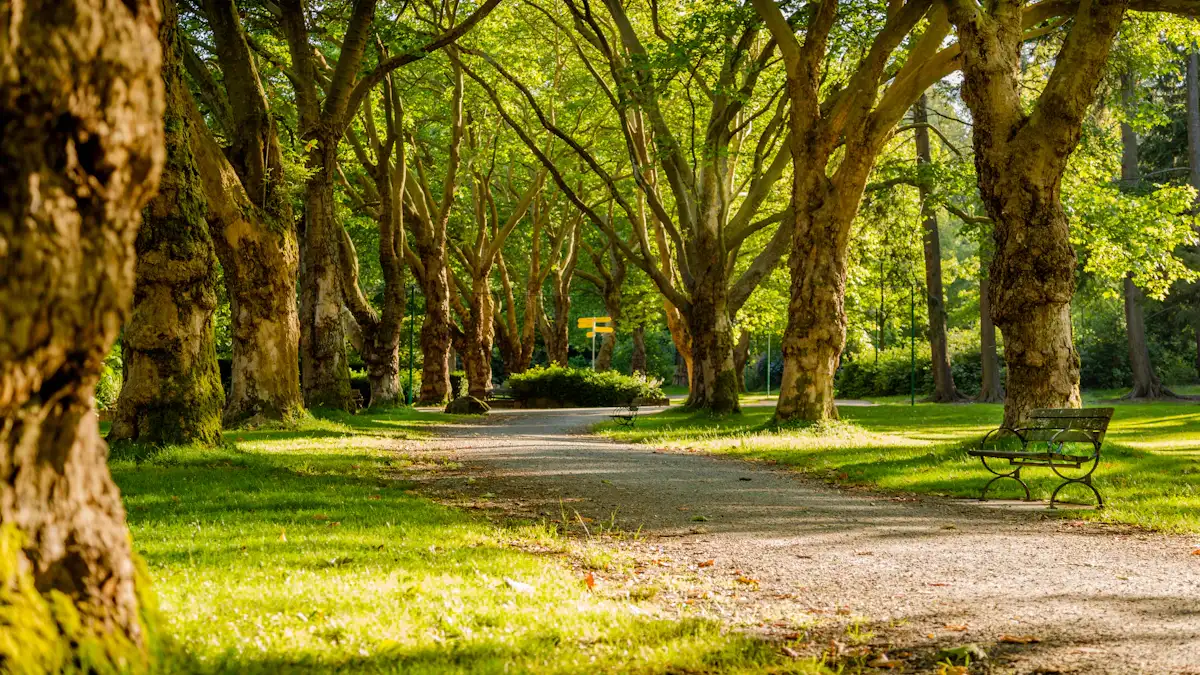

The best places to visit in spring are the ones where the season itself is the attraction: blossom in the parks, mild days for walking, and landscapes waking up after winter. Spring rewards travellers who plan around nature rather than crowds, and the best trips are often the ones taken just before the summer rush arrives.
This guide looks at the kinds of places that shine in spring, how to choose between them, and how to plan a trip that makes the most of the season without falling into its traps.
Key takeaways
- Spring is one of the best seasons to travel, with mild weather, longer days and fewer crowds than summer.
- Blossom season is short and weather-dependent, so check local forecasts and bloom reports rather than fixed dates.
- Cities are at their best in spring, when parks are green and walking is comfortable all day.
- Coastal places are quieter and cheaper in spring, but the sea is still cold in many regions.
- Mountain trails can still hold snow in early spring, so check conditions before setting out.
- Book early for famous blossom destinations, and travel midweek to avoid the weekend crowds.
Why spring is such a good season to travel
Spring sits in a sweet spot between the cold of winter and the heat and crowds of summer. Days are long enough for full sightseeing, temperatures are usually comfortable for walking, and the natural world is visibly changing week by week. A garden visited in April can look entirely different by May, which gives spring trips a sense of occasion that other seasons rarely match.
Spring is also a practical season for travellers. Flights and hotels are often cheaper than in the summer peak, and popular sights are easier to enjoy without long queues. Families travelling outside school holidays find the best value, and couples find the quietest weekends. The trade-off is uncertainty: spring weather can turn quickly, and a warm week can be followed by rain, so packing a waterproof layer is never wasted.
The season suits almost every style of travel. City breaks work well because walking is pleasant, countryside trips work well because the landscape is at its greenest, and coastal breaks work well for walkers even when the sea is too cold for swimming. The key is matching the destination to what spring does best there, rather than expecting summer weather a few months early.
Blossom cities
Few sights define spring as clearly as a city in blossom. Cherry blossom draws crowds in Japan each year, where whole parks turn pink for a week or two, and similar displays fill cities across Europe and North America, from Washington’s tidal basin to the blossom avenues of European capitals. The spectacle is brief, which is part of its appeal, but it also means timing matters more here than anywhere else.
Blossom timing shifts with the weather, sometimes by a week or more, so a trip booked months ahead is always a gamble. Local bloom forecasts, published by parks and tourism boards as the season approaches, are the best guide, and flexible travel dates help. If the blossom peaks early or late, a good city still offers plenty to enjoy, so choose a destination with more than one reason to visit.
When you do visit a blossom city, go early in the morning. The light is better, the crowds are thinner, and the parks feel calm before the day’s visitors arrive. Bring a picnic rather than queuing for a cafe, and remember that the trees are fragile: admire them from the paths and leave the branches alone.
Spring in the countryside
The countryside is where spring shows its full range. Woodland floors fill with wildflowers, lambs appear in the fields, and village gardens open their gates for the season. Walking holidays come into their own at this time of year, with firm paths, cool air and long evenings for a slow dinner after a day outdoors.
National parks and nature reserves are excellent spring destinations, particularly for birdwatching, since many species return to breed and are easier to spot before the trees fill with leaves. Guided walks run by rangers or local wildlife groups can turn a pleasant stroll into a genuinely memorable morning, and they cost little or nothing.
Spring is also the season of local food. Farm shops stock the first asparagus and spring greens, markets fill with early produce, and village pubs put their garden tables out. A countryside trip built around markets, gardens and slow walks will usually beat a rushed itinerary of famous sights.
Coastal escapes in spring
Coastal towns in spring offer the sea air and the views without the summer crowds. Promenades are quiet, beaches are empty enough for long walks, and restaurants that close in winter reopen their doors. It is the best time of year for walkers, photographers and anyone who likes the coast for its space rather than its sunbathing.
The main limitation is the water. In many regions the sea stays cold well into late spring, so swimming is for the hardy only, and even paddling can be bracing. Check the season before booking a beach holiday built around the water, and choose a coast with cliffs, harbours and coastal paths if swimming is not the point.
Mountains and lakes in spring
Mountain regions in spring offer a mix that no other season provides: snow on the high peaks, green valleys below, and lakes filling with meltwater. Lower trails open first, while high passes may stay closed into early summer, so the best spring walking is often at middle altitudes where the snow has gone but the summer crowds have not arrived.
Before setting out, check trail conditions with local visitor centres, because snow, mud and swollen streams can make a familiar route difficult in spring. Carry more water than you think you need, wear boots with grip, and start early so you finish before the afternoon weather turns. Mountain weather is the least forgiving kind, and spring is when it changes fastest.

Spring destinations compared
Each type of spring destination suits a different kind of traveller. The comparison below should help you decide which one fits your trip, your budget and your tolerance for changeable weather.
| Destination type | Spring highlight | Best for | Watch out for |
|---|---|---|---|
| Blossom city | Flowering trees in parks and avenues | Short breaks and photography | Brief season and large crowds |
| Countryside | Wildflowers, gardens and walking | Slow trips and nature lovers | Muddy paths after rain |
| Coast | Quiet beaches and cliff walks | Walkers and relaxed weekends | Cold sea and changeable weather |
| Mountains and lakes | Snow peaks above green valleys | Scenery and day walks | High trails still closed |
| Island break | Mild days and early flowers | Warmth without summer prices | Some sights open late in the season |
How to plan a spring trip well
Good spring planning starts with the weather, not the destination. Look at average temperatures and rainfall for the month you plan to travel, then check the forecast again in the week before departure. Spring averages hide wide variation, and a destination that is warm in most years can still deliver a cold week.
Pack for two seasons. A spring suitcase should hold a light jacket and a waterproof layer alongside short sleeves and sunglasses, and walking shoes that can handle mud as well as pavement. Layers are the answer to a season that can deliver four kinds of weather in a single afternoon.
Your spring trip checklist
- Choose a destination where spring itself is the attraction, not just a cheaper version of summer.
- Check local bloom reports and trail conditions close to departure, not months ahead.
- Book early for blossom cities and festival weekends, and travel midweek where you can.
- Pack layers, a waterproof jacket and walking shoes that can handle mud.
- Plan an indoor option for every day, such as a gallery, market hall or cafe.
- Start walks and sightseeing early, when the light is best and crowds are thinnest.
- Carry water and snacks on country and coastal walks, where shops can be far apart.
- Respect flowering trees and wildflower meadows by keeping to paths.
- Check opening times, since some seasonal sights and attractions open late in spring.
- Leave room in the plan for a slow morning, because spring trips work best unhurried.
Frequently asked questions
What is the best month for a spring holiday?
It depends on the destination and what you want to see. Early spring suits cities and southern coasts, where the weather turns mild first, while late spring suits mountains, northern regions and wildflower meadows. For blossom, the peak usually falls somewhere in the middle of the season, but the exact week shifts with the weather each year.
Is spring a good time to visit the coast?
Yes, for walking, sightseeing and quiet beaches, spring is one of the best times to visit the coast. The crowds are gone, the light is excellent and the towns feel relaxed. Swimming is the exception: in many regions the sea stays cold until summer, so treat a spring coastal trip as a walking and eating holiday rather than a beach holiday.
How do I time a cherry blossom trip?
Follow local bloom forecasts as the season approaches, and keep your dates as flexible as you can. Blossom usually lasts a week or two at its best, and the peak can shift by days in either direction. Choose a city with plenty to enjoy beyond the blossom, so the trip works even if the flowers peak early or late.
Are spring holidays cheaper than summer ones?
Often, yes. Flights and hotels are usually cheaper outside the summer peak, and the best value falls before school holidays begin. The exception is a famous blossom destination or a festival weekend, where demand can push prices to summer levels. Compare prices for your dates rather than assuming spring is always cheaper.
What should I pack for a spring trip?
Pack layers: short sleeves for warm afternoons, a fleece or light jumper for cool mornings, and a waterproof jacket for rain. Walking shoes should handle both pavement and muddy paths. Add sunscreen, because spring sun is stronger than it feels, and a small day pack for water, snacks and the layers you shed as the day warms up.
Is spring a good season for walking holidays?
Spring is one of the best seasons for walking, with cool air, firm paths and long days. The main cautions are mud after rain, snow on high mountain trails early in the season, and streams swollen by meltwater. Check conditions locally, start early, and carry more water than you expect to need.
The bottom line
The best places to visit in spring are the ones where the season does the work: blossom cities at their brief peak, countryside in fresh leaf, quiet coasts for long walks, and mountains with snow above green valleys. Plan around the weather rather than fixed dates, book the popular places early, pack for every kind of spring day, and leave room in the plan to slow down. If you are packing light for a day of walking, our guide to the best water bottles will help you choose one to carry, our guide to the best breakfast food has ideas for an early start before you set out, and our guide to stress relief techniques can help you switch off properly once the trip is over.