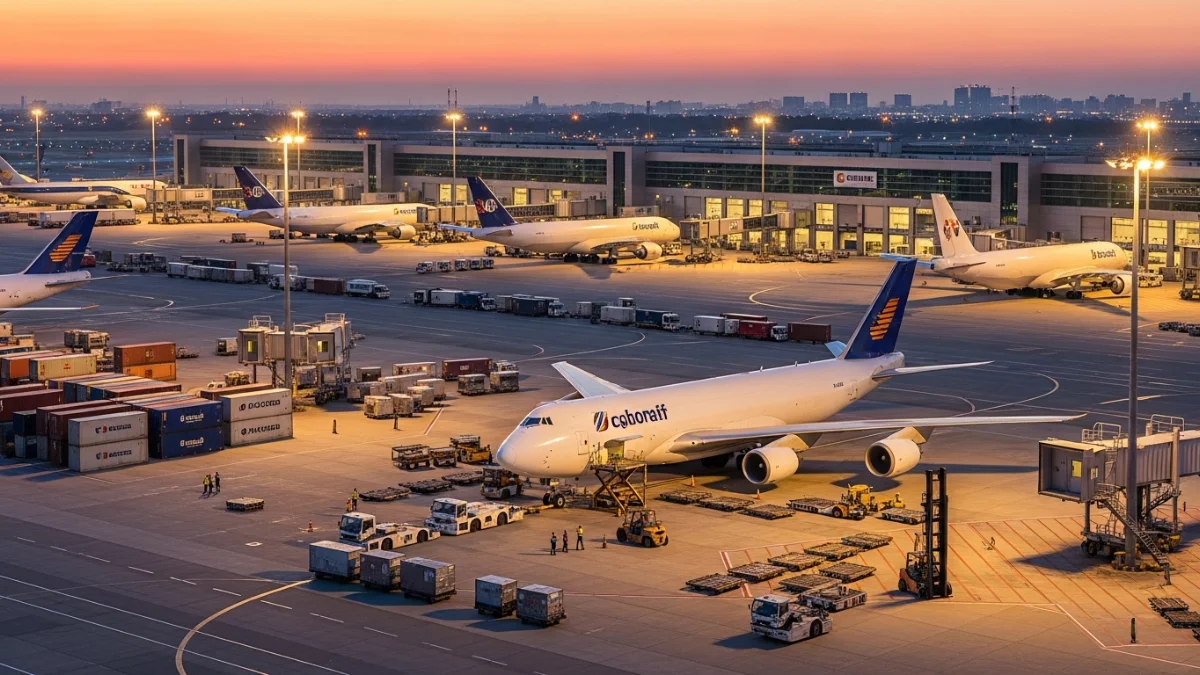
Keeping up with air cargo rates news can be a real headache sometimes. Honestly, I remember spending hours trying to track weekly price changes last year. Every source had slightly different numbers, and it felt like chasing a moving target. But staying updated is critical if you’re running a business that relies on shipping.
Even a small increase in freight costs can eat into profits faster than expected. That’s why I’ve learned to combine data sources and some insider knowledge from logistics friends. In this article, I’ll share the latest trends, explain why rates fluctuate, and even give tips you can use personally.
Latest Air Cargo Rates News Today
The latest air cargo rates news shows that prices are all over the place. Just last month, I noticed the rate from Shanghai to New York jumped almost overnight. Fuel costs and limited cargo space are often blamed, but the reality is more complicated. Airlines adjust prices constantly depending on demand, capacity, and even political factors.
I’ve learned that checking multiple freight news sources gives a clearer picture. Some companies are also experimenting with dynamic pricing tools, which is fascinating to see. Overall, staying proactive is better than reacting to sudden price hikes.
What Is Driving Current Air Cargo Rate Changes?
Several major factors are driving air cargo rate changes, and not all of them are obvious. Some are predictable, like seasonal demand, but others, like geopolitical issues, can really surprise you.
In my experience, the ones that hit hardest are sudden fuel price spikes and capacity shortages. These factors are interconnected, and understanding them helps businesses plan smarter. Let’s break down the main drivers one by one.
Fuel Prices and Operating Costs
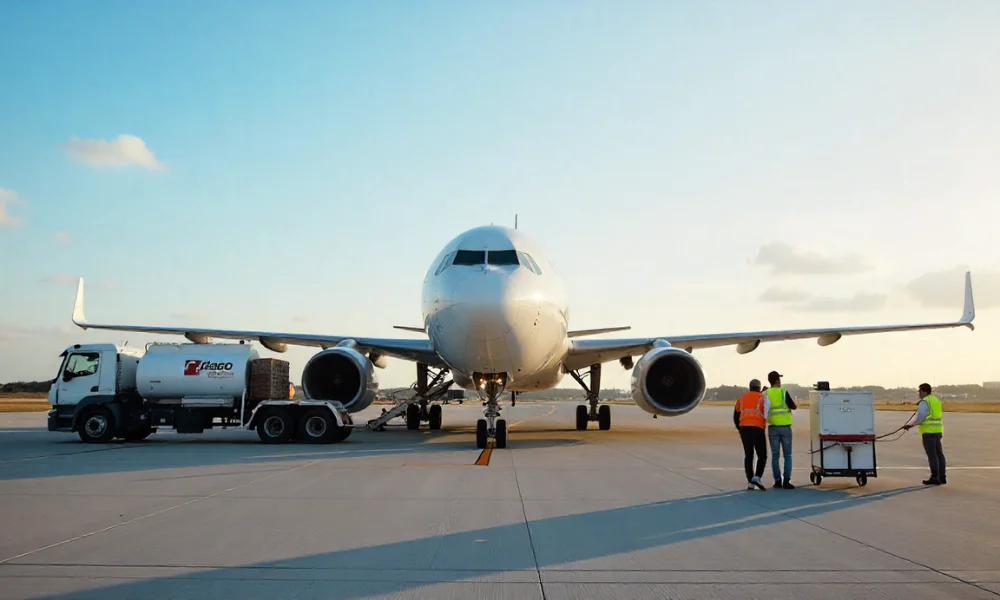
Image Source: freepik
Rising jet fuel prices directly push up air freight rates globally. I’ve seen clients get hit with unexpected surcharges that weren’t in their original quote. Higher fuel costs affect almost every route, no matter how short or long. Shipping a small package suddenly feels expensive when the fuel surcharge spikes.
Airlines usually pass these costs to shippers immediately. Over time, this has taught me to always check fuel trends before finalizing any shipment. It might seem like a small detail, but it makes a huge difference in planning.
Global Demand and Capacity Constraints
When demand outpaces available cargo space, air cargo rates naturally surge. I remember last holiday season when my company had to book flights three weeks in advance just to secure enough space. Limited capacity often leads to premium pricing for urgent shipments.
Companies that understand these patterns save money by planning. Even small delays can have cascading effects on production schedules. Observing these trends in real-time has been eye-opening. You learn quickly which routes are consistently tight and which have some breathing room.
Geopolitical and Supply Chain Factors
Political unrest or natural disasters often drive sudden spikes in air cargo prices. I’ve personally experienced shipments being delayed because of unexpected port closures. These disruptions aren’t easy to predict but have a big impact on freight costs. Even minor changes in regulations can slow down the process and increase prices.
Businesses need to build in flexibility to survive these unpredictable shifts. Tracking news, talking to freight forwarders, and having contingency plans are essential. It’s not glamorous, but it saves headaches later.
Regional Air Cargo Rates News Breakdown
Rates vary significantly depending on the region, and it’s important to know where your cargo fits in. Here’s a snapshot of current air cargo rate trends across key markets:
| Region | Trend This Month | Key Notes |
|---|---|---|
| Asia-Pacific | Increasing 5-8% | High demand for electronics and manufacturing goods |
| North America | Stable | Sufficient capacity but rising fuel costs |
| Europe | Slight Increase 3% | Increased exports after seasonal demand |
| Middle East | Stable | Growth driven by e-commerce shipments |
I use tables like this in my own reports; it helps visualize trends quickly. It’s easier than staring at endless spreadsheets. You can immediately see where costs are rising and plan shipments accordingly.
Air Cargo Rates News in Asia-Pacific
Asia-Pacific rates are rising steadily due to increasing exports. Electronics, textiles, and machinery are major contributors. I’ve personally tracked shipments from China, and even small delays can raise costs unexpectedly. Booking early is often the only way to avoid huge last-minute surcharges.
Companies that monitor weekly trends gain a huge advantage. Routes from Japan and India are also showing higher demand. Planning is everything if you don’t want shipping costs to spiral.
Air Cargo Rates News for US–Europe Routes
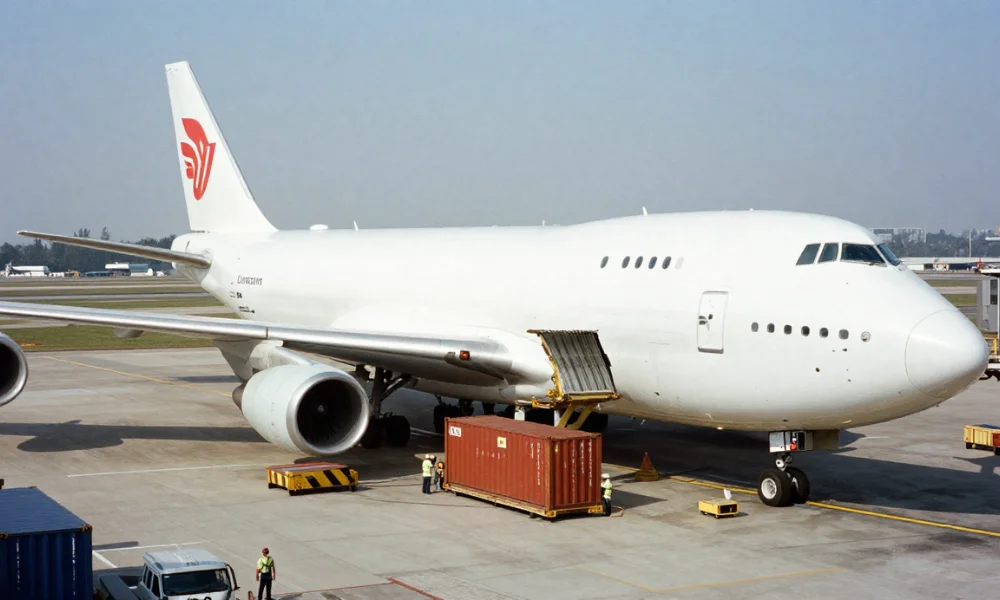
Image Source: freepik
Rates between the US and Europe are generally stable but can jump due to fuel costs. I’ve advised clients to consolidate shipments whenever possible to save money. Even with stable rates, small surcharges can add up over multiple shipments. Airlines are starting to introduce priority fees for urgent deliveries, which you need to know.
These routes feel competitive, and understanding your options can make a difference. Tracking rates weekly has helped me predict trends more accurately. It’s a bit like watching the stock market.
Europe and the Middle East Trends
Europe has seen a minor increase in air cargo rates due to seasonal exports. Meanwhile, the Middle East remains fairly stable thanks to strong logistics hubs. E-commerce shipments are pushing demand up, though, especially in the Gulf region.
I’ve noticed that planning early and booking priority slots can save money. Businesses that ignore regional trends often face delays and unexpected costs. Knowing what’s happening in each area helps companies make smarter decisions.
Industry Impact of Rising or Falling Air Cargo Rates
Air cargo rate changes affect industries differently, and it’s easy to underestimate the impact. High-volume shippers feel the most pressure. I’ve worked with e-commerce teams where even small rate hikes forced pricing adjustments. Here’s a closer look:
-
E-commerce: Rising rates often mean higher delivery charges for customers. It can affect sales if not planned well.
-
Pharmaceuticals: Urgent shipments get priority, but costs can spike unexpectedly. Timing is critical here.
-
Manufacturing: Delays in component shipments can halt production and cause revenue loss.
Tracking weekly changes and sharing updates with the team has always saved headaches. Observing industry-specific trends gives insights you won’t get from general market news.
Air Cargo Rates Outlook: What to Expect Next
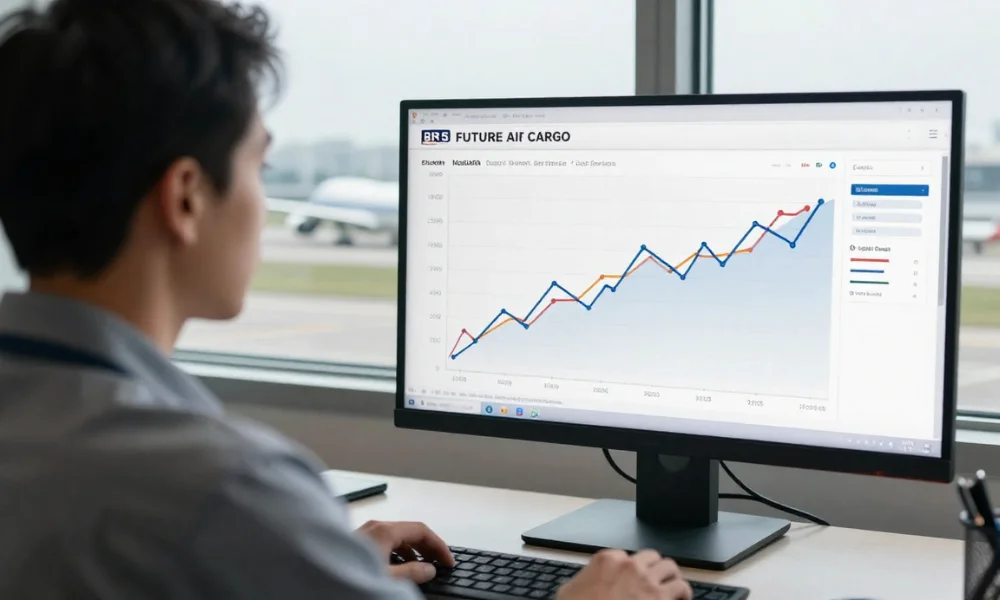
Image Source: freepik
Predicting air cargo rates is tricky, but some patterns are emerging. Short-term rates may fluctuate slightly depending on fuel prices and demand spikes. I’ve learned that watching weekly updates is more useful than looking at monthly averages. Long-term, new carriers might stabilize some routes and help moderate costs. Even so, geopolitical risks and fuel volatility are wildcards. Flexibility and staying informed are key.
Short-Term Forecast
Expect weekly variations in rates, especially around holidays or trade events. My own experience shows that booking early can prevent last-minute cost surges. Sometimes, delaying shipments even a week can save a lot. Businesses need to watch trends closely and adjust fast.
Long-Term Market Expectations
Over the next year, supply chains might stabilize a bit. More carriers and routes could ease some of the pressure on rates. However, economic and political uncertainties remain major factors. I’ve seen companies benefit simply by being adaptable and planning. It’s a balancing act between cost, speed, and reliability.
How Businesses Can Respond to Air Cargo Rate Changes
There are practical ways to handle fluctuating air cargo costs without losing sleep. I’ve implemented these strategies personally with logistics teams:
-
Monitor rates weekly and adjust shipment schedules
-
Consolidate goods to maximize cargo space and reduce per-unit cost
-
Explore alternative routes if primary routes spike in cost
-
Build relationships with freight forwarders for flexible solutions
These strategies aren’t complicated, but they work. Companies that implement them stay ahead of the curve. In my experience, even small adjustments in shipping timing can save thousands annually.
Final Thoughts on Air Cargo Rates News
Following air cargo rates news closely is very important for businesses today. Rates change for many reasons, like fuel, capacity, demand, and politics. From my experience, watching rates regularly helps avoid extra costs and delays.
Companies that adjust quickly to changes get a real advantage. Even simple tracking of news, along with tips from freight operators, can help a lot. Staying informed is not just smart, it is necessary in this fast-moving market.