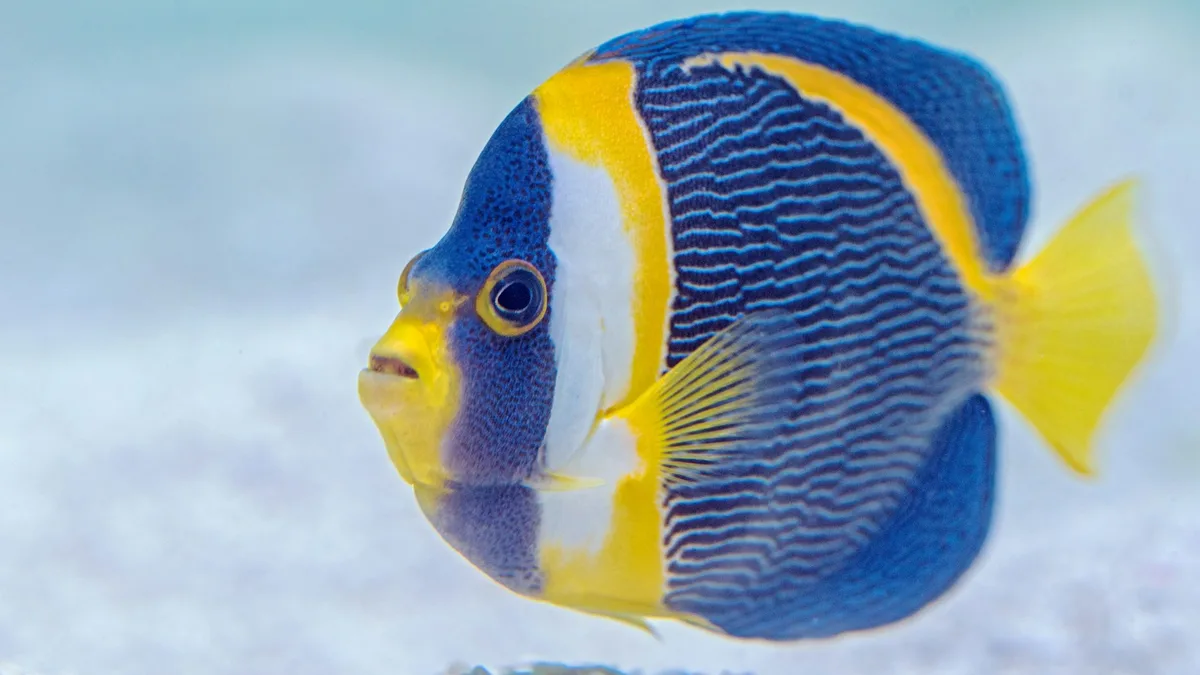

The best aquarium fish for beginners are hardy, peaceful species that cope well with the small mistakes every new keeper makes. The short answer is to start with fish such as guppies, platies, neon tetras or corydoras catfish, in a tank that has been set up and cycled before any fish are added, and to stock slowly rather than all at once. The fish matter less than the water: a stable, well-maintained tank will keep almost any beginner species healthy, while a rushed setup will trouble even the toughest fish.
This guide covers what makes a fish suitable for a beginner, the easiest species to start with, how to set up a tank properly, and the everyday care that keeps fish healthy for years.
Key takeaways
- The best beginner fish are hardy, peaceful and tolerant of small mistakes in water care.
- Guppies, platies, neon tetras, mollies, corydoras and bettas are all good first choices.
- Set up and cycle the tank before adding fish, and add new fish gradually.
- Peaceful community fish are easier to keep than aggressive or territorial species.
- Stable water, regular partial water changes and not overfeeding matter more than gadgets.
- Research each species before buying, and ask the shop how large it will grow.
What makes a fish good for beginners
A good beginner fish is hardy first and foremost, meaning it tolerates the small swings in water conditions that happen while a new keeper is learning. It should also be peaceful, so it gets along with tank mates rather than chasing or nipping them, and it should be undemanding about food, accepting standard flake or pellet food without fuss.
Size matters too. Small fish suit the modest tanks most beginners buy, and they produce less waste, which keeps the water cleaner. It is also worth choosing fish that are widely available and well understood, so that advice is easy to find and the shop can tell you exactly what the fish needs. Avoid species that grow very large, need specialist diets, or are known to be aggressive, however attractive they look in the shop.
Guppies and platies: the classic first fish
Guppies are the classic beginner fish, and for good reason. They are small, colourful, hardy and peaceful, and they are comfortable in a wide range of water conditions. Male guppies are the showy ones, with flowing tails in bright colours, while females are plainer and larger. They breed readily, so a mixed group will soon produce fry, which is delightful for some keepers and a surprise for others.
Platies are similarly easy and come in many colours, including red, orange, yellow and blue. They are peaceful, active and a little larger than guppies, which makes them a good fit for a community tank. Like guppies, they breed easily, so keep that in mind when planning numbers. Both species do well in a tank of around 40 litres or more, with plants and hiding places, and they accept flake food happily.
Neon tetras and other small schooling fish
Neon tetras are small, peaceful fish with a bright blue stripe and a red belly, and they look best in a group, where they swim together in a loose school. They need a group of at least six, and preferably more, to feel secure and show their natural behaviour. A school of neon tetras is one of the prettiest sights in a beginner’s tank.
Other small schooling fish suit beginners too. Zebra danios are hardy, active and tolerant of cooler water, while harlequin rasboras are calm and colourful. The key point with all schooling fish is to keep them in a proper group: a single tetra kept alone will be stressed and dull, while a group of eight or ten will be active, colourful and confident.
Corydoras catfish and mollies
Corydoras catfish, often just called corys, are small, peaceful bottom-dwellers that spend their time sifting gently through the substrate. They are social fish that should be kept in a group of at least six, and they help to keep the tank tidy by eating food that sinks to the bottom. They need a soft, sandy substrate rather than sharp gravel, which can damage their delicate barbels.
Mollies are larger, peaceful livebearers that come in many colours, including black, white, gold and dalmatian patterns. They are hardy and adaptable, though they prefer slightly harder water and a little more space than guppies. Like other livebearers, they breed readily, so plan for fry or keep a single sex if you prefer a stable population.
Bettas and other single fish
Betta fish, also known as Siamese fighting fish, are a good choice if you want a single striking fish rather than a community. Males are famous for their flowing fins and bright colours, and they are hardy and interactive, often recognising their keeper. They must be kept alone or with very carefully chosen tank mates, because males will fight other males and may harass fin-nipping species.

A betta needs a heated, filtered tank with a lid, since they can jump, and plenty of resting places near the surface, such as broad leaves or a betta hammock. Despite what small display cups in shops suggest, a betta should not be kept in a tiny bowl: a tank of around 20 litres or more, with a heater and a gentle filter, is the minimum for a healthy fish.
Setting up your first tank
The most important step in fishkeeping happens before any fish are bought. A new tank needs to be cycled, which means building up the beneficial bacteria that convert fish waste from toxic ammonia into less harmful compounds. This takes several weeks, and it can be done with a small amount of ammonia or with hardy starter methods that a good shop can explain. Testing the water with a liquid test kit tells you when the cycle is complete and the tank is safe.
Choose a tank of at least 40 litres for a community of small fish, since larger volumes of water are more stable and more forgiving of mistakes. Add a heater for tropical species, a filter suited to the tank size, a thermometer, and substrate and plants that suit your chosen fish. Fill the tank, run the filter and heater, and only add fish once the water tests show the cycle is established.
Add fish gradually, a few at a time, with days in between, so the bacteria can adjust to the new waste load. Floating the sealed bag in the tank for fifteen minutes equalises the temperature, then add small amounts of tank water to the bag before releasing the fish. This gentle introduction reduces stress and gives the fish the best start.
Best aquarium fish for beginners compared
The table below compares the easiest beginner species, so you can choose a combination that suits your tank and your taste.
| Fish | Temperament | Group size | Notes |
|---|---|---|---|
| Guppy | Peaceful, active | 3 or more | Colourful, breeds readily |
| Platy | Peaceful, active | 3 or more | Many colours, hardy |
| Neon tetra | Peaceful, schooling | 6 or more | Needs a group to thrive |
| Zebra danio | Peaceful, lively | 6 or more | Tolerates cooler water |
| Corydoras | Peaceful, bottom-dwelling | 6 or more | Needs soft, sandy substrate |
| Molly | Peaceful, adaptable | 3 or more | Prefers harder water |
| Betta | Solitary, territorial | Keep alone | Needs heat, lid and cover |
Everyday care that keeps fish healthy
Daily care is simple: feed once or twice a day, only as much as the fish eat in about two minutes, and remove any uneaten food. Overfeeding is the most common beginner mistake, and it fouls the water quickly. Watch the fish while they eat: healthy fish are active, alert and interested in food, while a fish that hides, gasps at the surface or ignores food may be unwell or stressed.
Weekly, change about a quarter of the water, using dechlorinated water at a similar temperature, and clean the filter media in old tank water rather than under the tap, which would kill the beneficial bacteria. Test the water regularly, especially in the first months, and keep a simple log of the results. A stable routine matters more than any single product.
Your beginner aquarium checklist
- Choose a tank of at least 40 litres for a small community.
- Cycle the tank fully before adding any fish, and test the water first.
- Start with hardy, peaceful species such as guppies, platies or neon tetras.
- Keep schooling fish in groups of six or more.
- Add fish gradually, a few at a time, with days in between.
- Use a heater, filter and thermometer suited to the tank size.
- Feed once or twice daily, only what fish eat in about two minutes.
- Change about a quarter of the water weekly with dechlorinated water.
- Clean filter media in old tank water, never under the tap.
- Research each species before buying, including its adult size.
Frequently asked questions
What is the easiest fish for a beginner?
Guppies and platies are often the easiest first fish: they are hardy, peaceful, colourful and undemanding about food. Zebra danios are another strong choice, especially for a slightly cooler tank. The easiest fish of all is the one whose needs match the tank you already have.
How many fish can I keep in my first tank?
It depends on the tank size, the species and the filter, but a good rule is to start small and add fish gradually. A 40-litre tank suits a small group of guppies or platies with a school of neon tetras, for example. Ask the shop to help you plan numbers, and remember that fish grow.
Do I need to cycle the tank before adding fish?
Yes. Cycling builds up the beneficial bacteria that convert toxic ammonia from fish waste into less harmful compounds. It takes several weeks, and a liquid test kit will show when the water is safe. Adding fish to an uncycled tank is the most common reason new fish become ill.
Can I keep a betta with other fish?
Sometimes, but it needs care. Male bettas must never be kept with another male betta, and they may harass slow or long-finned tank mates. Peaceful, fast, short-finned fish in a tank of 40 litres or more can work, but a betta kept alone is simpler and often happier.
How often should I feed my fish?
Once or twice a day is enough for most beginner species. Offer only as much as the fish eat in about two minutes, and remove uneaten food. Overfeeding fouls the water and is a common cause of poor water quality, so it is better to underfeed slightly than to overfeed.
Why did my new fish die?
The most common causes are an uncycled tank, sudden changes in water conditions, overfeeding, or a fish that was already unwell when bought. Test the water, check the temperature and the filter, and ask the shop about the fish’s history. A water test will usually point to the cause.
The bottom line
The best aquarium fish for beginners are the ones that forgive small mistakes while you learn: guppies, platies, neon tetras, corydoras and bettas are all proven choices, and a peaceful community of small fish is more rewarding than a single difficult species. What matters most is the tank itself: cycle it before adding fish, stock it slowly, feed lightly and change the water regularly. Do that, and your fish will thrive for years. Setting up a tank is a calm, absorbing hobby, and a little planning at the start saves a great deal of trouble later. Keep a bottle of water nearby while you work, so our guide to the best water bottles is handy, and if the setup stretches into the evening, our round-up of the best tea brands will see you through. Planning the project across the month is easier with our May calendar 2026 too.