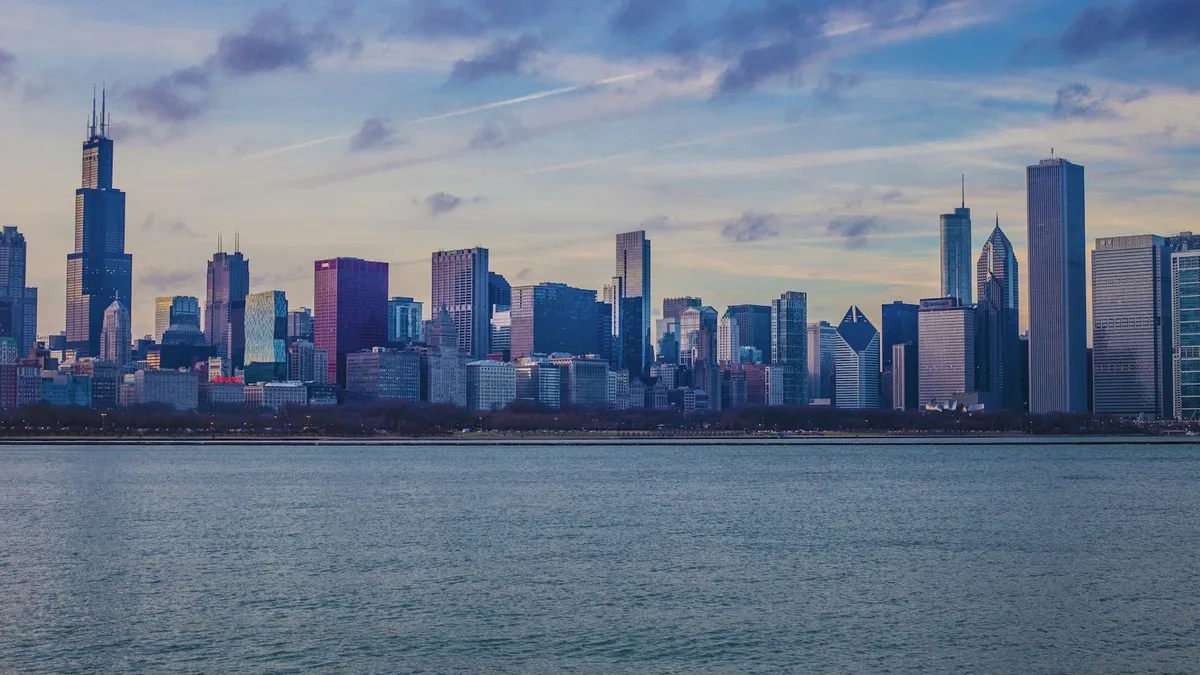

Trending cities outside home country May 2026 is a search that captured a particular moment: travellers looking beyond their own borders for a spring trip, and lists trying to tell them where everyone else was going. May 2026 is now in the past, so this guide works as a retrospective. It explains how those trending-city lists were put together, why May is such a popular month for city travel, and how to use the lessons of that spring when you plan your next trip abroad.
The short answer is that no single list defined May 2026. Different lists measured different things, from flight searches to hotel bookings to social media mentions, and they often disagreed. What they shared was a pattern: travellers favoured cities with mild weather, walkable centres and good value, and they were willing to look past the most famous names to find them.
Key takeaways
- Trending-city lists measure different things, so two lists for the same month can disagree completely.
- May suits city travel because it sits between the cold months and the summer crowds in much of Europe.
- The cities that trended were usually walkable, affordable and easy to reach, not just famous.
- A trending city is a starting point, not a verdict; your own interests matter more than a ranking.
- Book the flight and the stay first, then plan around the weather you actually get.
- Use May 2026 as a guide to how trends form, not as a list to copy for your next trip.
What a trending-cities list actually measures
A city trends for different reasons depending on who is counting. A flight-booking site measures searches and bookings, so its list reflects what people are planning to do. A hotel site measures room nights, which reflects where people actually stayed. A social platform measures mentions and shares, which reflects what people are talking about, and that is not the same as where they are going. A city can top one list and barely appear on another, and both lists can be honest.
That is why the phrase “trending cities outside home country” is useful but vague. It usually means cities in other countries that saw a rise in interest compared with the previous year, rather than the most visited cities overall. A small city with a sudden rise in searches can outrank a famous capital on a trend list, even though far more people visited the capital. The trend measures change, not size, and that distinction matters when you read the results.
There is also a timing effect. Lists published in spring reflect searches made in winter, when people were planning ahead, and bookings made closer to departure. A city that trended in May 2026 may have been popular because of a festival, a new flight route, a favourable exchange rate, or simply because a video about it went viral months earlier. By the time you read the list, the reason may already have faded, even if the city itself is still worth visiting.
Why May works so well for city trips
May sits in a sweet spot for city travel across much of the northern hemisphere. In southern Europe the weather is usually warm enough for long days outside without the intense heat of July and August, while in northern Europe the days are long and the cold has mostly gone. Cafes put their tables outside, parks come back to life, and a city can be explored on foot without the exhaustion that summer brings.
May is also a shoulder-season month in many destinations, which means prices are often lower than in peak summer while the city is fully open. Hotels, restaurants and attractions are running their summer schedules, but the crowds have not yet arrived in force. For travellers who dislike queues, that combination is hard to beat.
There is a practical side too. A May trip is short enough to plan around a long weekend in many countries, with public holidays falling in the month in much of Europe, and it is far enough from the summer holidays that flights and rooms are easier to find. None of that guarantees good weather, of course, and a rainy week can happen in any month. But the odds, in most of the cities travellers consider, favour May.
How to read a trending-cities list
Read a trending list as a source of ideas, not as an instruction. Start by asking what the list measured, and when. A list based on searches tells you what people dreamed about; a list based on bookings tells you what they actually did. Both are useful, but they answer different questions, and neither tells you whether you will enjoy the place.
Then ask what kind of traveller the list is for. A list built from family bookings will favour cities with parks, museums and easy transport, while a list built from solo travellers may favour nightlife and hostels. Your trip will be better if you match the city to your own travelling style rather than to a ranking.
Finally, treat the ranking itself lightly. The difference between the third and the thirteenth city on a trend list is often tiny, and it can come down to a single viral video or a new budget flight. The cities near the top of these lists are usually all good choices. The useful question is not “which city ranked first?” but “which of these cities fits my budget, my dates and my interests?”

The kinds of cities that trended
The cities that drew attention in spring 2026 tended to share a few qualities rather than a single location. Coastal cities with mild weather were popular, because May is warm enough to enjoy a waterfront without the summer crowds. Cultural capitals with walkable centres also did well, since a city trip in May is largely a walking trip, and compact old towns suit that style of travel.
Value played a large part too. With travel costs rising, many travellers looked beyond the most expensive capitals to cities where a good meal, a comfortable room and a day of sightseeing cost noticeably less. These second cities often have the same ingredients as their famous neighbours, such as historic centres, strong food scenes and good transport, at a lower price. That trade is attractive in any year, and it was a clear theme of the spring lists.
Food was another driver. Cities known for a distinctive food culture, from markets to neighbourhood restaurants, featured heavily in the conversation, because eating well is one of the most reliable pleasures of a short city trip. A city does not need a famous landmark to trend if its food is good enough, and several of the spring’s most talked-about destinations were food cities first and sightseeing cities second.
Planning a trip the May 2026 way
The practical lesson of May 2026 is to plan around the season rather than the ranking. Choose your dates first, then look for cities where the weather suits what you want to do. If you want to walk all day, pick a city with mild temperatures and a compact centre. If you want to eat outside, pick somewhere with a strong cafe culture. If you want to avoid crowds, pick a city that is popular but not at its peak, and travel midweek if you can.
Book the two things that matter most early: the flight and the stay. Both get more expensive as the date approaches, and both are harder to change than a restaurant booking. Once those are fixed, plan loosely. A city trip works best with one or two firm plans per day and the rest left open, because the best discoveries in a new city are usually unplanned: a market, a quiet square, or a neighbourhood you had not read about.
Pack for changeable weather, even in May. A light waterproof layer and comfortable walking shoes matter more than a second smart outfit. Check the local holidays for your dates too, since a public holiday can close museums and shops, or fill the city with local visitors.
Trending city trips compared
Different kinds of city suit different kinds of trip. The table below compares the main types that featured in the spring 2026 conversation, so you can match the city to the trip you want.
| City type | Best in May | Watch out for | Suits |
|---|---|---|---|
| Coastal city | Waterfront walks, mild weather | Changeable sea weather | Relaxed, outdoor trips |
| Cultural capital | Museums, historic centres | Higher prices, queues | First-time visitors |
| Second city | Value, local character | Fewer direct flights | Budget-conscious travellers |
| Food city | Markets, restaurants, cafes | Tourist-trap dining | Food lovers |
| Northern city | Long daylight hours | Cool evenings | Walkers and photographers |
Your trending-cities checklist
- Check what a trending list measured before you trust its ranking.
- Match the city to your own interests, not to its position on a list.
- Pick dates first, then find cities where May weather suits your plans.
- Book flights and stays early; leave daily plans loose.
- Compare total costs, not just the flight price.
- Look for walkable centres and good public transport.
- Check local holidays for your dates.
- Pack a light waterproof layer and comfortable shoes.
- Read a few recent visitor reviews, not just the ranking.
- Keep one free day for unplanned discoveries.
Frequently asked questions
What does trending cities outside home country mean?
It usually means cities in other countries that saw a rise in travel interest compared with the previous year. A trend list measures change, not total visitors, so a smaller city with fast-growing interest can rank above a famous capital.
Why was May 2026 a popular month for city trips?
May offers mild weather and long days across much of the northern hemisphere, with shoulder-season prices in many destinations and fewer crowds than high summer. It is also a month with public holidays in much of Europe, which makes short trips easier to arrange.
Which cities trended in May 2026?
That depends on which list you read, because different lists measured different things. The common pattern was walkable, affordable cities with good food and mild weather, rather than one fixed top ten.
Should I copy a trending-cities list for my next trip?
Use it for ideas, not as an instruction. A city that trended may suit you perfectly, or it may not match your budget, interests or travel style. Compare a few of the cities on the list against your own dates and priorities before choosing.
How far ahead should I book a May city trip?
Book flights and stays as early as you comfortably can, since both usually get more expensive closer to departure. A few months ahead is a reasonable guide for a popular city, while a less busy destination can often be booked later without much penalty.
Is May a good month for city travel outside Europe?
It depends on the destination. May is pleasant in many northern hemisphere cities, but it is the start of the wet or hot season in some regions, so check the local climate for your chosen city rather than assuming May is mild everywhere.
The bottom line
Trending cities outside home country in May 2026 told a familiar story: travellers wanted mild weather, walkable streets, good food and fair prices, and they were happy to look beyond the most famous names to find them. The lists disagreed with each other because they measured different things, and that is the real lesson. Use trends as a source of ideas, match the city to your own trip, and plan around the season rather than the ranking. Pack light and stay hydrated while you explore, so our round-up of the best water bottles is worth a look before you go. Slow mornings make city trips better too, which is why our guide to the best breakfast food and our round-up of the best tea brands are both useful reading before departure.