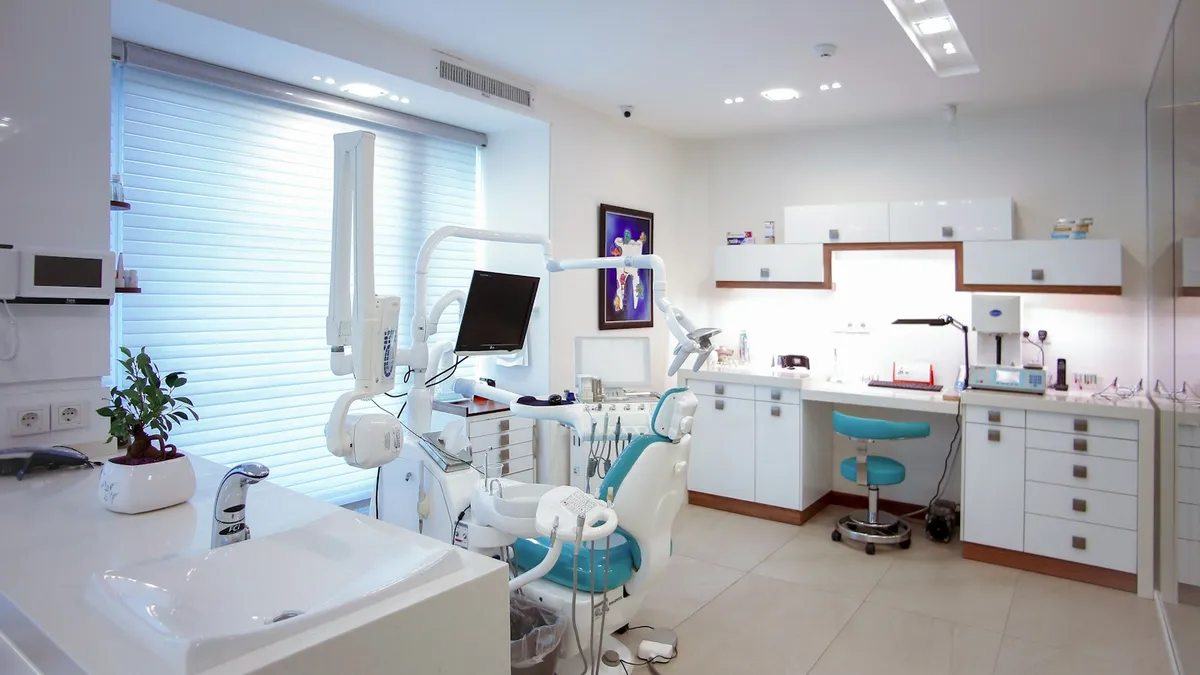

Comfort dental care means dentistry built around the patient’s comfort: unhurried appointments, clear explanations, gentle techniques and a calm setting, with extra support for people who feel nervous about dental visits. The short answer is that a comfort-focused practice is one where the team treats anxiety as a normal part of the job, explains each step before it happens, and gives you control over the pace of the visit, so you never feel rushed or unheard.
This guide explains what comfort dentistry means in practice, why dental anxiety is so common, the comfort options a practice may offer, how to judge a practice before you book, what to expect at a first visit, and how to prepare so the appointment goes smoothly.
Key takeaways
- Comfort dental care puts the patient’s comfort and sense of control at the centre of every visit.
- Dental anxiety is common, and a good practice treats it as normal rather than as a problem.
- Clear explanations, unhurried appointments and agreed stop signals help nervous patients most.
- Comfort options may include numbing gel, gentle injection techniques, sedation and relaxation aids.
- Judge a practice by its reviews, its first-visit approach and how the team answers your questions.
- Preparation helps: write down your concerns, bring a list of medicines, and arrive a little early.
What comfort dentistry means
Comfort dentistry is not a separate branch of dentistry or a protected title. It is a way of working that any general practice can adopt, and it describes care that is deliberately shaped around how the patient feels. The clinical work is the same: examinations, cleaning, fillings, crowns and the rest of general dentistry. What changes is the way the visit is run, from the first phone call to the moment you leave.
In a comfort-focused practice, appointments are usually longer, so nothing has to be rushed. The dentist explains what will happen before it happens and checks that you are comfortable before continuing. You can agree a signal, such as raising a hand, that means stop and give me a moment, and the team will honour it. Small details matter too: a calm waiting room and staff who greet you by name all help a nervous patient settle.
Why so many people feel nervous about the dentist
Dental anxiety is one of the most common fears in healthcare, and it has many roots. Some people had a painful or frightening experience as a child and carry it into adulthood. Others dislike the loss of control that comes from lying back with someone working inside their mouth, or feel embarrassed about the state of their teeth and worry about being judged. The sounds and smells of a dental surgery can also trigger unease, even for people who have never had a bad experience.
The result is that many people delay or avoid appointments, which usually makes the problem worse: a small issue that could have been fixed quickly becomes a larger one. Breaking that cycle starts with finding a practice that understands the fear and works with it. A good dentist will have heard it all before, and will not be surprised or critical when a new patient says they are nervous.
Comfort options a practice may offer
Most comfort dentistry relies on communication and technique rather than equipment. Topical numbing gel can be applied to the gum before an injection, so the injection itself is barely felt, and slow, gentle injection techniques make a real difference. The dentist may work in short stages, pausing often, and may use a rubber dam or suction carefully so the mouth stays comfortable. Modern equipment is generally quieter and gentler than older kit, and many practices use it as a matter of course.
Some practices also offer sedation for patients who need extra help. The most common form is inhalation sedation, often called gas and air, which relaxes you while you stay awake. Oral sedation, a tablet taken before the appointment, is another option, and intravenous sedation, given through a drip by a trained clinician, is used for longer treatments. These options are not available everywhere, and they are not suitable for everyone, so discuss them with the dentist in advance, including any medicines you take.
Smaller comforts can matter just as much. Some practices offer blankets, neck pillows, music through headphones or a screen on the ceiling, and many will let you bring your own headphones and a familiar playlist. If you find any of these helpful, say so when you book, so the team can have them ready.

How to choose a comfort-focused practice
Start with what other patients say. Reviews that mention nervous patients, gentle treatment and unhurried appointments are a strong sign, and they are more useful than reviews that only mention the decor. Look at the practice website too: a practice that takes comfort seriously usually says so plainly, explains its approach to nervous patients, and lists the options it offers.
Then make a phone call, because the way a practice answers tells you a great deal. Say that you are a nervous patient and ask how they handle that. A good reception team will be warm, will not rush you, and will offer a longer first appointment or a chat with the dentist before any treatment. If the person on the phone sounds impatient, keep looking.
Other practical points matter as well. Check the location and parking, since a stressful journey makes a nervous visit harder. Ask about fees and payment options in advance, so there are no surprises, and check whether the practice offers the treatments you are likely to need. A practice that is easy to reach, clear about costs and kind on the phone is a good starting point.
Comfort features compared
The table below sets out the main comfort features you may come across, and what each one does.
| Feature | What it does | Who it helps | Availability |
|---|---|---|---|
| Longer appointments | Removes time pressure | Most nervous patients | Many practices |
| Agreed stop signal | Gives the patient control | Patients who fear loss of control | Most practices |
| Numbing gel | Reduces injection discomfort | Patients who fear needles | Most practices |
| Inhalation sedation | Relaxes while you stay awake | Moderately anxious patients | Some practices |
| Oral or IV sedation | Deeper relaxation or sleep | Very anxious patients | Selected practices |
| Headphones and blankets | Blocks sound and adds comfort | Patients bothered by noise | Many practices |
What to expect at a first visit
A first visit to a comfort-focused practice is usually gentle. It often starts with a conversation rather than treatment: the dentist asks about your dental history, your concerns and anything that has worried you in the past, and you can say as much or as little as you like. Bring a list of medicines you take and any allergies, since the team will ask about these, and mention any health conditions that might affect treatment.
The examination itself is normally simple: a look at the teeth and gums, a check of the soft tissues of the mouth, and X-rays if they are needed to see between the teeth or under old fillings. The dentist should explain what they find in plain language, set out the options, and agree a plan with you before any treatment begins. You should never feel pressed into treatment on the spot, and a good practice will give you time to think about larger decisions.
Preparing for your appointment
A little preparation makes a nervous visit easier. Write down your concerns and questions before you go, so you do not have to remember them under pressure, and bring the list with you. Tell the practice when you book that you are nervous, so the team is ready. Arrive a little early so you are not rushing, and eat normally beforehand unless the practice tells you otherwise, since an empty stomach can make light-headedness worse.
During the appointment, use the stop signal you agreed, breathe slowly through your nose, and remind yourself that you can pause at any time. After the appointment, note what helped and what did not, so you can tell the team next time. Each comfortable visit makes the next one easier.
Your comfort dental checklist
- Read reviews that mention nervous patients and gentle treatment.
- Check the practice website for a clear approach to anxious patients.
- Phone the practice and say you are nervous before you book.
- Ask for a longer first appointment or a chat before any treatment.
- Agree a stop signal with the dentist at the start of the visit.
- Ask about numbing gel, gentle injection techniques and sedation options.
- Check the fees and payment options in advance.
- Write down your concerns, medicines and allergies to bring along.
- Arrive a little early and eat normally unless told otherwise.
- Note what helped after the visit, and tell the team next time.
Frequently asked questions
What does comfort dental mean?
Comfort dental means dentistry that is shaped around the patient’s comfort: unhurried appointments, clear explanations, gentle techniques and a calm setting, with extra support for nervous patients. It is an approach any general practice can adopt, not a separate branch of dentistry.
Is dental anxiety normal?
Yes. Dental anxiety is one of the most common fears in healthcare, and it can come from a past bad experience, a dislike of losing control, embarrassment about teeth, or the sounds and smells of a surgery. A good practice treats it as normal and works with it rather than dismissing it.
What is sedation dentistry?
Sedation dentistry uses medicine to help a patient relax during treatment. The most common form is inhalation sedation, where you breathe a gas that relaxes you while you stay awake. Oral sedation and intravenous sedation are also used in some practices for patients who need deeper relaxation. Not every practice offers sedation, and it is not suitable for everyone, so discuss it with the dentist first.
How do I find a dentist for nervous patients?
Look for reviews that mention nervous patients and gentle treatment, check practice websites for a stated approach to anxiety, and phone the practice to say you are nervous. A good reception team will be warm, offer a longer first appointment, and answer your questions without rushing you.
Will the dentist judge me for the state of my teeth?
No, a good dentist will not judge you. Dentists see teeth in every condition and their job is to help, not to criticise. If a dentist makes you feel judged or embarrassed, that is a sign to find a different practice rather than a reason to avoid dental care.
What should I bring to a first dental appointment?
Bring a list of the medicines you take, any allergies, and notes on your dental history and concerns. If you have old X-rays or records from a previous dentist, bring those too. Arrive a little early, and bring headphones and a familiar playlist if music helps you relax.
The bottom line
Comfort dental care is really about respect: respect for your time, your worries and your right to understand what is happening in your own mouth. Look for a practice that listens, explains, works at your pace and offers the comfort options you need, and be honest about your nerves from the first phone call, because a team that knows will look after you far better than one that does not. This article is general information only and is not medical advice; for advice about your own dental health, speak to a qualified dentist. While you plan your visit, our guide to the best water bottles covers staying hydrated, our guide to the best tea brands has ideas for a calming cup afterwards, and our guide to the best dog breeds for families can help if a loyal companion is part of your plan for calmer days.