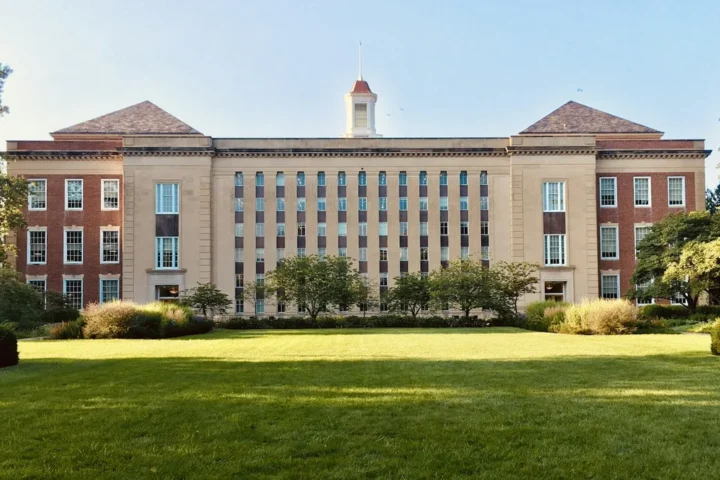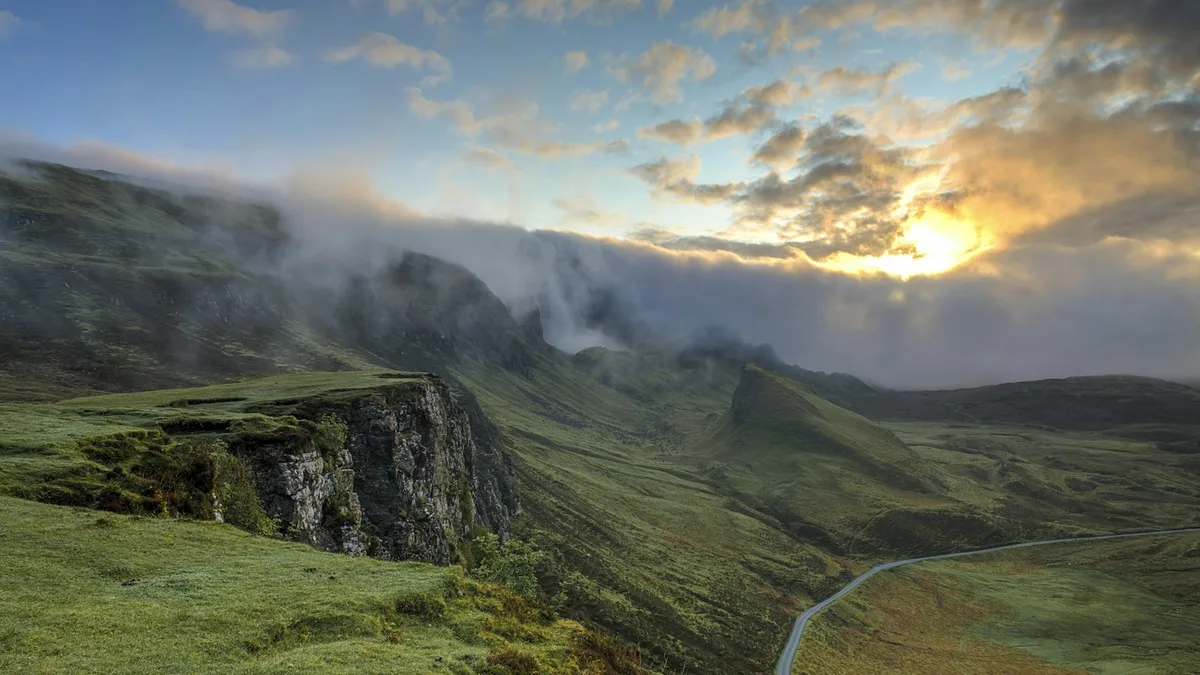

Marin County San Anselmo is a small incorporated town in Marin County, California, sitting 1.5 miles west of San Rafael at an elevation of 46 feet, where Sir Francis Drake Boulevard meets the road to Fairfax. It is the kind of place that rewards a slow visit: a compact downtown locals call the Hub, streets lined with antique shops and cafes, a creek running through the middle of town, and green hills rising on every side.
The town’s story runs from Coast Miwok land through Mexican land grants, a railroad junction, a seminary on the hill, and a rush of new residents after the 1906 San Francisco earthquake, to the quiet, walkable town it is today. This guide covers that history, what the town feels like now, and how to make the most of a day there.
Key takeaways
- San Anselmo is an incorporated town in Marin County, 1.5 miles west of San Rafael.
- Its name comes from a Mexican land grant marking the valley as the Canada del Anselmo, or Valley of Anselm.
- The town grew around the railroad in the 1870s and incorporated on 9 April 1907.
- Downtown is known as the Hub, where the main roads and the old rail lines met.
- San Anselmo is known as the Northern California Antique Capital, with a long antiques tradition.
- It is a good base for Mount Tamalpais, with creek-side walks and a small-town centre.
Where San Anselmo sits
San Anselmo sits in the Ross Valley, in central Marin County, between San Rafael to the east and Fairfax to the west, with the town of Ross just to the south. Sir Francis Drake Boulevard runs through it as the main road, and San Anselmo Creek follows the valley floor, passing close to the town centre. The hills around the valley are part of what gives the town its sheltered, green feel, and they are never far from view.
The setting is the town’s greatest asset. Mount Tamalpais rises to the south, its slopes covered in open space and trails, and the drive from San Anselmo toward the mountain is one of the prettiest short journeys in the county. The town is small enough to cross on foot: park once, wander the shops, eat lunch, and walk the creek path without getting back in the car.
From Miwok land to railroad junction
San Anselmo stands on Coast Miwok land, inhabited for thousands of years before Spanish and Mexican settlers arrived, with the creeks and forests of the valley providing food and shelter. In 1839, Mexico granted Domingo Sais more than 6,600 acres here, including Sleepy Hollow and the northern half of what became San Anselmo, and a second grant covered the southern portion. Sais built the first permanent home in the valley, and the land began its slow change from open pasture to settled town.
The railroad changed everything. In 1874, the North Pacific Coast Railroad added a spur track from San Anselmo to San Rafael, and in 1875 it completed a line from Sausalito to Tomales, running north through San Anselmo. The town became a junction where lines split east and west, and for a few years it was known on railroad maps simply as Junction. The name San Anselmo came back into use in 1883, and the post office opened in 1892, the year the San Francisco Theological Seminary moved to the town.
The seminary on the hill
The seminary’s arrival gave the young town an anchor. Its buildings, set on the hillside above the valley, became a landmark, and the institution drew residents, staff and visitors to San Anselmo. The town grew steadily through the 1890s, with its first subdivision, Sunnyside, holding lot sales in 1881, and the school district forming in 1893.
The earthquake, the trains and incorporation
The 1906 San Francisco earthquake brought the town its biggest surge of growth. Wealthy San Franciscans who had kept summer homes in San Anselmo moved into them permanently, and refugees from the city built new homes on the hillsides, planting gardens and grapevines in a neighbourhood that became known as Little Italy. The population rose sharply, and the town’s character as a residential community, rather than a farming valley, was set.
San Anselmo incorporated on 9 April 1907, with a board of trustees led by its first mayor. The town hall and fire house followed in 1911. The electric trains that had connected the town to San Francisco, with a commute of under an hour including the ferry crossing, kept running until the early 1940s, when the automobile and the opening of the Golden Gate Bridge in 1937 finally ended the railway era. The last station buildings were demolished in 1963.
A silent film capital
Few visitors today would guess that San Anselmo was once a silent film capital. In the early 1900s, film companies used the valley’s hills, creeks and open land as backdrops, and the town’s quiet streets stood in for the West of the screen. The Tamalpais Theatre, near the Hub on Sir Francis Drake Boulevard, opened in 1923, and the town’s film connection remains one of its more surprising chapters.

The Hub and the antique shops
Downtown San Anselmo is still called the Hub, the name it earned as the junction where the rail lines met, and it remains the centre of town life. Sir Francis Drake Boulevard and the roads to Ross and Fairfax meet here, and the shops, cafes and restaurants cluster around the junction. It is a working town centre: people come here for breakfast, for errands, and for a browse, and the pace is unhurried.
Antiques are the town’s signature trade. Readers of Sunset Magazine once voted San Anselmo Best in the West for antiquing, and the town is known as the Northern California Antique Capital, with a concentration of antique shops that has lasted for decades. Browsing them is the classic San Anselmo pastime, and the shops range from formal furniture and art to the kind of small, odd objects that reward a patient search. Even if you buy nothing, the window displays are a walk in themselves.
What to do in San Anselmo
A day in San Anselmo is best taken slowly. Start at the Hub with coffee and a walk through the antique shops, then follow San Anselmo Creek along its path through town, where the water, the trees and the bridges give the centre a calm, green thread. The Carnegie Library, built in 1915 with a gift from Andrew Carnegie, is worth a look for its architecture, and the Historical Museum tells the town’s story in detail.
For walkers, the hills around the town offer short climbs with wide views over the Ross Valley, and the road toward Mount Tamalpais opens up the county’s best-known walking country. Cyclists use San Anselmo as a starting point for rides into West Marin, and the town’s cafes are used to muddy boots and hungry riders. In the evening, the town’s restaurants and bars fill with locals, and the Hub feels like the village green it has always been.
When to visit
Marin County’s weather favours the visitor for most of the year. Summers are warm and dry, with fog often clearing by midday, while autumn brings the clearest skies and the warmest afternoons. Winter brings rain, and the creek can run high after storms — the town has flooded before, most seriously in 1982, and heavy rain is taken seriously here. Spring is green and full of wildflowers on the hills.
Your San Anselmo day-trip checklist
Use this list to plan a relaxed day in the town, with room to linger rather than rush.
- Start at the Hub, where the main roads meet and the shops cluster.
- Browse the antique shops, the town’s signature trade, without a fixed list.
- Walk the creek path through the centre and look for the bridges.
- See the Carnegie Library, built in 1915, and the Historical Museum.
- Look up at the seminary buildings on the hillside above the town.
- Take a short hill walk for views over the Ross Valley.
- Plan a drive or ride toward Mount Tamalpais for the afternoon.
- Eat lunch at a cafe in the Hub and watch the town go by.
- Check the weather before walking, and carry water on warm days.
- Leave time to simply sit somewhere green before you head home.
San Anselmo at a glance
| Topic | San Anselmo | Nearby San Rafael | Nearby Fairfax | What it means |
|---|---|---|---|---|
| Status | Incorporated town | City, county seat | Incorporated town | Small-town scale |
| Distance | 1.5 miles west of San Rafael | County centre | Just west of San Anselmo | Easy to combine |
| Founded | Incorporated 9 April 1907 | Older mission town | Incorporated 1931 | Early 1900s town |
| Centre | The Hub | Downtown, Fourth Street | Bolinas Road | Walkable core |
| Known for | Antiques, the Hub | County offices, shops | Music, cafes | Different characters |
| Outdoors | Creek paths, hills | Bay trails | Mount Tamalpais access | Walking country |
Frequently asked questions
Where is San Anselmo in Marin County?
San Anselmo is in central Marin County, California, 1.5 miles west of San Rafael, between San Rafael and Fairfax in the Ross Valley. Sir Francis Drake Boulevard runs through it as the main road.
What does the name San Anselmo mean?
The name is Spanish for Saint Anselm, and it comes from a Mexican land grant that marked the valley as the Canada del Anselmo, or Valley of Anselm, after a Native American named Anselm who was buried in the area.
When did San Anselmo become a town?
San Anselmo incorporated on 9 April 1907. It had grown up around the railroad in the 1870s, and its population rose sharply after the 1906 San Francisco earthquake brought new residents to the valley.
What is the Hub in San Anselmo?
The Hub is the name for downtown San Anselmo, where the main roads meet and where the rail lines once crossed. It is the town’s commercial centre, with shops, cafes and restaurants, and the name dates from the railroad era.
Why is San Anselmo known for antiques?
The town has a long concentration of antique shops, and readers of Sunset Magazine once voted it Best in the West for antiquing. It is known as the Northern California Antique Capital, and browsing the shops is the classic local pastime.
Is San Anselmo a good base for Mount Tamalpais?
Yes. The town sits at the foot of the hills that lead to Mount Tamalpais, and it is a natural starting point for walks, rides and drives into the mountain’s open space, with cafes and shops to return to afterwards.
The bottom line
Marin County San Anselmo is a small town with a long memory: Coast Miwok land, a Mexican grant, a railroad junction, a seminary on the hill, and a rush of new neighbours after the 1906 earthquake, all settled into a walkable centre known as the Hub. Come for the antique shops, stay for the creek paths and the hills, and leave with a sense of a town that has kept its scale. If you are planning a wider trip, our guide to the best water bottles covers water for hill walks, our guide to the best breakfast food covers a good start before a day out, and our guide to the best tea brands covers a quiet cup when you get home.
San Anselmo is at its best taken slowly, on foot, with time to browse and to look up at the hills. Plan around the weather, give the creek its due after rain, and let the town set the pace.