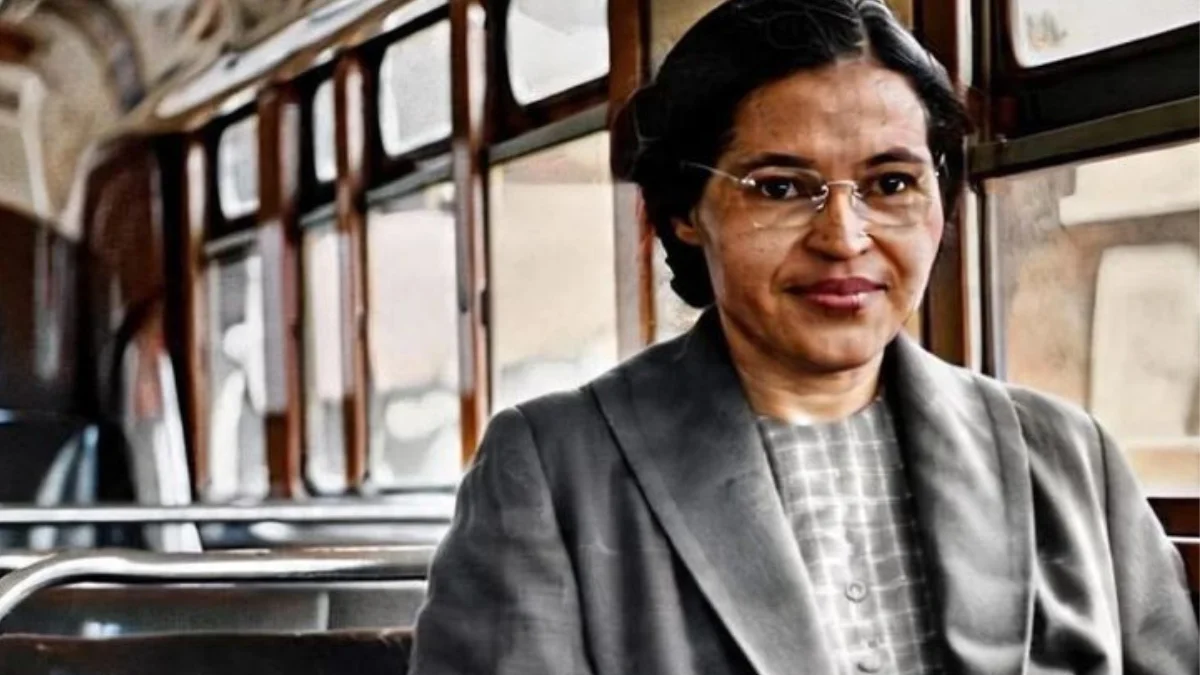
Rosa Parks is known as the woman who sparked a great movement that changed history. She became a symbol of courage, fairness, and civil rights for people everywhere. Her quiet act of bravery inspired many to fight for justice. This Rosa Parks biography tells her story from childhood to her lasting legacy. Her life shows how one person can make a huge difference. Learning about her helps us understand the importance of standing up for what is right.
Who Was Rosa Parks? A Short Biography
Rosa Parks was a brave woman who changed the course of history forever. She is best known for refusing to give up her bus seat to a white passenger in 1955. Parks became a symbol of strength, dignity, and fairness in America. Her actions encouraged millions to stand up against injustice in small and large ways. She proved that even ordinary people can have an extraordinary impact. Rosa Parks’ story continues to inspire students, leaders, and communities worldwide today.
Quick Facts Table: Rosa Parks
| Fact | Details |
|---|---|
| Full Name | Rosa Louise McCauley Parks |
| Born | February 4, 1913 |
| Birthplace | Tuskegee, Alabama, USA |
| Died | October 24, 2005 |
| Occupation | Civil Rights Activist |
| Known For | Montgomery Bus Boycott |
| Awards | Presidential Medal of Freedom, Congressional Gold Medal |
| Organization | NAACP (National Association for the Advancement of Colored People) |
These facts show why Rosa Parks is remembered as a hero of civil rights. Her life teaches courage, fairness, and hope to people everywhere. The table gives a simple view of her major achievements and milestones. It also helps readers understand her story before learning more about her life.
Rosa Parks’ Early Life and Background
Rosa Parks was born in Tuskegee, Alabama, in 1913. Her early life shaped her courage, values, and sense of justice. She saw unfair treatment of African Americans every day as a child. These experiences motivated her to fight for equality and fairness later in life. Parks’ upbringing gave her the resilience to face challenges and discrimination with strength. Her early environment prepared her to take bold, meaningful actions that mattered deeply.
Childhood and Family
Rosa Parks was the oldest child in her family, and her early life played a key role in shaping her values. Her mother taught her to be strong, patient, and fair. After her father left when she was young, Rosa lived mainly with her grandparents, who instilled faith, courage, and discipline in her daily life.
These lessons helped her recognize unfair treatment even as a child. Strong family guidance often influences public figures, much like the early backgrounds explored in profiles such as the Big Daddy biography, where upbringing helps explain later actions and choices. Rosa’s family gave her the confidence to act bravely, respect others, and value justice in every part of life.
Education and Early Influences
She went to a segregated school in Alabama during her childhood. Rosa faced unfair rules but was determined to learn and succeed. She loved reading and understanding right from wrong at an early age. These lessons guided her decisions as a civil rights activist in adulthood. Teachers and family encouraged her to be brave and stay true to her beliefs. Rosa also learned about equality, fairness, and community responsibility. These early influences gave her the courage to challenge injustice later in life.
Rosa Parks and the Civil Rights Movement
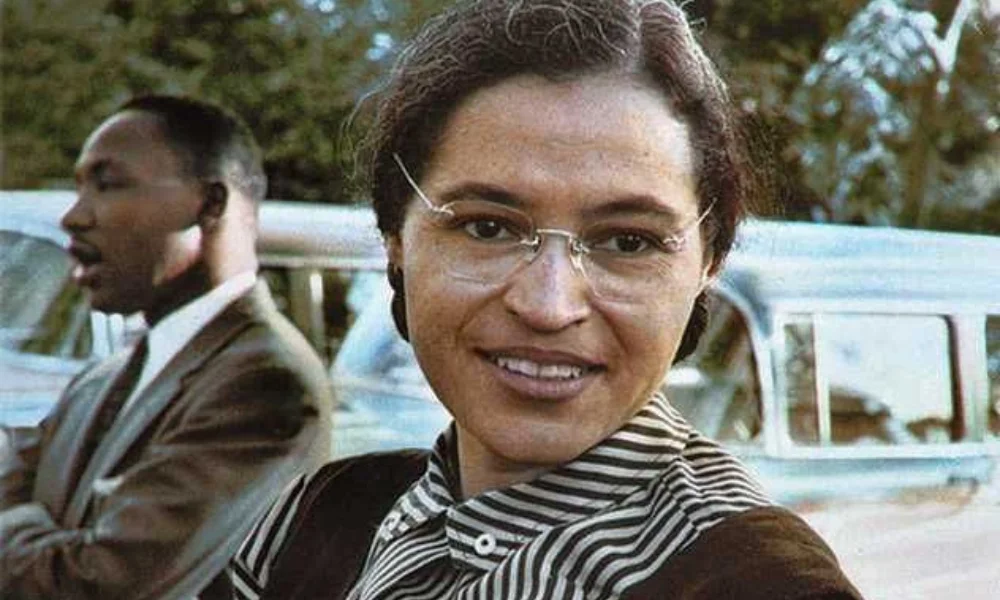
Image Source: Pinterest
Rosa Parks became more than a symbol; she was an active fighter for change. She joined the NAACP and helped fight unfair laws in her community. Her actions directly challenged racial segregation and injustice. Parks inspired others to speak up and demand equality. She worked quietly but consistently, making her activism powerful and effective. Her work helped lay the foundation for future civil rights progress in the U.S.
Joining the NAACP: Rosa Parks biography
Rosa Parks joined the NAACP in 1943 as a secretary and researcher. She helped investigate cases of racial violence and discrimination against African Americans. Parks worked with leaders who taught her how to organize and lead for change. This experience prepared her for the historic bus protest that would make her famous. She also learned how to communicate, inspire, and mobilize people effectively. Her NAACP work gave her skills that were essential in the civil rights movement.
December 1, 1955, The Bus Protest
On December 1, 1955, Rosa Parks refused to give up her seat to a white passenger. She sat quietly but firmly, challenging an unfair law. Her arrest surprised the community and gained national attention almost immediately. This single act became the spark for the Montgomery Bus Boycott. Rosa Parks’ bravery showed that even small acts can have a huge impact. Her calm defiance inspired people to stand for justice and equality.
The Montgomery Bus Boycott
The Montgomery Bus Boycott lasted 381 days, showing unity and determination. African Americans refused to ride segregated buses, walking miles every day. Rosa Parks’ arrest inspired leaders like Dr. Martin Luther King Jr. The boycott ended bus segregation successfully, making history. It showed the power of peaceful protest and community action. The boycott also gave hope and courage to African Americans across the nation.
Later Life and Continued Activism
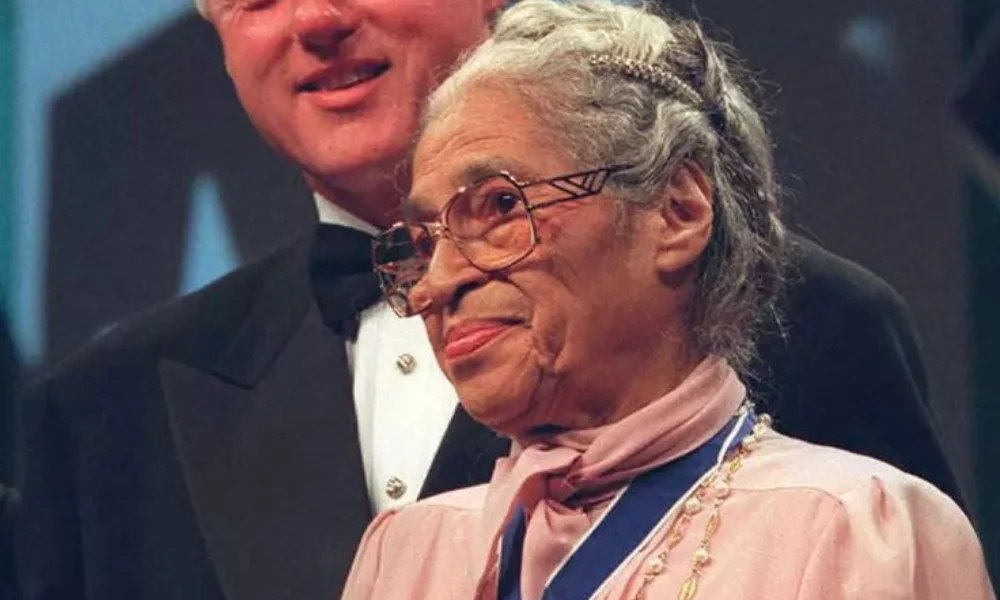
Image Source: Pinterest
Rosa Parks moved to Detroit after the boycott to seek safety and new opportunities. She worked for Congressman John Conyers for over 20 years, advocating for civil rights. Parks also spoke publicly about fairness and equality across the country. Her activism expanded to education, voting rights, and social justice causes. She never stopped working for justice and fairness in all areas. Parks inspired many people to keep fighting for what is right.
Life After the Boycott: Rosa Parks Biography
Rosa Parks lived a modest and private life but stayed very active. She focused on helping her community and educating young people. Her story inspired books, films, and school programs worldwide. Even outside Alabama, she became a global symbol of courage and dignity. Parks encouraged young generations to value civil rights and equality. Her personal life reflected the same principles she fought for publicly.
Honors, Awards, and Recognition
Rosa Parks received many awards for her lifelong work in civil rights. She earned the Presidential Medal of Freedom in 1996 and the Congressional Gold Medal in 1999. Parks’ achievements were honored in schools, museums, and public events. She became a permanent figure in civil rights history for her courage. Her awards reflect her bravery and the lasting impact of her actions.
Rosa Parks’ Legacy and Impact
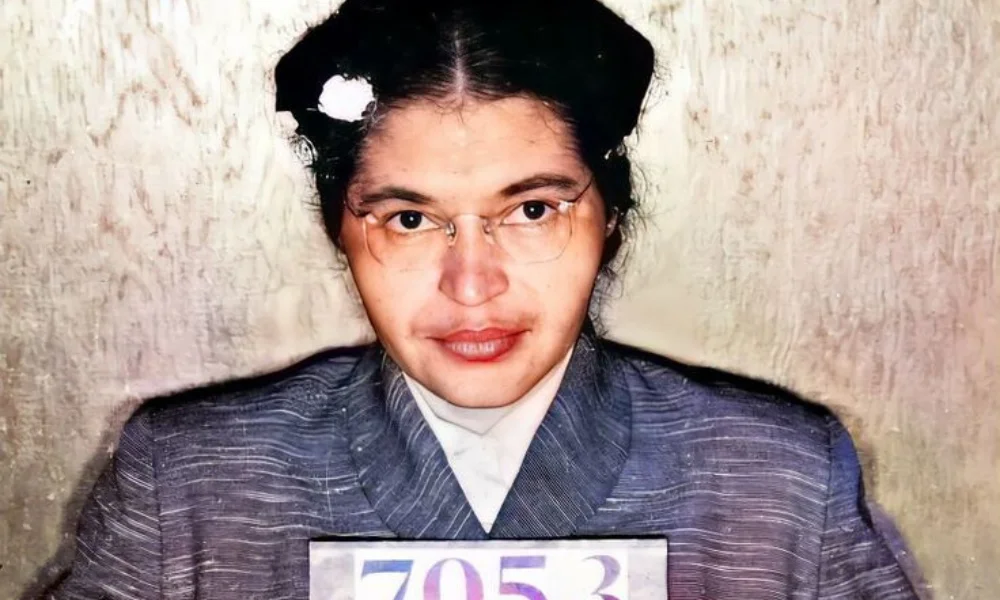
Image Source: Pinterest
Rosa Parks changed laws, hearts, and minds across America. She inspired generations to fight peacefully for fairness and justice. Her legacy is remembered in schools, museums, and public memorials worldwide. Parks continues to guide civil rights education and activism today.
Her courage shows that even small acts can create big change. Rosa Parks taught that calm strength is very powerful and important. Communities honor her through lectures, events, and celebrations every year. She proves that ordinary people can achieve extraordinary results. Her story motivates people to act for equality every day.
Interesting Facts & Trivia
-
Rosa Parks was not the first person to resist bus segregation laws.
-
Her autobiography, Rosa Parks: My Story, shares her personal experiences.
-
Her birthday, February 4, is celebrated in schools and programs.
-
She received over 20 honorary degrees for her activism and work.
-
Movies, documentaries, and books have shared her story worldwide.
These facts show Rosa Parks as a complete human being, not just a symbol. They highlight her lifelong dedication to justice and equality. Her story is both inspiring and educational for people of all ages.
Conclusion: Rosa Parks biography
Rosa Parks’ life was marked by courage, dignity, and firm action against injustice. By challenging unfair laws, she inspired a nation to move closer to equality and justice. Her story proves that even quiet, brave actions can create powerful change.
Learning about leaders like Rosa Parks also highlights the importance of telling real, verified stories, as seen in accurate profiles such as the Jessica Radcliffe biography that focus on facts rather than rumors. Remembering Rosa Parks’ achievements honors her lasting impact on civil rights around the world. Her life shows that standing up for fairness matters, and one person’s courage can truly make history.