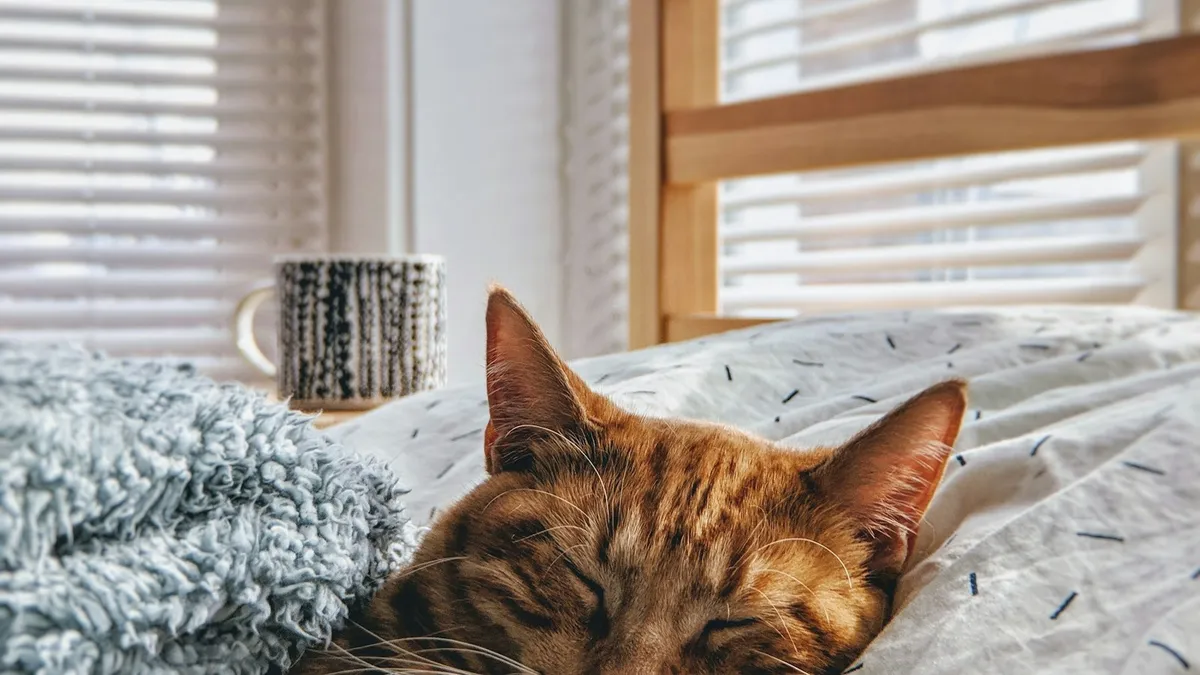

Hypoallergenic cats are the breeds most often recommended to people who love cats but sneeze, itch or wheeze around them, and the first thing to know is that no cat is truly hypoallergenic. Every cat produces the protein that triggers most cat allergies, so the honest question is which cats tend to cause a milder reaction.
Some people with a mild cat allergy do live happily with a cat, often one of the breeds described as hypoallergenic, combined with sensible housekeeping and treatment from a doctor where needed. Others find that any cat sets them off, whatever the breed. Testing your own reaction first matters far more than any breed list.
Key takeaways
- No cat breed is truly hypoallergenic: every cat produces the Fel d 1 protein that drives most cat allergies.
- The trigger is mainly in saliva and skin, not fur, so even hairless cats can cause symptoms.
- Siberian, Balinese, Russian Blue, Bengal, Sphynx and the Rex breeds are the ones most often described as hypoallergenic.
- Individual cats vary far more than breeds do, so meeting the actual cat matters more than its pedigree.
- Female cats and neutered males tend to produce less Fel d 1 than unneutered males.
- Cleaning, air filtration, keeping the bedroom cat-free and medical treatment can make a real difference.
What causes a cat allergy
A cat allergy is an immune reaction, and the main culprit is a small protein called Fel d 1. Cats produce it in their salivary glands and in the sebaceous glands of the skin, with smaller amounts in urine. When a cat grooms itself, it spreads saliva across its coat, and as the saliva dries the protein joins the fine flakes of skin, known as dander, that drift into the air and settle on furniture and bedding.
That explains the most common misunderstanding about cat allergies. Fur is not the allergen; it is the carrier. A thick-coated cat and a hairless cat both produce Fel d 1, because the glands make it, not the hair. The protein is also remarkably persistent: light and sticky, it clings to soft furnishings and can linger for months after a cat has left.
Typical symptoms are sneezing, a runny or blocked nose, itchy and watering eyes, an itchy throat and coughing, and sometimes itchy skin or hives where a cat has licked or scratched. For people with asthma, exposure can tighten the chest and bring on wheezing. Symptoms usually start within minutes, though they can build slowly over a few hours.
Why no cat is truly hypoallergenic
The phrase hypoallergenic cats suggests a cat that causes no allergy, and no such cat exists. The American Academy of Allergy, Asthma and Immunology states that there are no hypoallergenic breeds of dogs or cats, and the American College of Allergy, Asthma and Immunology notes that all cats produce allergens. The word survives as shorthand for breeds thought to produce or spread less allergen than average, but it is a matter of degree, not a guarantee.
The evidence for any breed producing less Fel d 1 is thin. The strongest piece of research is a small gene study from 2017, which sequenced the Fel d 1 genes of four Siberian cats and found variants linked to low saliva readings in one cat. Four cats is a tiny sample, and the authors called for larger studies that have not followed. For other commonly named breeds, breed-specific laboratory measurements have turned up nothing.
Individual variation is the most important fact here. Fel d 1 output varies widely from cat to cat, and it can vary in the same cat at different times. Females and neutered males generally produce less than unneutered males, but two cats of the same breed, sex and age can still affect an allergic person very differently. Spend time with the individual cat rather than trusting a breed label.
Breeds most often described as hypoallergenic
Certain breeds come up again and again, in two groups: those thought to produce less Fel d 1, and those that spread less of it because they shed little. The Siberian has the best, if still slight, scientific support: a large, long-haired forest cat from Russia, widely reported to produce less Fel d 1 than average, in line with the small 2017 gene study. The Balinese, a long-haired relative of the Siamese with a single silky coat, is also believed to produce less of the protein, and its single coat sheds less than the double coats of many long-haired breeds.
The Russian Blue has a short, dense double coat said to trap dander close to the skin. The Bengal, a striking spotted breed with a short, soft coat, sheds very little, so less dander reaches the room. The Cornish Rex and Devon Rex have fine, curly coats with little or no guard hair and shed far less than most cats. The Sphynx, the hairless breed, is often assumed to be the safest choice, but it still produces Fel d 1, and it needs regular bathing because it has no fur to absorb skin oils.

Hypoallergenic cats compared
Choosing between these breeds is as much about temperament and care as it is about allergies, because a cat is a companion for fifteen years or more. Treat the allergen notes below as reported tendencies, not measured facts.
| Breed | Coat | Why it is often named | Grooming |
|---|---|---|---|
| Siberian | Long, triple coat | Reported lower Fel d 1; only breed with a small gene study | Weekly brushing |
| Balinese | Long, single coat | Believed to produce less Fel d 1; sheds modestly | Weekly brushing |
| Russian Blue | Short, dense double coat | Dense coat may trap dander near the skin | Weekly brushing |
| Bengal | Short, soft coat | Sheds very little, so less dander reaches the room | Occasional brushing |
| Sphynx | Hairless | No fur to carry dander, but still produces Fel d 1 | Regular bathing |
| Cornish Rex / Devon Rex | Fine, curly coat | Very light shedding | Gentle, occasional grooming |
How to test your reaction before you commit
Never buy a cat on the strength of a breed label alone. Spend time with the actual cat, in its own home, for an hour or more, and repeat the visit on a different day. Sit on the sofa, handle the cat, let it sit on your lap, and then wait: symptoms can take an hour or two to build, so a ten-minute cuddle proves little. Feeling fine after two longer visits is encouraging, though still no guarantee.
Ask direct questions: how old is the cat, is it neutered, and has anyone with an allergy lived with its relatives? A responsible breeder will welcome the questions and may suggest a trial period; a rescue centre may let you foster first. Be wary of anyone who promises a cat is hypoallergenic or charges a large premium for that promise.
Talk to your doctor before you bring a cat home, especially if you have asthma. An allergy test can confirm that cats are genuinely the trigger, which matters, because dust mites and pollen often share the blame and are easier to control. Your doctor can also talk through antihistamines, nasal sprays and allergy immunotherapy, which gradually desensitises the immune system.
Living with a cat when you have an allergy
If you do share your home with a cat, the way you run the house matters at least as much as the breed. Keep the cat out of the bedroom, where you spend a third of your life breathing deeply, and wash bedding at a high temperature once a week. A vacuum cleaner with a HEPA filter removes dander rather than blowing it back into the room, and a HEPA air purifier helps too.
Groom the cat regularly, ideally by someone without the allergy, outdoors or in a well-ventilated room. Washing the cat is sometimes suggested, but most cats dislike it and the benefit is short-lived. Hard floors are easier to keep allergen-free than carpet, and washable throws on the sofa and the cat’s favourite chair can be laundered often. Wash your hands after handling the cat, and avoid touching your face or eyes until you have.
Your hypoallergenic cats checklist
- Accept that no cat is truly hypoallergenic, and treat breed lists as a starting point, not a promise.
- Learn the symptoms of cat allergy, and note how quickly they appear and how long they last.
- Shortlist breeds often described as hypoallergenic, such as the Siberian, Balinese, Russian Blue and Rex breeds.
- Visit the actual cat twice, for an hour or more each time, and wait to see whether symptoms build slowly.
- Ask whether the cat is neutered, since females and neutered males tend to produce less Fel d 1.
- Talk to your doctor, especially if you have asthma, and ask about testing and immunotherapy.
- Plan a cat-free bedroom, wash bedding weekly, and use a HEPA vacuum and air purifier.
- Arrange regular grooming by someone without the allergy, and keep the cat’s bedding washable.
- Consider fostering or a trial period before committing to fifteen years of companionship.
- Walk away from any breeder who guarantees a cat is hypoallergenic or charges a premium for the claim.
Frequently asked questions
Are hypoallergenic cats really allergy-free?
No. Every cat produces Fel d 1, the protein that triggers most cat allergies, including hairless breeds such as the Sphynx. Hypoallergenic cats are breeds thought to produce or spread less allergen than average, which may mean milder symptoms, but never a guarantee of none.
Which cat breed is best for people with allergies?
There is no single best breed, because individual cats vary more than breeds do. The Siberian, Balinese, Russian Blue, Bengal, Sphynx and Rex breeds are the names that come up most often, but the only reliable test is spending time with the individual cat you hope to take home.
Are hairless cats hypoallergenic?
Not in the sense of causing no allergy. Hairless cats such as the Sphynx still produce Fel d 1 in their skin and saliva, and they need regular bathing because skin oils build up without fur to absorb them.
Do male or female cats cause more allergies?
Unneutered males tend to produce more Fel d 1 than females or neutered males, so a female or a neutered male is often the safer choice. The difference is a tendency, not a rule.
Can allergy treatment let me live with a cat?
Sometimes. Antihistamines and nasal sprays can control mild symptoms, and allergy immunotherapy, a course of injections or tablets, can gradually reduce sensitivity over months or years. Talk to your doctor before relying on treatment, especially if you have asthma.
Should I get rid of carpets if I have a cat allergy?
It helps, but it is not essential. Carpets hold dander, so hard floors are easier to keep clean, but HEPA vacuuming, washable throws and a cat-free bedroom can make a carpeted home workable.
The bottom line
Hypoallergenic cats are real in the sense that some breeds are widely reported to be easier for allergy sufferers to live with, and the Siberian, Balinese, Russian Blue, Bengal, Sphynx and Rex breeds are the usual names on that list. But no cat is truly hypoallergenic, because every cat produces Fel d 1, and the cat in front of you matters far more than the breed on its papers. Meet the cat twice and talk to your doctor first. If you do decide to bring a cat home, our guide to the best dog breeds for families is worth a look if a dog ever joins the household too, our guide to the best tea brands covers a soothing brew for itchy-eyed evenings, and our guide to stress relief techniques covers staying calm while you settle in with a new pet.
This article is general information, not medical or veterinary advice. If you have asthma or severe allergies, talk to your doctor before bringing a cat into your home.