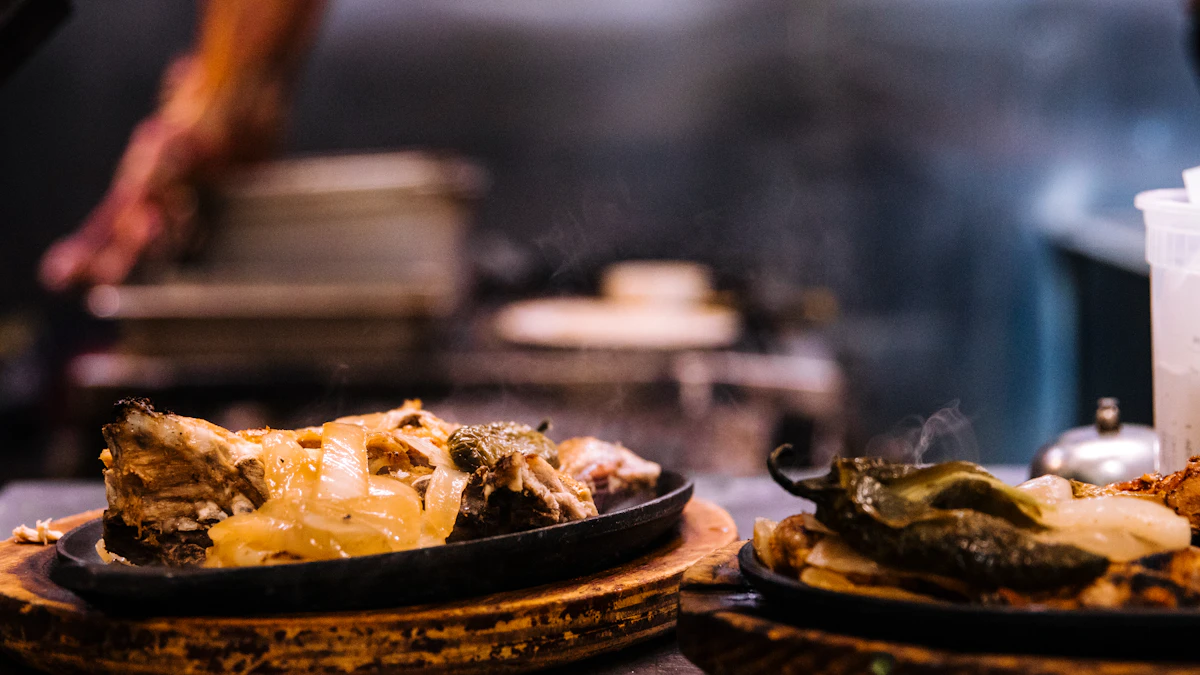

A fajita is strips of grilled meat — classically skirt steak — cooked with sautéed onions and peppers and served on a flour or corn tortilla, and it is one of the great success stories of Tex-Mex cooking. What is a fajita, exactly? It is a dish born from a cheap, tough cut of beef that ranch hands in South Texas learned to grill hard, slice thin and wrap in a tortilla, until restaurants turned it into the sizzling platter that still turns heads today.
This guide explains where the fajita comes from, why skirt steak is the classic cut, how the marinade and the sizzling skillet work, and how to make beef, chicken, shrimp and vegetarian versions at home. The rules are simple: a hot grill, a thin slice across the grain, and warm tortillas.
Key takeaways
- A fajita is grilled skirt steak, sliced thin across the grain, served with sautéed onions and peppers on a tortilla.
- The name comes from faja, the Spanish word for belt or girdle, describing the banded shape of the skirt steak.
- The dish began with vaqueros, Mexican cattle ranch hands in South and West Texas, who were given skirt steak as part of their pay in the 1930s.
- The sizzling cast-iron presentation was added in 1969 by Otilia Garza at the Round-Up Restaurant in Pharr, Texas.
- Ninfa Laurenzo popularised the dish in Houston from 1973, serving it as tacos al carbon at the Original Ninfa’s on Navigation.
What a fajita is
At its simplest, a fajita is three things: grilled meat, peppers and onions, and a tortilla to wrap them in. The meat is cooked fast over high heat, sliced thin across the grain, and served with onions and bell peppers sautéed until soft and sweet. Warm flour tortillas are the classic wrapper, though corn tortillas are common too, and the usual accompaniments are guacamole, pico de gallo, sour cream, shredded cheese and salsa.
The word fajita is a Tex-Mex diminutive of faja, Spanish for belt or girdle, and it describes the skirt steak itself: a long, thin, banded cut from the diaphragm of the cow. Originally the word referred only to that cut of beef. Today it covers the whole dish, and restaurants serve chicken, shrimp, pork and vegetable fajitas alongside the beef original.
What makes a fajita a fajita, rather than just a steak sandwich, is the combination: the char from the grill, the sweetness of the peppers and onions, the lime in the marinade, and the build-your-own assembly at the table.
Best for: a first taste — a classic beef fajita.
From ranch hands to restaurants
The first evidence of fajitas comes from the ranch lands of South and West Texas in the 1930s. When cattle were slaughtered to feed ranch hands during roundups, the vaqueros — Mexican cowboys — were sometimes given the less desirable cuts as part of their pay. Skirt steak was one of them: thin, lean and tough.
The vaqueros learned to make it good. They marinated it with lime juice, salt and garlic, grilled it hard and fast over an open fire, and sliced it thin across the grain. The result was juicy, smoky and deeply flavoured, and they wrapped it in a tortilla with grilled onions and peppers. The dish was called tacos al carbon, for the coals it was cooked over.
For decades the dish stayed in the ranch country: the word fajita is not known to have appeared in print until 1971, according to the Oxford English Dictionary. Then, in the late 1960s and early 1970s, it reached the restaurants.
Best for: understanding the dish.
The people who made fajitas famous
Two people turned the ranch dish into a restaurant dish. In September 1969, Sonny Falcón, an Austin meat market manager who called himself the Fajita King, ran the first commercial fajita taco stand at a 16 de septiembre celebration in Kyle, Texas. In the same year, Otilia Garza introduced fajitas at the Round-Up Restaurant in Pharr, Texas, and she is credited with the signature sizzling plate presentation, after being served queso flameado on a cast-iron plate in Acapulco.
The dish went national through Ninfa Laurenzo, known as Mama Ninfa. In 1973, after her husband died, she opened a small restaurant in the front of her family’s tortilla factory on Navigation Boulevard in Houston, to support her five children. She served marinated, mesquite-grilled skirt steak as tacos al carbon, and on the first day she sold 250 of them.
Ninfa’s also introduced the build-your-own aspect that defines the dish today: the meat and vegetables arrived separately, sizzling on a cast-iron skillet, with warm tortillas and dressings on the side. By the 1980s, the sizzling skillet was parading through chain restaurants across America, and the fajita had become shorthand for Tex-Mex itself.
Best for: a taste of the original — tacos al carbon in Houston.
Skirt steak: the classic cut
Skirt steak is the heart of a beef fajita. It is a long, thin muscle from the diaphragm, with a coarse grain and a deep, beefy flavour. It is also tough, because it is a working muscle, which is why the preparation matters more than the cut itself.
The marinade does the first job. Lime juice, garlic, cumin, chilli and oil tenderise the surface and add flavour, and an hour or two is enough; much longer in acid can make the meat mushy. Salt goes in near the end of marinating, or just before cooking.
The grill does the second job. Skirt steak wants very high heat and a short cook — two or three minutes a side — so the outside chars while the inside stays juicy. Then comes the step people skip: rest the meat for five minutes, and slice it thin across the grain, which shortens the muscle fibres and turns a tough cut tender.
Best for: the real thing — skirt steak, grilled fast and sliced thin.
Chicken, shrimp and vegetarian fajitas
Chicken fajitas are the most common alternative: strips of chicken breast or thigh, marinated with lime, garlic, cumin and smoked paprika, then grilled or seared in a hot pan until cooked through. Thighs are more forgiving than breasts, because they stay juicy at higher heat.
Shrimp fajitas cook in minutes and need a watchful eye. Large prawns, peeled and marinated briefly with lime, garlic and chilli, go into a very hot pan for about two minutes a side, until pink and opaque. Any longer and they turn rubbery.
Vegetarian fajitas work best when the vegetables are treated like the meat: portobello mushrooms, sliced thick and grilled hard, with peppers, onions and courgettes, all charred at the edges. Halloumi, black beans or seasoned tofu add substance, and the same marinade works across all of them.
Best for: a crowd — a mixed platter, so everyone builds their own.

The sizzling skillet and the table
The sizzling presentation is theatre with a purpose. The meat and vegetables are cooked, then transferred to a cast-iron skillet heated until it smokes, so they arrive at the table still cooking, steaming and crackling. The sound turns heads, the smell fills the room, and the food stays hot while everyone builds their tacos.
At home, use a cast-iron pan heated in a hot oven, then set on a wooden board. Warm the tortillas while the meat rests: thirty seconds a side in a dry pan, or wrapped in foil in the oven. Keep the accompaniments simple — guacamole, pico de gallo, sour cream and lime wedges — and let people assemble their own.
The order of assembly matters. Tortilla first, then a little meat, then peppers and onions, then a spoonful of guacamole and a squeeze of lime. Overfilling is the classic mistake: a fajita should fold closed, not burst open.
Best for: a Friday night — the full sizzling skillet.
| Style | Main filling | Marinade | Cooking |
|---|---|---|---|
| Classic beef | Skirt steak | Lime, garlic, cumin, chilli | Grill fast, slice across the grain |
| Chicken | Breast or thigh strips | Lime, garlic, cumin, paprika | Grill or sear until cooked through |
| Shrimp | Large prawns | Lime, garlic, chilli, briefly | Hot pan, two minutes a side |
| Vegetarian | Portobello, peppers, courgette | Same marinade as beef | Grill hard until charred at edges |
| Mixed platter | Beef, chicken and peppers | Lime, garlic, cumin | Grill separately, serve together |
Making fajitas at home: a checklist
- Choose the cut: skirt steak for the classic, chicken thigh for forgiveness, large prawns for speed, portobello for a vegetarian version.
- Marinate for one to two hours with lime, garlic, cumin and chilli; keep the salt for the end of marinating.
- Get the grill or pan very hot before the meat goes on, and cook fast so the outside chars.
- Rest beef and chicken for five minutes before slicing, and always slice across the grain.
- Cook the peppers and onions until soft and sweet, with charred edges, and keep them hot.
- Warm the tortillas while the meat rests, and set out guacamole, pico, sour cream and lime for building.
For more in the same spirit, the guide to the best tacos in Los Angeles covers another hand-held favourite, the recipe for carne asada marinade covers a marinade that works beautifully on skirt steak, and the guide to the best slow cooker covers keeping beans and fillings warm.
Frequently asked questions
What is a fajita?
A fajita is strips of grilled meat, classically skirt steak, cooked with sautéed onions and bell peppers and served on a flour or corn tortilla. The name comes from faja, the Spanish word for belt, describing the banded shape of the skirt steak. Chicken, shrimp and vegetarian versions are now common.
Where do fajitas come from?
Fajitas come from the ranch lands of South and West Texas, where vaqueros grilled skirt steak over open fires in the 1930s. The dish reached restaurants in 1969, through Sonny Falcón in Kyle and Otilia Garza in Pharr, Texas, and went national through Ninfa Laurenzo in Houston from 1973.
What cut of meat is best for fajitas?
Skirt steak is the classic cut, because its coarse grain takes on marinade well and its flavour is deeply beefy. Flank steak is the nearest substitute, and it needs the same treatment: a short marinade, very high heat, a rest, and a thin slice across the grain.
How long should I marinate fajita meat?
One to two hours is enough for skirt steak and chicken. Lime juice tenderises the surface, but much longer in acid can make the meat mushy. Shrimp need only fifteen to thirty minutes. Add salt near the end of marinating, or just before cooking.
Why are fajitas served sizzling?
The sizzling cast-iron skillet keeps the meat and vegetables hot while diners build their own tacos, and it adds theatre to the meal. Otilia Garza is credited with the idea, after being served queso flameado on a cast-iron plate in Acapulco in 1969.
Are fajitas gluten-free?
The filling is naturally gluten-free, and corn tortillas are gluten-free too. Flour tortillas contain gluten, so choose corn tortillas and check that your marinade and accompaniments are gluten-free as well.
The bottom line
A fajita is a ranch-hand dish that became a restaurant classic without losing what made it good: a tough cut made tender by marinade, fire and a thin slice, with peppers, onions and a warm tortilla to carry it. Start with skirt steak, lime and garlic, grill it fast, rest it, and slice across the grain.
A quick food-safety note: cook chicken right through until it reaches 74°C (165°F) and shrimp until pink and opaque all the way through, and cook beef steaks to your preferred doneness. Do not leave cooked fajitas at room temperature for more than two hours, and reheat leftovers until piping hot all the way through.